Snorkeling Cabo Pulmo: A UNESCO Reef I'd Drive Two Hours For
Reviewed for accuracy on Feb 20, 2026
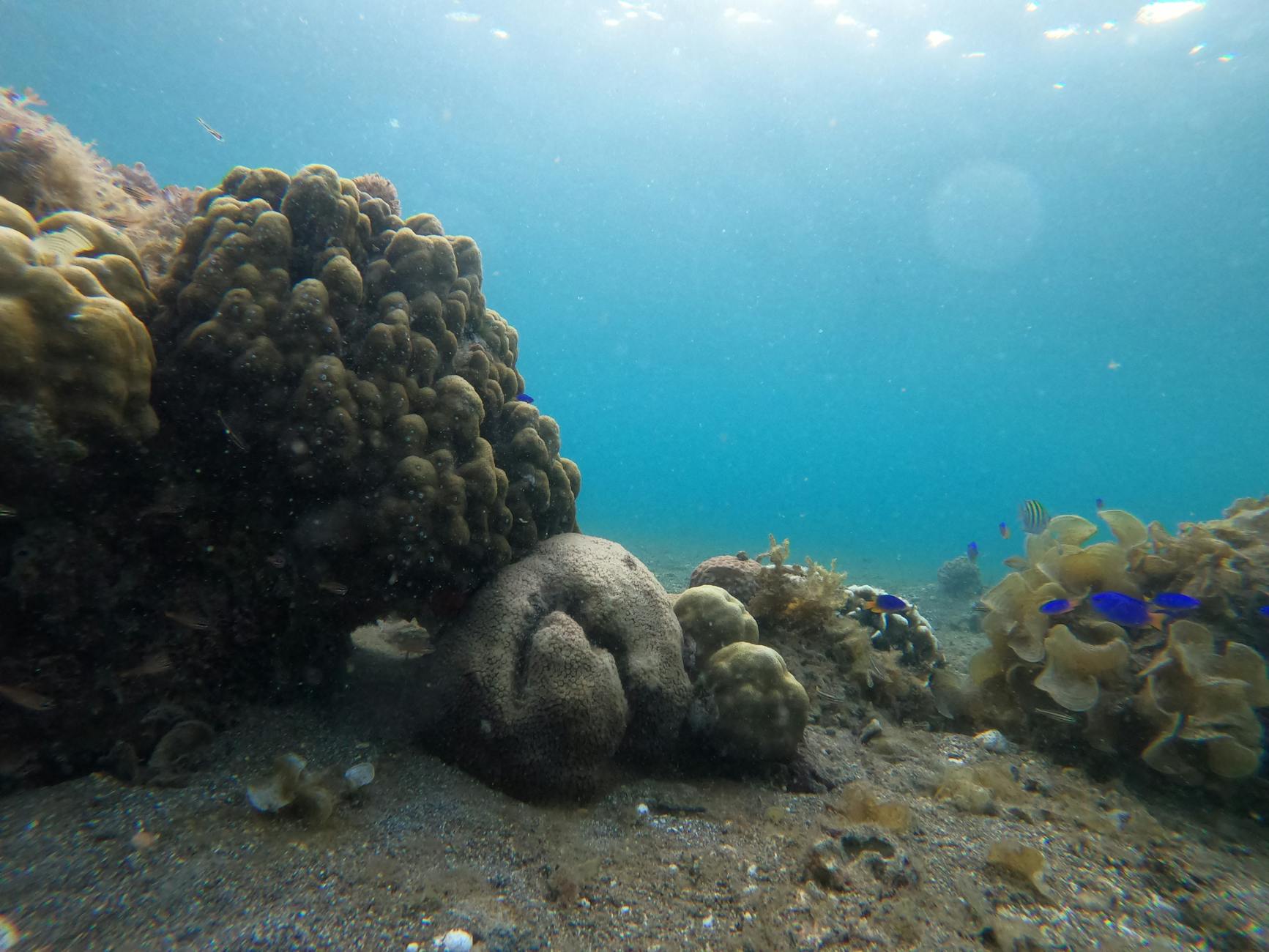
Cabo Pulmo is the best snorkeling spot in Baja and one of the best in Mexico, and almost nobody staying in Cabo bothers to drive out to it. That's partly because it's two hours of mostly dirt road from San José del Cabo, partly because the village has fewer than 200 residents and zero billboards, and partly because the people who go regularly would rather you didn't.
I'm telling you anyway. The reef earned the trip and then some.
Here's everything I wish I'd known the first time I drove out.
What Cabo Pulmo actually is
Cabo Pulmo is a tiny fishing village on Baja's East Cape that wrapped a UNESCO Biosphere Reserve around its front door in 1995. The reef itself is one of only three living hard-coral reefs in the Sea of Cortez and the only one in the Northern Hemisphere. The marine park covers about 27 square miles of protected water.
Here's the part that matters: the village voted to ban all fishing inside the park in 1995, when the local fish stocks had collapsed by 90%. Within a decade, fish biomass had increased 460% — the largest recovery of any marine reserve ever measured. The numbers are real and they're in peer-reviewed journals.
What this means for you, in the water, is that you're snorkeling on a reef that looks the way reefs are supposed to look. Schools of jack crevalle so dense they block the sun. Reef sharks. Bull sharks in winter. Sea turtles. Sea lions in summer. Visibility 30-80 feet depending on the season.
You can't see this anywhere else within a day's drive of Cabo.
When to go
The water is warm enough to snorkel year-round, but the conditions matter:
- October–December: best visibility (50-80 ft), water 78-82°F, calm wind. The headline window.
- January–March: colder water (70-74°F), bull sharks at El Bajo, humpback whales offshore. Wear a wetsuit.
- April–June: great visibility, water warming back up, sea turtles common. My personal favorite.
- July–September: hot, humid, hurricane season. Visibility can be excellent on calm days but it's a coin flip.
Avoid the first week or two after a hurricane or major storm — the visibility crashes and takes days to recover.
How to get there
Cabo Pulmo is in the middle of the East Cape, not anywhere near Highway 1. There are two routes from Cabo, and both have a dirt section.
The fast way: Highway 1 north to La Ribera (about 90 minutes from San José), then south on the dirt road to Cabo Pulmo (about 30 minutes). The northern dirt section is in the best shape and is doable in a 2WD with care.
The slow way: The East Cape Road from San José all the way north to Cabo Pulmo (about 2 hours). Mostly dirt, river crossings that are sketchy after rain, and almost no services. 4WD strongly recommended.
From La Paz, drive south on Highway 1 to Las Cuevas, then east to La Ribera, then south to Cabo Pulmo. About 2.5 hours.
I'd take the fast way both directions on a first trip. Save the East Cape Road for when you're on a longer Baja drive — see the Cabo to La Paz road trip itinerary for that.
Day trip vs. overnight
You can technically do Cabo Pulmo as a day trip from Cabo. Two hours each way, three or four hours of snorkel time, and you're back by sundown. I've done it. It works.
But you'll do better with an overnight. The morning visibility is best, the water is calmest before 10 AM, and the village rentals are inexpensive. There are a few small palapa-roofed cabanas in the village walking distance to the dive shops, plus several casitas in the surrounding hills. Don't expect AC, hot water, or reliable WiFi — that's the deal.
If you can swing two nights, do two nights. One day for the snorkel, one for the dive (if you dive), one for the second snorkel because the first one is never enough.
What you'll actually see
The reef has several distinct snorkel sites, accessed by panga from the village beach. The pangueros know the conditions and will pick the best spot for the day. A short list of what tends to be where:
- El Bajo — the famous one. Schools of jack crevalle, big mackerel, bull sharks in winter. Deeper site (30-50 ft); free-divers love it.
- Los Morros — close to shore, sea lions in summer, sea turtles year-round. Easiest site for first-timers.
- El Islote — a rock island with reef sharks circling underneath. Strong current can show up.
- Las Casitas — easy reef snorkeling with parrotfish, butterfly fish, and pufferfish. Family-friendly.
- Cabo Frailes — the south end of the park, big rock formations, dramatic photography.
You won't see all of these in one day. Two snorkel runs from a single panga charter will hit two or three.
The first time I drifted into the El Bajo jack crevalle school, I lost spatial sense entirely. They're three feet long, packed shoulder-to-shoulder, and they part around you like a curtain. I came up grinning so hard my mask leaked.
The rules (and why they matter)
Cabo Pulmo runs on rules and they're enforced. Don't be the visitor who ruins a reserve.
A list:
- No touching the coral. Even with fins. Even brushing against it.
- No fishing. Not from the beach, not by accident. The village will tell on you and the rangers will fine you.
- Reef-safe sunscreen only. They check. Buy it before you come — in town it's expensive.
- No collecting shells, sand, or anything else. Same enforcement.
- Stay with your guide. This isn't optional and it isn't condescension — the currents change fast and the boats move between sites.
If your panga operator doesn't enforce these, find a different one.
How to book a panga
There are several dive shops in the village that handle snorkel trips. I won't fabricate names because they change, but the heuristic is the same as everywhere in Baja: walk in, ask the rates, ask how many people they put on a panga, and pick the smallest boat.
A typical half-day snorkel trip is two snorkel sites, around 3-4 hours total, includes mask and fins (bring your own if you're picky). Book the day before in high season; same-day is usually fine in shoulder months.
You can also dive Cabo Pulmo. If you have certification, do. The deeper sites are even better with tanks.
What to bring
- Reef-safe sunscreen (mandatory)
- Your own mask and snorkel if you have one (rentals exist but the seal is the seal)
- A rash guard or thin wetsuit in winter — water is colder than you'd guess
- Water and snacks for the boat
- Cash — many of the village operators don't take cards
- A waterproof phone case or GoPro for photos
- Patience for the dirt road on the way in
Where to eat
The village has a handful of small restaurants — mostly palapa-roofed places run by local families. The food is honest, fish-heavy, and inexpensive. After a morning of snorkeling, a plate of grilled fish and a Pacífico on a beachfront patio is what you came to Mexico for.
Don't expect fine dining. Don't want fine dining.
What I'd do differently
The first time I came I drove from Cabo, snorkeled for two hours, ate lunch, and drove back. I didn't even shower the salt off. I was tired, sunburned, and elated. I also didn't really see the place.
Now I do at least one overnight. Two if I can. I do a sunrise snorkel because El Bajo is calmer and visibility is best, and I do a second snorkel in the afternoon. I bring my own mask. I sleep in a palapa cabana.
That's how the reef rewards you.
Final thoughts
Cabo Pulmo is the snorkel of the Sea of Cortez and one of the few wildlife experiences in Baja that feels truly wild. The trip out is bumpy and inconvenient and that's exactly why the reef is what it is. The village protected it. We're the lucky ones who get to visit.
Don't skip it because it's two hours away. The two hours is the price of admission. Pair it with a stay on the East Cape or build it into a longer Baja loop.
Bring the trip home
Every photo on York Adventures is shot on location and available as a fine-art print. Browse the gallery to find a frame for your wall.
Stay in the Loop
Get new photos, stories & exclusive deals straight to your inbox.
Related Posts
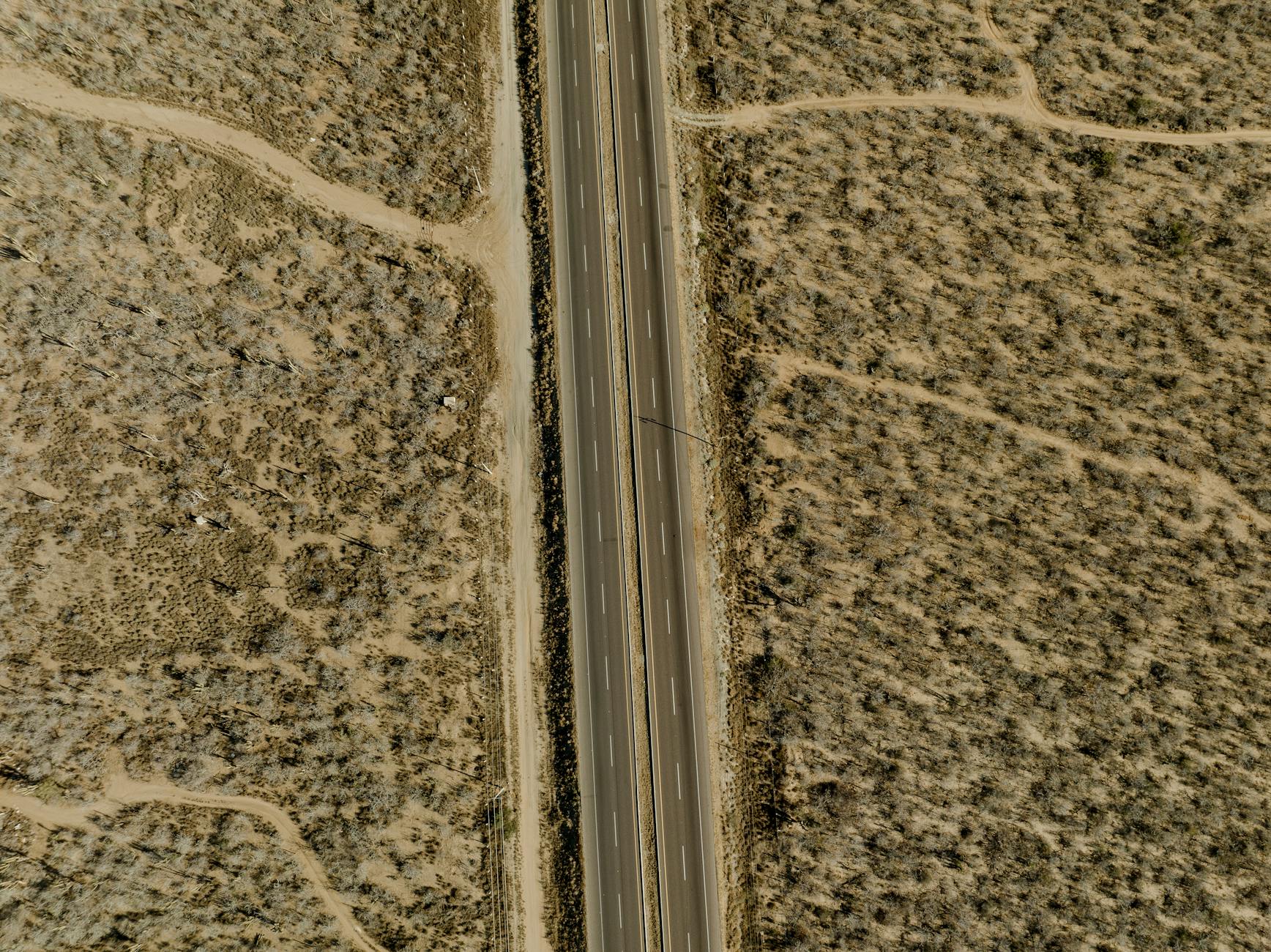
Baja Road Trip: A 5-Day Cabo to La Paz Itinerary
Five days, one rental car, and the best of southern Baja. Here's the Cabo to La Paz road trip itinerary I keep recommending — Cabo Pulmo, Todos Santos, and Espíritu Santo island.
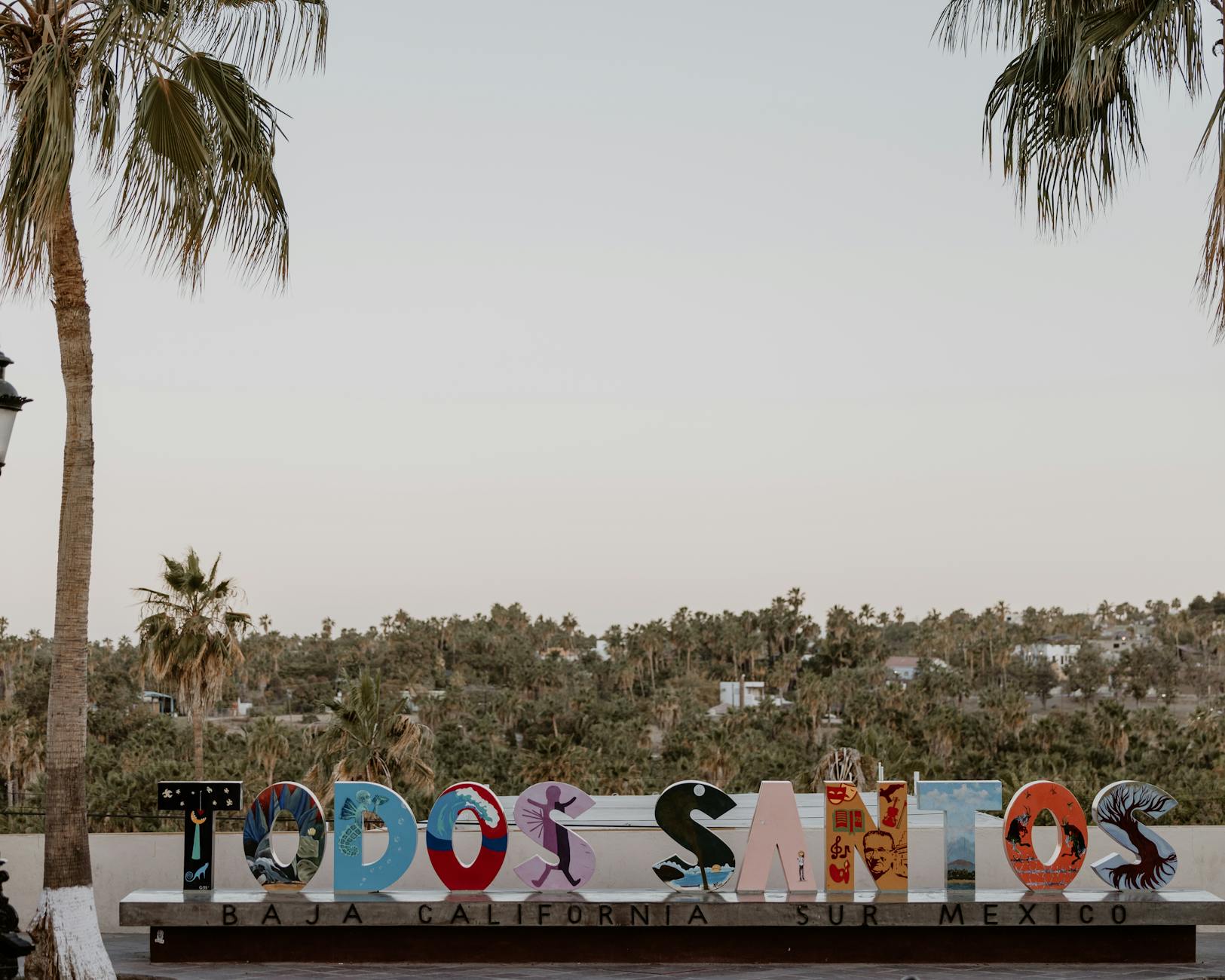
Todos Santos Day Trip From Cabo: Worth the Drive?
Hotel California, Pacific surf, art galleries, and an hour of desert in between. Here's whether the Todos Santos day trip from Cabo actually earns the drive.
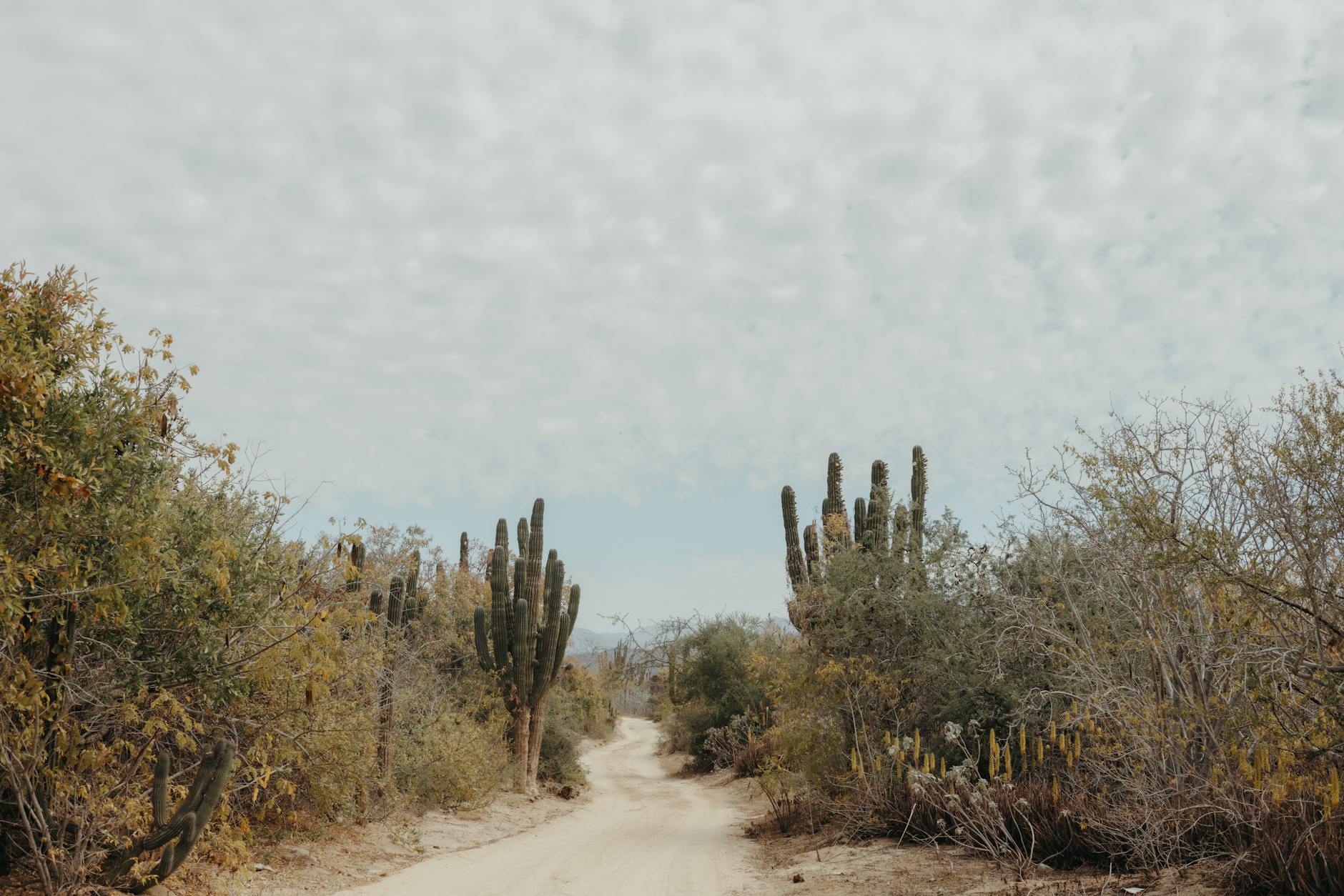
East Cape Baja: A Quiet, Wild Side Most Tourists Miss
An hour north of Cabo on a dirt road and you're somewhere else entirely. Here's the East Cape — Los Barriles, Buena Vista, Cabo Pulmo, and the empty beaches in between.