Central Park Photo Guide: 11 Spots, Best Light, and How to Get There
Reviewed for accuracy on Mar 10, 2026
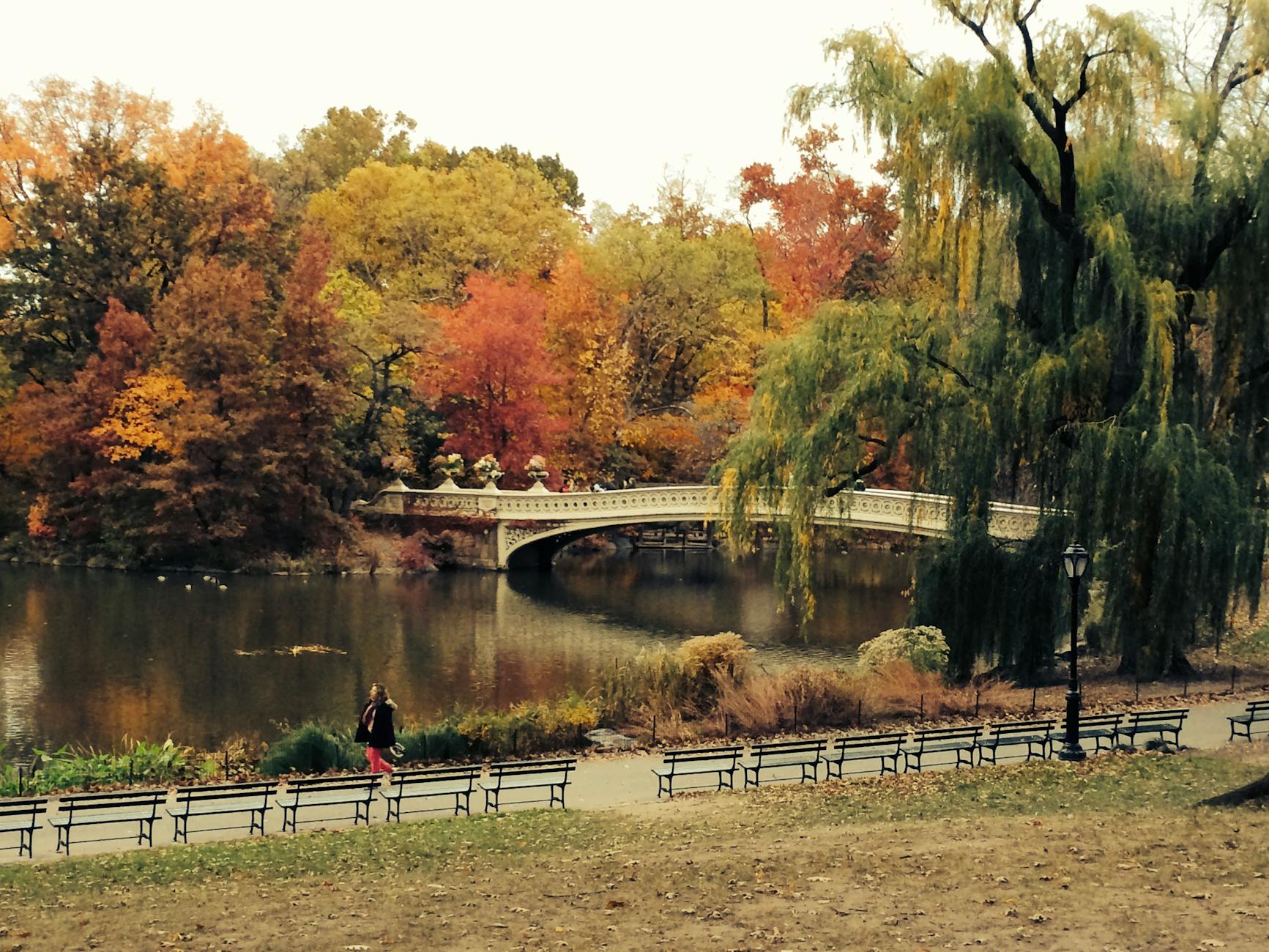
Central Park is the most photographed park on earth and also one of the easiest to photograph badly. The reason is light. Most visitors show up at noon, walk along Bow Bridge for ten minutes, take a phone shot from the wrong angle, and decide they've "done" it. The park doesn't really open up until you start matching the right spot to the right hour.
I've shot Central Park in every season across more visits than I can count. Here are the eleven spots I keep returning to, in roughly the order I'd photograph them on a single day if I had perfect weather and unlimited coffee.
Before you go: the two rules
Two things to internalize:
- Central Park is huge. It runs from 59th to 110th Street and is half a mile wide. Don't try to do it on foot in a single sweep. Use the subway between zones — the B/C runs the whole west side, the 4/5/6 runs the east, the 1 hits the southwest corner.
- The best light is the first 90 minutes after sunrise and the last 90 before sunset. This is more true here than in most parks because the buildings on three sides act as light blockers. Direct sun comes in low over the buildings, then disappears behind them quickly.
1. Gapstow Bridge — sunrise
Closest entrance: Grand Army Plaza at 59th and 5th. Subway: N/R/W to 5th Ave-59th St.
This little stone bridge over The Pond is the first photographable spot you hit walking in from the southeast corner. At sunrise in October or April, the Plaza Hotel sits centered behind it, lit pink. By 9 a.m. you're shooting into joggers and tour groups.
If you only have time for one spot, this is the one.
2. Bethesda Terrace and Fountain — early morning, then golden hour
Subway: 72nd Street on the B/C, walk in to the Mall.
The Bethesda Terrace is the most architecturally photogenic spot in the park, but the lower terrace tiled ceiling is what most people miss. Get under the overpass before 9 a.m. and you can shoot the symmetry without crowds. By midday it's a busker's stage.
I usually come back at 6 p.m. in summer for the soft light bouncing off the Lake.
3. Bow Bridge — sunrise or late afternoon
Same subway as Bethesda; walk a bit further west.
The most photographed bridge in the park, and yes it's worth it. The angle most tourists take from the south side of the Lake is the wrong angle. Walk to the north side and shoot back toward the bridge with the San Remo's twin towers behind it. That's the postcard.
4. The Mall — autumn only
If you're visiting in mid to late October, the elm canopy along the Mall turns gold in a way that almost feels artificial. Mid-morning gives you the leaves backlit. By late November the trees are bare and the Mall is just a path.
5. The Ramble — for woodsy frames
The Ramble is the wild middle of the park — narrow trails, bridges over streams, no clear sightlines to buildings. It's the only spot where you can pretend you're not in Manhattan. Best in mid-morning when the dappled light comes through, and excellent for portraits.
6. Belvedere Castle — late morning
The view south from the castle's terrace gives you the Great Lawn framed by Midtown skyscrapers. This is the shot people use for the "Central Park is in the middle of NYC" story. Late morning is best because the sun is high enough to light the buildings without being overhead.
7. The Reservoir — sunrise or sunset, both work
Subway: 86th Street on the B/C or 4/5/6.
The 1.58-mile loop around the Jacqueline Kennedy Onassis Reservoir is where joggers go, but for photographers it's the best clean view of the Midtown skyline reflected in water. Sunrise gives you pink water and warm light on the buildings. Sunset gives you backlit silhouettes.
I've shot both. Sunrise wins.
8. The Loeb Boathouse and the Lake — golden hour
The boats on the Lake during golden hour are one of those classic Central Park shots that looks staged but is actually just what's there. The boathouse itself is closed for renovations on and off, but the Lake stays open and the views from the eastern shore at 6 p.m. in summer are lovely.
9. The Conservatory Garden — peak bloom only
This is the only formal garden in the park, located up at 105th and 5th. It's spectacular in late April when the cherry trees and tulips bloom, and again in October for the chrysanthemums. The rest of the year, you're better off elsewhere.
The 6 train to 103rd Street is a five-minute walk to the entrance.
10. Sheep Meadow — for skyline silhouettes
Late afternoon in summer, lay on the grass at Sheep Meadow with a 70-200 lens and shoot the buildings of Central Park South lit by the setting sun. People sprawled on blankets in the foreground, towers behind. It's the most New York frame you can make.
11. The Pool and the Loch — for foliage in fall
Up in the northwestern corner of the park, far quieter than the south end. The Pool is a small lake surrounded by trees that turn red and gold in late October. I've gone full days here without seeing another photographer.
The B/C train to 103rd Street drops you 10 minutes from the entrance.
The trick to Central Park isn't picking the famous spots. It's matching each spot to the hour where it actually looks like itself.
A one-day Central Park shooting plan
If I had one perfect October day in NYC and wanted to maximize the park, this is what I'd do:
- 6:30 a.m.: Coffee at a deli on 5th Ave.
- 6:45–8:00: Gapstow Bridge, then walk west into the park to The Mall while the light is still warm.
- 8:00–9:30: Bethesda Terrace, then Bow Bridge.
- 9:30–10:30: The Ramble. Slow down. Look for portraits.
- 10:30–11:30: Belvedere Castle for the Great Lawn shot.
- 11:30–1:00: Lunch at a spot on Columbus Avenue. Rest your legs.
- 1:00–3:30: Conservatory Garden (if blooming) or skip up to The Pool for foliage.
- 4:00–5:30: The Reservoir loop, finish at the southwest corner for skyline.
- 5:30–7:00: Sheep Meadow with a long lens. Wait for the light to go.
That's 18,000 steps and the best frames you'll get from the park.
Gear notes
- A 24-70 zoom covers 80% of what you'll shoot.
- Bring a 70-200 for skyline compression at the Reservoir and Sheep Meadow.
- A polarizer helps for the Lake reflections.
- Skip the tripod unless you're shooting at blue hour. NYC parks staff will sometimes ask you to put it away during peak hours, and it slows you down.
What I'd do differently
I used to try to hit every spot in one visit and ended up with mediocre photos of all of them. Now I pick three spots per visit and give each one real time. Bethesda Terrace at 8 a.m. with no people in it is worth missing five other locations.
If you're planning a broader photo trip around the city, my skyline views guide covers the rooftop and bridge angles, and the main NYC guide ties it all together.
Bring the trip home
Every photo on York Adventures is shot on location and available as a fine-art print. Browse the gallery to find a frame for your wall.
Stay in the Loop
Get new photos, stories & exclusive deals straight to your inbox.
Related Posts
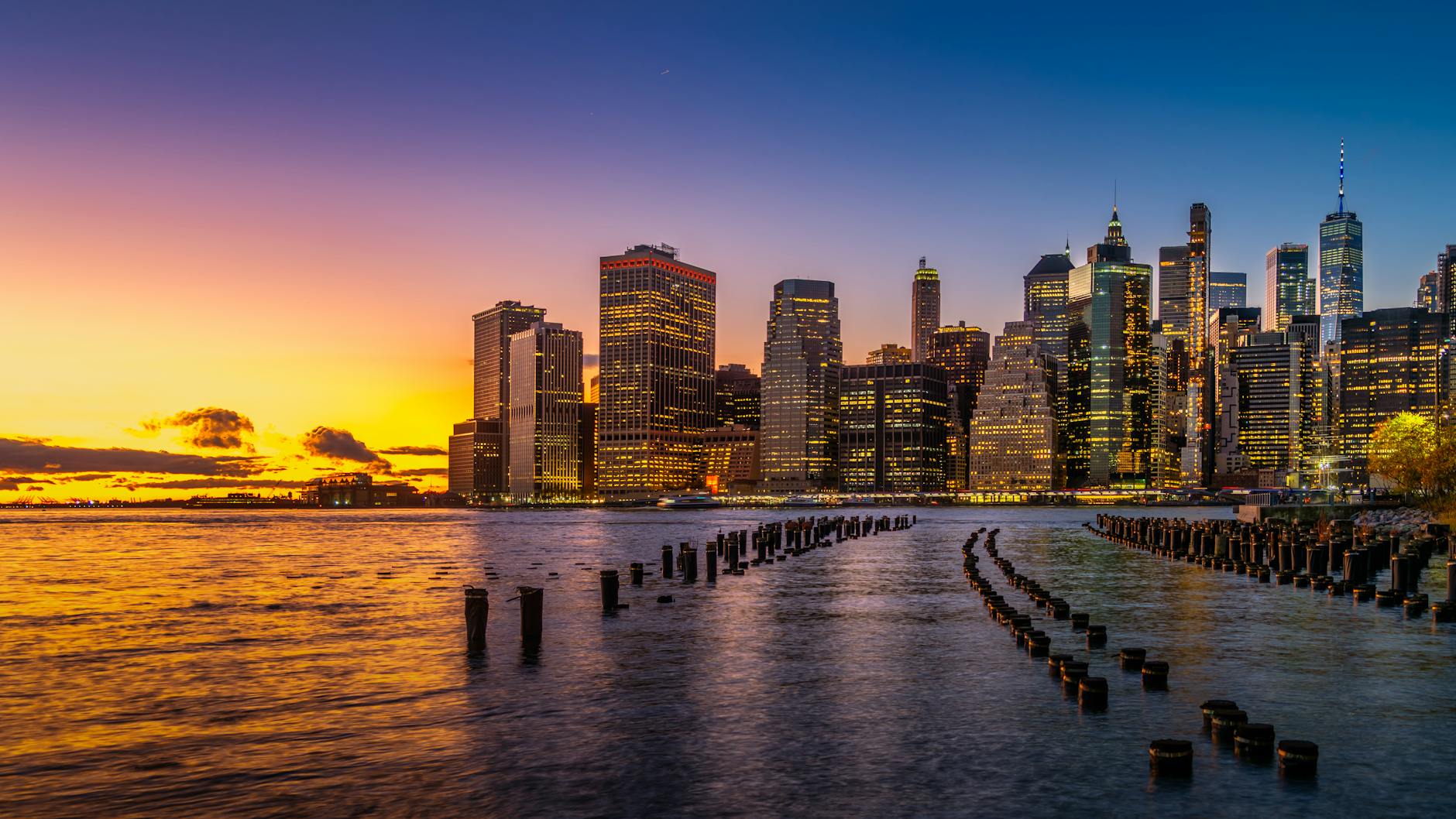
Best NYC Skyline Views (and the Hour I'd Show Up)
Where to actually shoot the NYC skyline — observation decks, bridges, parks, and rooftop bars — with the right hour for each angle from a photographer's perspective.
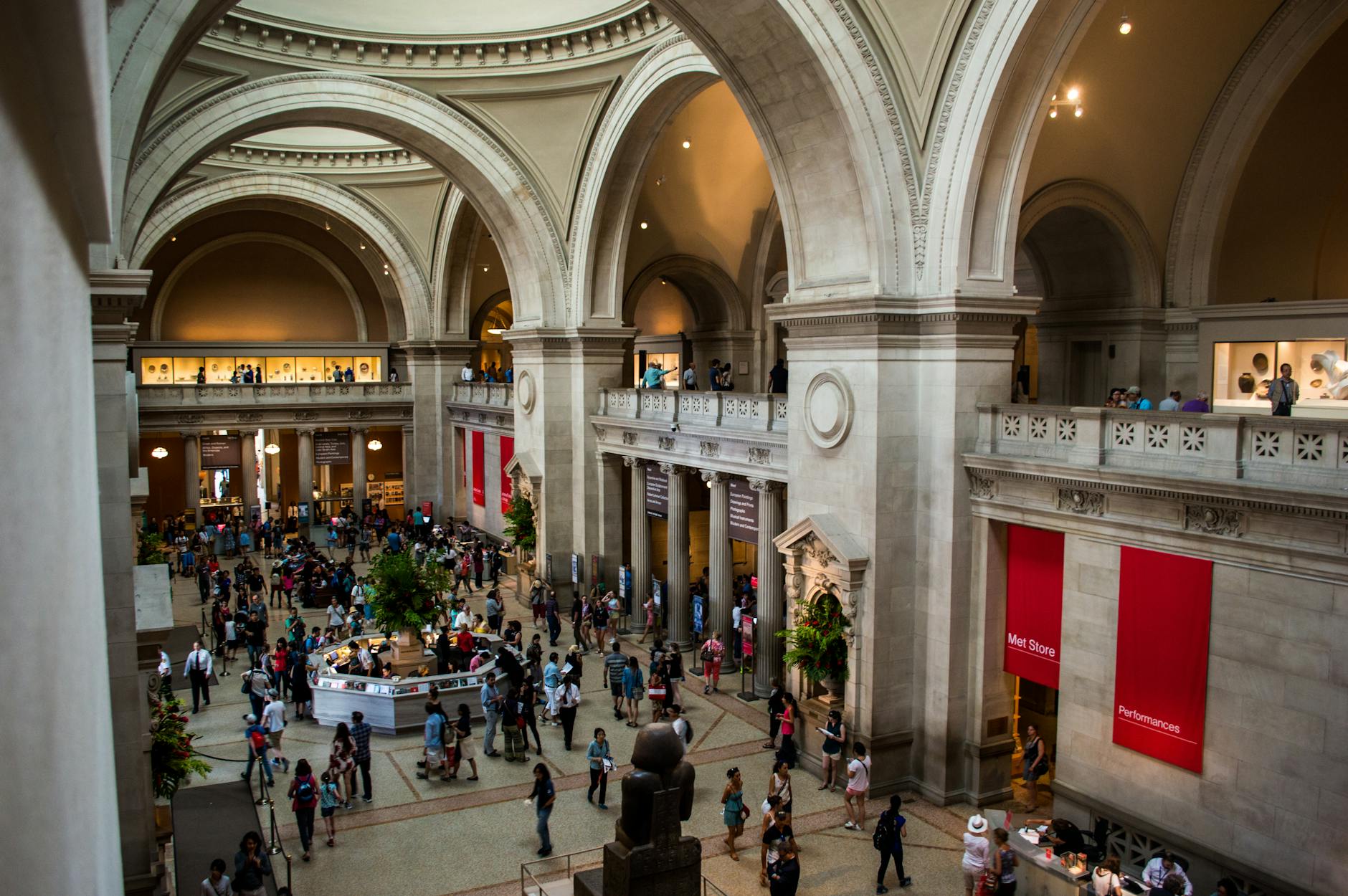
NYC Museum Hopping: Met, MoMA, Whitney, and Hidden Gems
How to actually hit the Met, MoMA, and the Whitney without burning out — plus the smaller NYC museums I'd send anyone to before the famous ones.
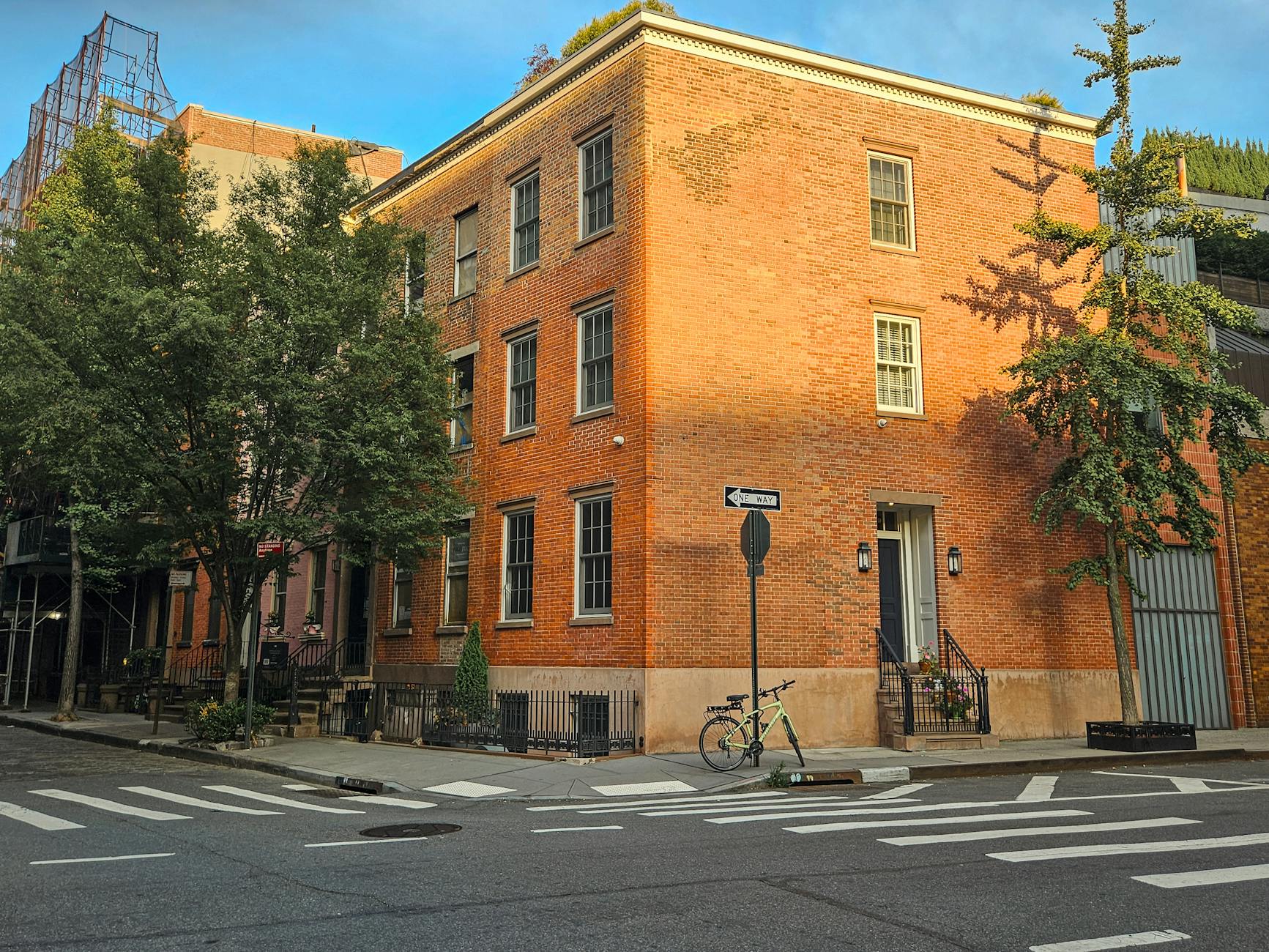
Hidden NYC Gems: 12 Spots Most Tourists Miss
Twelve NYC spots most visitors never make it to — bookstores, gardens, bars, and a few photo angles that don't appear in any guidebook.