Hotel Xcaret Destination Club Membership Tiers Explained
Reviewed for accuracy on Jun 19, 2026
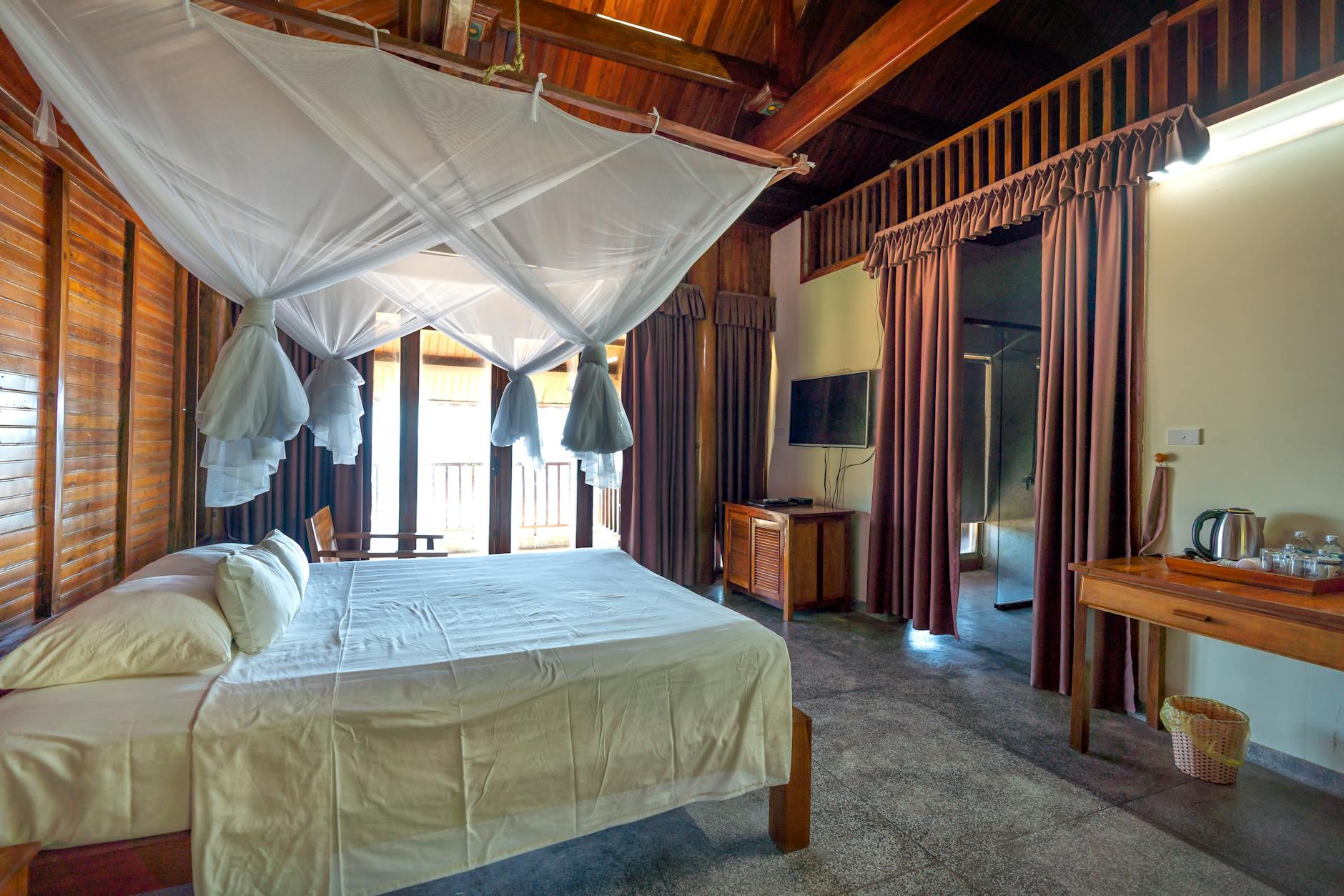
TL;DR: The Destination Club is tiered by the size of your points purchase. Higher tiers buy more annual points, a longer priority-booking window, and a bigger friends-and-family referral cap; lower tiers cost less but constrain how many premium weeks and referrals you get. Match the tier to your honest travel pattern, and verify current specifics with the resort — the program restructures periodically.
When you sit down with a Hotel Xcaret Destination Club rep, the conversation quickly becomes "which tier?" And the honest truth is the tiers aren't complicated once you ignore the marketing names and focus on the three things that actually change. I'm two years in, so let me strip it down.
A caveat first, same as always: the program restructures from time to time, tier names get rebranded, and I'm not going to pretend the exact specs are frozen. Treat everything below as the structure as I understand it in 2026, and confirm the current details directly with the resort.
The three levers that change by tier
Forget the names. Every tier difference comes down to three things:
- Annual points — how many nights and premium weeks you can book per year.
- Priority booking window — how far ahead of the public you can lock inventory.
- Referral cap — how many friends-and-family discounted stays you can extend each year.
That's it. A higher tier costs more buy-in and gets you more of all three. A lower tier costs less and limits all three. Everything else is packaging.
Tiers at a glance
| Lever | Lower tiers | Higher tiers |
|---|---|---|
| Annual points | Fewer — covers 1–2 trips | More — multiple trips/premium weeks |
| Priority booking | Shorter lead time | Longest lead (peak weeks locked early) |
| Referral cap | ~3 per year (typical) | Often higher |
| Buy-in | Bottom of the ~$15K–$50K range | Top of the range |
I'm deliberately keeping the point counts as relative rather than absolute — the actual numbers shift with program changes and I don't want to over-anchor you on a figure that may be stale. The shape is what matters, and the shape is stable: more money buys more points, more lead time, more referrals.
Lever 1: annual points
Points are the currency. Each stay draws from your yearly allotment, and the draw isn't flat:
- Premium weeks cost roughly 2x. Christmas, New Year's, Easter, US spring break. If your only travel window is a holiday, your points buy noticeably fewer nights than the brochure's math implies.
- Higher room categories cost more. Swim-up suites, the larger suites, and Casa de la Playa all draw more points per night than a standard junior suite.
- Overshoot and you're back at cash rates. Run out of points and you book at standard pricing without the leverage you paid for.
This is why the right tier is a function of when and how you travel, not just how often. A family that only travels at Christmas needs more points per trip than a couple doing flexible shoulder-season getaways. The full cost picture, including how points stack with annual maintenance, is in the 2026 cost breakdown.
Lever 2: priority booking window
This is the most underrated tier benefit. Members book ahead of the public — in my experience up to roughly 11–12 months out, with the longest lead going to higher tiers.
Why it matters: peak inventory sells out long before the public window opens. Christmas-week junior suites at Hotel Xcaret México are essentially gone by late summer. As a member I've locked Christmas in January. Spring-break rooms I booked 11 months ahead, and the public window opened to find them nearly sold out.
Tip: If you only ever travel peak weeks, the priority booking window can matter more than the rate discount. Getting the room at all is the win; the 20–25% peak-week discount is the bonus. Prioritize a tier with a long lead time over one with marginally more points.
If your travel is flexible and shoulder-season, the window matters less — there's plenty of inventory in May and late November — and you can comfortably size down a tier.
Lever 3: the referral cap
Here's the lever that quietly decides whether the whole membership pays off. Each tier caps how many friends-and-family stays you can extend at the member rate per calendar year — commonly around 3 on standard tiers, sometimes higher on top tiers or brand-direct packages.
Why it's the hinge: in my own member math, the difference between "marginal" and "clearly worth it" is whether you use referrals. Two personal stays a year barely clears the annual cost. Add a few friends-and-family bookings and the membership repays its buy-in years sooner. If you have a big extended family or a friend group that travels, a higher referral cap can be worth more than extra points. I dig into how that sharing works in sharing member rates with friends.
Which tier fits which traveler
Lowest viable tier — the occasional couple. One or two flexible shoulder-season trips a year, no real plan to refer others. Don't overbuy points you won't spend; unused points are just wasted money. Honestly, this traveler should also seriously weigh whether to buy at all — see the break-even analysis.
Mid tier — the regular family. Two-plus trips a year, occasional peak weeks, a handful of referrals. This is the sweet spot for most members who genuinely use the program. Enough points for premium weeks, a solid booking window, a referral cap you'll actually fill.
Top tier — the superfan / connector. Three-plus trips a year, multiple premium weeks, a large family or friend network you'll refer heavily. The longest booking window and biggest referral cap earn their keep here. This is also the tier where I'd most seriously compare brand-direct against resale, because the extra referral capacity is one of the few things resale sometimes trims.
Resale and tiers
One practical note: the resale market trades all tiers, typically 30–50% below brand-direct. Lower tiers especially can be a bargain on the aftermarket. The trade-off is that resale packages sometimes carry a slightly smaller referral cap or miss a few brand-direct extras. For a lower or mid tier, the resale discount almost always wins. For the top tier where referral capacity is the whole point, get both quotes and compare carefully. The mechanics of how this differs from a deeded product are in Destination Club vs timeshare.
How to right-size your tier in practice
If you're stuck between two levels, this is the exercise I'd run before signing:
- Write down last year's actual travel — every trip, not the aspirational version. Apply it to Hotel Xcaret: which weeks, which room categories, how many nights.
- Convert that to a rough points need. Remember peak weeks draw roughly double and higher room categories draw more. Ask the rep to translate your real itinerary into points, then add a modest buffer — not a generous one.
- Count realistic referrals. Be honest: how many friends or family would actually book a paid Hotel Xcaret stay through you in a year? Zero is a valid answer, and it pushes you toward a lower tier.
- Pick the tier that covers that need, then stop. The buffer is for a slightly bigger year, not for the fantasy version of your travel.
Overbuying points is the most expensive tier mistake because unused points usually don't roll forever, and you've paid buy-in and maintenance to carry capacity you never touch. Underbuying is the cheaper error — you can occasionally book a peak trip at cash rates and still come out ahead of a tier you've outgrown your need for.
The one-line rule
Buy the tier that matches your honest travel frequency and referral usage — no more. The most common membership mistake I see is buying a tier sized for the trips you imagine taking rather than the ones you'll actually take. Right-size it, and the program is a genuinely good deal for a frequent Hotel Xcaret traveler.
Before you commit to any tier, test the rate itself. You can book a single stay at the member rate through my referral, no commitment, via the member-rate request page. And for the broader context on properties and seasons, the Hotel Xcaret destination hub is the place to start.
Not sure which tier — or whether to join at all? Request a member-rate quote. I'll send the member rate for your dates, the public-rate comparison, and an honest read on whether membership makes sense for you. No pitch, 3 referrals a year max.
Bring the trip home
Every photo on York Adventures is shot on location and available as a fine-art print. Browse the gallery to find a frame for your wall, or ask about my Hotel Xcaret member rate before you book.
Free PDF
Get the free Hotel Xcaret Cheat Sheet (PDF)
12 pages of pre-trip booking order, tipping, what's included, and the restaurants to reserve before you fly.
One email — the PDF link, plus the occasional Xcaret tip. No spam, unsubscribe anytime.
Stay in the Loop
Get new photos, stories & exclusive deals straight to your inbox.
Related Posts

Destination Club vs Booking Direct: The Real Break-Even
When does Hotel Xcaret Destination Club membership actually beat booking direct? A 2-year member runs the break-even math by travel pattern.

Hotel Xcaret Destination Club vs Timeshare: The Honest Difference
Is the Hotel Xcaret Destination Club just a timeshare? A 2-year member explains how points, ownership, exit, and resale actually differ — and where they don't.

Hotel Xcaret Destination Club Cost in 2026: Real Numbers
A 2-year member breaks down what the Hotel Xcaret Destination Club actually costs in 2026 — buy-in, annual fees, points, and the all-in number to budget.