The Temazcal at Xcaret: A Mayan Sweat-Lodge Experience
Reviewed for accuracy on Apr 21, 2025
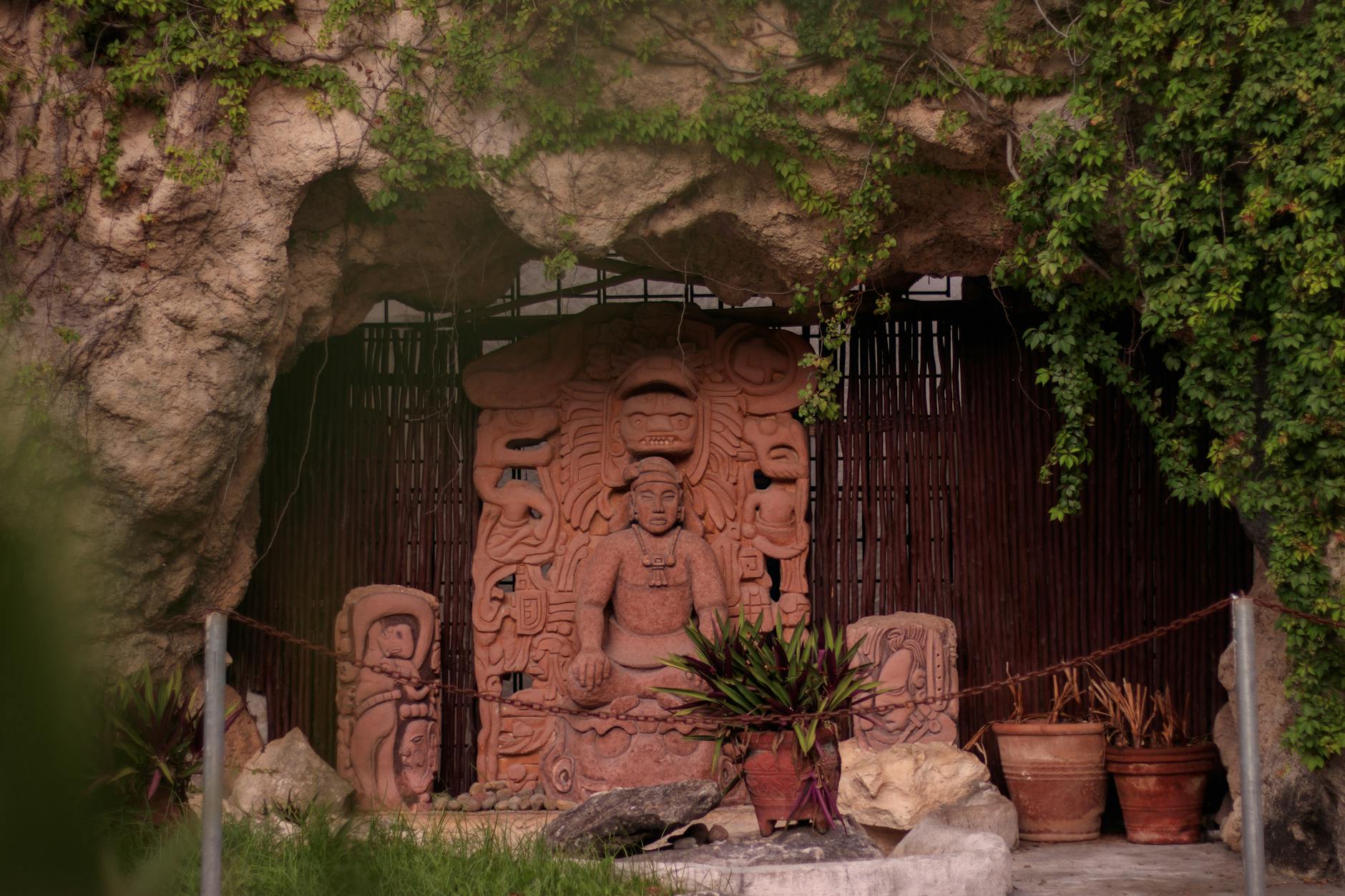
About forty-five minutes into my first temazcal, sitting cross-legged in pitch darkness with twelve strangers and a Mayan shaman pouring water onto a pile of glowing volcanic stones, I started laughing. Not loudly. Not because anything was funny. Just a kind of involuntary release that bubbled up after the third round of intense steam. The shaman heard it, paused his chant, and said something quietly in Mayan that the woman next to me later translated as "yes, that one was for you."
I've done a lot of wellness experiences in a lot of places. The temazcal at Xcaret is the one that stuck with me longest, and the one I'm most likely to recommend when someone asks me what to do in the Riviera Maya beyond the obvious. It's also the one I'm most careful about recommending, because it isn't for everyone.
This is what the Xcaret temazcal actually is, what to expect, and how to decide whether to book it.
What a temazcal actually is
A temazcal is a traditional Mesoamerican sweat lodge ceremony that has been practiced across what is now Mexico and Central America for centuries — predating the Spanish arrival by a long stretch. The structure is a low, dome-shaped chamber, traditionally built of stone or earth, with a small entrance that you crawl through and a central pit where heated volcanic stones (volcanic piedras) are placed. The shaman pours water and herb infusions over the stones to create waves of intense steam.
The ceremony has both physical and spiritual purposes. Physically, it's a deep sweat, intended to cleanse the body. Ritually, it's a return to the womb of the earth, a space for prayer, intention-setting, and community. The four cycles (or "puertas," doors) that structure most ceremonies represent the four directions, the four elements, the four life stages — the symbolism varies by tradition.
The temazcal at Xcaret is run by trained Mayan ceremonialists. It's not a watered-down spa version. It's the real ceremony, performed for guests but with the integrity of the tradition intact.
Where it happens and how to book
The temazcal is held inside Xcaret Park, not at any of the hotels. You'll need a park pass to attend (which all Hotel Xcaret guests have via the All-Fun-Inclusive). The ceremony is offered weekly — typically once or twice a week, on a rotating day — and books out fast. Reserve as soon as you arrive at your hotel by speaking to the front desk or the wellness concierge.
A few practical facts:
- Duration: about 90 minutes inside the temazcal, plus 30 minutes of arrival, briefing, and post-ceremony rest
- Group size: typically 10–14 participants
- Cost: around $90–$130 depending on the package; sometimes included in special wellness retreats
- Schedule: ask the wellness desk; the day rotates and slots fill 2–3 days in advance
- Age: generally for adults; not appropriate for children or for pregnant women
- Language: the shaman speaks Mayan and Spanish; an English-speaking host translates and walks you through the format beforehand
The ceremony is held in a traditional structure inside the park, in a quiet area away from the main attractions. You'll be guided to it from a meeting point.
The pre-ceremony briefing
About 30 minutes before the ceremony begins, you meet your group in an outdoor staging area. There's an English-speaking host who explains the format, talks through the ritual structure, and answers questions. The shaman is present but mostly silent during this part, smudging the area with copal smoke and preparing the stones.
The host will explain:
- The four-puerta structure and what each represents
- That you can leave at any time if you need to (you can; nobody will judge you)
- How to position yourself once inside (cross-legged, low, close to the floor where the air is coolest)
- That the ceremony involves chanting, water poured on stones, herbs, copal smoke, and at moments total darkness
- That you should not eat heavily beforehand, should hydrate aggressively, and should remove jewelry and contacts
You're given a chance to set an intention before entering — a question, a wish, a person you want to send energy to, a feeling you want to release. Most people set one. You don't have to share it out loud.
Then the shaman invites you in, one at a time, and you crawl through the low entrance into the dim chamber.
Inside the temazcal
The temazcal at Xcaret is larger than some traditional ones — it accommodates 12–14 sitters around a central pit. You sit on the earthen floor in a circle, cross-legged, your back against the curved wall. The pit holds 8–10 large volcanic stones glowing dull red from the fire outside.
Once everyone is in, the entrance flap closes. The light goes from dim to almost nothing — only the faint red glow from the stones in the center. The shaman begins.
There are four puertas, each lasting roughly 20 minutes. Each opens with a chant in Mayan, includes the pouring of water and herb infusions onto the stones, builds through waves of intense steam, and closes with a brief opening of the entrance flap to let in cool air and a moment of rest.
Each puerta has a focus:
- The first puerta is about the earth and your physical body. The heat is moderate, the chants are introductory, and the format gives you time to settle.
- The second puerta is about water and emotion. The shaman pours more, the steam intensifies, and the chants become more rhythmic.
- The third puerta is about fire and intention. This is the most intense of the four. The heat is genuinely demanding. The chants become urgent. Many people cry, laugh, or release something here without intending to.
- The fourth puerta is about wind, breath, and integration. The heat eases slightly, the rhythm slows, and the format closes with a chant of gratitude.
The third puerta is the one that defines the experience. If you're going to consider leaving, it'll be then. The advice I was given the first time — and that I'd pass along — is to lower your head closer to the floor, breathe through your mouth slowly, and stay. The puerta passes. What's on the other side of it is the reason most people who do a temazcal once want to do another.
Between puertas the entrance flap opens, cool air rushes in, and you have a minute or two of relative relief before the next round begins.
What it actually feels like
The honest version. The heat is intense — more than a sauna, less than the inside of a kiln. The humidity is near-total because of the steam. The smell is a mix of copal resin, eucalyptus, and other Mayan herbs that I couldn't identify. The darkness is complete enough that after a few minutes you can't quite tell where your body ends.
Physically, the experience is somewhere between an intense workout and a deep meditation. You sweat profusely. Your heart rate elevates. Your breathing becomes the most important thing in the world — slow nasal breathing in the easier moments, slower mouth breathing in the heavier ones.
Emotionally, things rise. People cry. People laugh. People sit silently and process. Whatever you brought into the chamber as your intention will likely come up in some form during the third or fourth puerta. There's no narrative pressure to perform any particular reaction — the shaman holds space for whatever happens.
When the final puerta closes and the flap opens for the last time, you crawl out into the cool air and the world feels different. Lighter, almost. You'll be wet head to toe with sweat and clay. You'll be slightly dizzy. You'll be quiet.
What to wear and bring
Practical guidance:
- Wear a swimsuit. Bathing suits are standard. Some people wear loose cotton shorts and a t-shirt.
- Bring a towel. The resort towel works fine. You'll want it for after.
- Bring a water bottle. Drink a full liter in the hour leading up.
- Skip jewelry. Heat plus metal is uncomfortable.
- Skip makeup. It will not survive.
- Tie back long hair. Heat near the scalp is more intense than you'd think.
- Eat lightly beforehand. A small meal 2–3 hours before. Not on an empty stomach, not on a full one.
Wear something into the ceremony that you don't mind getting clay-stained. The earthen floor is real earth.
What happens afterward
You're led to a quiet area outside the temazcal where there's water, herbal tea, fresh fruit, and a place to sit. The shaman often speaks briefly to the group, sometimes in Mayan with translation, about what was held in the ceremony. People mostly sit in silence. Some cry quietly. Some hug strangers. Most are processing something internal that doesn't have words yet.
You're encouraged to take the rest of the afternoon slowly. Don't book a high-energy activity for after. Don't go straight to a buffet dinner. The resort's quietest pool, a long shower, and a light meal in your room are the right next steps.
Who should and shouldn't book
Strong fit:
- People interested in indigenous and pre-Hispanic culture who want a real ceremony, not a tourist version
- Wellness travelers comfortable with intensity, heat, and emotional content
- Solo travelers — the ceremony is genuinely solo even in a group, and many of my best memories are from temazcals I did alone
- People who've done sweat lodges, banyas, or extreme heat rituals before and want a Mayan version
Weak fit:
- People with cardiovascular issues, high blood pressure, or heat sensitivity (consult a doctor first)
- Pregnant women (typically not permitted)
- Anyone uncomfortable with darkness, enclosed spaces, or extended physical discomfort
- People who want a "spa" experience — this isn't that, and showing up expecting that creates the wrong frame
- Anyone trying to fit it into a busy day — you need quiet hours afterward, not a packed schedule
If you're hesitant, the shaman and host are good at reading the room. You can talk to them before the ceremony if you have questions about safety, claustrophobia, or what to expect.
What I'd do differently
The first time I did the temazcal, I went straight from the ceremony to a rooftop dinner with friends. I was not present for the dinner. I was raw, distracted, and trying to hold a normal conversation when my nervous system was somewhere else. By dessert I was making excuses to leave.
The second time I scheduled the temazcal for the late afternoon and went straight back to my room afterward. Light dinner from room service, an early bed, and the integration was so much better. The trip's quietest evening became the trip's most memorable one.
If you're going to do a temazcal at Xcaret, give it the next 4–6 hours afterward. Don't sandwich it between a snorkel tour and an evening show. Treat it as the centerpiece of the day.
Final thoughts
The temazcal at Xcaret is the most distinctive wellness experience on the property and probably the most distinctive cultural experience that doesn't involve travel outside the resort. It's not the right pick for everyone, and the marketing copy doesn't quite capture how intense or how meaningful it is. But for the right traveler — curious, open, willing to sit with discomfort, interested in Mayan tradition — it's the experience I'd recommend most strongly out of everything available.
For the broader wellness picture across the property, my complete wellness guide covers spa, yoga, sound healing, and more. The Spa Muluk review and the treatments worth booking guide cover the more conventional spa side. And if you want a sense of which optional Xcaret experiences are worth the extra cost, the optional Xcaret experiences guide puts the temazcal in context with the other paid add-ons.
Book it for mid-trip. Block the rest of the afternoon. Bring an intention. Let what happens happen.
Bring the trip home
Every photo on York Adventures is shot on location and available as a fine-art print. Browse the gallery to find a frame for your wall, or ask about my Hotel Xcaret member rate before you book.
Free PDF
Get the free Hotel Xcaret Cheat Sheet (PDF)
12 pages of pre-trip booking order, tipping, what's included, and the restaurants to reserve before you fly.
One email — the PDF link, plus the occasional Xcaret tip. No spam, unsubscribe anytime.
Stay in the Loop
Get new photos, stories & exclusive deals straight to your inbox.
Related Posts
Yoga and Meditation at Hotel Xcaret: My Daily Practice on Property
What it actually looks like to build a daily yoga and meditation practice during a Hotel Xcaret stay — schedule, instructors, beach venues, and what to skip.
Wellness Experiences at Hotel Xcaret: A Complete Guide
Spa treatments, yoga, temazcal, sound healing, cenote ceremonies. The full wellness map across the Hotel Xcaret properties, with what to book first.
The Hammam Steam Ritual at Spa Muluk: Step-by-Step Walkthrough
Most people walk into the Spa Muluk hammam without knowing what to expect. Here's the full ritual, phase by phase, and how to get the most out of it.