9 Best Baja Photo Spots (Including the Best Time for the Arch)
Reviewed for accuracy on Feb 27, 2026
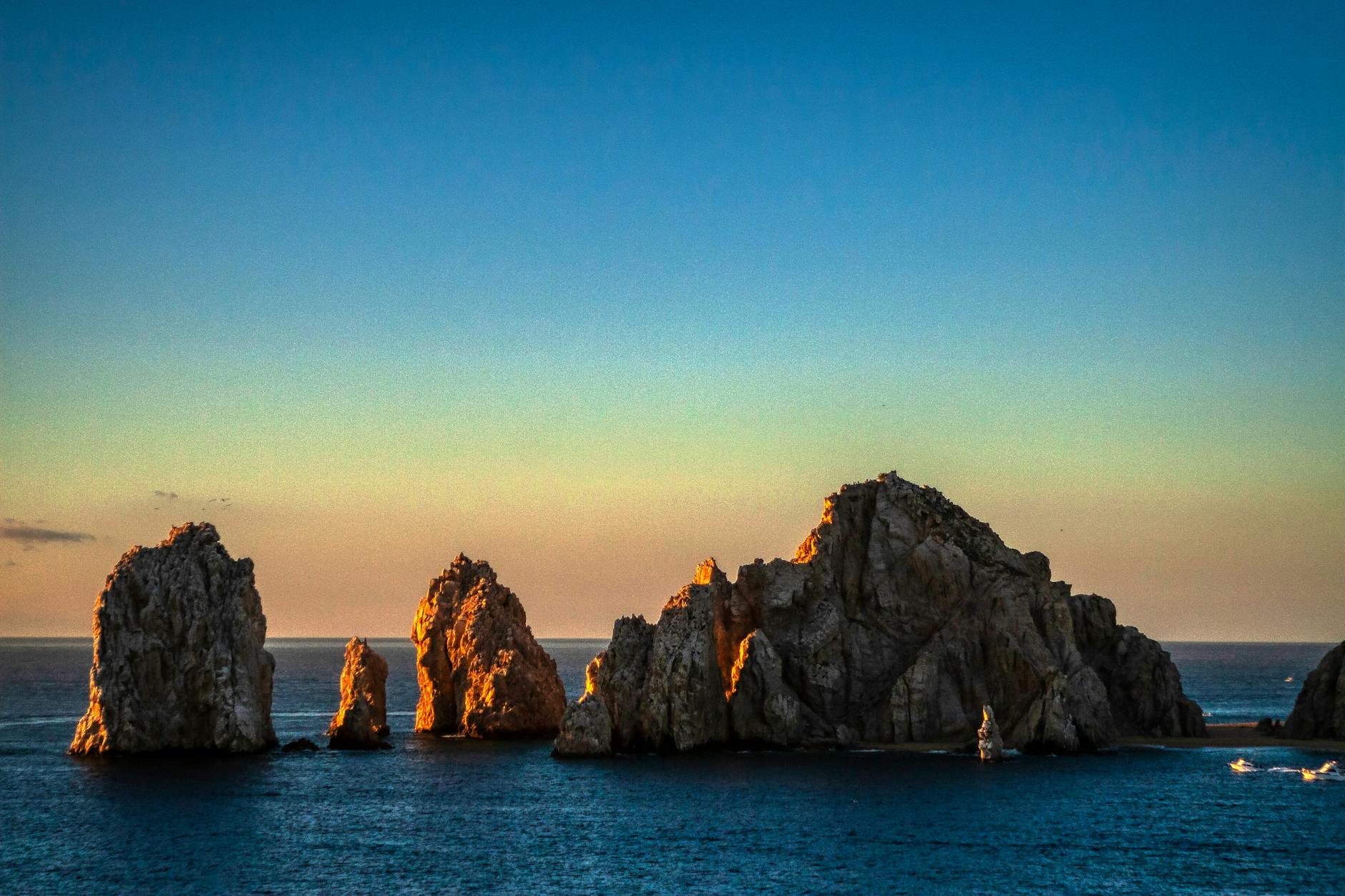
Baja photographs unreasonably well. The light is dramatic, the contrast between the desert and the Sea of Cortez is unfair to most other coastlines, and the iconic shapes — El Arco, the Espíritu Santo cliffs, the East Cape coves — are some of the most photographable things in Mexico.
But almost everyone shoots them at the wrong time of day. Here are the nine spots I keep going back to, the time of day each one looks best, and a note on what to bring.
1. El Arco at Land's End (Cabo San Lucas)
The headline shot. The natural arch where the Pacific meets the Sea of Cortez at the very tip of Baja. Almost every photo you've seen of Cabo includes it.
Best time: Sunrise, by water taxi from Médano Beach. The sun rises behind the arch from this angle and you'll get backlit silhouettes of the rock spires plus golden light on Lover's Beach. By 9 AM the catamaran tours arrive and the angle gets crowded.
Sunset works but you're on the wrong side of the light — the sun sets to the west and the arch faces northeast, so you'll get a lit arch with a flat sky behind. Better for video than for stills.
Lens: Wide (16-35) for the full Land's End scene; mid-tele (70-200) for tighter shots of the arch from the water.
I covered the practical side of getting out there in the first-timer's Cabo guide.
2. Sunset Mona Lisa cliffside (Los Cabos corridor)
The long view back at El Arco from the cliffside above the corridor. This is the one that looks like Big Sur if Big Sur had granite spires and turquoise water.
Best time: 30 minutes before sunset, from the patio at Sunset Mona Lisa restaurant. Book the early seating in winter, the second seating in summer. The light hits the granite at the perfect rake angle.
Lens: 24-70 covers it. A polarizer cuts glare on the water.
3. Balandra Beach (La Paz)
The shallow turquoise bay 25 minutes from La Paz. Famous for the rebuilt mushroom rock and the hundred-meter wade-in shallow water.
Best time: First light, before the day-trippers arrive. The bay faces east, so sunrise gives you warm light on the western dunes with the bay in cool shadow. By 10 AM the angle flattens and the crowd doubles.
Lens: Wide (16-35) for the full bay; drone if you have one and the rules currently allow (check before flying — protected area).
A polarizer is essential here. The shallow water glare without one is brutal.
4. Espíritu Santo island cliffs (La Paz)
The pink-and-orange volcanic cliffs of the island, shot from a panga in the morning. The colors are real — they don't need editing.
Best time: Mid-morning on a clear day, around 10 AM, with the sun behind your boat. The cliffs glow.
Lens: A 24-105 zoom covers most compositions. Bring a wide if you want the deep cove shots from inside the bays.
If you're doing the Cabo to La Paz road trip, the Espíritu Santo day is your single best photography day of the trip.
5. Sea lions at Los Islotes (Espíritu Santo)
The rock outcrop where the sea lion colony lives, at the north end of Espíritu Santo. The shot is either from the boat (sea lions on rocks against the sky) or in the water (sea lions playing under you in 30 feet of water).
Best time: Mid-morning, when the sun is high enough to penetrate the water and light up the swims. From the boat, late afternoon is also great.
Lens: Above water — 70-200 for portraits of the colony, 24-70 for context. Below water — a GoPro or any wide-angle action cam works fine; the sea lions get close enough that you don't need reach.
The first time I dropped a GoPro into the water at Los Islotes, a juvenile sea lion swam right at the lens, blew bubbles, and looped around my head. The footage looks faked. It isn't. They're like puppies.
6. Cabo Pulmo reef (East Cape)
Underwater photography on the densest fish reef in the Sea of Cortez. Not the easiest shoot, but the result is some of the wildest underwater images you can get within reach of Cabo.
Best time: Sunrise panga, October through December for visibility, when the morning light cuts down through the water column.
Lens: A wide-angle dome for any real shot — the schools are huge and you need the fish-and-water-and-light combination. A GoPro works for memory shots but not for serious work.
I broke down the reef itself in the Cabo Pulmo snorkel post.
7. Todos Santos rooftops at sunset
The town faces the Pacific from a low mesa, and the rooftop bar at La Bodega de Todos Santos catches both the desert mountains behind town and the Pacific in front of it. The contrast at sunset is what you came for.
Best time: Golden hour, year-round. In winter the sun sets earlier and lower; in summer the angle is harder.
Lens: Anything 24-70 covers the rooftop compositions. A 100-400 if you want to compress the desert mountains.
For the broader Todos Santos day, see the day trip post.
8. Playa Los Cerritos (Todos Santos)
The Pacific beach 15 minutes south of Todos Santos. Surfers, breaking waves, dramatic cliffs at both ends, and humpback whales offshore in winter.
Best time: Sunset, year-round. The light backlights the surf and the spray catches it. In winter, breaching humpbacks make for unbelievable telephoto compositions.
Lens: 70-200 for the surfers and the whales; wide for the beach landscape; 100-400 if you're hunting whale breaches from shore.
9. The East Cape Road, anywhere
The dirt road between San José del Cabo and La Ribera doesn't have a single famous spot — the whole drive is the spot. Empty crescent coves, dramatic cliff drops, cardón cactus against the Sea of Cortez. Every five minutes you'll want to pull over.
Best time: First two hours after sunrise, or last two hours before sunset. Mid-day is harsh and flat.
Lens: Whatever's on your camera. A wide for the landscape, a tele for compression of the desert mountains against the water.
The drive is its own day. Bring water, gas, and time.
Gear notes for Baja photography
A short list:
- A polarizer. Non-optional. Cuts the water glare and saturates the sky.
- A rain cover or zip bag. Salt mist on a panga gets into everything.
- A microfiber cloth and lens cleaner. Salt residue dries on glass faster than you think.
- Backup battery. The heat in Baja chews through them.
- A neutral density filter if you want long exposures of the surf or the panga wakes.
- A drone is fine in most areas but check current rules at Balandra, Cabo Pulmo, and Espíritu Santo — protected areas have changed restrictions over time.
A few quick rules
Mexico isn't picky about photography in most places, but a few notes:
- Don't photograph people without asking. The street vendors will say yes; the kids' parents probably won't.
- Don't photograph any government buildings or police. It's not illegal, it's just trouble.
- Drone laws change. Check before you fly. The penalties for an unauthorized flight in a protected area are real.
What I'd do differently
The first Baja trip I brought way too much gear and used 20% of it. Now I bring one body, three lenses (wide, normal zoom, 70-200), one polarizer, and one drone. That's the kit. Everything else stays home.
The other thing I'd change — I'd shoot more sunrises. The sunrise El Arco shot is the one I'm most happy with from any Baja trip. It also took the least effort to get and there were three other photographers on the entire beach.
Final thoughts
Baja photographs at the level of Iceland or Patagonia and almost nobody shoots it like one. The crowds are at sunset; the light is at sunrise; the wide-angle landscapes are on the East Cape, where most tourists never get to. If you bring a real camera and you're willing to set an alarm, you'll come home with images that look like you went somewhere most people don't.
For the bigger Baja context, the travel guide is where I'd start.
Bring the trip home
Every photo on York Adventures is shot on location and available as a fine-art print. Browse the gallery to find a frame for your wall.
Stay in the Loop
Get new photos, stories & exclusive deals straight to your inbox.
Related Posts
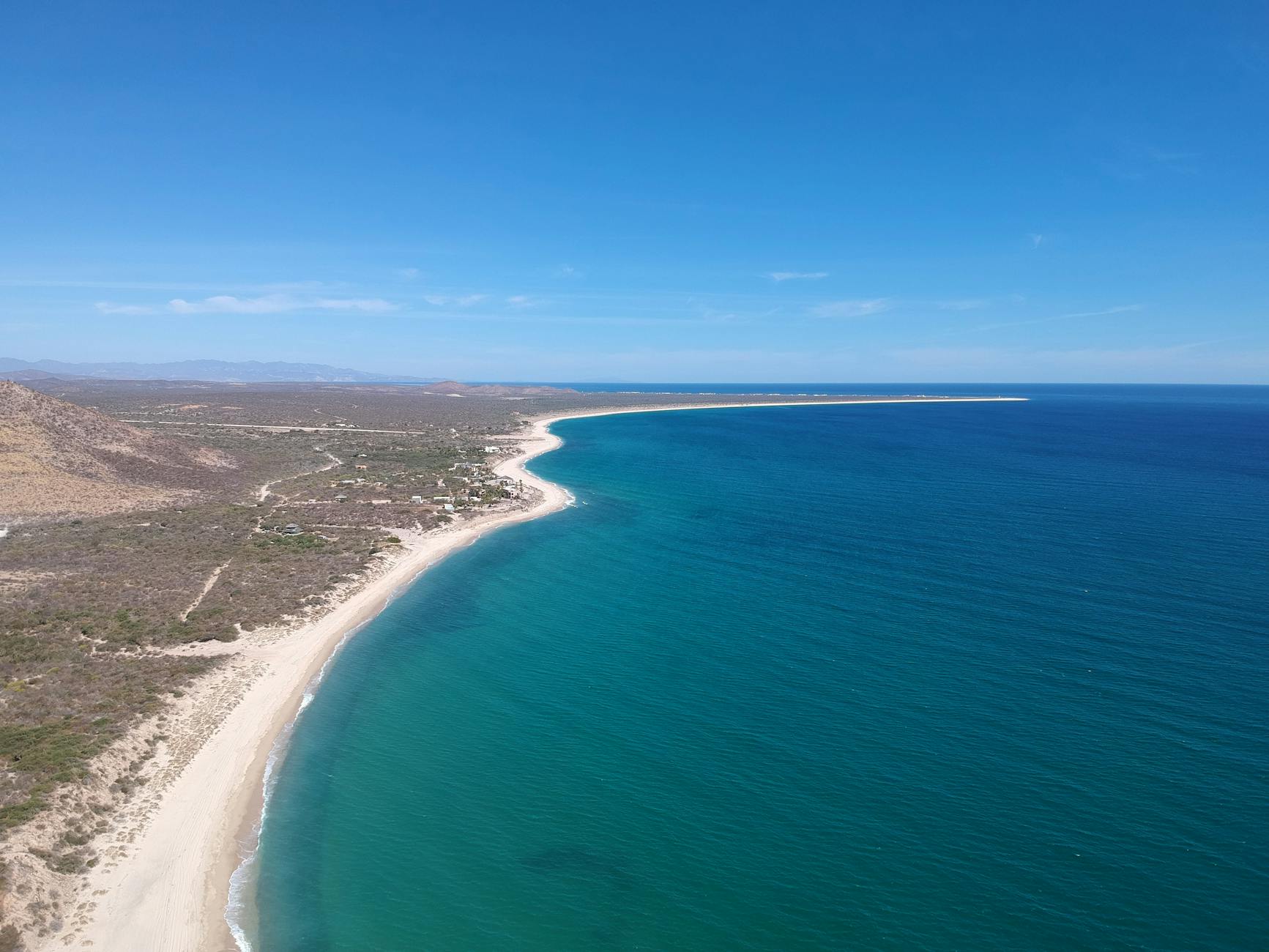
The 8 Best Beaches in Baja (Cabo, East Cape, and a Few Locals Hide)
Eight Baja beaches I'd send a friend to without hesitation — from the famous turquoise of Balandra to the empty East Cape coves locals quietly love.
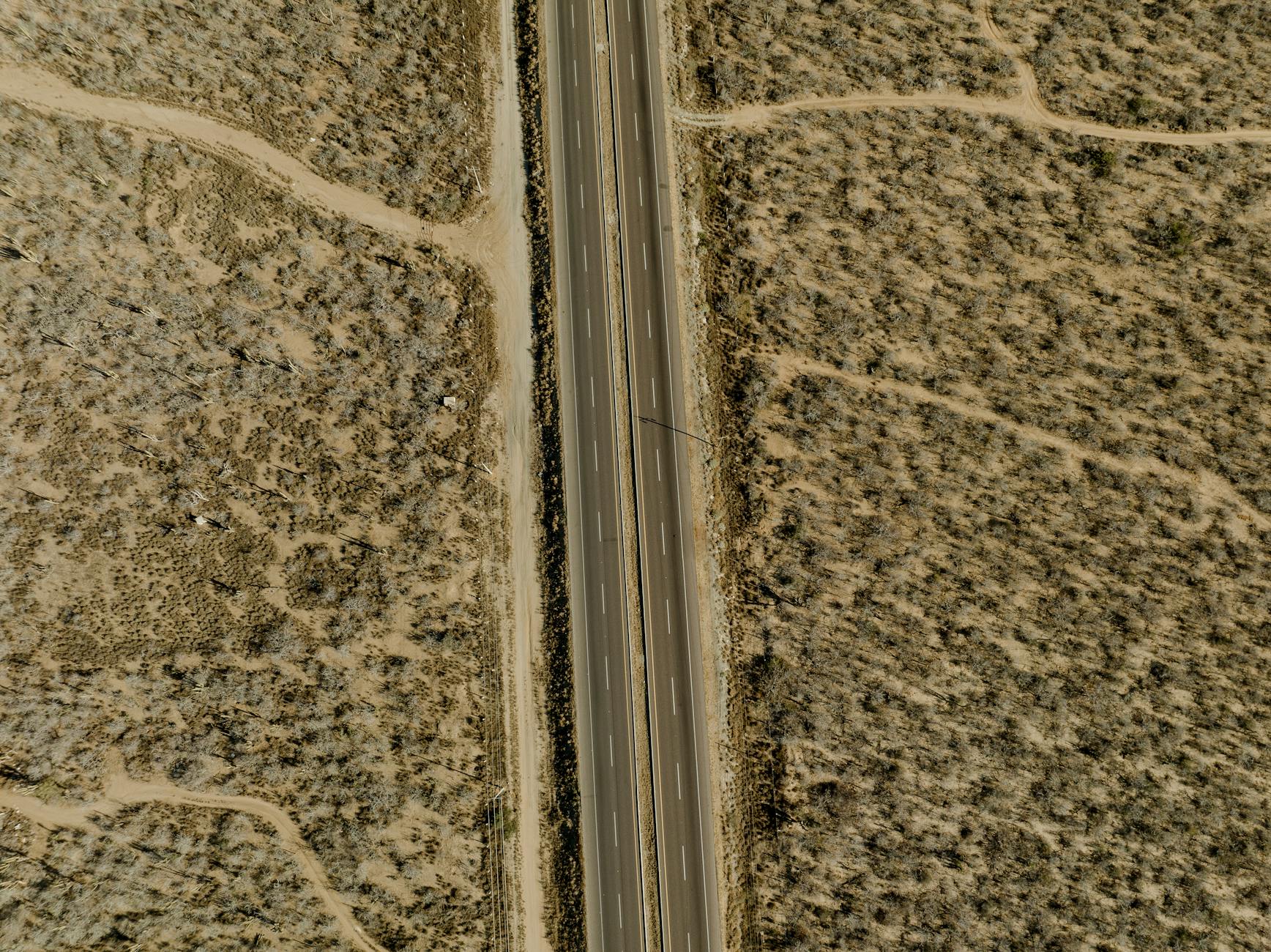
Baja Road Trip: A 5-Day Cabo to La Paz Itinerary
Five days, one rental car, and the best of southern Baja. Here's the Cabo to La Paz road trip itinerary I keep recommending — Cabo Pulmo, Todos Santos, and Espíritu Santo island.
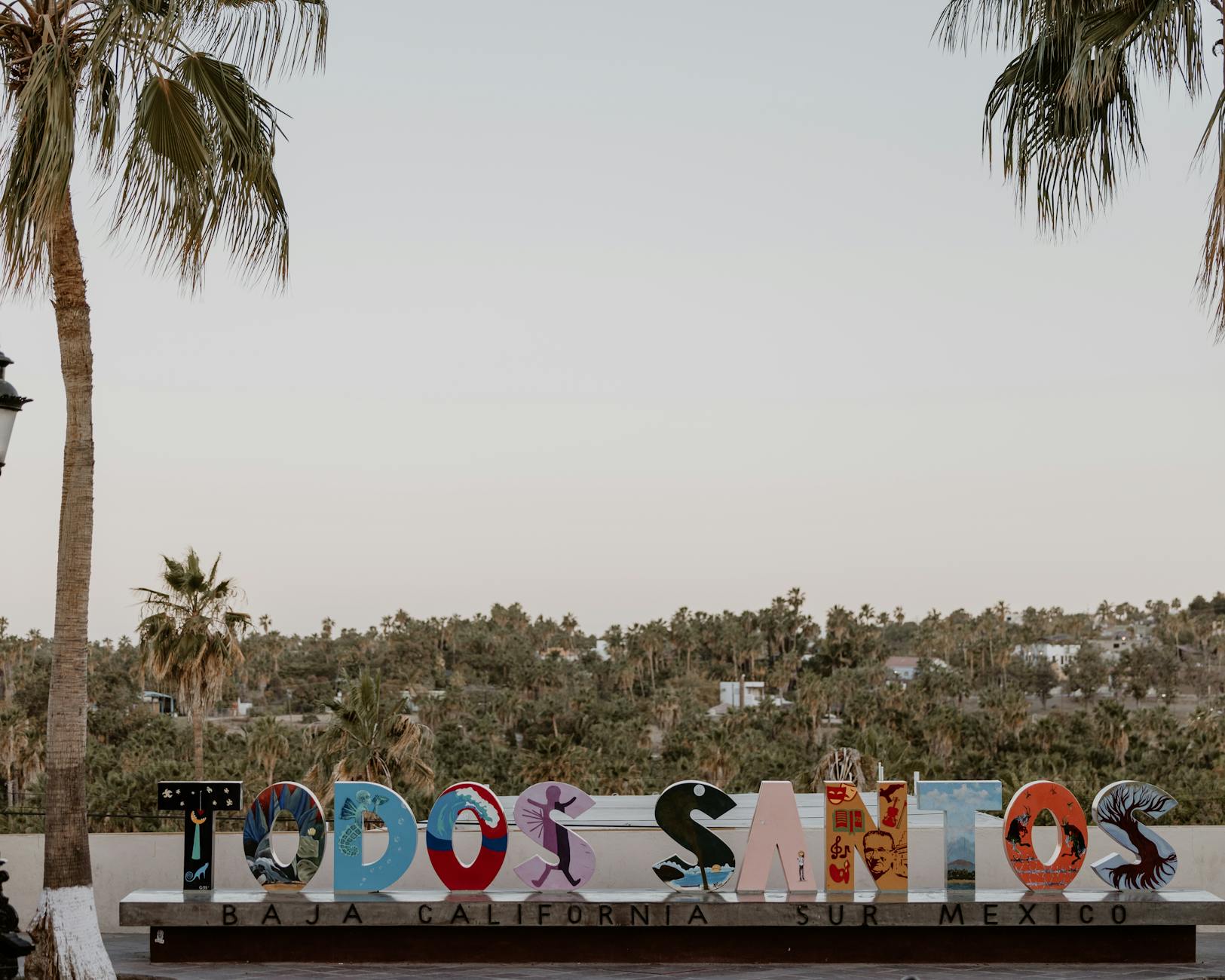
Todos Santos Day Trip From Cabo: Worth the Drive?
Hotel California, Pacific surf, art galleries, and an hour of desert in between. Here's whether the Todos Santos day trip from Cabo actually earns the drive.