Cenotes Near Xcaret: Swimming in the Yucatán's Underground Rivers
Reviewed for accuracy on Mar 15, 2026
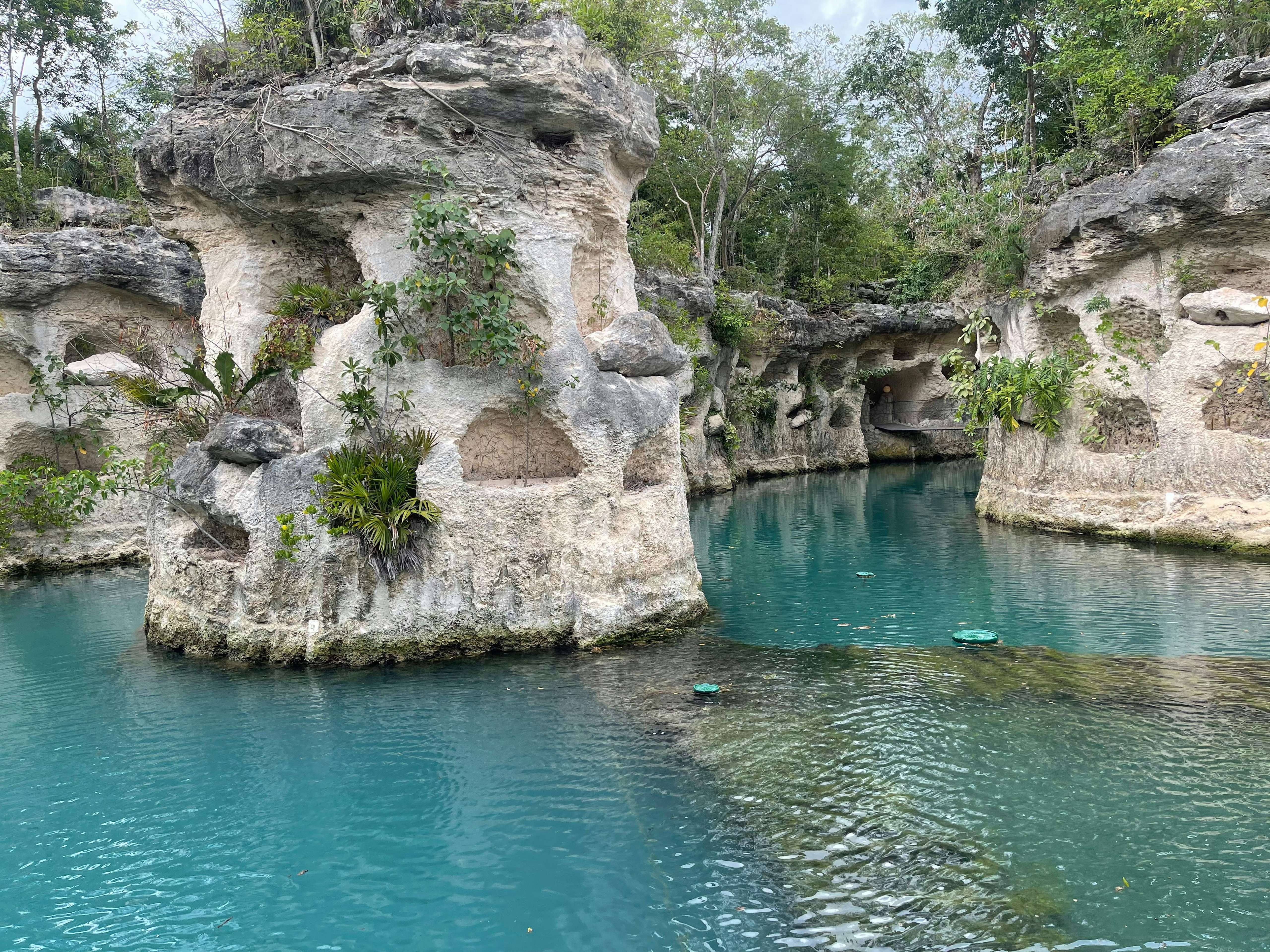
Cenotes Near Xcaret: Swimming in Underground Rivers
The Yucatán Peninsula sits atop a vast platform of porous limestone, beneath which flows one of the most extraordinary underground river systems on Earth. Where the limestone ceiling has collapsed, cenotes appear — natural sinkholes filled with impossibly clear freshwater, filtered through millions of years of rock. The ancient Maya considered cenotes sacred portals to Xibalba, the underworld, and modern visitors quickly understand why. There is something profoundly otherworldly about descending into these subterranean chambers and floating in water so transparent it seems to disappear beneath you.
What Exactly Is a Cenote?
The word "cenote" derives from the Yucatec Maya word "dzonot," meaning sacred well. Geologically, cenotes form when acidic rainwater dissolves the soft limestone bedrock over thousands of years, creating underground caverns. When the roof of a cavern becomes too thin to support itself, it collapses, revealing the freshwater pool below. The Yucatán has an estimated 6,000 to 10,000 cenotes, though many remain undiscovered, hidden beneath dense jungle.
Cenotes come in four main types: open cenotes that look like natural pools, semi-open cenotes partially covered by rock overhangs, cave cenotes entirely underground, and ancient cenotes that have become shallow aguadas over millennia.
Cenotes Inside Xcaret Park
Xcaret Park itself features some of the most accessible cenote experiences in the Riviera Maya. The park's underground river system — three interconnected channels that wind beneath the jungle — lets you float through cenote-like environments with the convenience of provided life vests, lockers, and staff along the route. It's an ideal introduction for anyone who's never experienced a cenote before.
The Best Cenotes Near Xcaret
Cenote Azul (4 km south)
Just a few minutes' drive south of Xcaret on the highway, Cenote Azul is a large open cenote that's perfect for families. The main pool is about 90 meters across with depths varying from shallow wading areas to sections over 40 meters deep. The water is a mesmerizing shade of blue-green, and the surrounding jungle provides natural shade. There's a small restaurant on-site serving cold drinks and snacks. Entry is affordable at around 150 pesos.
Cenote Jardín del Edén (12 km south)
Also known as Cenote Ponderosa, this stunning open cenote near Xpu-Há is surrounded by lush vegetation and has crystal-clear water with visibility exceeding 30 meters. It's popular with both swimmers and certified divers, as an underwater cave system extends deep into the limestone. The cenote has natural rock platforms at various heights for jumping in — the highest is about 5 meters. A rope swing adds to the fun. It tends to get crowded by midday, so arrive early.
Cenote Chaak Tun (35 km north, near Playa del Carmen)
For a more adventurous experience, Cenote Chaak Tun requires you to wear a helmet and headlamp as you navigate semi-submerged caves. The formations here are extraordinary — massive stalactites hang from ceilings just above the waterline, and stalagmites rise from underwater like ancient columns. Guided tours are mandatory, which ensures both safety and a deeper understanding of the geology. This cenote is less visited than others, lending it an exploratory feel.
Gran Cenote (75 km south, near Tulum)
Widely considered one of the most beautiful cenotes in Mexico, Gran Cenote is worth the drive from Xcaret. The cenote features both open-air swimming areas and covered cave sections connected by wooden walkways. Snorkeling here is exceptional — the water is so clear that fish, turtles, and underwater formations appear almost hyperreal. Small freshwater turtles often swim alongside you. Arrive before 10 AM to beat the crowds.
Cenote Dos Ojos (70 km south)
One of the world's most famous cenotes, Dos Ojos ("Two Eyes") is named for its twin connected sinkholes. This is a premier diving destination — the underwater cave system extends for over 80 kilometers, making it one of the longest in the world. Snorkelers can explore the cavern zone near the entrance, where sunlight filters through the ceiling and illuminates the water in ethereal shafts of light. The "Bat Cave" section is particularly atmospheric.
Xenotes by Xcaret (various locations)
Grupo Xcaret operates an excellent cenote tour called Xenotes, which takes you to four different cenotes in a single day — one of each type (open, semi-open, cave, and ancient). Activities include rappelling, zip-lining, kayaking, and snorkeling. The tour includes transportation, equipment, lunch, and expert guides. It's the most comprehensive cenote experience you can book in the area.
Safety Tips for Cenote Swimming
- Always wear a life vest in unfamiliar cenotes. Depths can be deceptive, and cold water at deeper levels can cause cramping.
- Never dive headfirst unless you know the depth. Many cenotes have shallow shelves near their edges.
- Use only biodegradable sunscreen — or better yet, rinse off all sunscreen before entering. These are fragile ecosystems.
- Don't touch formations. Stalactites and stalagmites take thousands of years to form and can be destroyed by a single careless hand.
- Respect posted rules. If a cenote prohibits jumping or diving in certain areas, there's a reason.
- Bring waterproof camera gear. The photographic opportunities are extraordinary, but phones in plastic bags rarely produce good results.
The Spiritual Dimension
For the Maya, cenotes were far more than swimming holes. They were the dwelling places of Chaac, the rain god, and served as sites for offerings, ceremonies, and even human sacrifice during times of drought. Archaeological expeditions have recovered jade, gold, pottery, and human remains from cenotes throughout the Yucatán. When you swim in these waters, you're literally immersing yourself in thousands of years of human history and belief.
That spiritual dimension lingers. There's a quality of silence in cenotes — a cathedral-like hush broken only by the drip of water from limestone ceilings — that invites reflection. Whether or not you share the Maya's cosmological beliefs, floating in a cenote is an experience that touches something deep and primal. It's one of the great privileges of traveling in the Yucatán.
Bring the trip home
Every photo on York Adventures is shot on location and available as a fine-art print. Browse the gallery to find a frame for your wall, or ask about my Hotel Xcaret member rate before you book.
Free PDF
Get the free Hotel Xcaret Cheat Sheet (PDF)
12 pages of pre-trip booking order, tipping, what's included, and the restaurants to reserve before you fly.
One email — the PDF link, plus the occasional Xcaret tip. No spam, unsubscribe anytime.
Stay in the Loop
Get new photos, stories & exclusive deals straight to your inbox.
Related Posts
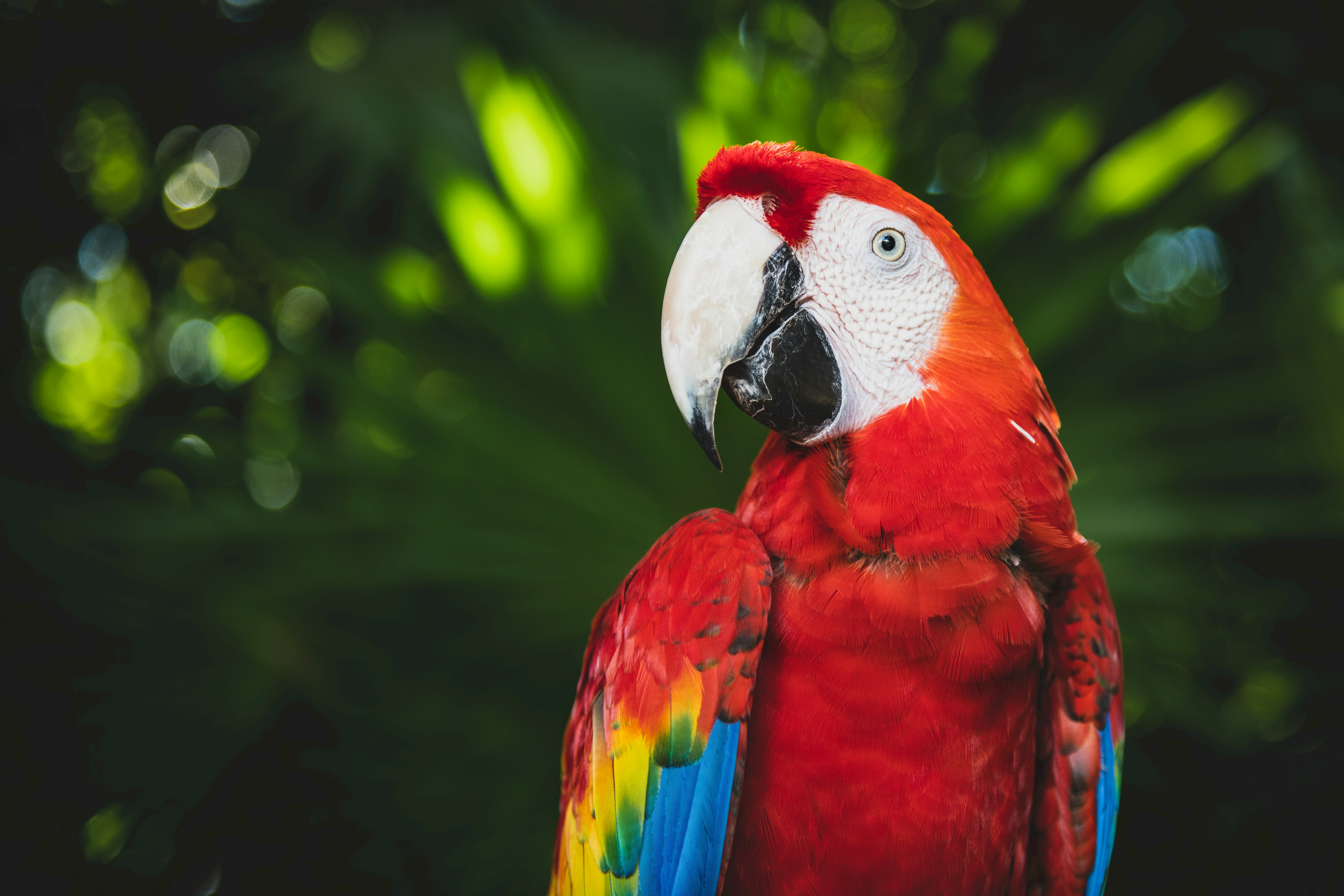
Wildlife at Xcaret: Sea Turtles, Scarlet Macaws & Conservation in Action
Xcaret is home to one of Mexico's most important wildlife conservation programs. From hatching sea turtles to breeding endangered scarlet macaws, here's what you'll see — and why it matters.
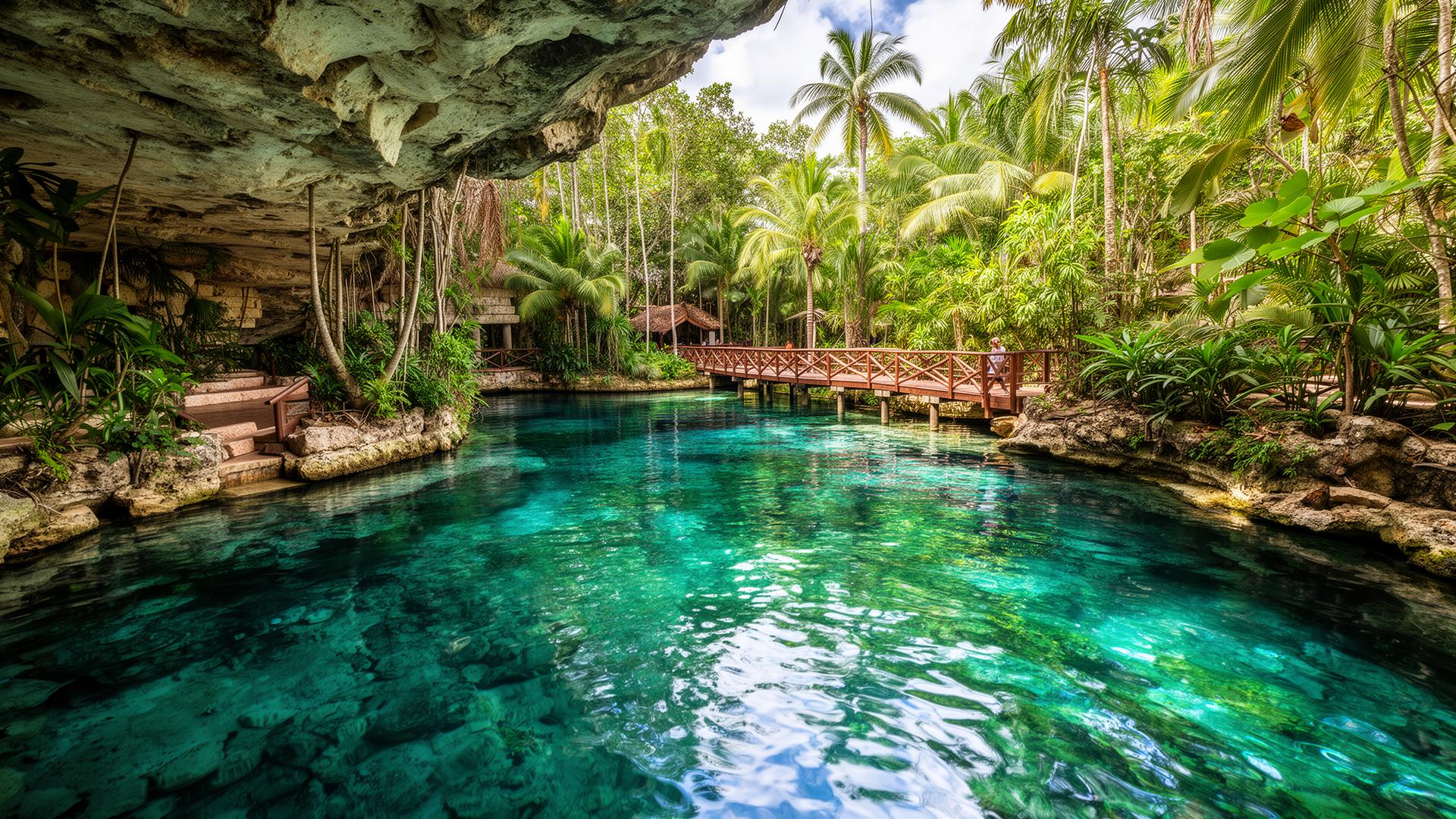
The Ultimate Guide to Xcaret Park: Everything You Need to Know
From underground rivers to ancient Mayan ruins, Xcaret Park is the crown jewel of the Riviera Maya. Here's your complete guide to making the most of every moment.
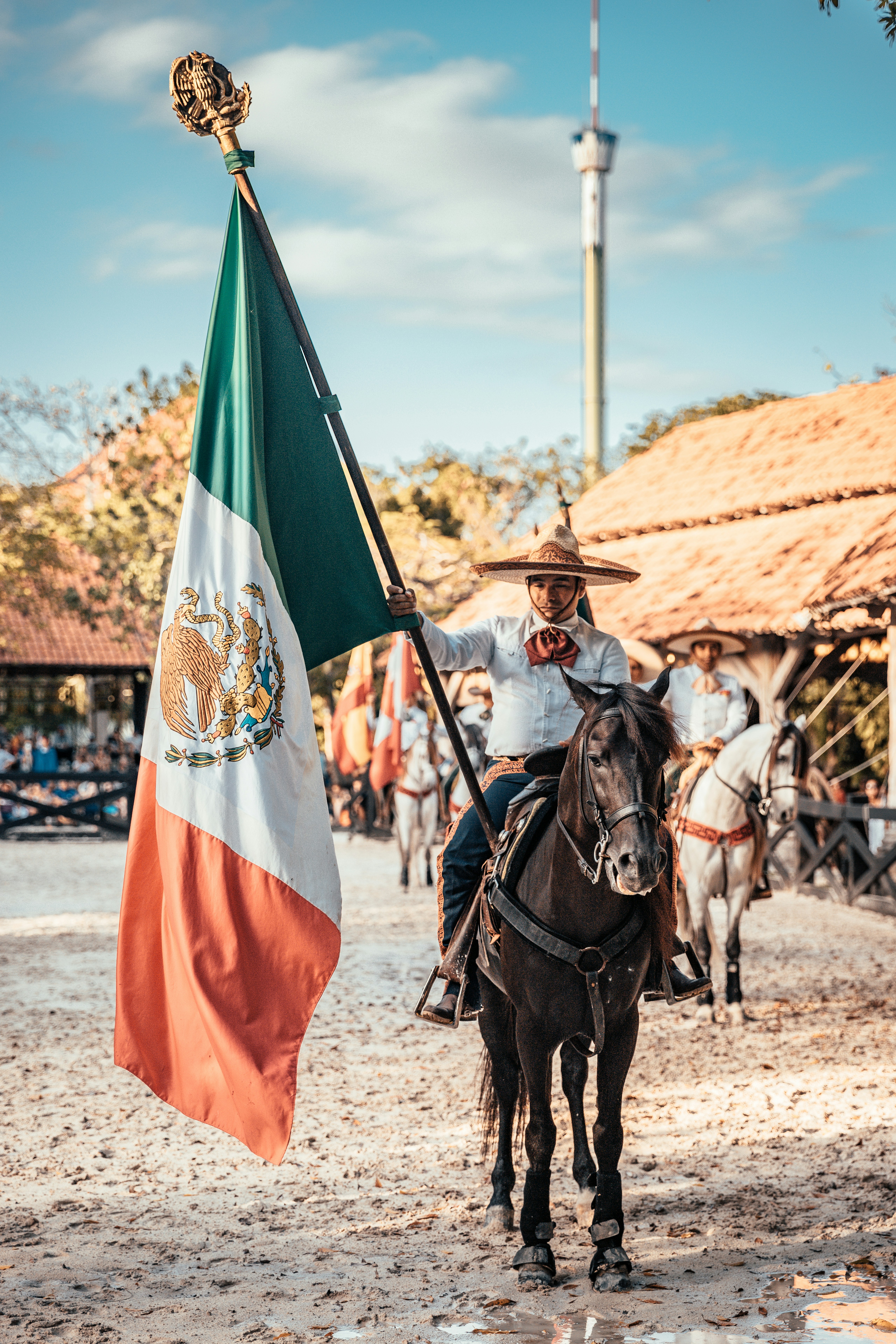
Best Restaurants in Xcaret & the Riviera Maya: A Foodie's Guide
From smoky al pastor tacos to fine-dining ceviche, the culinary scene in and around Xcaret is as rich as the culture itself. Discover where to eat like a local and dine like a king.