Wildlife at Xcaret: Sea Turtles, Scarlet Macaws & Conservation in Action
Reviewed for accuracy on Mar 15, 2026
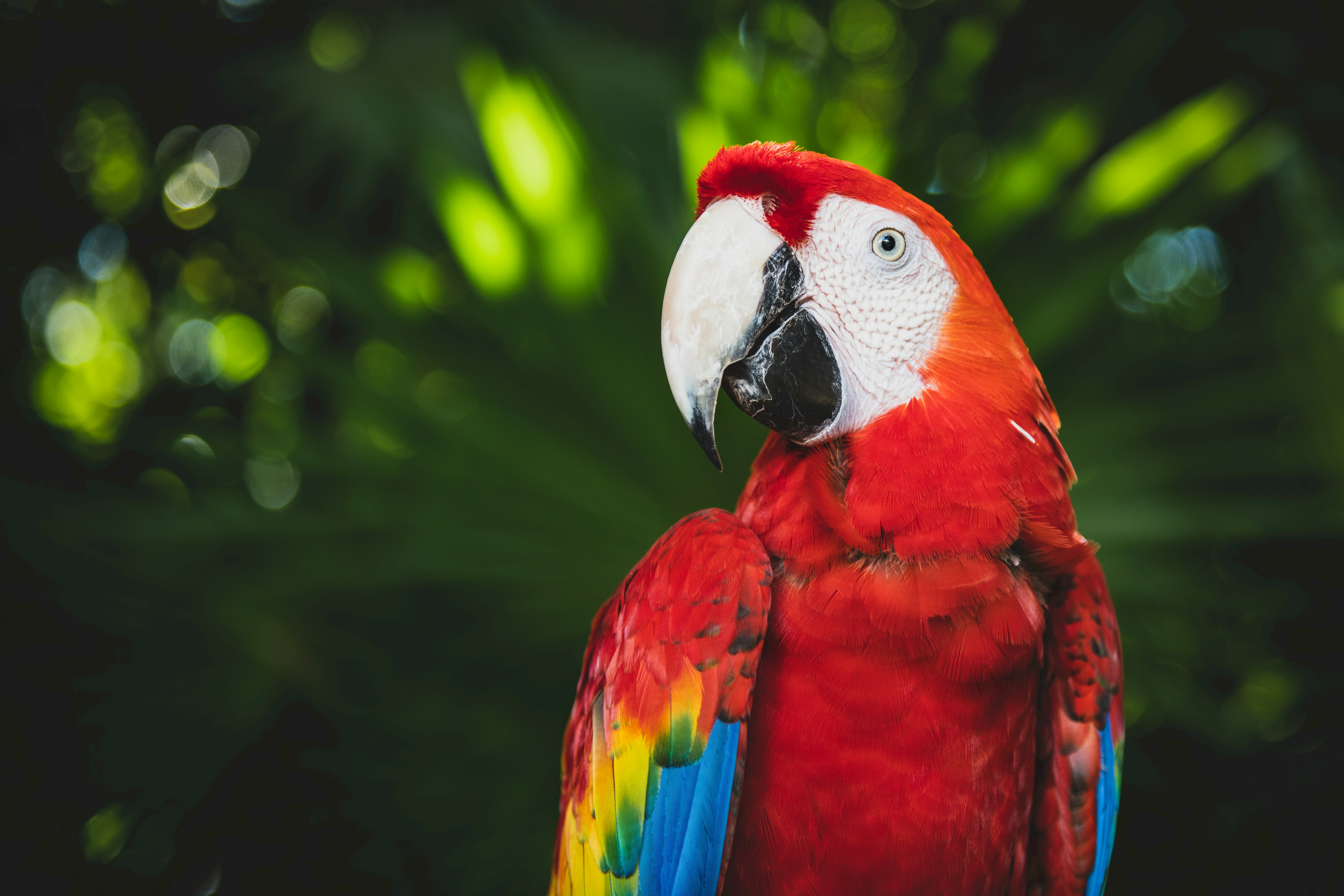
Wildlife at Xcaret: Sea Turtles, Macaws & More
Xcaret Park is often celebrated for its underground rivers, cultural shows, and stunning Caribbean setting. But beneath the surface of this eco-archaeological park lies something equally remarkable: one of Mexico's most ambitious and successful wildlife conservation programs. Since its founding, Xcaret has positioned itself not just as a tourist destination but as a genuine force for ecological preservation in the Yucatán Peninsula.
The Sea Turtle Program
Xcaret's sea turtle conservation program is the park's crown jewel of environmental achievement. Since 1993, the program has protected nesting beaches, incubated eggs, and released more than 15 million baby sea turtles into the Caribbean Sea.
Three species nest on Xcaret's beaches: green turtles, loggerhead turtles, and hawksbill turtles — all of which are endangered. During nesting season (May through October), the park's marine biologists patrol the beaches every night, relocating nests to protected enclosures where the eggs can develop safely, away from predators and human disturbance.
Visitors can observe adult sea turtles year-round in the park's sea turtle pools. These are rescue animals — turtles that were injured or confiscated from illegal trade and cannot survive in the wild. Watching a massive green turtle glide through the water, its ancient eyes seeming to hold millennia of ocean memory, is one of the most moving experiences Xcaret offers.
During release season (typically August through November), visitors may have the extraordinary opportunity to witness baby turtles making their first journey to the sea. The tiny hatchlings, no bigger than a human palm, scramble across the sand toward the moonlit waves while spectators watch from a respectful distance. It's an experience that reduces grown adults to tears.
The Scarlet Macaw Breeding Program
The scarlet macaw (Ara macao) once ranged across southern Mexico in vast flocks that painted the sky red. By the late 20th century, habitat destruction and the illegal pet trade had reduced the wild Mexican population to fewer than 250 birds, confined to a small area of the Lacandon Jungle in Chiapas.
Xcaret's scarlet macaw breeding program, launched in 1993, has become the most successful of its kind in the world. The park has bred over 1,700 scarlet macaws in captivity and has begun reintroduction programs, releasing birds into protected areas of their historical range. The ultimate goal is to re-establish self-sustaining wild populations throughout southern Mexico.
Inside the park, the macaw habitat is set within a natural cenote surrounded by jungle. The sight of dozens of scarlet macaws — their plumage an almost impossibly vivid combination of red, blue, and yellow — perched in the trees and flying freely overhead is breathtaking. The birds are accustomed to visitors but are not tamed; they behave naturally, calling to each other with their distinctive raucous cries and engaging in the social behaviors that make parrots so fascinating.
The Aviary
Xcaret's aviary is one of the largest in Latin America, housing over 1,500 birds from more than 60 species. Built into and around a natural cenote, the aviary creates a multi-level ecosystem where birds occupy different niches from the water surface to the jungle canopy above.
Species highlights include:
- Roseate spoonbills — striking pink wading birds with spatula-shaped bills
- Keel-billed toucans — the rainbow-billed icons of the tropical Americas
- Great curassows — large, ground-dwelling birds with distinctive curly crests
- Flamingos — both American and Caribbean species, their pink feathers brilliant against the blue cenote water
- Harpy eagles — massive birds of prey and one of the world's most powerful raptors
The aviary is designed so that visitors walk through the habitat on elevated pathways, putting you at eye level with birds that would normally be glimpsed only through binoculars. Early morning and late afternoon are the best times for birdwatching, as many species are most active during these cooler hours.
Jaguars and Other Mammals
Xcaret's Jaguar Island provides a home for several jaguars and pumas that cannot be released into the wild. The enclosures are spacious and enriched with climbing structures, pools, and vegetation that simulate their natural habitat. Jaguars are notoriously elusive in the wild — most people who spend their entire lives in jaguar territory never see one. Here, you can observe these magnificent cats up close, watching their powerful muscles ripple beneath their spotted coats.
The park is also home to spider monkeys, white-tailed deer, coatis (a relative of the raccoon), and peccaries. Many of these animals roam semi-freely through the park grounds, adding an element of spontaneous wildlife encounters to your visit.
The Coral Reef Aquarium
Xcaret's coral reef aquarium provides a window into the Mesoamerican Barrier Reef System, the second-largest barrier reef in the world, which runs along the Riviera Maya coast just offshore. The aquarium houses over 5,000 marine organisms representing hundreds of species, including nurse sharks, moray eels, groupers, angelfish, and delicate seahorses.
The facility is more than a display — it's an active research and conservation center. Xcaret's marine biologists study coral reproduction and resilience, working to develop techniques for reef restoration along the Yucatán coast. Given the threats facing coral reefs worldwide — warming waters, ocean acidification, disease — this research has global significance.
The Butterfly Pavilion
Over 5,000 butterflies from 20 native species fill Xcaret's butterfly pavilion, one of the largest in the world. The pavilion is a netted structure built over tropical gardens, allowing butterflies to feed, breed, and fly freely in a near-natural environment. The blue morpho butterfly — with its iridescent wings that flash electric blue in sunlight — is the star attraction, but the diversity of shapes, colors, and sizes is astonishing.
Visit early in the morning when the butterflies are emerging from their chrysalises and spreading their wings for the first time. The nursery area, where you can see chrysalises in various stages of development, is fascinating for children and adults alike.
Why Conservation Tourism Matters
Xcaret demonstrates that tourism and conservation can be mutually reinforcing rather than antagonistic. The revenue generated by park visitors directly funds the breeding programs, research initiatives, and habitat protection efforts described above. When you buy a ticket to Xcaret, a meaningful portion of that money goes toward protecting endangered species and preserving ecosystems.
This model — where tourists fund conservation through their visits — is increasingly recognized as one of the most effective strategies for protecting biodiversity in developing countries. Xcaret has been a pioneer in this approach, proving that people will pay to experience nature responsibly and that the economic incentives can be aligned with environmental outcomes.
So when you watch a baby sea turtle take its first steps toward the ocean, or lock eyes with a scarlet macaw whose species was nearly wiped from the Mexican sky, know that your presence there is part of the reason these creatures have a future. That's conservation tourism at its best.
Bring the trip home
Every photo on York Adventures is shot on location and available as a fine-art print. Browse the gallery to find a frame for your wall, or ask about my Hotel Xcaret member rate before you book.
Free PDF
Get the free Hotel Xcaret Cheat Sheet (PDF)
12 pages of pre-trip booking order, tipping, what's included, and the restaurants to reserve before you fly.
One email — the PDF link, plus the occasional Xcaret tip. No spam, unsubscribe anytime.
Stay in the Loop
Get new photos, stories & exclusive deals straight to your inbox.
Related Posts
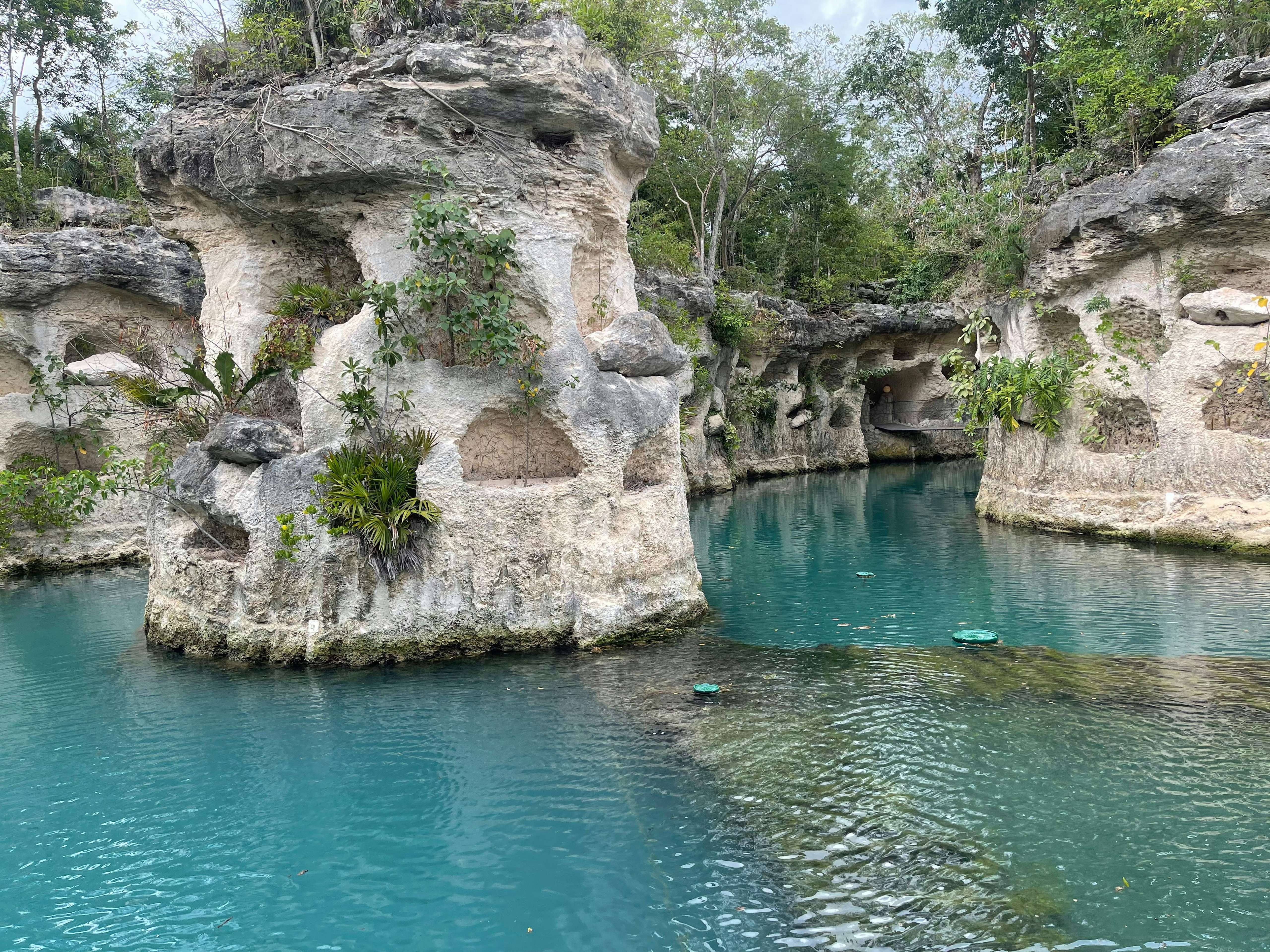
Cenotes Near Xcaret: Swimming in the Yucatán's Underground Rivers
The limestone bedrock of the Yucatán hides thousands of cenotes — sacred sinkholes filled with crystal-clear water. Here are the best ones near Xcaret for swimming, snorkeling, and diving.
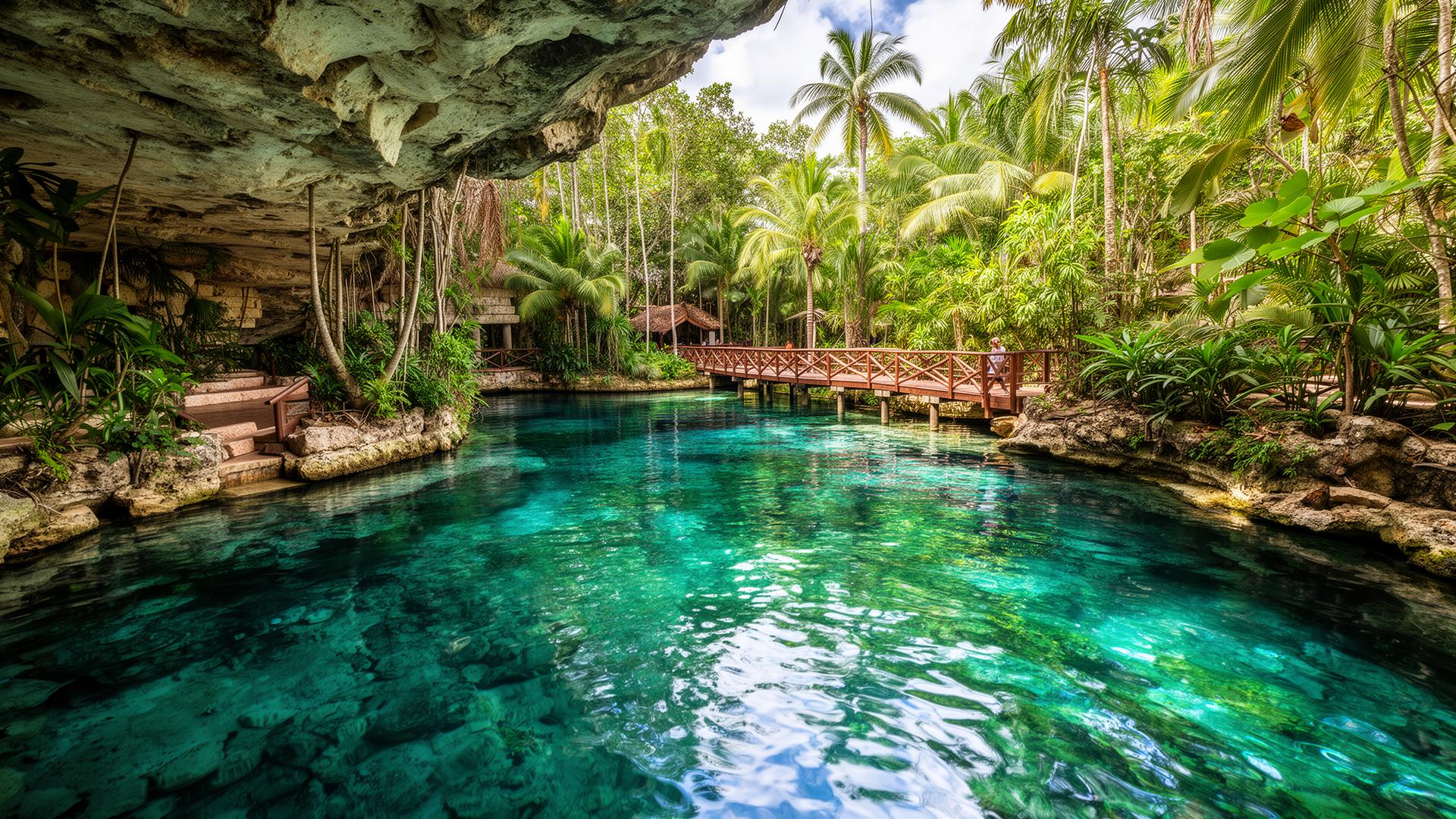
The Ultimate Guide to Xcaret Park: Everything You Need to Know
From underground rivers to ancient Mayan ruins, Xcaret Park is the crown jewel of the Riviera Maya. Here's your complete guide to making the most of every moment.
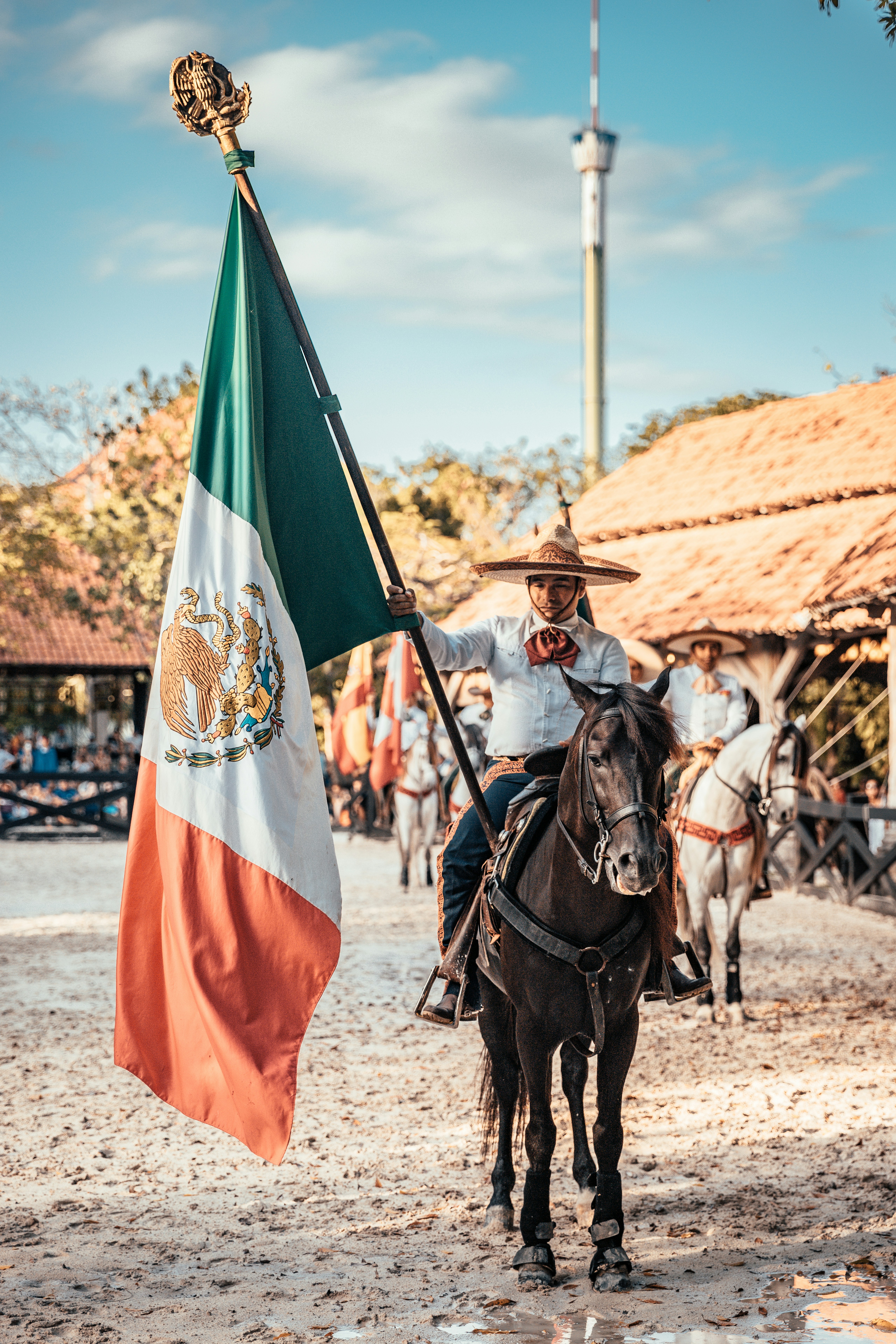
Best Restaurants in Xcaret & the Riviera Maya: A Foodie's Guide
From smoky al pastor tacos to fine-dining ceviche, the culinary scene in and around Xcaret is as rich as the culture itself. Discover where to eat like a local and dine like a king.