Cobá Ruins From Xcaret: Honest Day-Trip Guide
Reviewed for accuracy on Jan 19, 2026
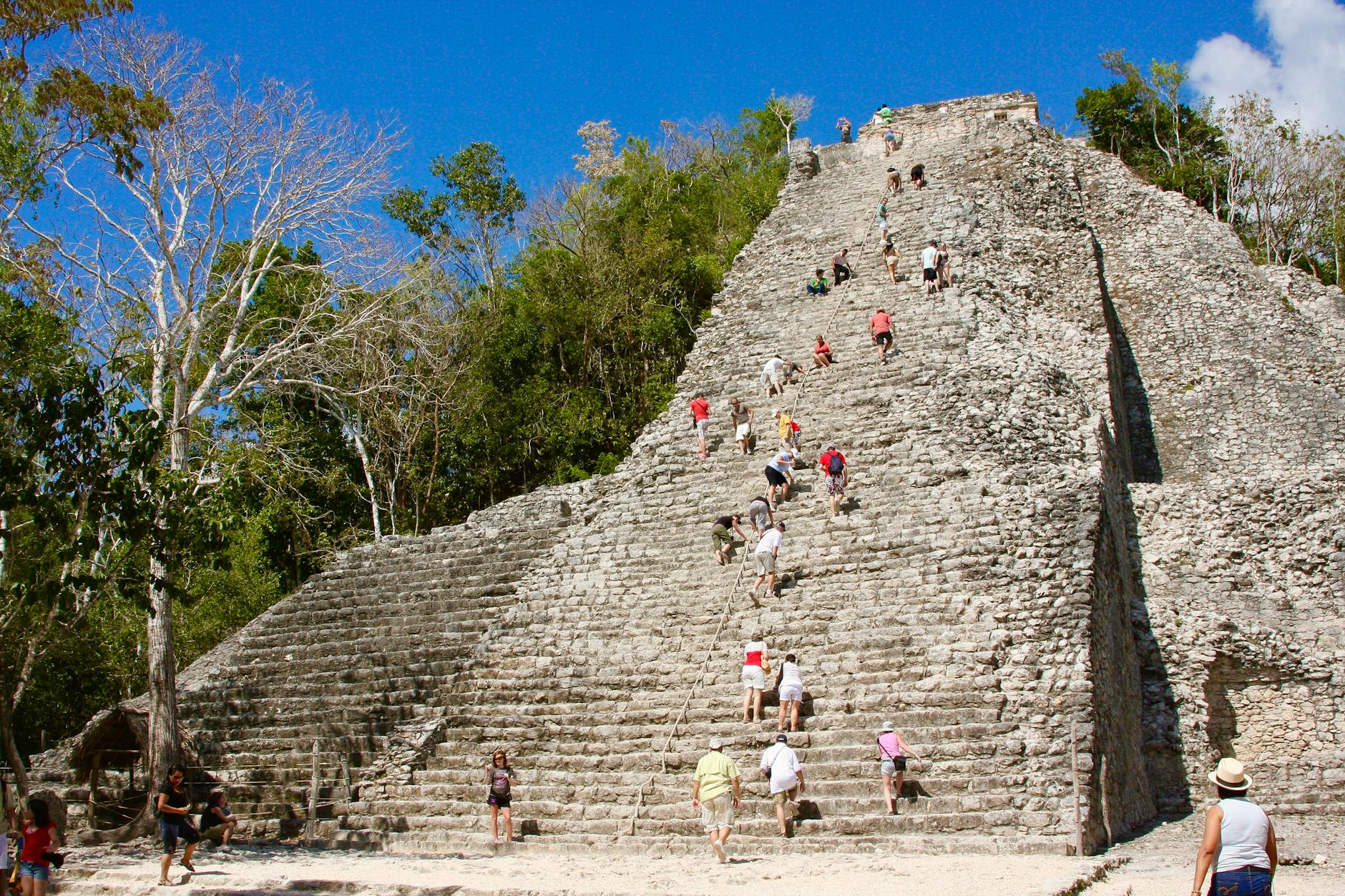
I almost didn't write this one because the news everyone wants to hear about Cobá is bad: you can't climb Nohoch Mul anymore. The closure happened in 2020 and as of my last visit it's still in effect, with no public timeline for reopening. If you came to this site hoping I'd tell you the ban is over, I'm sorry. It isn't.
That said, Cobá is still my favorite ruin in the Yucatán to actually visit, and it's a perfectly good day trip from Hotel Xcaret. The reason has very little to do with the pyramid. Let me explain.
What Cobá actually is
Cobá is a sprawling Mayan city that was at its peak around 600–900 AD, with an estimated population of fifty thousand at one point. The site covers something like 30 square miles, almost all of it still under jungle. What you can visit is a few cleared groups of structures connected by ancient causeways called sacbeob — raised limestone roads, some running for over 60 miles in their day.
The headliner is Nohoch Mul, the tallest pyramid in the Yucatán Peninsula at 137 feet. Until 2020 you could climb it, hauling yourself up a near-vertical staircase by a knotted rope tied to the top. The view from the top — pure jungle, treetops to every horizon, with maybe one other distant pyramid pushing through the canopy — was one of the great views in Mexico. The ban came after a tourist death and the wear-and-tear from millions of climbers, and the consensus from people I trust in the local guide community is that it's not coming back any time soon.
What you can do instead: walk up to the base, look up at it, and walk around it. The structure is still genuinely impressive from below.
So why go?
Three reasons.
The jungle setting. Chichén Itzá is a manicured archaeological park. Tulum is a parking lot with ruins. Cobá is a working jungle. You hear monkeys and see toucans. The ruins emerge from the trees instead of sitting on a lawn.
The bicycles. Cobá is the only major ruin in Mexico where you can rent a bicycle (about 75 pesos) or hire a bike-taxi (around 200) to get between the structures. The site is too big to walk in a single day, so this is the actual mode of transport. Riding through jungle on a Mayan limestone road is a top-five travel memory for me.
The carved stelae. The Macanxoc Group at the back of the site has the best-preserved set of carved stone monuments in the Yucatán. Most tourists never make it back there because they're too tired from the Nohoch Mul detour. If you bike, you can see everything.
The first time I rode out to Macanxoc I had the whole group to myself for forty minutes. It was so quiet I could hear the iguanas moving in the brush. That's not a thing you can experience at Tulum or Chichén Itzá. The crowds are physically incapable of getting that far back.
The drive from Xcaret
Cobá sits inland, west of Tulum. From Hotel Xcaret you have two options:
- Highway 307 south to Tulum, then 109 west. About 90 minutes. Slightly longer but easier and lets you stack a Tulum or cenote stop on the way back.
- The new Tren Maya inland route. Theoretically faster but I haven't found it actually saves time once you factor in fuel stops and the lack of services. I stick with 307.
The road from Tulum to Cobá is two lanes of jungle with a couple of small towns. There are speed bumps in every village — slow way down. Police checkpoints exist but I've never been stopped at one. Bring a passport copy anyway.
When to go and what it costs
The site opens at 8 AM and closes at 5 PM. The single most important piece of advice in this entire post: be at the gate when it opens at 8 AM.
Cobá is hot. Hotter than Tulum. Hotter than Xcaret. The jungle traps the humidity and the canopy doesn't actually shade much of the path. By 11 AM the experience is genuinely unpleasant; by 1 PM it's a survival exercise. The 8–10:30 AM window is everything.
Costs as of my last visit:
- Entry: 110 pesos federal fee + 80 pesos state fee = 190 pesos per adult
- Bike rental: 75 pesos
- Bike-taxi (one driver pedaling, you sitting): 200–250 pesos for a loop
- Parking: 50 pesos
- Guide (optional, 1–2 hour tour): 800–1,200 pesos for the group, in English
I always rent a guide. The carvings make zero sense without one, and the calendar stones at Macanxoc are easy to walk past if no one tells you what they are. The guides hang out at the entrance — pick one who looks busy.
The actual route inside
The site has four main groups. Here's the order I do them:
- Cobá Group (entrance) — the ball court and the temple right inside the gate. 20 minutes.
- Conjunto Pinturas — a pyramid with traces of original paint visible. 15 minutes.
- Macanxoc Group — the stelae. 30 minutes if you read the signs. Furthest from the entrance, longest bike ride.
- Nohoch Mul — the big pyramid. Save for last so you can stand at the base, look up, and head back to the gate. 30 minutes.
Total time on site: 2.5 to 3 hours, including rest and water breaks. Don't try to do it in less.
The cenote stop you should add
There's a cluster of three cenotes about 3 miles south of the Cobá ruins entrance: Choo-Ha, Tamcach-Ha, and Multun-Ha. They're operated by the local ejido and the entry fee covers all three. After 3 hours of jungle and ruins, swimming in 70-degree underground water is the single best decision you can make.
My favorite of the three is Tamcach-Ha — it's the deepest, has two diving platforms (5m and 10m), and is the least crowded because most tour groups stop at Choo-Ha. Bring water shoes; the rock is sharp.
For more on the broader cenote landscape between Xcaret and Tulum, my cenotes near Xcaret and cenotes day trip from Xcaret posts cover the routes I drive most often.
Eating around Cobá
The town of Cobá itself has maybe six restaurants, all aimed at tour buses. None are great. Two acceptable options:
- Restaurante Nicte-Ha, lakeside, decent tikin xic (fish in achiote, wrapped in banana leaf)
- Ki'Bok, more touristy but reliably clean
The honest move is to drive 25 minutes back to Tulum town and eat there. Taqueria Honorio for cochinita pibil at lunch is a classic and exactly what your body wants after the Cobá heat.
The bus tour question
You can book a Cobá day tour from Hotel Xcaret for around $90 per person. It will include transport, the entry fee, a guide, and lunch. It will also include four hours on a bus and a stop at a "Mayan village" that is essentially a souvenir warehouse.
If you don't drive, take the tour. If you can drive, drive. The all-in cost for a couple with a rental car, gas, entry, bikes, and lunch is about the same as one person on the bus tour, and you control the schedule. The Cobá heat in particular makes timing critical, and tours usually arrive between 10 and 11 AM, which is exactly the window you want to avoid.
What I'd do differently
My first Cobá trip, I didn't rent the bike. I figured I'd walk to Nohoch Mul, take the photo, and walk back. I got two-thirds of the way to the pyramid before I realized I'd misjudged the distance, the heat, and the water situation. I made it, but I didn't see Macanxoc and I was a wreck for the rest of the day.
Rent the bike. Start at 8. Save Nohoch Mul for last. Add a cenote on the way out. That's the trip.
For the bigger context of how Cobá fits into a Xcaret week, see the planning Xcaret vacation tips post and the Xcaret destination hub.
Bring the trip home
Every photo on York Adventures is shot on location and available as a fine-art print. Browse the gallery to find a frame for your wall, or ask about my Hotel Xcaret member rate before you book.
Free PDF
Get the free Hotel Xcaret Cheat Sheet (PDF)
12 pages of pre-trip booking order, tipping, what's included, and the restaurants to reserve before you fly.
One email — the PDF link, plus the occasional Xcaret tip. No spam, unsubscribe anytime.
Stay in the Loop
Get new photos, stories & exclusive deals straight to your inbox.
Related Posts
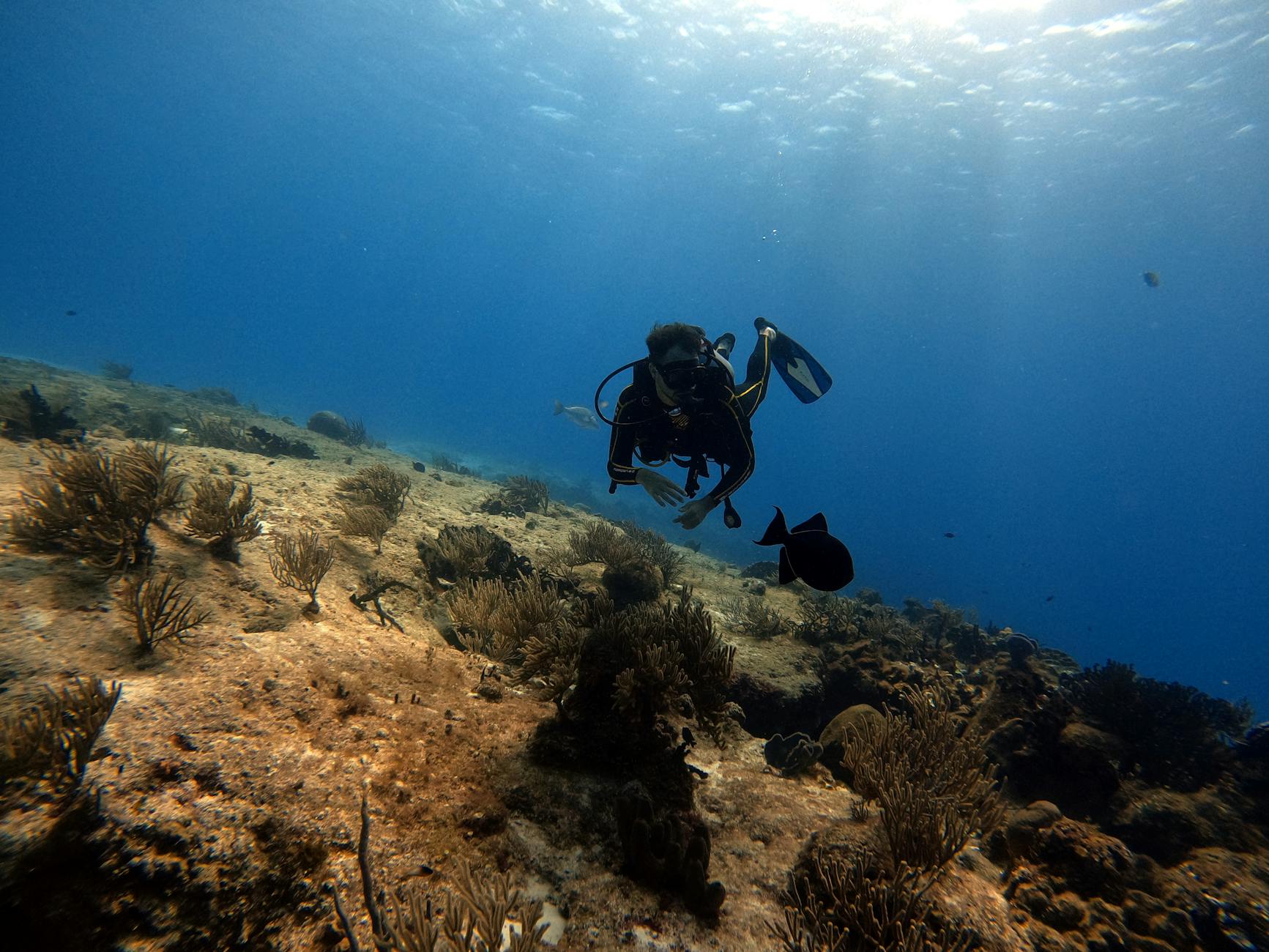
Cozumel Day Trip From Xcaret: Ferry, Snorkel, and What to Skip
How to do Cozumel from Hotel Xcaret in one day without wasting two hours at Chankanaab or paying cruise-ship prices for a so-so reef tour.
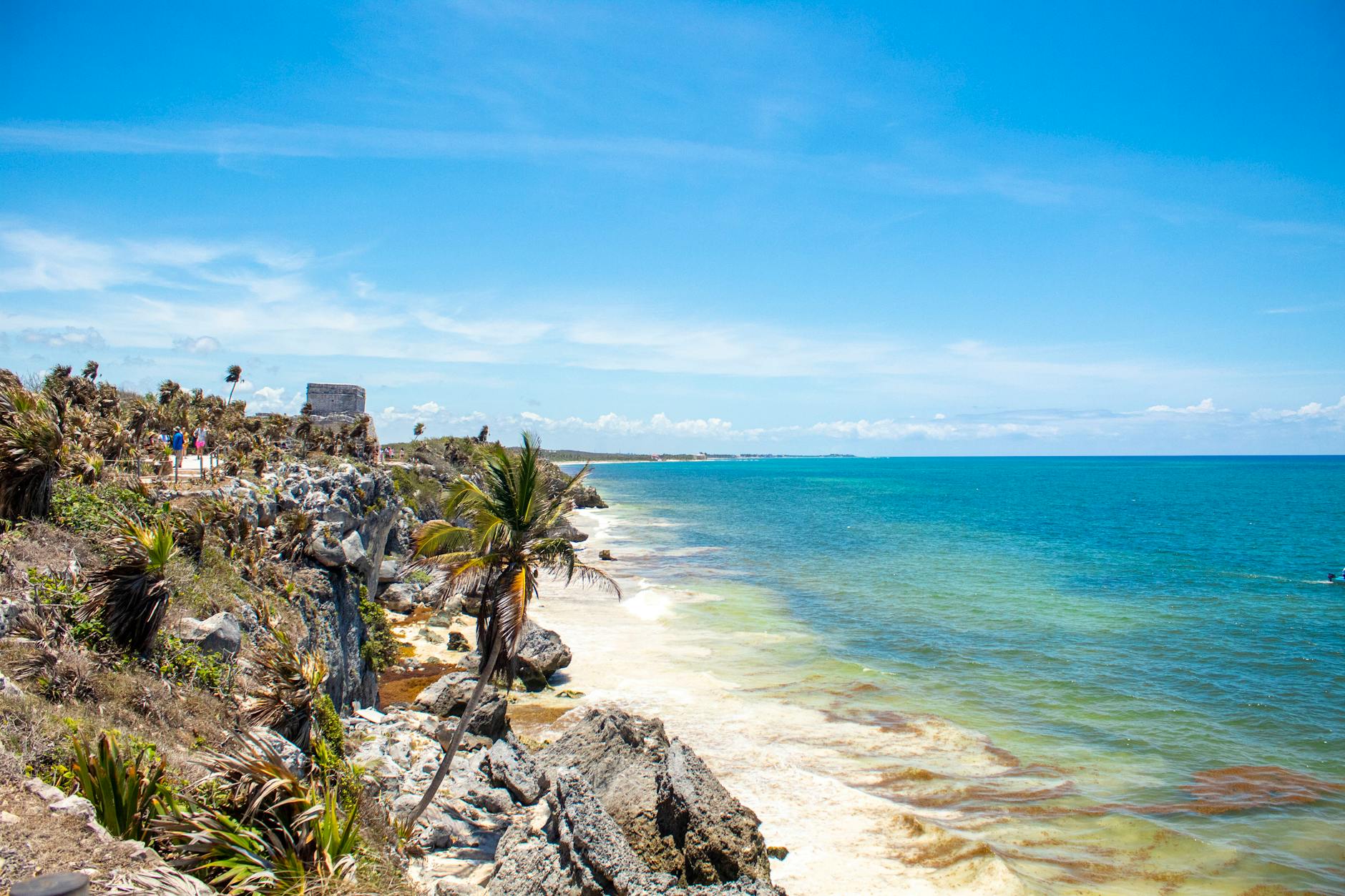
Tulum vs Playa del Carmen: Day Trip From Xcaret
I've taken both day trips three times each. Here's the honest breakdown of which town to pick when you've only got one day off the Xcaret reservation.
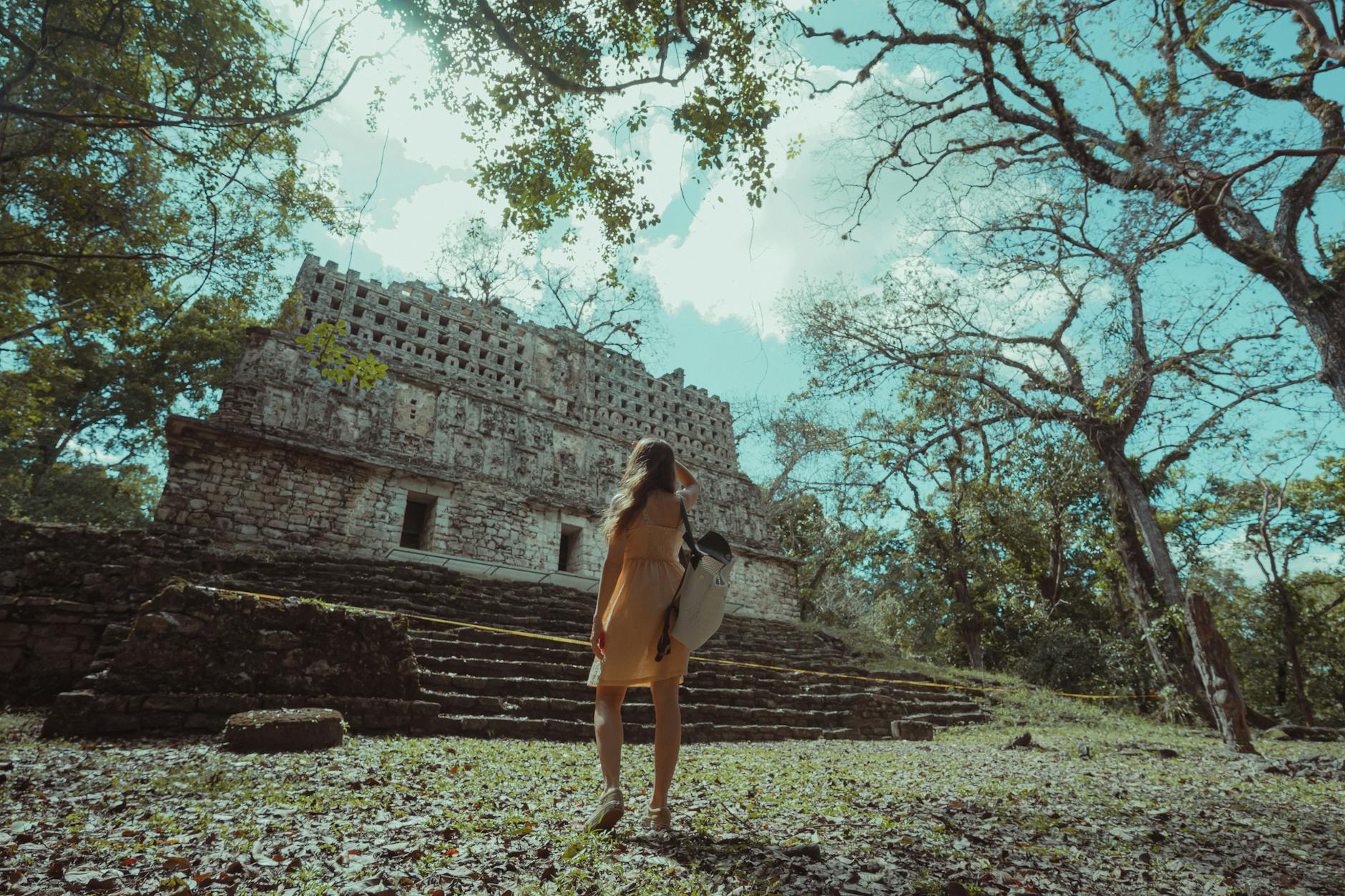
Xichén Ruins Day Tour: Is the Long Bus Ride Worth It?
Twelve hours on a bus to see Chichén Itzá, swim in a cenote, and eat a buffet lunch in Valladolid. Here's what the Xichén tour is really like and who should book it.