Marfa Road Trip: What's Worth the Drive (and What Isn't)
Reviewed for accuracy on Apr 21, 2026
The drive to Marfa is the part nobody warns you about properly. From Austin it's six and a half hours of West Texas highway. From El Paso, three. From Big Bend, two. There's no airport that makes it easy. The town has 1,800 people, two real hotels, a half-empty grid of dirt streets, and the highest density of art and food per capita of any place I've been to in the United States. None of it makes sense until you've spent three days there. Then it makes complete sense.
I've been twice. Once in July, which was a mistake. Once in October, which was perfect. Here's what I'd actually tell someone planning the trip.
The drive (don't underestimate it)
From Austin, the route is I-10 west to Fort Stockton, then south on US-67/US-90 through Alpine. The first four hours are unremarkable interstate. The last two and a half are where the trip starts — the landscape opens up, the towns get smaller, and the sky doubles in size somewhere west of Fort Stockton. Plan to leave Austin by 8 AM at the latest. You don't want to be doing the last leg in the dark, both because the wildlife is real and because the arrival into Marfa at sunset is one of the better moments of the trip.
Gas up in Fort Stockton. Eat in Alpine if you're hungry — Reata is the call. Don't trust your phone for navigation past Fort Stockton; cell service goes patchy and the route is direct enough that a paper map or downloaded offline map handles it.
Where to stay
Two real options.
Hotel Saint George is the polished one. Built into a refurbished hotel block on the main square, four stories, rooftop pool, the lobby has a real bookstore, and breakfast is included. This is where I stayed in July (and where I hid for most of the daylight hours when the heat was 105). It runs around $325-425 a night in season.
Stardust Motel is the actual move if you want the Marfa experience. Mid-century motor court redone tastefully, walk-in showers, courtyard with a fire pit, and a five-minute walk to most of the town. Around $250 a night, usually books out earlier than the Saint George.
There's also Hotel Paisano, the Giant-era hotel where Liz Taylor and James Dean stayed during filming — it's historic, the rooms are not great, but the bar is worth one drink. The El Cosmico campsite (yurts and Airstreams in a field) is undergoing a long renovation and the future is unclear; check the status before you book.
Chinati Foundation — the real reason to go
The Chinati Foundation is what justifies the drive. Donald Judd's permanent installation of large-scale art across a former military base on the edge of town. The full collection tour is half a day and the highlights are the 100 untitled aluminum boxes in two artillery sheds and the John Chamberlain crushed-car sculptures in the old wool warehouse. Both are genuinely transcendent.
You need a reservation. The full tours run morning and afternoon, $25-50 depending on which tour, and they fill up in season. If you can only do one cultural thing in Marfa, do this. Skip the Judd house tours unless you're a Judd completist — they're interesting but not in the same league as the Chinati installations.
The 100 aluminum boxes thing is hard to describe and not really worth the attempt — go look at them in person, with the late afternoon light coming through the dust on the windows.
Prada Marfa — the truth
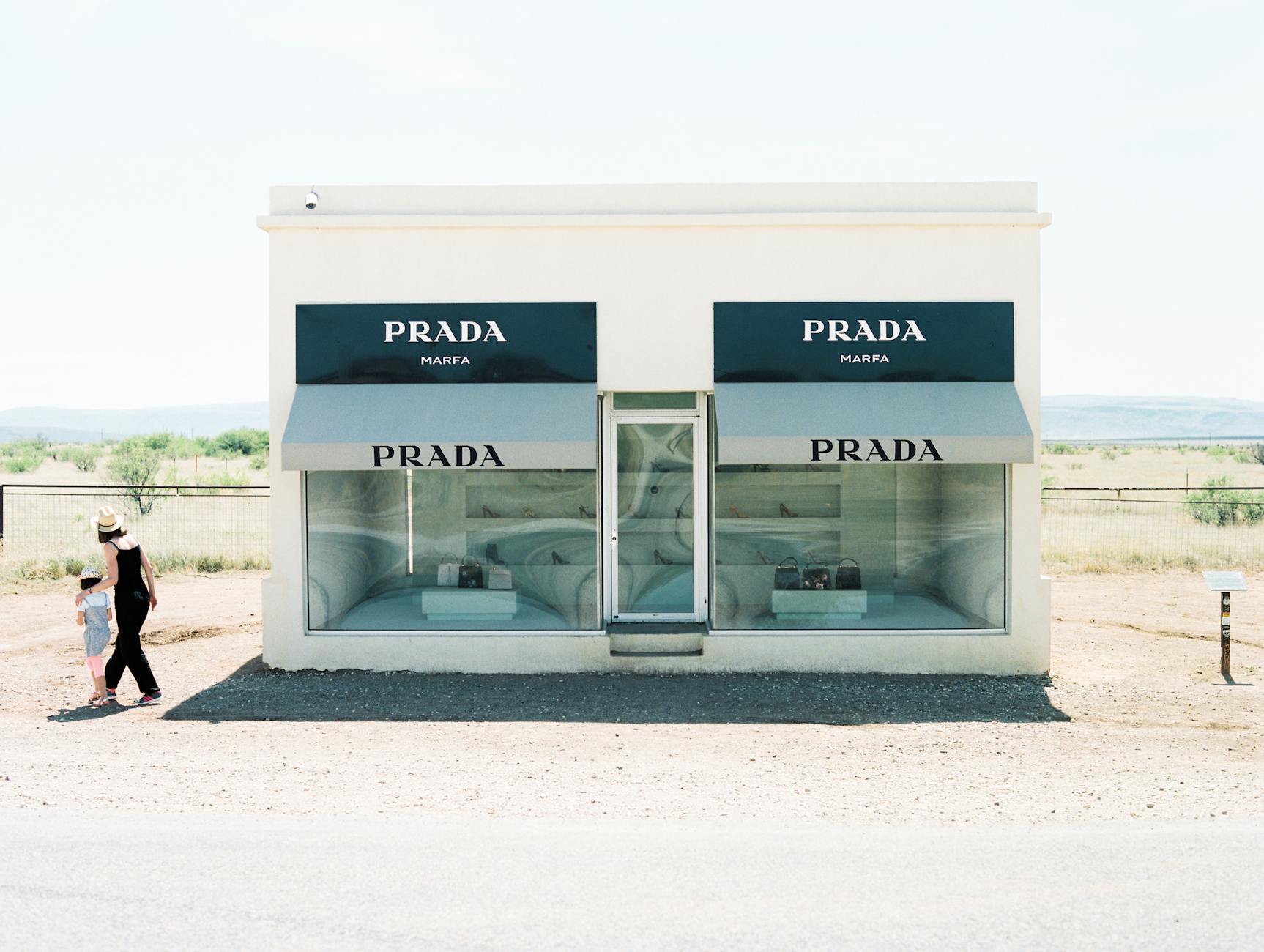
Prada Marfa is not in Marfa. It's 35 minutes northwest of Marfa proper, in a town called Valentine, on a stretch of US-90 with nothing else around. It's a permanent art installation by Elmgreen and Dragset, built to look like a Prada boutique, never opened, never functional, and now half-vandalized in a way that's part of the piece.
It's worth the drive once. Sunset is the right light. Don't expect a museum experience — it's a single building in the middle of nothing, you'll spend ten minutes there, take two photos, and drive back. But those ten minutes are exactly the absurd Marfa experience the place is selling. Pair it with a stop at the Marfa Lights viewing area on US-90 East on the way back if you're up for the chance.
Food — way better than it has any right to be
For a town of 1,800 people, the food in Marfa is unhinged. The standouts:
- Cochineal — fine dining, prix-fixe, by far the best meal in Marfa, reservations a must
- Marfa Burrito — the breakfast burrito everyone talks about, deserves the press
- Convenience West BBQ — Texas BBQ in a converted gas station, smoked meats are real
- Stellina — Italian-leaning small plates, walk-in friendly
- Pizza Foundation — the late-night move, simple, well-executed
For coffee, Frama in the laundromat-coffee-shop combo. Yes, that's a real concept. Yes, the coffee is good.
What's not worth it: any place that's only open three nights a week and books out months in advance unless you genuinely care about that specific chef. Marfa has a few of those and they're fine but they're not why you came.
McDonald Observatory — the side quest
If you've got an extra evening, drive 90 minutes north to McDonald Observatory in Fort Davis for a Star Party. The Davis Mountains have some of the darkest skies in the lower 48, and the observatory runs public programs three nights a week with telescope viewing. I went in October and it was the most stars I've seen in my adult life. Pair it with a stay at the Hotel Limpia in Fort Davis if you don't want to drive back to Marfa in the dark.
What I'd do differently
I'd never go in July or August again. Marfa is a desert town and the heat is genuinely incapacitating. Aim for late September through early November or March through early May. I'd also book Cochineal and the Chinati tour the moment I had dates, not the week before — both are reservation-only and the dates fill out further than people expect.
I'd build in two full days minimum. One-day Marfa is a checklist trip. Two-day Marfa is where the place starts to land. Three-day Marfa, with a McDonald Observatory side trip and a slow morning in town, is the version that justifies the drive. If you're combining with other West Texas, the Big Bend itinerary makes a natural extension.
Final thoughts
Marfa is one of the few places in the U.S. that's worth the disproportionate travel effort. The drive is long, the town is small, and the experience does not photograph well — it has to be felt in real time. Go in shoulder season, stay at the Stardust, eat at Cochineal, walk the Chinati grounds at golden hour. The rest is bonus. For the broader trip-planning context, the Texas travel guide covers how Marfa fits into the rest of the state.
Bring the trip home
Every photo on York Adventures is shot on location and available as a fine-art print. Browse the gallery to find a frame for your wall.
Stay in the Loop
Get new photos, stories & exclusive deals straight to your inbox.
Related Posts
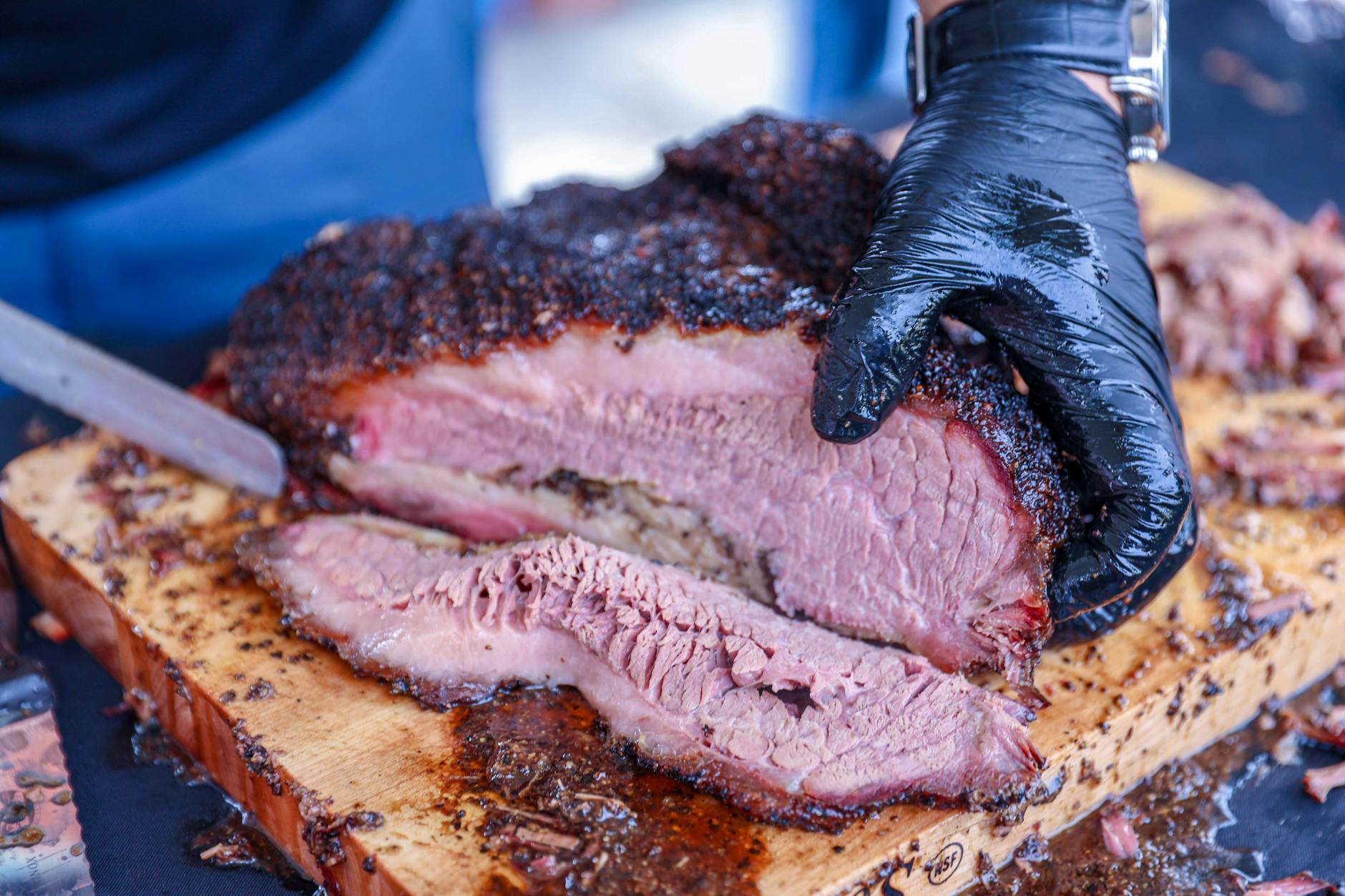
The Texas BBQ Pilgrimage: 7 Joints Ranked After a Long Weekend
I drove a four-day Texas BBQ loop and ranked seven joints honestly: Franklin, Snow's, Louie Mueller, La Barbecue, Terry Black's, Pecan Lodge, and one surprise.
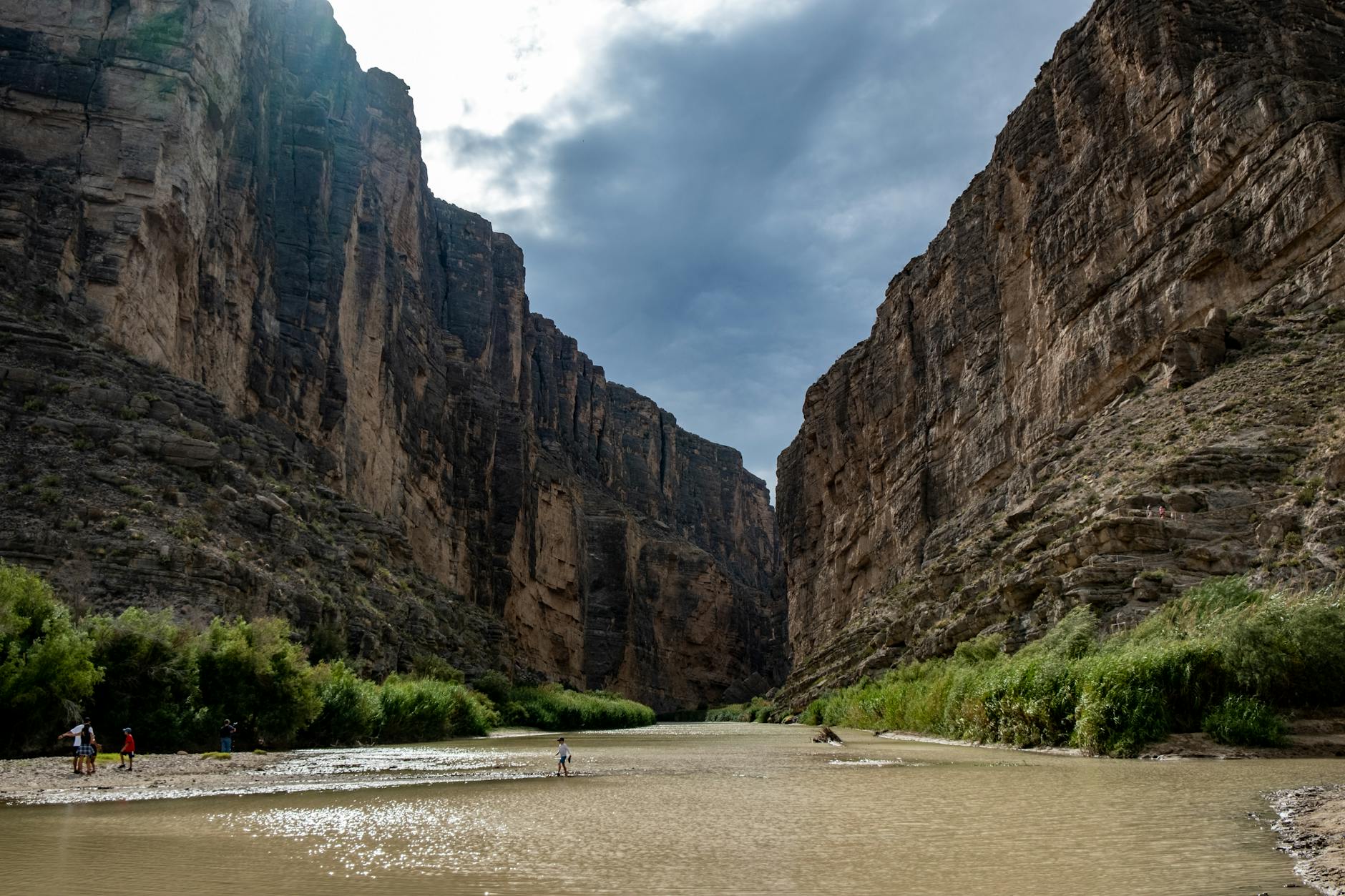
Big Bend National Park: A 3-Day Itinerary From Someone Who's Been Twice
A field-tested 3-day Big Bend itinerary: Santa Elena Canyon, Lost Mine Trail, the Chisos, hot springs, and a side trip across to Boquillas, Mexico.
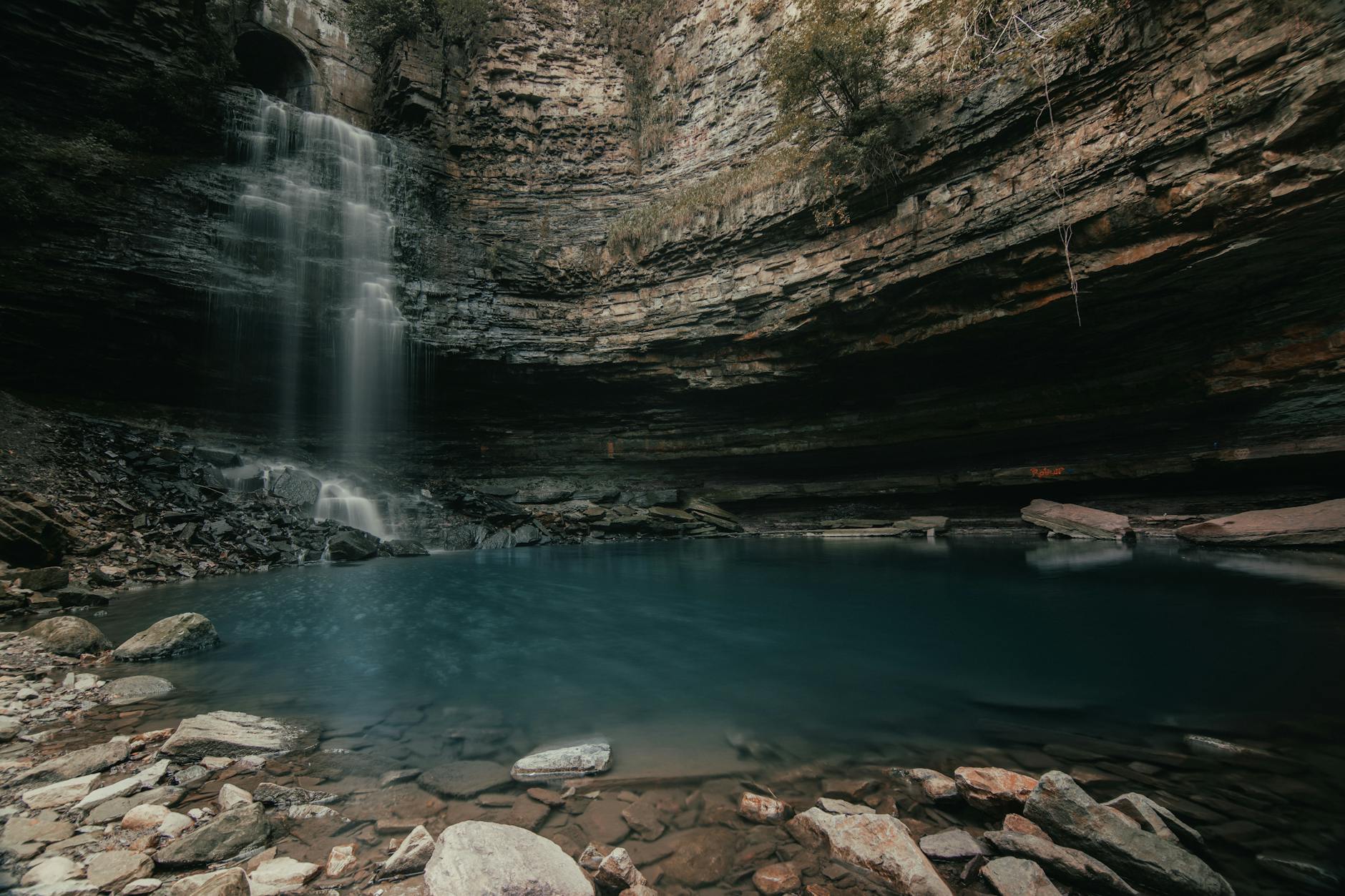
9 Best Swimming Holes in the Texas Hill Country
A swimming-hole ranking from someone who's been to all of them: Hamilton Pool, Jacob's Well, Krause Springs, Barton Springs, and the underrated picks.