San Antonio Riverwalk: Honest Take After Three Visits
Reviewed for accuracy on May 2, 2026
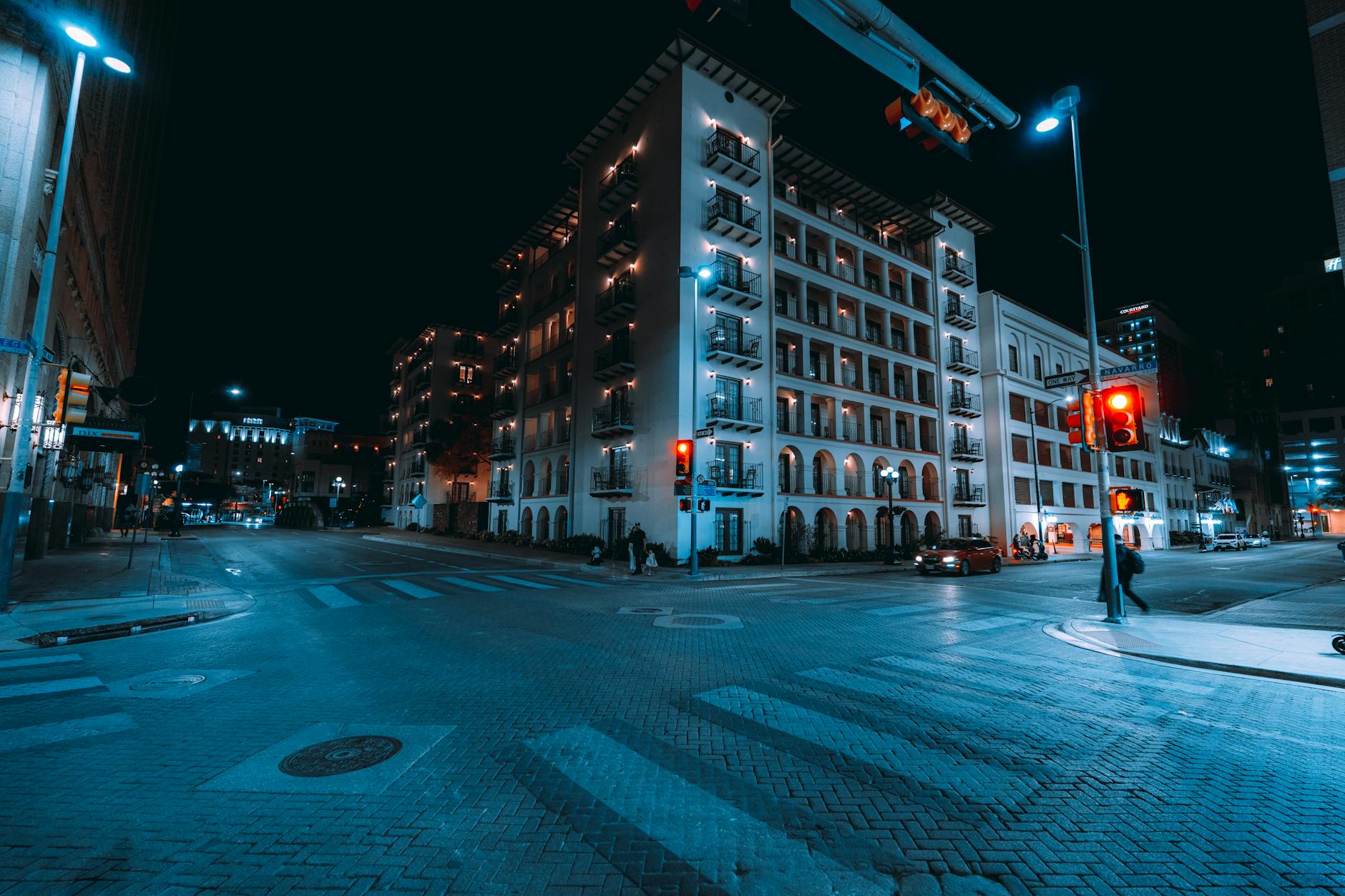
The first time I walked the San Antonio Riverwalk I made the mistake of doing the central downtown loop at lunch on a Saturday, eating at a chain Mexican restaurant whose name I've blocked from memory, and concluding that the whole thing was overrated. The second time I went I knew enough to walk north into the Pearl District, ate at Cured, and realized I'd judged the city based on the worst version of it.
Three visits in, I've got a real opinion. The Riverwalk is exactly as good as your willingness to walk away from the central tourist loop and find the parts that locals actually use.
What the Riverwalk actually is
The Riverwalk is a 15-mile network of pedestrian paths that run alongside the San Antonio River, mostly one level below street grade. The downtown stretch is what shows up in every brochure — that's about a mile of curve through the central business district, lined with restaurants, hotels, and the river barges that drift past every few minutes. Everyone calls that the Riverwalk. It's the smallest and least interesting part.
The full network extends north through the Museum Reach to the Pearl District, and south through the Mission Reach to the four historic Spanish missions. Each of those extensions is more interesting than the central downtown loop. Most tourists never see them.
The downtown loop — what to actually do
If you're staying near the Riverwalk and you want to do the central section, here's the honest play. Skip the chain restaurants — Republic of Texas, Hard Rock, anything with a generic-Mexican name and a multi-page menu. The food is mediocre and overpriced. Walk the loop in the morning before the crowds (it's beautiful at 7 AM, almost empty), have coffee at a small spot like Houndstooth on the river level, and leave the central section before lunch.
If you want one good restaurant on the central loop, Boudro's has been there forever, makes its guacamole tableside, and is the rare downtown spot that's not phoning it in. Reservation recommended on weekends.
The river barge tours are fine. They're 35 minutes, narrated, and give you the historical overview of the Riverwalk's WPA-era construction in the 1930s. Worth it once. The boat ride is more interesting than the narration.
The Pearl District — the actual move
The Pearl District is what justifies coming to San Antonio. It's a 22-acre redevelopment of the old Pearl Brewery, about a 15-minute walk north of downtown along the Museum Reach extension of the Riverwalk. The walk itself is one of the better urban riverside walks in the country — landscaped, public art under the bridges, cyclists and joggers and almost no tourists.
When you arrive at the Pearl, you're in a different city. The restaurants are real. Cured (charcuterie-led, James Beard nominee), Best Quality Daughter (Asian-American, the best meal I've had in San Antonio), Botika (Asian-Peruvian, the ceviche flight is the order), and Carriqui (modern Tex-Mex with proper attention) are all within walking distance of each other. Pharm Table is the wellness-leaning healthy-leaning spot that I'd send my mother to and also genuinely enjoy.
The Pearl Farmers Market on Saturdays is the best in the city. The Hotel Emma is one of the most beautiful hotels I've stayed in anywhere — built into a 19th-century brewhouse, the library bar is a destination unto itself.
If you're spending one night in San Antonio, stay at the Hotel Emma in the Pearl. Walk the Museum Reach into downtown for the Alamo and the central Riverwalk in the morning, walk back to the Pearl for the rest of the day.
Mission San José and the missions trail
The Mission Reach extends south from downtown for about eight miles along the river, connecting four historic Spanish missions: Concepción, San José, San Juan, and Espada. They form, together with the Alamo (which was the fifth mission), the San Antonio Missions National Historical Park, a UNESCO World Heritage Site.
Mission San José is the standout — the largest of the four, the most architecturally intact, and the one that's actively used as a Catholic parish today. The Sunday Mariachi Mass at noon is one of the more transcendent things you can do in the city, regardless of religious orientation. The acoustics inside the 18th-century stone walls and the mariachi setting make for a service that feels like a piece of living history.
You can bike the Mission Reach (rentals available downtown) or drive between missions if you're short on time. The full set takes a half day to do properly. The Alamo, which everyone visits, is the smallest of the missions and the least interesting historically — go for the obligation, but don't expect it to top the others.
The food situation, real talk
San Antonio's food scene used to be dismissed as "Tex-Mex and tourist chains." That's no longer accurate. The Pearl District has lifted the city into a real food destination, and the smaller neighborhoods (Southtown, the King William District, Olmos Park) all have legitimate spots.
Quick list of where I'd actually eat:
- Cured at Pearl — charcuterie, brunch, the Pearl flagship
- Best Quality Daughter — Asian-American, ambitious, the best plate-to-plate menu in town
- Mi Tierra — yes, it's touristy. Yes, it's open 24 hours. The 2 AM huevos rancheros are still legit.
- The Esquire Tavern — oldest continuously operating bar in Texas, on the Riverwalk, real cocktails
- Pharm Table — wellness-leaning, light-and-fresh, the antidote to a brisket-heavy week
- Carriqui — modern Tex-Mex done at a high level
What's not on this list: anything on the central Riverwalk that's part of a national chain.
Where to base yourself
The Hotel Emma in the Pearl is the move if you can swing it ($400-700/night depending on season). It's the most distinctive hotel in the city.
For the central Riverwalk experience, the historic hotels — the St. Anthony, the Menger (next to the Alamo), the Mokara — all have character. The Mokara is the polished modern option; the Menger is the historic-charm option, slightly creaky but charming.
Skip the chain hotels along the central Riverwalk. They're priced for the location and the rooms are generic.
What I'd do differently
I'd skip the central Riverwalk almost entirely now and base my entire trip around the Pearl District and the missions. The downtown loop is fine for a sunrise walk and an evening drink at the Esquire, but the city's actual energy is north and south of downtown.
I'd also pair San Antonio with the Hill Country wine trip — Fredericksburg is 80 minutes north, the wineries are about the same. San Antonio + Hill Country is a more coherent long weekend than San Antonio alone.
Final thoughts
San Antonio is more interesting than it gets credit for and the central Riverwalk is less interesting than it gets credit for. Skip the chain restaurants, walk to the Pearl, do the missions properly, and stay at the Hotel Emma if you can. The Texas travel guide has the rest of the state if you're stitching this into a bigger trip.
Bring the trip home
Every photo on York Adventures is shot on location and available as a fine-art print. Browse the gallery to find a frame for your wall.
Stay in the Loop
Get new photos, stories & exclusive deals straight to your inbox.
Related Posts
Dallas vs Houston vs Austin: Which Texas City to Visit First?
An honest comparison from someone who's been to all three: Dallas vs Houston vs Austin on food, culture, walkability, weather, and which one to visit first.
Best Texas Photo Spots (From Marfa to the Hill Country)
Texas photo spots from a photographer who's been: Hamilton Pool, Marfa at golden hour, Big Bend canyons, Austin skyline, Hill Country bluebonnets, and more.
The Texas BBQ Pilgrimage: 7 Joints Ranked After a Long Weekend
I drove a four-day Texas BBQ loop and ranked seven joints honestly: Franklin, Snow's, Louie Mueller, La Barbecue, Terry Black's, Pecan Lodge, and one surprise.