Best Texas Photo Spots (From Marfa to the Hill Country)
Reviewed for accuracy on May 4, 2026
I've shot Texas across two cameras and four trips and walked away each time with the same realization: it photographs harder than it looks. The state has incredible material — desert light in Big Bend, the surrealism of Marfa, bluebonnets blanketing Hill Country meadows in April — but the scale and the harsh midday sun punish lazy planning. The shots that work all happened at the right time of day with the right amount of patience.
Here's the list of spots I'd actually go back to and shoot, with the practical notes on light, gear, and timing.
The shortlist
Twelve spots, ranked by how often I'd send a serious photographer.
- Marfa at golden hour (anywhere in town, but especially Hotel Saint George rooftop)
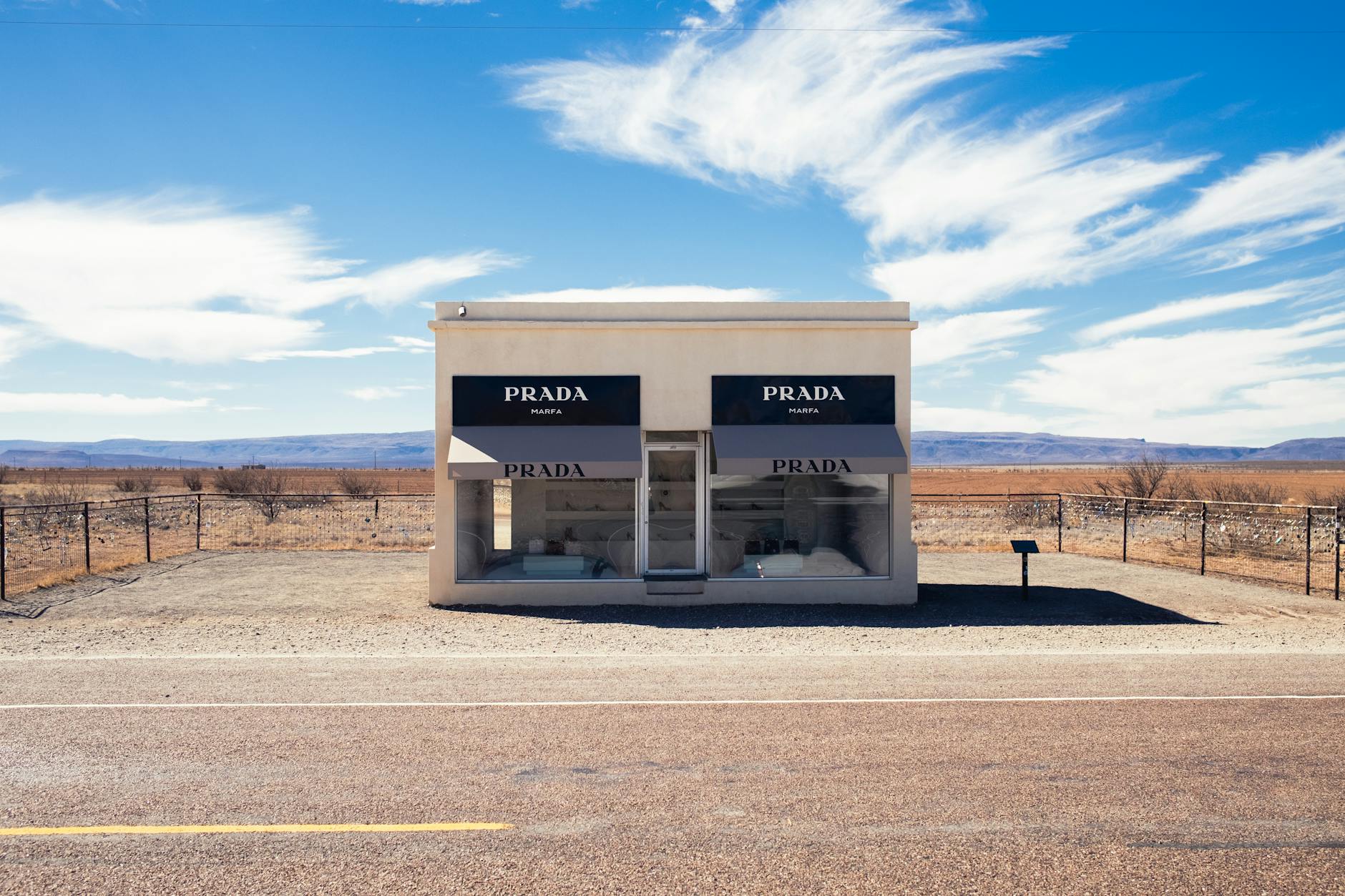
- Prada Marfa at sunset
- Santa Elena Canyon, Big Bend (afternoon light on the western wall)
- Hamilton Pool grotto (mid-morning, when light hits the back wall)
- Austin skyline from the Pfluger Pedestrian Bridge (blue hour)
- Mount Bonnell at sunset (Lake Austin and the hills)
- Bluebonnets in Hill Country (mid-April, near Brenham or Burnet)
- Lost Mine Trail saddle, Big Bend (sunrise)
- Pedernales Falls at low water (golden hour)
- McDonald Observatory star party (any clear night)
- The Pearl District at blue hour (San Antonio)
- Mission San José facade (early morning)
Marfa — the surrealism light
Marfa photographs unlike any other small town I've shot. The combination of high desert light, the wide grid of dirt streets, and the art-installation strangeness of the town itself makes for shots that work even when you're not trying. Golden hour in Marfa is unusually long — the high elevation (4,800 feet) and the dry desert air mean the warm light lingers for 60-90 minutes before sunset.
Specific spots: the rooftop of Hotel Saint George at sunset, with the courthouse cupola in the foreground. The Stardust Motel sign at blue hour. Any of the dirt-road residential streets in late afternoon — the texture and the long shadows do most of the work. The Marfa Lights viewing area on US-90 East at twilight, especially if you can get a foreground silhouette against the sky.
Prada Marfa is the obvious shot. Sunset is the right time. Bring a tripod and a wide-angle (24mm equivalent or wider) and shoot from low and slightly off-angle to get the building, the road, and the desert horizon all in frame. Avoid the middle of the day — the harsh light flattens the building and washes out the composition.
Big Bend — desert and canyon work
Big Bend is the hardest landscape on this list to shoot well, and the most rewarding when it works. The challenge is the scale — every dramatic view is more dramatic in person than it looks on a sensor, and most of the obvious shots end up looking small and underwhelming once you're back home.
What works: tight compositions in Santa Elena Canyon (afternoon, when the western wall is in light and the eastern wall is in shadow — that contrast is the photo). The Sotol Vista overlook at sunset, with a polarizer to deepen the sky. The Lost Mine Trail saddle at sunrise, when the Sierra del Carmen on the Mexican side glows pink for ten minutes.
A note on the river: shooting from the river itself, on a paddle trip through one of the canyons, is a completely different experience and produces frames you can't get from the rim. If you're a serious photographer, build in a half-day raft trip.
Hamilton Pool — the timing problem
Hamilton Pool is one of the most-photographed places in Texas and getting the shot is harder than it looks. The grotto faces roughly southwest, which means the back wall (the iconic mossy rock face with the waterfall) is in shadow for most of the day. The window when the light works — when the sun is high enough to spill into the basin but low enough to still be warm — is about 90 minutes, mid-morning in the right season.
The other catch: the reservation system. Slots release 30 days in advance and book within minutes for weekend mornings. If you're serious about the shot, book a weekday morning, and target the 9 AM-11 AM slot in fall when the sun angle works.
Bring a tripod, a wide-angle lens (16-35mm full-frame equivalent), and a polarizer to manage the wet rock reflections. A 6-stop ND filter if you want to smooth the waterfall.
Hamilton Pool's lesson, learned the hard way: the famous shot only works in a 90-minute window and the rest of the day is full of decent photos and one impossible one.
Austin — the urban shots
Austin's skyline, photographed from the Pfluger Pedestrian Bridge over Lady Bird Lake, is the consensus best urban shot in the city. Blue hour after sunset is the right time — the sky is a saturated cobalt and the building lights are bright enough to register without blowing out. The reflection in the lake water doubles the composition.
Mount Bonnell at sunset is the harder, better shot. It's a 20-minute drive from downtown, a short walk up to the overlook, and the view is west across Lake Austin into the Hill Country. The light hits the cliff faces on the far side of the lake and the river bends in a way that frames itself.
For Austin street photography, the Continental Club exterior at night, the murals in East Austin (Hope Outdoor Gallery's successor, the I Love You So Much wall on South Congress, the Greetings From Austin mural in South 1st), and the food trailer pods at twilight all work.
Bluebonnets — the spring window
Bluebonnets are the Texas postcard shot and the window is narrower than people think. The peak is mid-April, give or take a week depending on the year's rainfall. The spots that consistently produce: the rolling fields around Brenham (about 90 minutes east of Austin), the meadows along Highway 16 between Llano and Fredericksburg, and the patches around Burnet and Marble Falls.
The mistake everyone makes is shooting bluebonnets at midday. The flowers are most photogenic in early-morning or late-afternoon light, when the side-light brings out the texture of the fields and the warm tones complement the cool blue.
Etiquette: don't trample fields, don't pick the flowers (they're a state symbol and protected in many areas), and don't put your kids in the middle of a roadside field for the family photo without checking that the field isn't on private property.
San Antonio — the underrated frames
San Antonio is harder to shoot than it sounds because most of the iconic spots (the Riverwalk, the Alamo) are crowded enough to make tripod work impossible. The shots that work are the ones taken at off-hours.
Mission San José at 7 AM, before the tourist buses arrive, with the stone facade catching the early sun. The Pearl District at blue hour, with the brewhouse silhouette and the riverside lights. The Esquire Tavern interior at any hour — the back bar mirrors and the long wood bar make for a rare instance of an interior shot that holds up.
Skip the central Riverwalk for serious photography. Too crowded, too compressed for wide compositions, and the chain-restaurant signage clutters every frame.
Gear for a Texas trip
What I actually pack:
- 24-70mm zoom (the workhorse, gets 70% of the keepers)
- 16-35mm wide angle (canyons, swimming holes, urban architecture)
- 70-200mm zoom (Marfa golden-hour compression, distant Big Bend ridges)
- Tripod (Marfa, Hamilton Pool, blue hour Austin)
- Polarizer + 6-stop ND filter
- Extra batteries (heat eats them faster than expected)
- A real water bottle, not because of gear but because dehydration kills your concentration
For a phone-only trip, the same principles apply — shoot at the right time of day, use the wide lens for canyons, bring a small tripod for blue hour.
What I'd do differently
I'd plan trips entirely around light. Marfa needs golden hour. Big Bend needs sunrise. Hamilton Pool needs mid-morning. Bluebonnets need April. The mistake on my first Texas trip was treating photography as a thing I'd do "while I was there" — the right approach is to schedule the trip around the windows and let the rest of the day fill in around the shots.
I'd also bring a real backup drive. Texas is a high-output trip and I've come home with full cards more than once. If you're shooting raw and working seriously, you'll thank yourself.
Final thoughts
Texas rewards photographers who are willing to wake up early and stay out late. The midday hours are mostly a wash — heat, harsh sun, and washed-out colors — but the bookend hours produce frames you can't replicate anywhere else. For the broader trip planning, the Texas travel guide covers the regions, and the Marfa road trip guide and Big Bend itinerary cover the two strongest landscape destinations in detail.
Bring the trip home
Every photo on York Adventures is shot on location and available as a fine-art print. Browse the gallery to find a frame for your wall.
Stay in the Loop
Get new photos, stories & exclusive deals straight to your inbox.
Related Posts
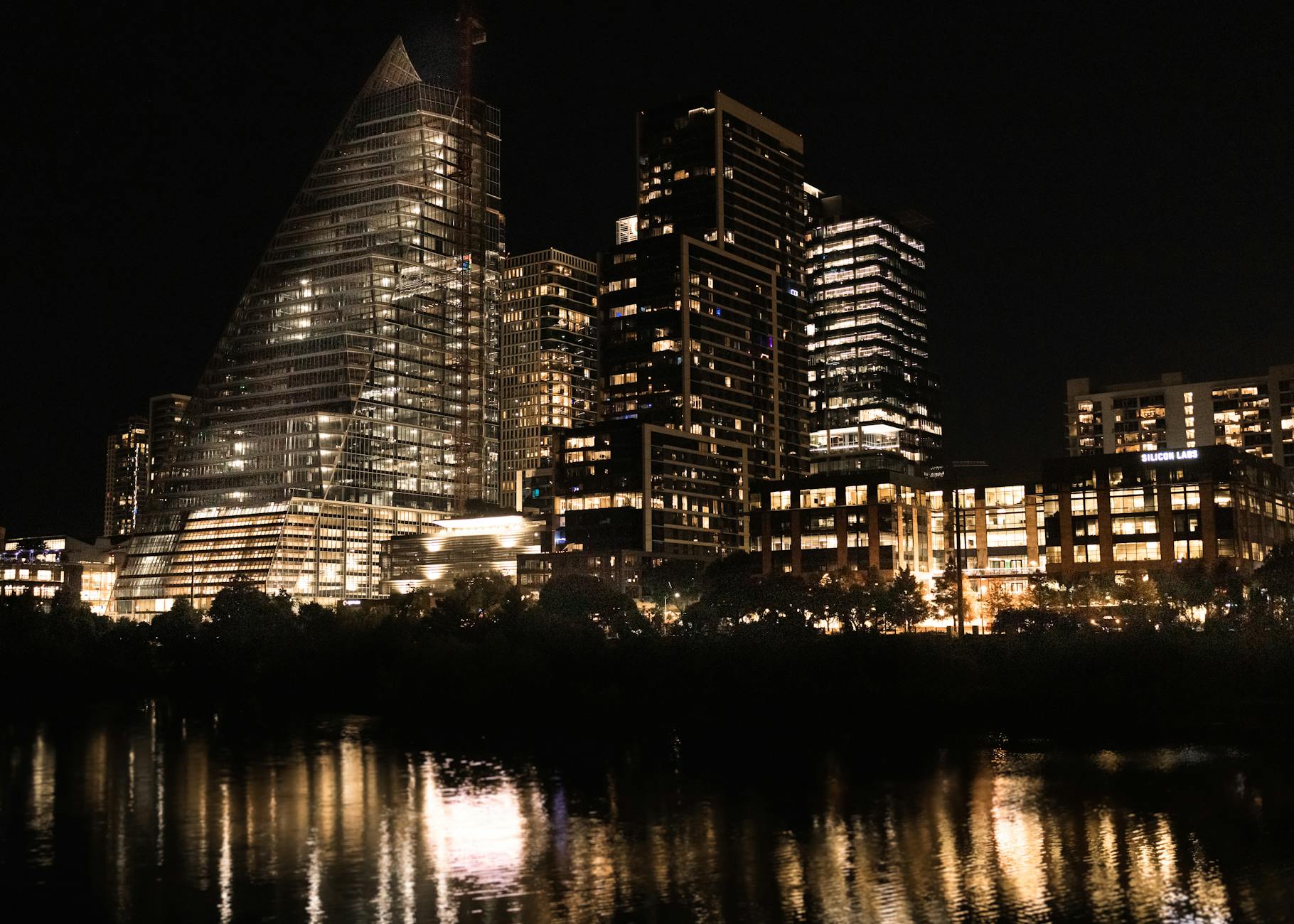
Dallas vs Houston vs Austin: Which Texas City to Visit First?
An honest comparison from someone who's been to all three: Dallas vs Houston vs Austin on food, culture, walkability, weather, and which one to visit first.
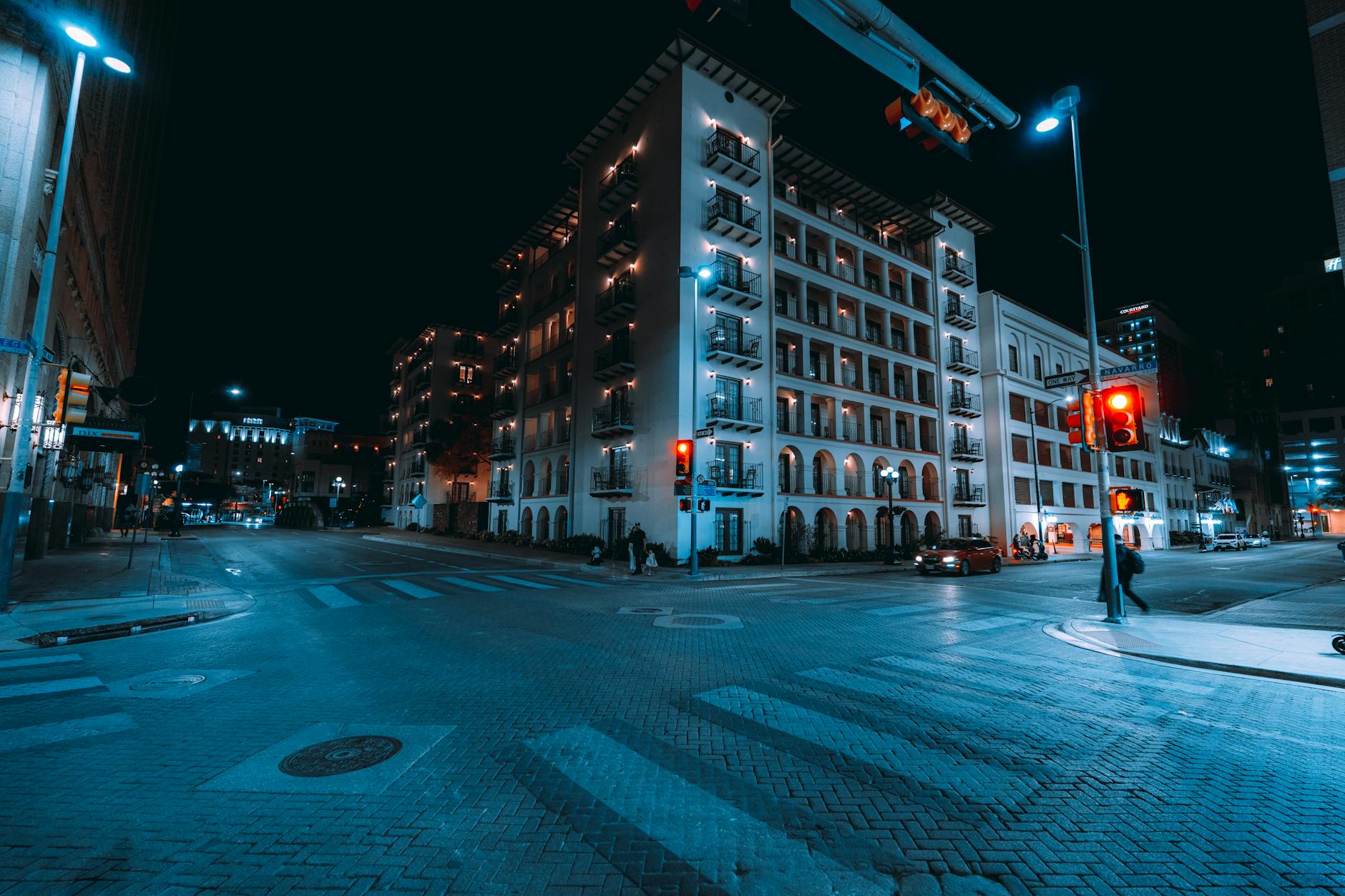
San Antonio Riverwalk: Honest Take After Three Visits
An honest take on the San Antonio Riverwalk after three visits: what's tourist trap, what's actually great, and where to walk to escape the chain restaurants.
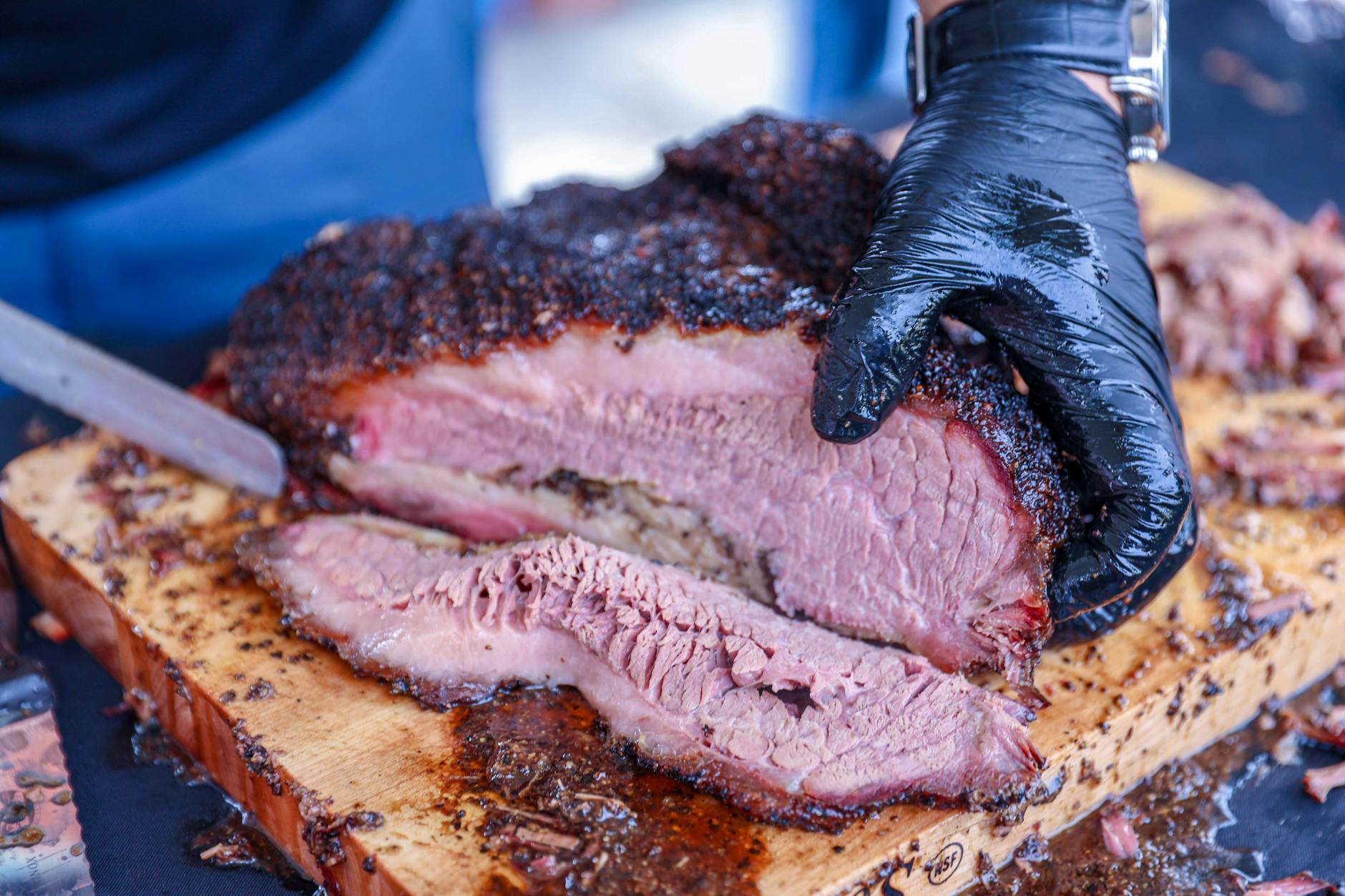
The Texas BBQ Pilgrimage: 7 Joints Ranked After a Long Weekend
I drove a four-day Texas BBQ loop and ranked seven joints honestly: Franklin, Snow's, Louie Mueller, La Barbecue, Terry Black's, Pecan Lodge, and one surprise.