Snuba at Xcaret: How It Compares to Snorkeling and Scuba
Reviewed for accuracy on Dec 8, 2025
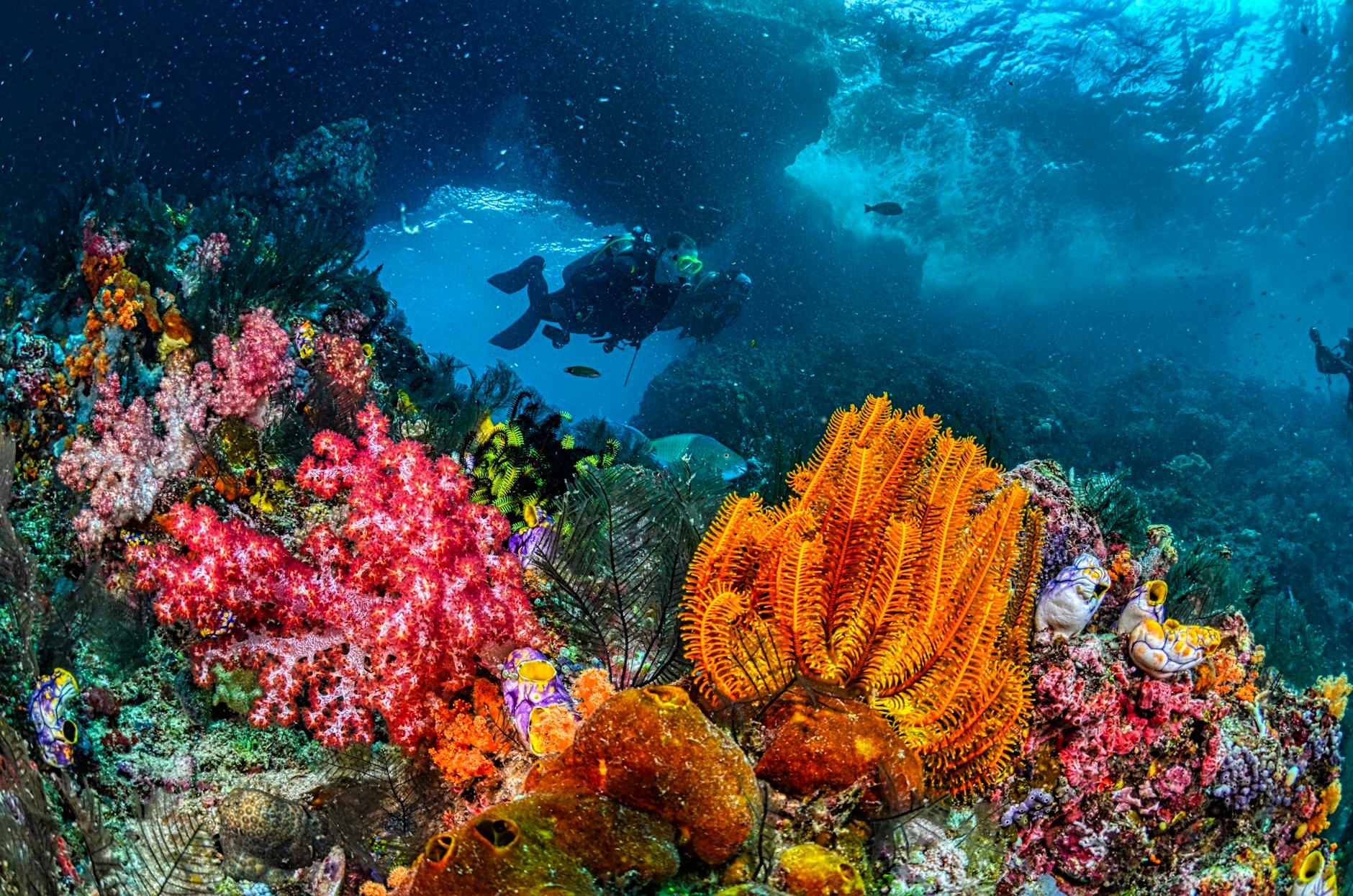
The first time I tried Snuba I assumed it was a tourist gimmick — scuba's safer, dorkier cousin. By the end of the 30-minute dive I'd changed my mind. Snuba is its own thing, and at Xcaret in particular it occupies a useful slot between "I can snorkel but I want more" and "I want to get scuba certified." I've now done Snuba at Xcaret twice and scuba in Cozumel about a dozen times, plus all the snorkel I've already written about. Here's how the three actually compare in practice.
The headline
Snuba at Xcaret is a real underwater experience that gets you 15–20 feet down for about 30 minutes of bottom time, no certification required, no heavy tank on your back, and at roughly $80 USD per person it's the best dollar-per-minute underwater activity in the park. If you've never been on a regulator before, it's the cleanest way to find out whether scuba diving is something you want to pursue.
If you're already a certified diver, skip it and book a real scuba day in Cozumel or Akumal instead.
What Snuba actually is
The Snuba rig is elegant. There's a standard scuba tank strapped to a small raft floating on the surface. A 20-foot air hose runs from the tank's regulator down to your mouth. You wear a mask, fins, and a weight belt — no tank on your back, no buoyancy compensator vest. You breathe through a normal scuba regulator. The raft follows you around on the surface.
The hose is your tether and your depth limit. You can go down to about 18–20 feet (the length of the hose) and as long as you stay under it, you can swim freely along the bottom. A divemaster swims with you, usually one per group of three or four guests, monitoring everything.
The setup means a few things matter:
- You can't dive deeper than the hose
- The raft moves with you, so you can roam, but only as a group
- The instructor controls the pace
- If you panic, you let go of the regulator, swim up the hose, and you're on the surface with a clear path
It's intentionally designed so the worst-case scenario is "you swim up to a floating raft."
What it actually feels like
Snuba feels closer to scuba than to snorkeling, which surprises people. A few notes from doing it twice:
The breathing through a regulator is the new sensation. If you've never done it, you spend the first two or three minutes acutely aware of every inhale and exhale. By minute five you forget about it entirely. The regulators they use are standard recreational gear and the instructors brief you well on clearing them if water gets in.
The buoyancy is different from snorkeling because you're underwater rather than at the surface. There's no fighting to stay down with a snorkel. You sink to the depth you want and stay there. It's astonishing how much more relaxed your body is when you're not constantly kicking up to breathe.
The visibility on Snuba at Xcaret was 25–30 feet on both my dives, which is better than the snorkel cove because you're below the surface chop and out of the path of swimmers. The fish behavior is also different at depth — they're more curious about you and less spooked.
The thing nobody tells you about Snuba is how quiet it is. You hear your own breathing, you hear the bubbles, and that's it. After a snorkel session full of splashing kids, the silence underwater is its own reward.
What you actually see
The Snuba route at Xcaret runs through a section of the inlet that's deeper and quieter than the snorkel area. On my dives I saw:
- Larger schools of grunts and snapper than the snorkel cove had
- A barracuda hanging in the water column at the edge of the route (the only one I've ever seen in the park)
- Stoplight parrotfish working the limestone in pairs
- A spotted moray tucked in a fissure that the divemaster knew exactly where to find
- Live brain coral and gorgonians along the bottom
It is not a wild Caribbean reef. The route is curated and the fish populations are partly seeded. But it's significantly more underwater life than you see snorkeling the cove, and the depth gives you a different perspective on the same animals.
Snuba vs. snorkeling at Xcaret
A side-by-side from someone who's done both:
| Factor | Snorkel cove | Snuba |
|---|---|---|
| Cost | Free with admission (gear ~$15) | ~$80 per person |
| Time underwater | As long as you want | ~30 min bottom + briefing |
| Depth | Surface only | 15–20 feet |
| Skill required | Comfortable swimmer | Comfortable in water, no swim skill |
| Fish you'll see | Sergeant majors, snapper schools | Same plus larger species, moray, barracuda |
| Visibility | 15–25 feet | 25–30 feet |
| Best for | Casual look, families with kids | First-time deep, scuba-curious |
If you can only do one, the snorkel is fine for the casual visitor and Snuba is worth the upgrade if you want to see more or you've been curious about what scuba feels like.
Snuba vs. real scuba diving
The real comparison Snuba invites is to certified open-water scuba. Honest assessment from someone who does both:
Snuba is to scuba what an automatic transmission is to a manual. You get most of the underwater experience without having to manage buoyancy, weight, equalizing on descents, depth limits, or any of the gear management. A divemaster is right next to you. The hose limits where you can go but it also removes most of the things that go wrong.
Real scuba lets you go to 60+ feet, control your own buoyancy, swim in any direction, and explore real reef structures for 45+ minutes. It also requires a certification (PADI Open Water is a 3–4 day course or e-learning + 2 days in the water), real money in gear or rentals, and a level of comfort with equipment failure scenarios that beginners reasonably don't have.
If you're scuba-certified, Snuba feels claustrophobic and limited. If you're not, Snuba feels like magic.
Who should book Snuba at Xcaret
A short list of who I'd push toward Snuba over the alternatives:
- Anyone curious about scuba but not ready to commit to certification
- Confident snorkelers who want to see deeper fish without the surface chop
- Couples where one is certified and one isn't (you can both go on the same Snuba dive — certified diver does it for fun, beginner does it as their first underwater experience)
- Photographers wanting underwater shots that aren't possible from the surface (though you'll need to rent or bring a real underwater camera; phones in cases are usually allowed but check)
- Anyone who can't wear scuba gear due to weight, balance, or back issues
Who should skip it
- Already-certified divers who can drive 45 minutes south to a real reef in Akumal or take the ferry to Cozumel — the same money buys a much better dive
- People who haven't snorkeled before and aren't comfortable with a mask on their face yet
- Kids under 10 (Xcaret's Snuba minimum is 8 with a parent, but in practice the kids who do well are 12+)
- Anyone with sinus issues that prevent equalizing — Snuba goes deeper than snorkeling and you do need to clear ears
Logistics
- Cost is around $80 USD per person on top of park admission
- Time slots are limited and book up — reserve at the activities desk on entry, or book ahead through the official site
- Duration is roughly 90 minutes total: 20 min briefing and gear, 30 min in the water, the rest is logistics
- Medical waiver is required, same as scuba — they ask about heart, lungs, sinuses, recent surgery
- Don't fly within 12 hours of doing Snuba (technically a scuba rule, applies because you are breathing compressed air at depth — practically irrelevant for most park visitors but worth noting)
What I'd do differently
The first time I booked Snuba I scheduled it for the morning and I was still half-tired and over-caffeinated when the briefing started. I missed half of what the instructor said about clearing the mask and ended up with water in it twice during the dive. The second time I booked the early afternoon slot, ate a real lunch, sat through the briefing fully present, and the dive was twice as enjoyable.
The other thing: bring your own dive mask if you have one you trust. The rental masks are fine but the seal on a mask you've already broken in is always better than a fresh rental, and a leaky mask underwater is the single most distracting thing.
For the broader Xcaret day, the Ultimate Guide covers the layout, and the optional experiences ranked post puts Snuba in context against the dolphin swim, Sea Trek, and the photo packages. If you want to see what real Caribbean reef diving looks like for comparison, the day trip to the cenotes and a half-day boat to Cozumel will show you the next two tiers up. Snuba is the on-ramp. The reefs are the highway.
Bring the trip home
Every photo on York Adventures is shot on location and available as a fine-art print. Browse the gallery to find a frame for your wall, or ask about my Hotel Xcaret member rate before you book.
Free PDF
Get the free Hotel Xcaret Cheat Sheet (PDF)
12 pages of pre-trip booking order, tipping, what's included, and the restaurants to reserve before you fly.
One email — the PDF link, plus the occasional Xcaret tip. No spam, unsubscribe anytime.
Stay in the Loop
Get new photos, stories & exclusive deals straight to your inbox.
Related Posts
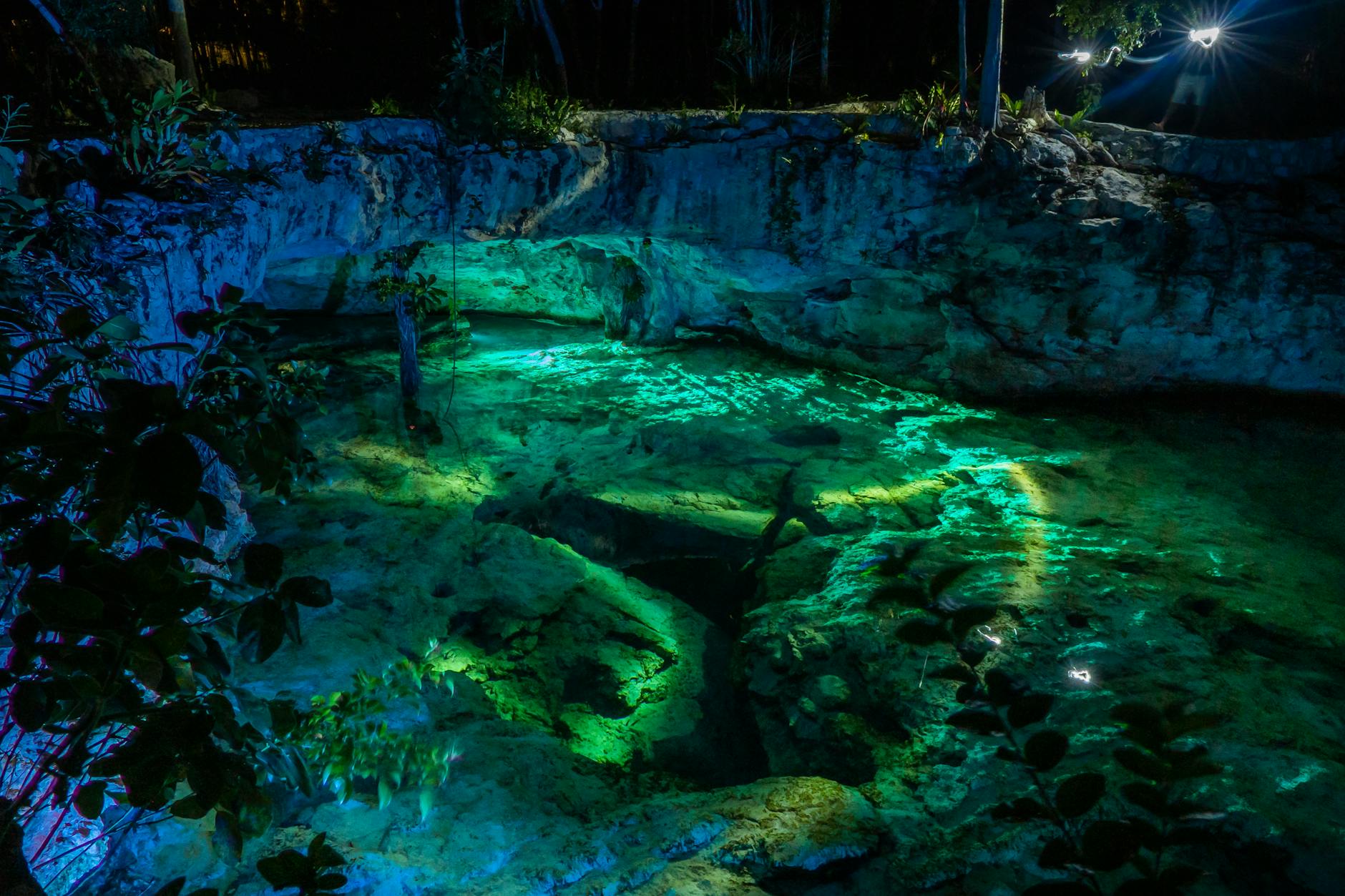
Snorkeling Xcaret's Beach: Honest Review and Best Coves
After a half-dozen snorkel sessions in Xcaret's beach inlets, here's what the brochure won't tell you about Caleta, Caleta de Manatí, fish counts, and gear.
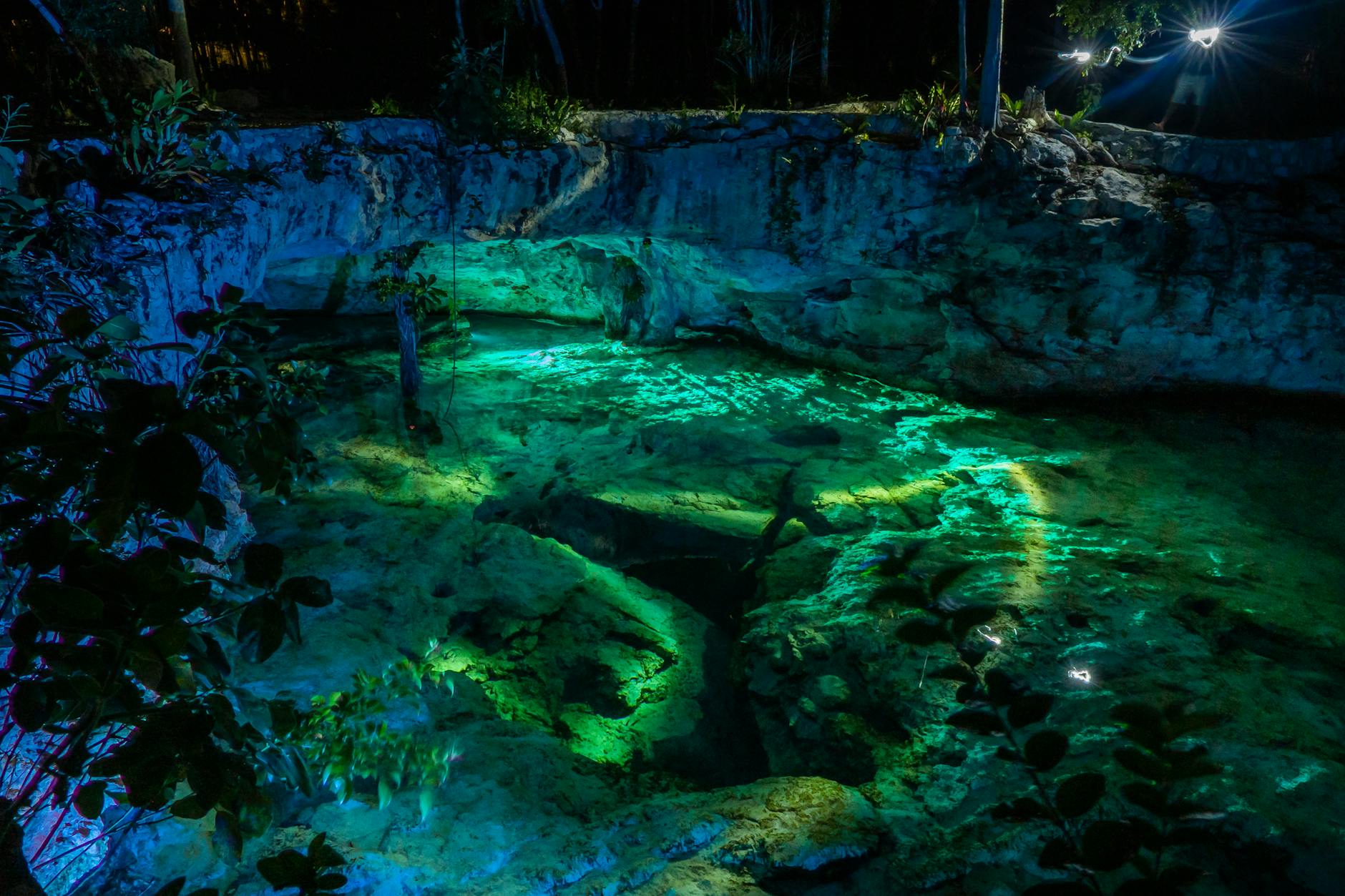
Cenote Dos Ojos vs Gran Cenote: Which to Choose?
Two of the most famous cenotes near Tulum, twenty minutes apart, very different experiences. Here's how I pick between them on any given day.
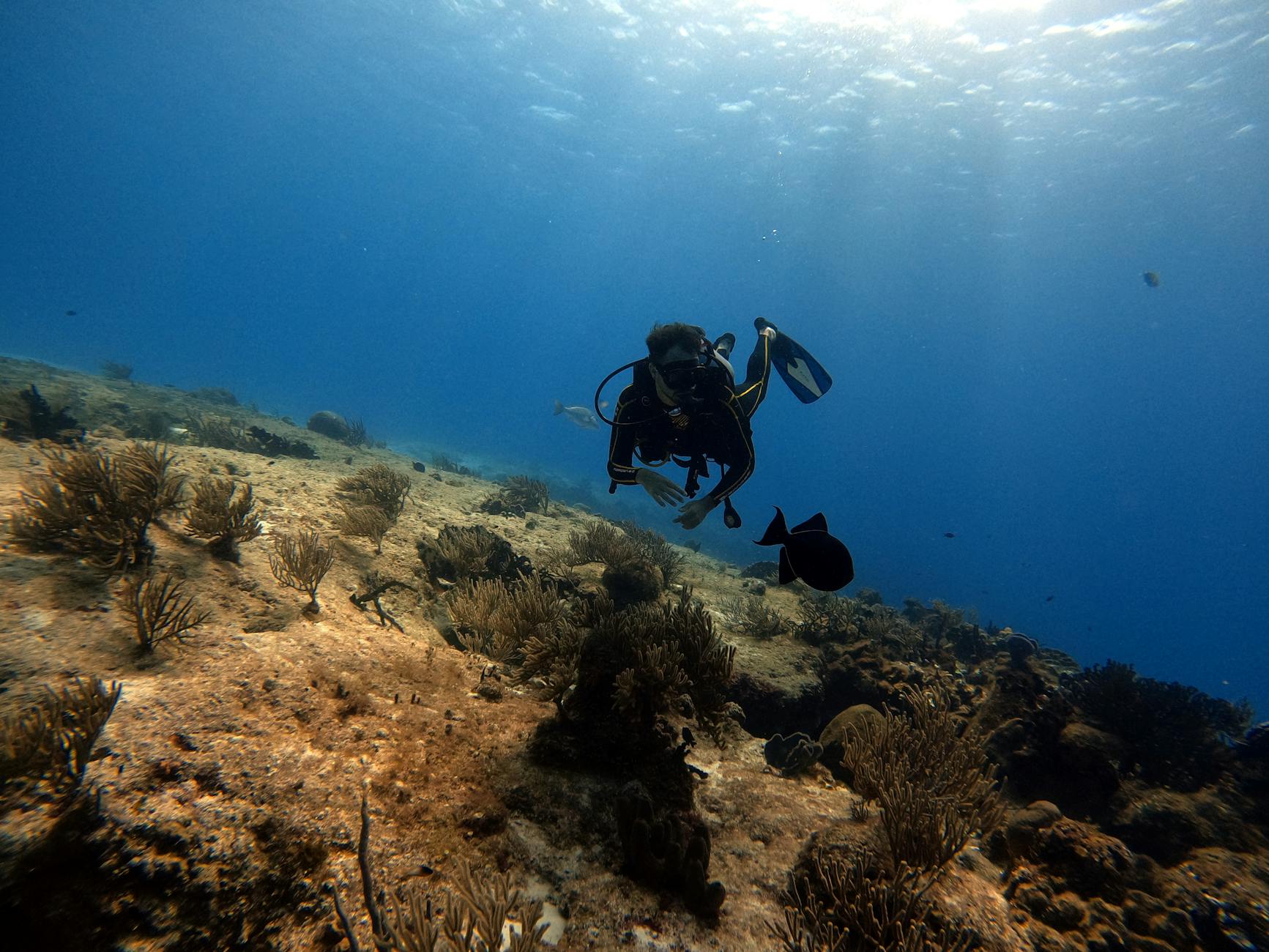
Cozumel Day Trip From Xcaret: Ferry, Snorkel, and What to Skip
How to do Cozumel from Hotel Xcaret in one day without wasting two hours at Chankanaab or paying cruise-ship prices for a so-so reef tour.