Cenote Dos Ojos vs Gran Cenote: Which to Choose?
Reviewed for accuracy on Feb 2, 2026
Every time I drive south from Hotel Xcaret with cenotes on the agenda, I have the same internal argument. Dos Ojos or Gran Cenote? Both? In what order? After running this trip enough times I've finally figured out the answer, which depends almost entirely on what kind of day you want to have.
Here's the honest comparison.
The basics, side by side
Both are within a 25-minute drive of Tulum and roughly an hour and twenty from Hotel Xcaret. Both have lifeguards, equipment rental, and bathrooms. Both have entry fees in the 350–500 peso range. They are not, however, the same kind of cenote.
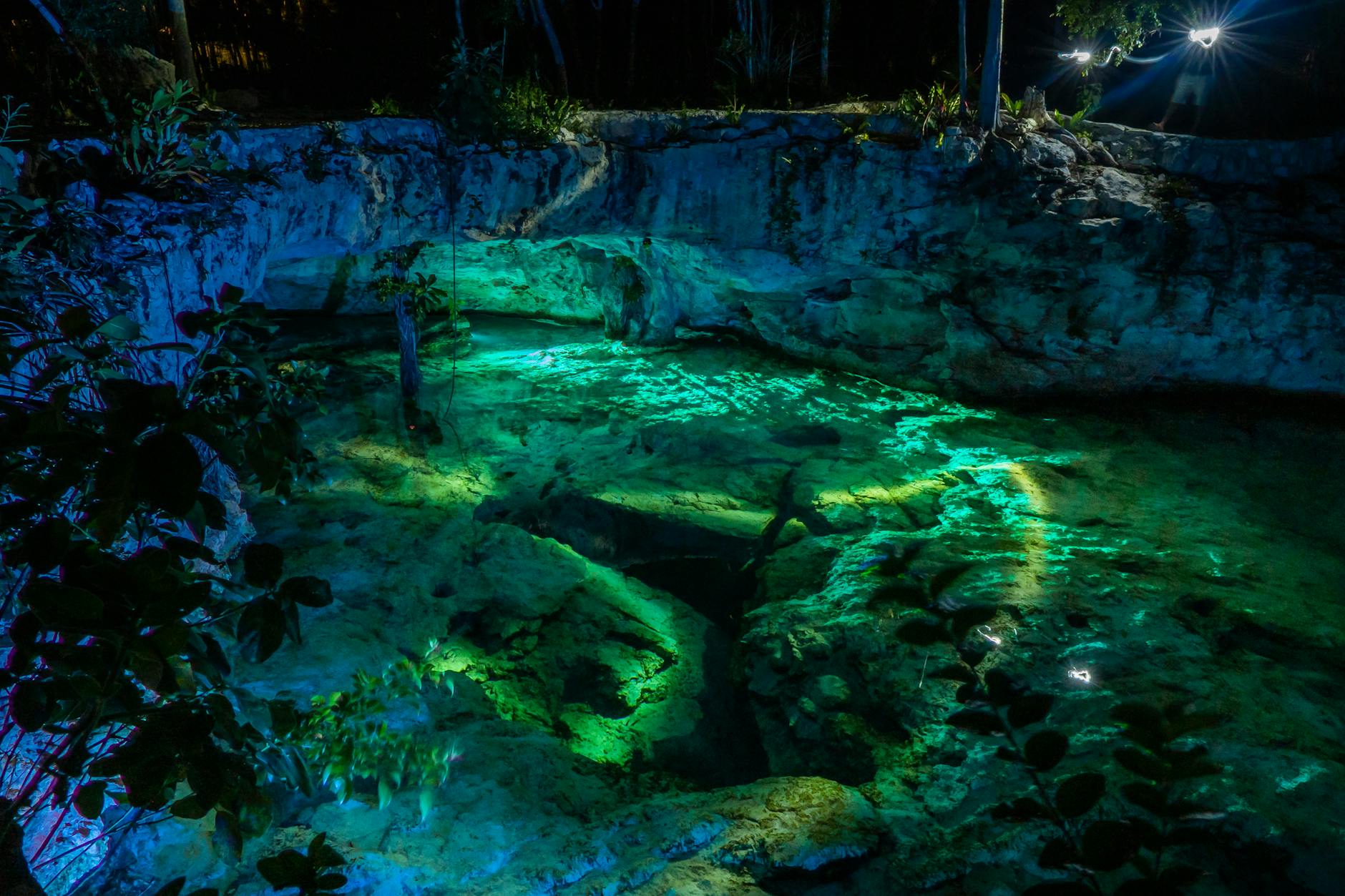
Gran Cenote is a pair of connected open sinkholes joined by a swim-through under a low limestone arch. The water is shallow and gin-clear. There are turtles. The whole thing is the size of a large backyard pool.
Dos Ojos is a system of two large, semi-open cenotes (the "two eyes") connected to a much larger underground river system. It's deeper, wilder, less manicured, and the centerpiece of one of the longest underwater cave systems on Earth.
If Gran Cenote is a perfectly arranged Japanese garden, Dos Ojos is a national park. Both are great. They feel different.
The crowd factor
This is the biggest practical difference between them.
Gran Cenote is on every Tulum day-trip itinerary, every cruise excursion, every "Top 10 Cenotes" listicle ever written. By 10 AM on a January morning the parking lot is full and there's a line for the snorkel rental. The crowd inside the water is constant — you'll always be near someone.
Dos Ojos is bigger. The two cenotes are large enough that even on a busy day there are corners with no people. The main eye gets crowded by midday but the second eye, accessed via a short jungle trail, is usually quieter. Cave divers also use Dos Ojos as a launch point, so you'll see groups of full-tank divers gearing up along the platforms — fascinating to watch even if you're just snorkeling.
If crowd avoidance matters to you, arrive at either cenote by 8:30 AM or pick Dos Ojos.
What you actually see
At Gran Cenote, the highlights are the turtles, the swim-through arch, and the late-morning light. There's a small cave on the back side where the water is mirror-still and the limestone reflects in long ribbons. It's photogenic in a refined, postcard way.
At Dos Ojos, the highlights are the depth, the rock formations, and the genuine cave atmosphere. You can snorkel into a partially submerged cave called the "Bat Cave" with a guide. Stalactites hang from the ceiling. The water can hit 30 feet deep in places. Light shafts come down through the openings overhead in dramatic, churchy beams.
Gran Cenote is the cenote you photograph for your friends. Dos Ojos is the cenote you remember in ten years.
I'm only half joking. Gran Cenote is genuinely beautiful and easy. Dos Ojos rewards effort and curiosity in a way Gran Cenote doesn't.
The cost breakdown
Pricing as of my last visits:
- Gran Cenote: ~500 pesos entry, ~100 pesos snorkel rental, ~100 pesos locker
- Dos Ojos: ~350 pesos entry (basic), 600+ pesos for guided cave snorkel, ~100 pesos snorkel rental, parking included
Dos Ojos is the better deal if you skip the guided cave portion. With the guided snorkel into the Bat Cave, they end up roughly the same price.
A note on cash: both take cards now, but the card readers are unreliable in the rainy season (network issues) and small bills in pesos make any negotiation easier.
Snorkel vs. dive
Both cenotes are snorkel-friendly and don't require any swim experience beyond comfortable floating with a mask. Both have lifejackets available if you want one.
The difference is that Dos Ojos is also one of the most famous cave-diving sites in the world. If you're a certified cave diver, Dos Ojos is the bucket-list option, with guided cave tours running $150–$250. Gran Cenote has some diving but it's a smaller system and used mostly for cavern (not full cave) certifications.
For a snorkeler with no diving aspirations, Dos Ojos still wins on sheer scale, but Gran Cenote wins on ease.
Picking between them
Here's my actual decision tree.
Pick Gran Cenote if:
- It's your first cenote and you want the iconic experience
- You're traveling with kids under 8 — the shallow water is safer
- You want to combine it with a Tulum ruins visit (Gran Cenote is closer)
- You're short on time and want a 90-minute stop
Pick Dos Ojos if:
- You've already done one cenote and want something bigger
- You're a confident swimmer or interested in the cave systems
- You want better crowd-to-space ratio
- You're willing to make it the main event of the day
If you can't decide, do both — they're 20 minutes apart on the same road. Hit Dos Ojos first thing in the morning when the sun is angled best for the underwater cave shafts, then Gran Cenote in the late morning. Lunch in Tulum after.
Logistics from Hotel Xcaret
The drive south is roughly the same to either. From the resort, take Highway 307 south past Akumal, past Tulum town, and turn west on the road to Cobá (Highway 109).
- Dos Ojos is about 15 minutes from Tulum on the Cobá road, signposted on the right.
- Gran Cenote is just past Dos Ojos, also on the right.
Total drive from Hotel Xcaret: about 1 hour 20 minutes one way. Bring water, snacks, and small bills. There's a Pemex station in Tulum for fuel; the road to Cobá has nothing.
If you don't want to drive, both cenotes are accessible from Tulum by colectivo (shared van, ~50 pesos) or taxi (~250 pesos one way). You can also book a guided tour from Hotel Xcaret that includes both — usually around $130 per person with transport, lunch, and gear.
My packing list for either
The basics I always have in my cenote bag:
- Reef-safe sunscreen (regular sunscreen will get you turned away — they check)
- Water shoes (the limestone steps can be slippery)
- A microfiber towel
- A small dry bag for phone and keys
- A waterproof phone case or GoPro
- Water bottle (refillable; fill at the cenote bathrooms)
- 2,000 pesos in cash, mostly in 100s and 200s
- An extra t-shirt for the drive back
For more on the broader cenote landscape and a longer DIY route from the resort, see my cenotes near Xcaret and cenotes day trip from Xcaret posts. The latter has the full multi-cenote loop I drive when I have a whole day.
The Xcaret-park alternative
If the drive doesn't appeal to you, Hotel Xcaret has its own underground river systems on property that you can swim through with no extra cost. They are excellent in their own right. They are also not Dos Ojos. The wild cenote experience is fundamentally different from the resort one — different water, different rock, different sense of having found something. If you've never seen a real cenote, the off-property trip is worth it. If you have and you're tired, the on-property rivers are honestly great.
The ultimate guide to Xcaret park covers what's actually inside the park gates and the planning Xcaret vacation tips post breaks down which off-park days are worth the effort.
What I'd do differently
My first cenote trip from Xcaret, I tried to "do" both Dos Ojos and Gran Cenote in 90 minutes total — half an hour at each, plus drive time. I didn't see anything at either. I floated, took two bad photos, and was back at the resort by 1 PM wondering what the fuss was about.
The fuss is real. You just have to actually be in the water for an hour at each spot to feel it. Pick one, give it two hours, and add the other only if you've got the energy. The cenotes are a slow-down activity, not a checklist activity.
For the broader Riviera Maya context, the Xcaret destination hub has the full set of itineraries I keep working with.
Bring the trip home
Every photo on York Adventures is shot on location and available as a fine-art print. Browse the gallery to find a frame for your wall, or ask about my Hotel Xcaret member rate before you book.
Free PDF
Get the free Hotel Xcaret Cheat Sheet (PDF)
12 pages of pre-trip booking order, tipping, what's included, and the restaurants to reserve before you fly.
One email — the PDF link, plus the occasional Xcaret tip. No spam, unsubscribe anytime.
Stay in the Loop
Get new photos, stories & exclusive deals straight to your inbox.
Related Posts
Best Cenotes in the Riviera Maya for Swimming and Photos
My ranked shortlist of the cenotes worth your time — for the swim, for the light, and for the frames — with the exact times to shoot each one.
Xenotes vs Xcaret: Which Cenote Experience to Pick
Both are run by the same company and both involve cenotes — but they are very different days. Here's how to choose between Xenotes and Xcaret's underground rivers.
The Best Cenotes Day Trip From Xcaret (Map Included)
A no-fluff route I've run three times: which cenotes to hit, what order to do them in, and how to dodge the tour-bus crowds on the road from Xcaret.