Best Cenotes in the Riviera Maya for Swimming and Photos
Reviewed for accuracy on Jun 24, 2026
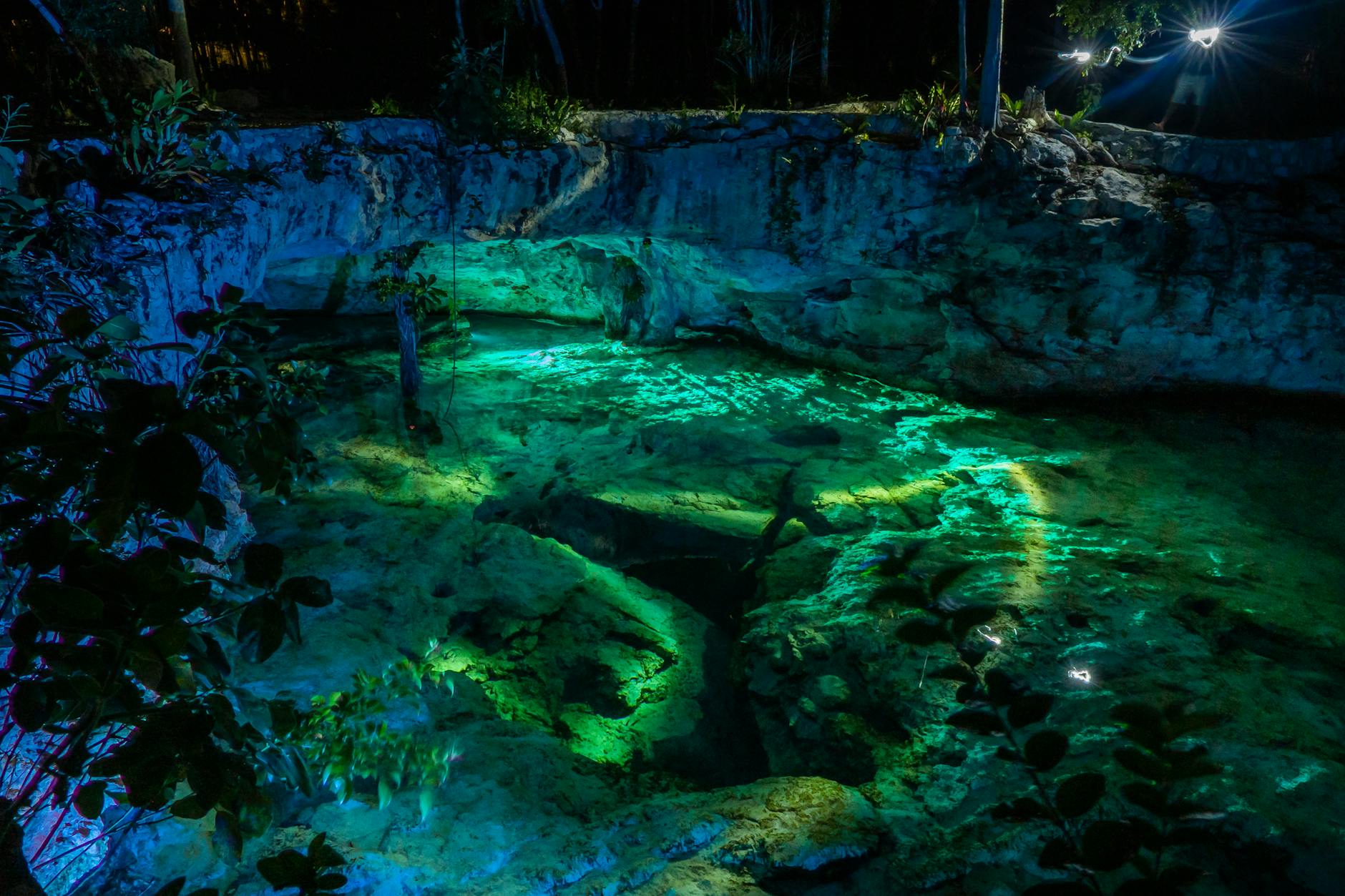
People come to the Riviera Maya for the beaches and leave talking about the cenotes. I'm one of them. A cenote is a collapsed limestone sinkhole that exposes the freshwater river system running under the whole Yucatán Peninsula, and there are thousands of them — but only a handful are worth structuring a day around, and the right one depends entirely on whether you came to swim or to shoot.
After photographing cenotes across this coast on a dozen trips, here's my ranked shortlist, with the honest tradeoffs and the exact time of day to be in each one. For the wider trip context, start with the Riviera Maya travel guide; to slot a cenote day into a full week, see the 7-day itinerary.
First, the rule that changes everything
The single most important cenote decision isn't which one — it's when.
- For photos in open cenotes: 11 AM to 1 PM. That's when the sun climbs high enough to punch light beams straight down through the water. Outside that window, the beams flatten and the magic fades.
- For swimming and quiet: right at opening. The tour buses roll in mid-morning, and by the time the light is best, the popular cenotes are crowded. This is the central tension of cenote photography — peak light and peak crowds arrive together.
- For cavern and closed cenotes: light matters less, so go whenever — but artificial-light atmosphere photographs best when foot traffic is low.
If you only have one cenote day and want both the empty swim and the light beams, pick a cenote you can enter at opening, swim it nearly alone, dry off and eat, then go back in at noon with the camera. It's the only way to have both without two locations.
The four types of cenote (and why it matters)
Before you pick one, it helps to know that "cenote" covers four very different experiences, and the type determines both the swim and the photo:
- Open cenotes are fully collapsed — open to the sky, like a sunken pond. Best light beams, easiest swimming, most sun. Gran Cenote and Cenote Azul lean this way.
- Semi-open cenotes have a partial roof with a hole or two letting light in. You get a dramatic single shaft of light at the right hour. Cenote Calavera is the classic.
- Cavern cenotes are mostly enclosed but still reachable with natural light filtering in. Atmospheric and cool, with snorkel-throughs. Dos Ojos is the headliner.
- Cave cenotes are fully enclosed, lit by openings or artificial light. Suytun's famous beam-on-platform is this type.
Match the type to your goal: open for swimming and easy light, semi-open for the dramatic single beam, cavern for adventure snorkeling, cave for the showpiece photo.
My ranked shortlist
| Cenote | Type | Best for | When to go |
|---|---|---|---|
| Gran Cenote | Open + cavern | Swimming, turtles, snorkeling | Opening, then noon |
| Dos Ojos | Cavern system | Scale, snorkel-throughs | Opening (gets busy) |
| Cenote Calavera | Semi-open | Jumps, atmosphere, light shaft | Late morning |
| Cenote Suytun | Closed/cave | The famous beam-on-platform photo | Midday, off-peak |
| Cenote Azul | Open | Family swimming, easy access | Anytime, early best |
| Cenote Carwash (Aktun Ha) | Open | Lily pads, freedivers, quiet | Late morning |
1. Gran Cenote — the all-rounder
Near Tulum, Gran Cenote is shallow, gin-clear, and full of small turtles and fish, with a swim-through under a low limestone arch connecting two open pools. It's the cenote I'd send a first-timer to, and it's excellent for both swimming and photos. It gets busy, so arrive at opening. I went deep on how it compares to its famous neighbor in Dos Ojos vs Gran Cenote.
2. Dos Ojos — for scale and snorkeling
The "two eyes" are part of one of the longest underwater cave systems on Earth. It's deeper, wilder, and more dramatic than Gran Cenote, with cavern snorkel routes that feel genuinely adventurous. Less manicured, more atmosphere. Go early; it draws the dive and snorkel tours.
3. Cenote Calavera — the photographer's jump
Calavera ("skull") is a near-circular opening in the ground with two smaller holes beside it — and around late morning, a single shaft of light drops through the main hole onto the water. It's the cleanest beam shot near Tulum and a fun cliff jump. Smaller and shallower, so it can fill up; aim for an off-hour.
4. Cenote Suytun — the famous platform photo
You've seen the shot: a stone platform in the middle of a domed cave with a single beam of light spotlighting it from above. That's Suytun, out near Valladolid (a longer drive, often paired with Chichén Itzá). The catch is honesty — there's frequently a line of people waiting their turn on the platform, and the beam only aligns at midday on clearer days. Manage expectations, but the frame is unbeatable when it works.
5. Cenote Azul — the easy family swim
Between Playa and Tulum, Cenote Azul is an open, shallow-to-deep swimming hole with platforms and ledges, great for kids and easy access. Less of a photo destination, more of a genuinely pleasant swim. Good as a first stop on a multi-cenote day.
6. Cenote Carwash (Aktun Ha) — lily pads and quiet
Quieter than the headliners, with a surface of lily pads and resident freshwater life that draws freedivers and underwater photographers. Late-morning light through the surface vegetation is lovely. A good "second cenote" once the famous ones fill up.
Gear and technique
What's actually in my bag for a cenote day:
- Polarizing filter — non-negotiable. It cuts surface glare so you can see swimmers and rock beneath the water.
- Waterproof housing or action camera for in-the-water and split-level shots.
- Microfiber cloths — the humidity fogs lenses the instant you step from sun into the cave.
- A wide lens — caverns are tight, and the scale is the story.
Exposure-wise, for light beams: meter for the bright shaft and let the surroundings fall dark. A balanced exposure kills the drama; underexposing the cave makes the beam glow. I shoot these slightly underexposed and recover shadows later, never the other way around.
Safety and etiquette
Cenotes are stunning but they demand respect, and a little etiquette keeps them open and clean for the next person.
- Don't touch the formations. Stalactites and the cave walls take thousands of years to form and oils from your hands damage them.
- Mind the depth. Some cenotes are shallow and clear; others drop into cave systems that should only be entered with a certified cave-diving guide. Stay in the marked swimming areas unless you're trained and led.
- Use the life vest when one is offered or required — the water is fresh, which is less buoyant than the sea, and visibility can trick you on depth.
- Pack out everything. No food in the water, no littering, no glass.
- Respect closures. Cenotes are sacred in Maya culture and some are on private or ejido land; follow posted rules and local guidance.
How to choose, in one line
If you want the easiest answer: first-timers and families should head to Gran Cenote or Cenote Azul; photographers chasing the beam should plan around Cenote Calavera at late morning or Suytun at midday; and adventure snorkelers should make for Dos Ojos at opening. Slot whichever you pick into a 7-day itinerary, and read Dos Ojos vs Gran Cenote if you're torn between the two big names.
The practical stuff
- Entry fees run roughly 100–500 pesos as of 2026, plus extras for parking, lockers, snorkel gear, and cameras. Bring small peso bills; cards are spotty. Verify current prices — the popular ones raise rates often.
- Reef-safe sunscreen only, applied well before you arrive. Many cenotes make you rinse off first, and some ban sunscreen in the water entirely.
- Bring water shoes — limestone is sharp and slick.
- Go on a weekday if you can. Weekends bring local families to the accessible cenotes.
For a ready-made route that strings several of these together, see my mapped cenotes day trip. And if you want a cenote frame for your wall, the ones I'm proudest of are in the gallery and available as prints — the light beams print especially well at large sizes.
Pick the cenote that matches your goal, be in the water at the right hour, and you'll come home with both the swim and the shot.
Bring the trip home
Every photo on York Adventures is shot on location and available as a fine-art print. Browse the gallery to find a frame for your wall, or ask about my Hotel Xcaret member rate before you book.
Stay in the Loop
Get new photos, stories & exclusive deals straight to your inbox.
Related Posts
Riviera Maya 7-Day Itinerary: A Photographer's Plan
A real seven-day route down the coast — where to base, which days to drive, and when to shoot — built from a dozen trips and a lot of mistakes I won't repeat.
Cenote Dos Ojos vs Gran Cenote: Which to Choose?
Two of the most famous cenotes near Tulum, twenty minutes apart, very different experiences. Here's how I pick between them on any given day.
The Best Cenotes Day Trip From Xcaret (Map Included)
A no-fluff route I've run three times: which cenotes to hit, what order to do them in, and how to dodge the tour-bus crowds on the road from Xcaret.