Riviera Maya Travel Guide: A Photographer's Plan
After more trips down Highway 307 than I can count, here's how I actually plan the Riviera Maya — when to go, where to base, how to get around, and where the light lands.
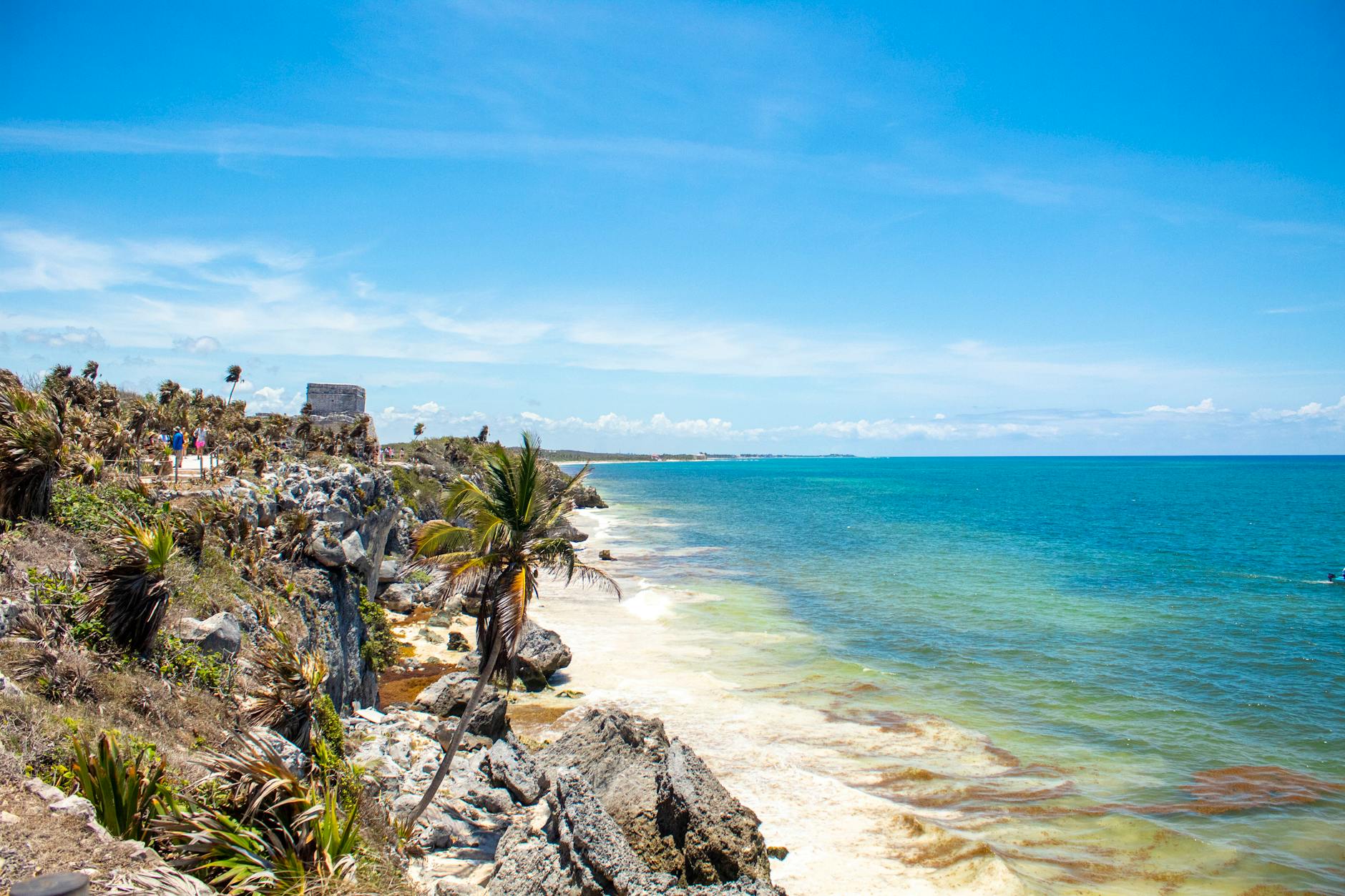
Photo by Camilo Laverde on Pexels (https://www.pexels.com/photo/the-beach-and-ocean-in-tulum-mexico-27638882/)
The first time I drove south out of Cancún airport, I had a printout of a resort confirmation and almost no plan beyond it. I spent four days inside a gated all-inclusive, took exactly one photo I liked, and flew home thinking the Riviera Maya was a wall of swim-up bars. I was wrong. The good stuff was twenty minutes off the highway the entire time.
The Riviera Maya is not a single place. It's an 80-mile ribbon of Caribbean coast — Cancún at the top, Tulum at the bottom, and a string of beach towns, cenotes, jungle, and Maya ruins strung between them along Highway 307. Treat it as one resort and you'll be bored. Treat it as a region you drive through, and it opens up. This page is the front door to everything I've written about the coast. Start here, then dive into whichever piece matches your trip.
Why the Riviera Maya is a photographer's coast
The light here does two things I love. The Caribbean turns a turquoise that reads almost fake on camera, so a polarizer and a slightly underexposed frame go a long way. And the cenotes — collapsed limestone sinkholes feeding an underground river system — throw shafts of light through the water at midday that you can't fake anywhere else. I've made better frames at noon in a cenote than at golden hour on the beach, which is not something I can say about many destinations.
The honest reason I keep coming back is variety inside a short drive. Morning in a cenote, lunch in a jungle town, afternoon at a Maya ruin on a cliff, sunset on a beach. You can shoot four completely different scenes in a day without driving more than an hour. If you want the resort version, the Grupo Xcaret world sits right in the middle and is worth a look on its own.
When to go
The coast has two clocks: weather and crowds. They don't line up.
- December–April is high season. Dry, warm, low humidity, and the water is calm. It's the best weather of the year and you'll pay the most for it. Book three to six months out.
- May and November are my favorites — shoulder months with most of the dry-season weather, thinner crowds, and softer prices. May usually beats the worst of the sargassum.
- June–October is hot, humid, cheap, and carries two risks: sargassum (the brown seaweed that piles on beaches in summer) and hurricane season, which peaks August–October. Resorts are a bargain but you're gambling on the beach.
Sargassum is the variable nobody warns you about. It comes and goes by the week, not the month, and the resorts rake it constantly. If clear water is non-negotiable, build cenote and pool days into your plan as a hedge — they don't care what the sea is doing.
Where to stay
This is the decision that shapes the whole trip, so I gave it its own full breakdown comparing Cancún, Playa, and Tulum. The short version:
- Cancún is the gateway and the easiest logistically — closest to the airport, the most flights, the most hotels, and a real city behind the Hotel Zone. Best for first-timers and short trips. More in my Cancún guide.
- Playa del Carmen is the balanced middle. Walkable, central on the highway, equidistant from cenotes and Tulum, with a real downtown (Quinta Avenida) and the Cozumel ferry. This is where I base most weeks.
- Tulum is the bohemian-luxury south end. Beach-club scene, jungle hotels, the cliffside ruins, and the best cenotes nearby — but also the priciest, the farthest from the airport, and the most over-hyped. My honest take is in the Tulum guide.
- Hotel Xcaret / Mayakoba corridor is the polished all-inclusive belt between Playa and Puerto Aventuras. If you want a resort week with park access, start with the best all-inclusives ranked.
If it's your first trip and you have a week, I'd split it: a few nights in Playa for the central base, then a couple in Tulum for the ruins-and-cenotes finish. Don't try to sleep in all three.
Getting around
You fly into Cancún International (CUN) — far and away the busiest airport in the region. Tulum's newer airport (TQO) is growing but still has limited routes; check it, but CUN will usually win on price and frequency.
From the airport you have four options:
| Option | Cost (as of 2026, verify) | Best for |
|---|---|---|
| Private transfer | ~$80–$180 each way | Couples, families, no-stress arrival |
| Shared van (colectivo-style) | ~$25–$40 per person | Budget travelers, flexible timing |
| Rental car | ~$35–$70/day + insurance | Cenotes, ruins, town-hopping |
| ADO bus | ~$15–$25 to Playa/Tulum | Solo and budget, no car needed |
I rent a car when cenotes and ruins are the point, and skip it when I'm parked at one resort. Highway 307 is a well-paved, divided road the whole way — easy driving — but watch for topes (speed bumps) entering towns and the occasional military checkpoint, which is routine. The car-rental insurance upsell at the counter is aggressive; buy collision coverage in advance and bring the printout. For the airport leg specifically, I broke down every option in my Cancún airport transfer guide.
The ADO bus is genuinely good — clean, air-conditioned, reliable — and connects the airport, Playa, and Tulum cheaply. Within Playa and Tulum, walk or bike. Uber works in Cancún and Playa but has had on-and-off friction with the taxi unions, so don't rely on it as your only plan.
What to eat
The Yucatán has its own cuisine, distinct from the rest of Mexico, and it's the best reason to leave the resort buffet.
- Cochinita pibil. Slow-roasted pork in achiote and sour orange, wrapped in banana leaf. The regional dish. Find it at a market stall, not a tourist menu.
- Tacos al pastor at night, carved off the trompo. Playa's side streets off Quinta Avenida do this well.
- Fresh ceviche and aguachile anywhere near the water. Puerto Morelos and Playa both deliver.
- Marquesitas — the street-cart crepe-meets-churro filled with cheese and cajeta. Order one and don't ask questions.
- Sopa de lima and panuchos for the full Yucatecan lineup if you find a regional spot.
Skip the first restaurant on the beach with a host waving a laminated menu. Walk two blocks inland in any town and the food gets better and cheaper at the same time. That rule has never failed me on this coast.
Don't miss the cenotes and ruins
If you do one non-beach thing here, make it a cenote — I ranked the best cenotes for swimming and photos and compared the two famous ones in Dos Ojos vs Gran Cenote. For ruins, the Tulum cliffside site is the postcard, but Cobá and Chichén Itzá reward an early start. Plan all of it around a 7-day itinerary if you want a ready-made route.
If a Grupo Xcaret resort is on your radar, members get meaningfully better pricing — I explain how that works on the Xcaret member rate page and in the Mexico Club overview. And if you want prints of the coast for your wall, my Riviera Maya frames live in the gallery and print shop.
Recent stories from the Riviera Maya
The articles below are everything I've written about this coast so far — the week-long itinerary, the Cancún-vs-Playa-vs-Tulum decision, the standalone town guides, and the cenote shortlist I'd hand a friend. Pick the one that matches your trip and start there.
Recent stories from Riviera Maya
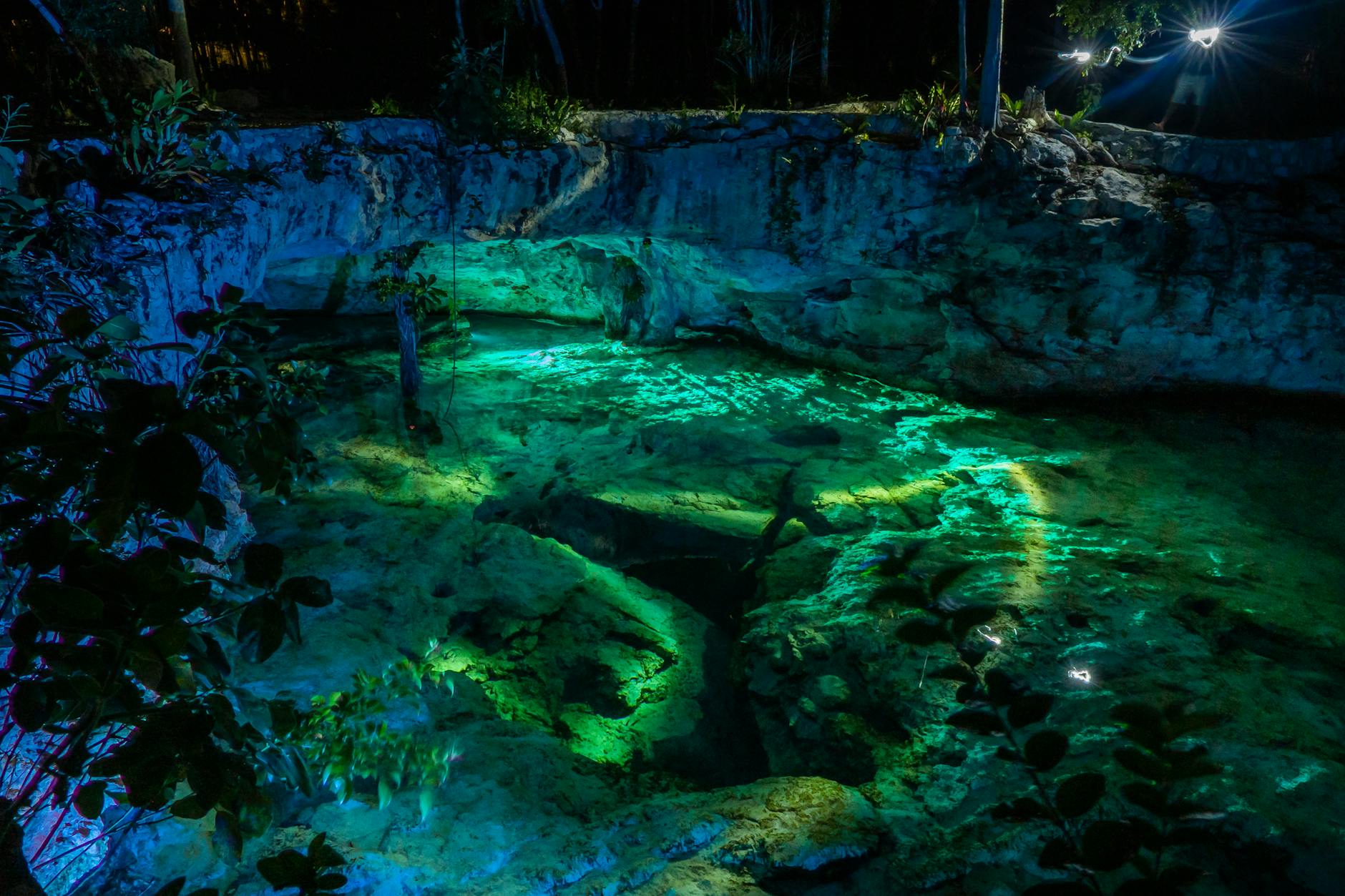
Best Cenotes in the Riviera Maya for Swimming and Photos
My ranked shortlist of the cenotes worth your time — for the swim, for the light, and for the frames — with the exact times to shoot each one.
Read more
Cancún vs the Riviera Maya: Where Should You Stay?
The city or the coast? Honest pros and cons of basing in Cancún versus the Riviera Maya corridor — by trip type, budget, and what you actually want to do.
Read more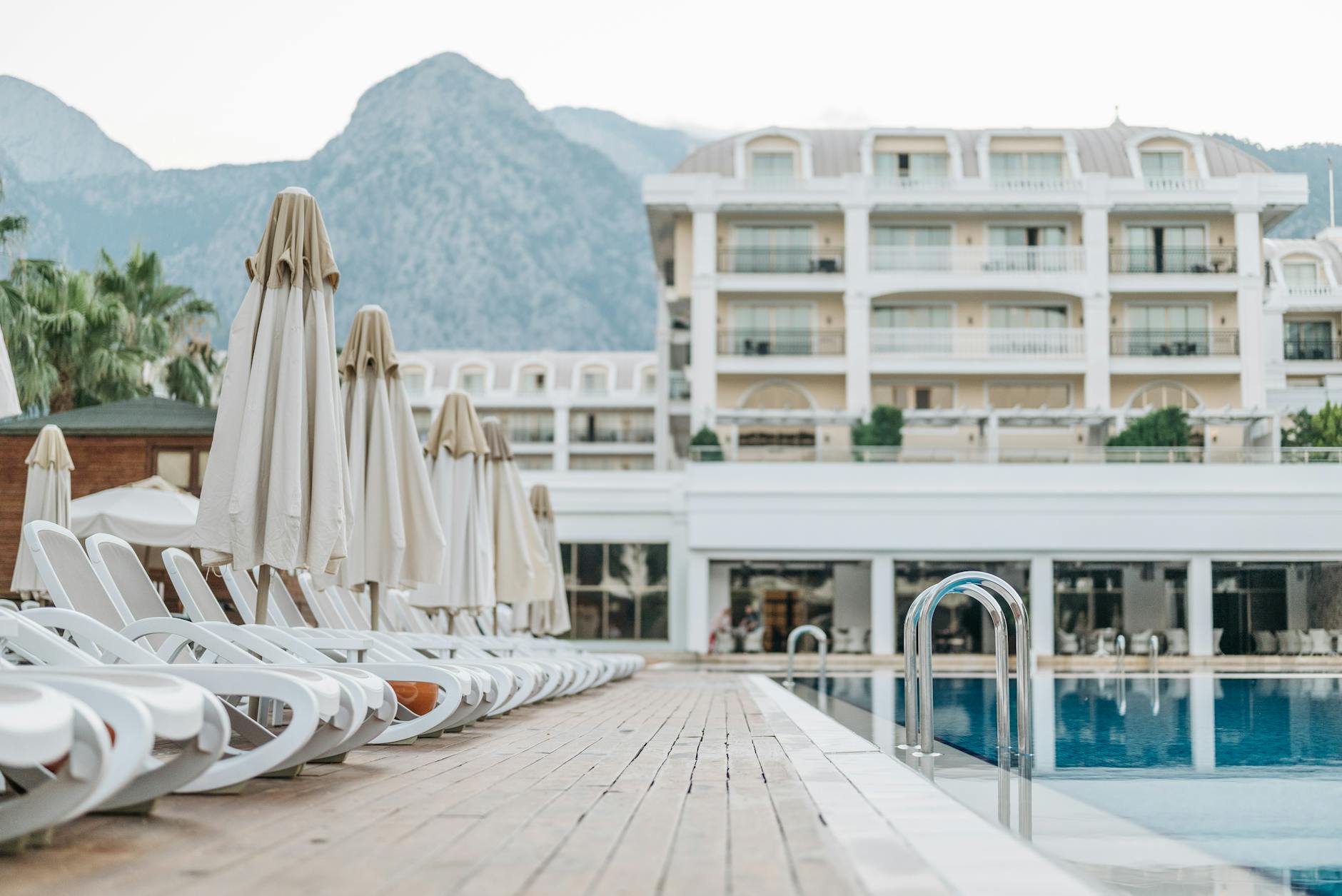
Hurricane Season in Cancún: Is It Safe to Travel?
When hurricane season runs, how risky it actually is, what a "rainy season" day really looks like, and how to protect your trip with insurance and flexible bookings.
Read more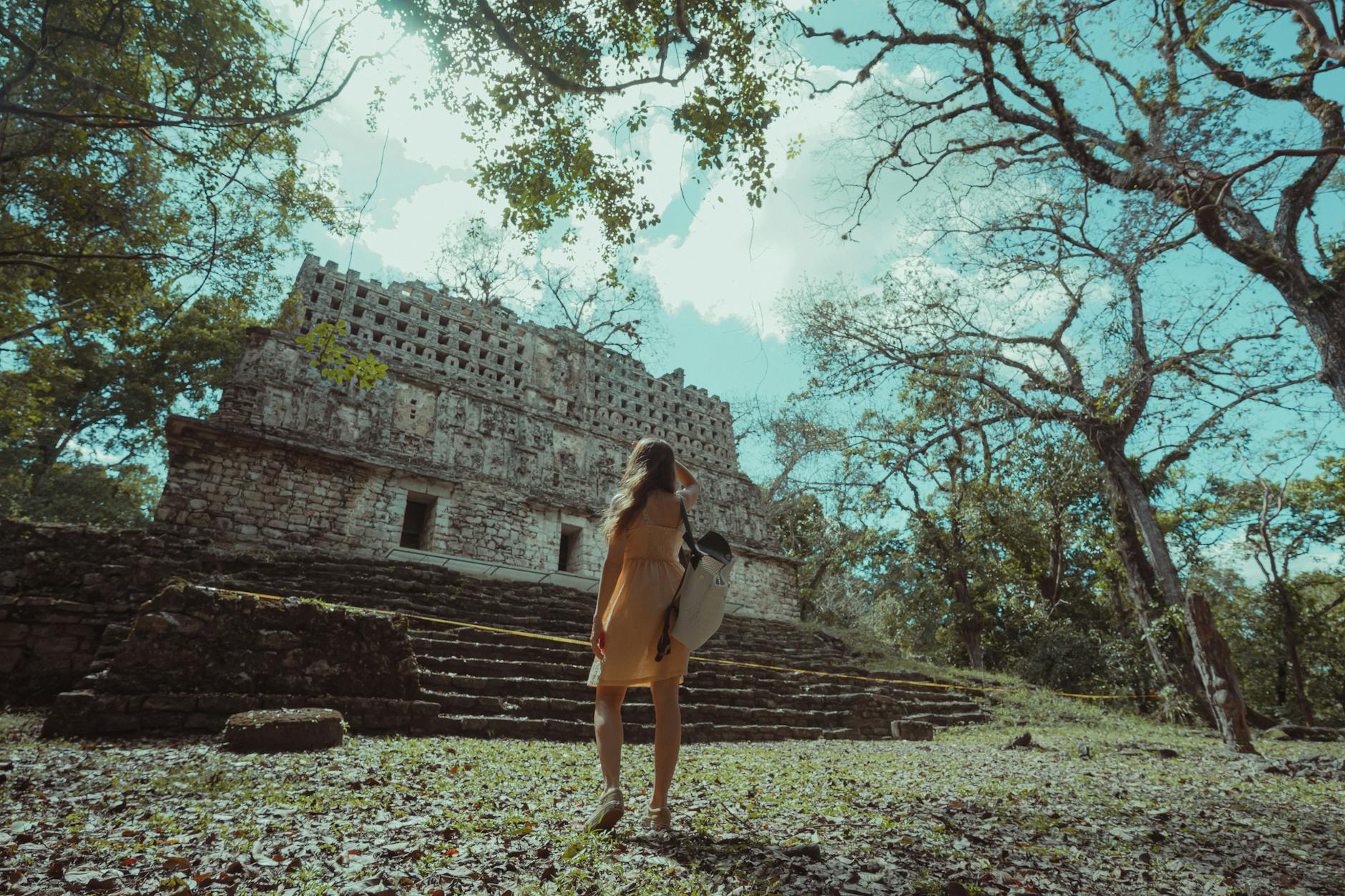
Chichén Itzá Day Trip from Cancún & the Riviera Maya
Tour, rental car, or ADO bus? Tickets, timing, and the early-morning trick that keeps the crowds out of your photos at Chichén Itzá.
Read more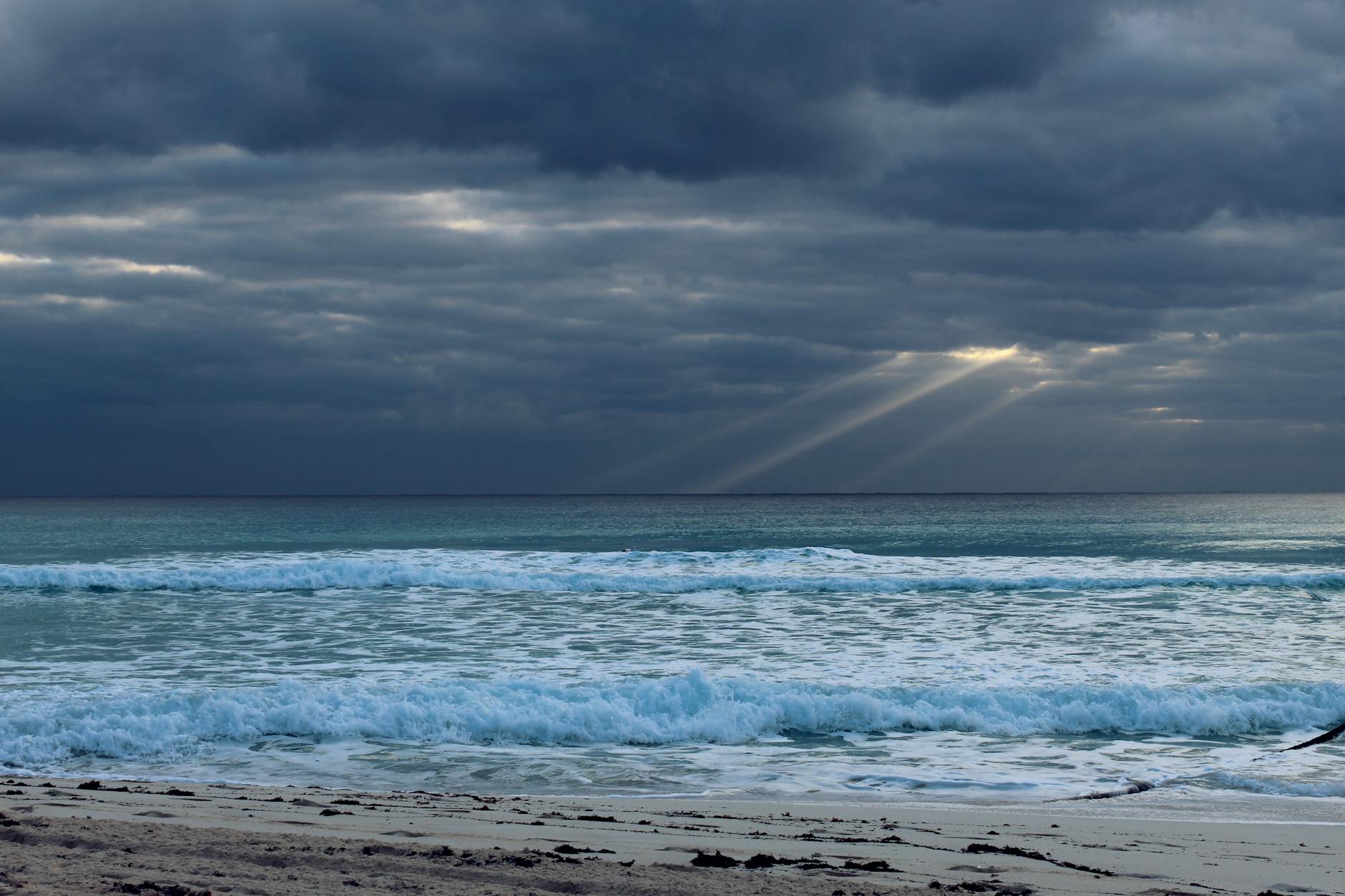
Best Time to Visit the Riviera Maya (Month by Month)
Dry season, sargassum, hurricanes, crowds, and prices — a month-by-month breakdown of when to go to the Riviera Maya, from someone who shoots it year-round.
Read moreCancún Travel Guide: Beyond the Hotel Zone
Cancún is more than the spring-break sandbar. Here's the honest guide — the real city, the day trips, the food downtown, and how to use Cancún as a smart base.
Read moreStay in the Loop
Get new photos, stories & exclusive deals straight to your inbox.