Tulum Travel Guide: Ruins, Cenotes & Beach Clubs
Reviewed for accuracy on Jun 18, 2026
Michael shoots the cenotes; I plan the logistics — and Tulum is the place on this coast where the logistics make or break the trip. It's the destination friends are most excited about before they go and most conflicted about after. The truth is that Tulum is genuinely special and genuinely overhyped at the same time, and the difference between a great trip and an expensive disappointment is knowing which parts are which.
We've stayed in Tulum in the Pueblo and on the beach road, in high season and in May. This is the guide I wish someone had handed me before the first trip. For where Tulum fits against its neighbors, see Cancún vs Playa del Carmen vs Tulum and the wider Riviera Maya travel guide.
Tulum is two places
Get this straight before you book anything:
- Tulum Pueblo — the inland town. Real, affordable, with great taco stands, grocery stores, and budget-to-mid hotels. Most locals and most savvy travelers stay here.
- The Tulum beach road (Zona Hotelera) — the famous strip of jungle-luxury hotels, beach clubs, and boutiques. Beautiful, Instagram-famous, and expensive, with patchy power, water, and Wi-Fi. The aesthetic is the product.
You can have a wonderful Tulum trip from the Pueblo and bike or taxi to the beach. You can also pay several times more to wake up on the beach road. Decide which trip you're buying.
The ruins: go at opening
The Tulum ruins are the only major Maya site perched on a cliff above the Caribbean, and that setting is the whole reason to go. El Castillo, the main temple, sits on the bluff with turquoise water behind it — it's the postcard, and it earns the cliché.
The non-negotiable rule: be there when the gate opens (around 8 AM). By 10 the heat is brutal, the tour buses have disgorged, and the cliff railing is three-deep with selfie sticks. Early, with soft light and thin crowds, it's magic. Late, it's a sweaty queue. There's a beach below the ruins where you can swim — bring a suit.
Michael's photo tip: shoot El Castillo from the north path with the sea behind it before 9 AM, expose for the bright sky, and let the temple stone hold its texture. The crowd shots after 10 all look the same; the early frame is the one worth printing.
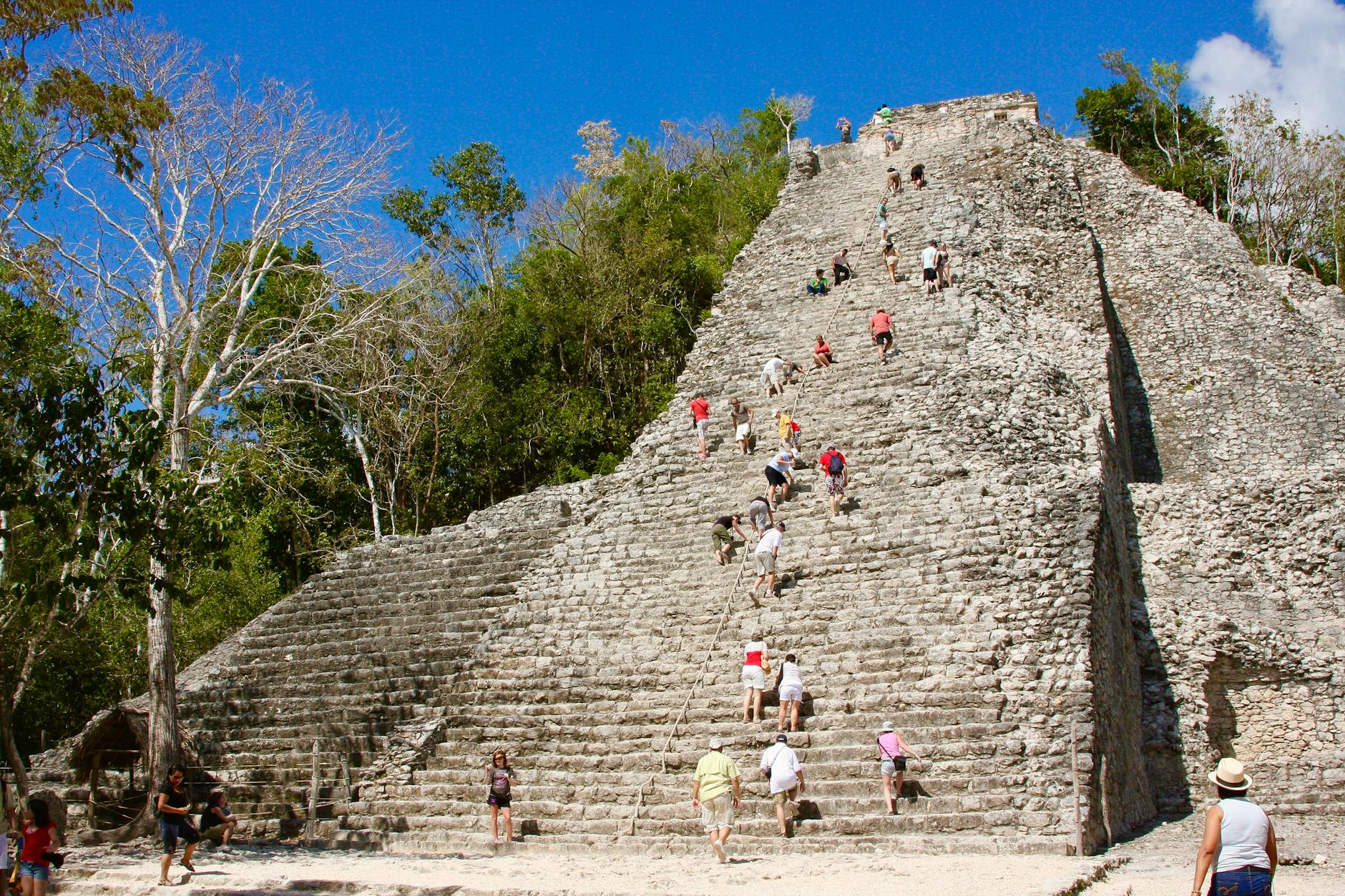
For a bigger, jungle-shrouded ruin with fewer crowds, pair Tulum with Cobá — it's a 45-minute drive inland and the scale is staggering.
The cenotes: the real reason to base here
Tulum's geography puts you closer to the best cenotes on the coast than anywhere else. The famous ones — Gran Cenote, Dos Ojos — are minutes away, and the quieter ones (Calavera, Carwash, the Cobá circuit) are an easy drive. We ranked the field in the best cenotes for swimming and photos and went head-to-head in Dos Ojos vs Gran Cenote.
A few hard-won tips:
- Go early or late; midday is when the snorkel tours pack in (though midday light is best for photos in open cenotes — a real tension).
- You'll be asked to shower off sunscreen before entering. Bring reef-safe only and apply it after, sparingly.
- Carry pesos in small bills for entry fees and parking.
Beach clubs: worth it, with caveats
The Tulum beach club is an institution — day beds, a DJ, a restaurant, and a stretch of sand, usually with a minimum spend rather than a flat entry. Some are genuinely lovely; some are tired venues coasting on a name. Our approach:
- Treat the minimum spend as your "entry fee" and judge whether the food and setting are worth it.
- Go for lunch and the early afternoon, not the pricey sunset crush.
- Check the sargassum situation that week — a club is far less appealing when the beach is buried in seaweed.
If the sea is rough with sargassum, a cenote day or a hotel pool beats a disappointing beach club every time.
Where to stay
| Option | Price | Best for |
|---|---|---|
| Tulum Pueblo hotels | $ | Value, food access, longer stays |
| Beach road boutique | $$$$ | The aesthetic, couples, splurge |
| Highway 307 resorts | $$–$$$ | All-inclusive, families, easy logistics |
We usually book the Pueblo and rent a scooter. If you want the all-inclusive corridor instead, the best all-inclusives ranked covers properties north of town, and if you're looking at the Grupo Xcaret world, the member rate and Mexico Club explain how to pay less.
Getting to Tulum
Most people fly into Cancún (CUN) and transfer south — about 90 minutes to two hours depending on the highway construction that's been ongoing for years. Tulum's own airport (Tulum / Felipe Carrillo Puerto, TQO) opened recently and is growing, so check it for direct routes; when it has a flight that works, it can save you the long transfer. From CUN your options are a private transfer (the easiest), the ADO bus straight to Tulum (cheap and reliable), or a rental car if cenotes and Cobá are on your list. We covered the airport-leg trade-offs in the Cancún airport transfer guide.
Sargassum: the thing nobody warns you about
The brown seaweed that piles onto Caribbean beaches is the single biggest variable in a Tulum beach trip, and it's seasonal and unpredictable — generally worst from roughly April through August, but it comes and goes by the week, not the month. When it's bad, the beach-road sand can be buried and the water murky. When it's clear, Tulum's coast is as good as it looks online.
Don't let sargassum ruin a trip — just hedge against it. Build cenote days and Cobá into your plan so a seaweed week still has its best days intact. The cenotes don't care what the sea is doing, and they're the real magic here anyway.
Check a sargassum forecast (the regional monitoring maps update frequently) in the days before you travel, and consider a hotel with a good pool as insurance.
Is Tulum safe?
The tourist areas of Tulum are heavily traveled and generally calm, and we've never felt unsafe there. That said, use normal beach-destination caution: stick to licensed taxis, don't wander the dark beach road alone late at night, watch your drinks, and don't flash valuables. As with anywhere in the region, check your government's current travel advisory before you book, since guidance changes. The biggest day-to-day hassle isn't crime — it's the taxi pricing, so always agree the fare first.
Getting around and money
A car or scooter makes Tulum dramatically easier — the Pueblo, the beach road, the cenotes, and Cobá are all spread out. Without wheels you'll rely on bikes, colectivos, and taxis, and Tulum taxis are notoriously pricey, so agree on the fare before you get in. Bring pesos; ATMs on the beach road are scarce and charge premium fees.
What to eat
- Tacos al pastor and cochinita pibil in the Pueblo — far better value than the beach road.
- Fresh ceviche anywhere near the water.
- Beach-road dinners for the scene, not the value — go in with eyes open on price.
- Marquesitas from a street cart for dessert.
Two-day Tulum plan
- Day 1: Ruins at opening, swim below the cliff, lunch in the Pueblo, cenote in the late afternoon.
- Day 2: Cobá in the cool morning, jungle cenote on the way back, beach club for golden hour.
That's the core of Tulum done well. Come for the ruins and the cenotes, keep your expectations honest about the beach-road hype, and base where the math works. If you want frames of the coast for your wall afterward, our Riviera Maya prints live in the gallery and print shop.
Bring the trip home
Every photo on York Adventures is shot on location and available as a fine-art print. Browse the gallery to find a frame for your wall, or ask about my Hotel Xcaret member rate before you book.
Stay in the Loop
Get new photos, stories & exclusive deals straight to your inbox.
Related Posts
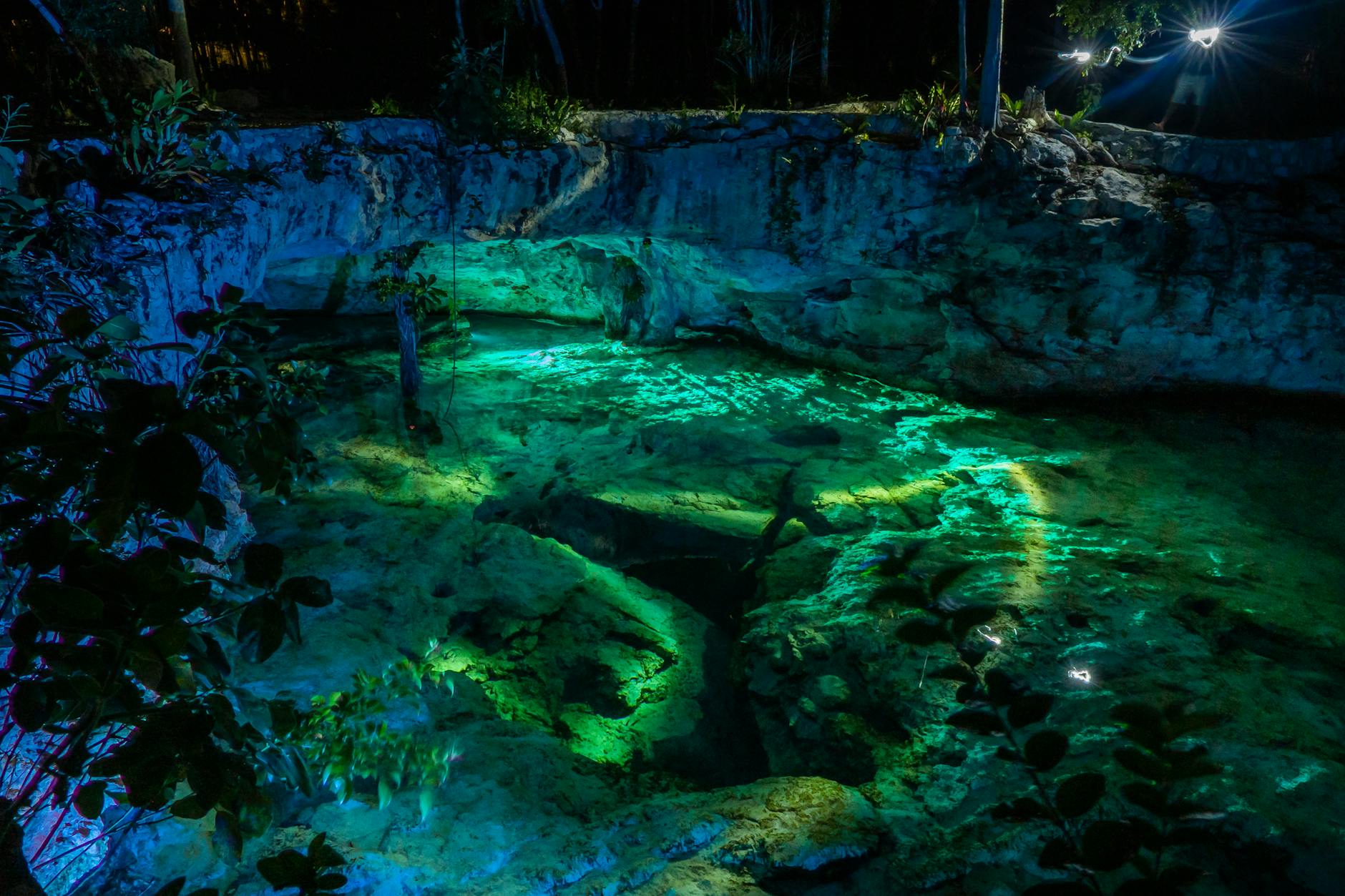
Best Cenotes in the Riviera Maya for Swimming and Photos
My ranked shortlist of the cenotes worth your time — for the swim, for the light, and for the frames — with the exact times to shoot each one.
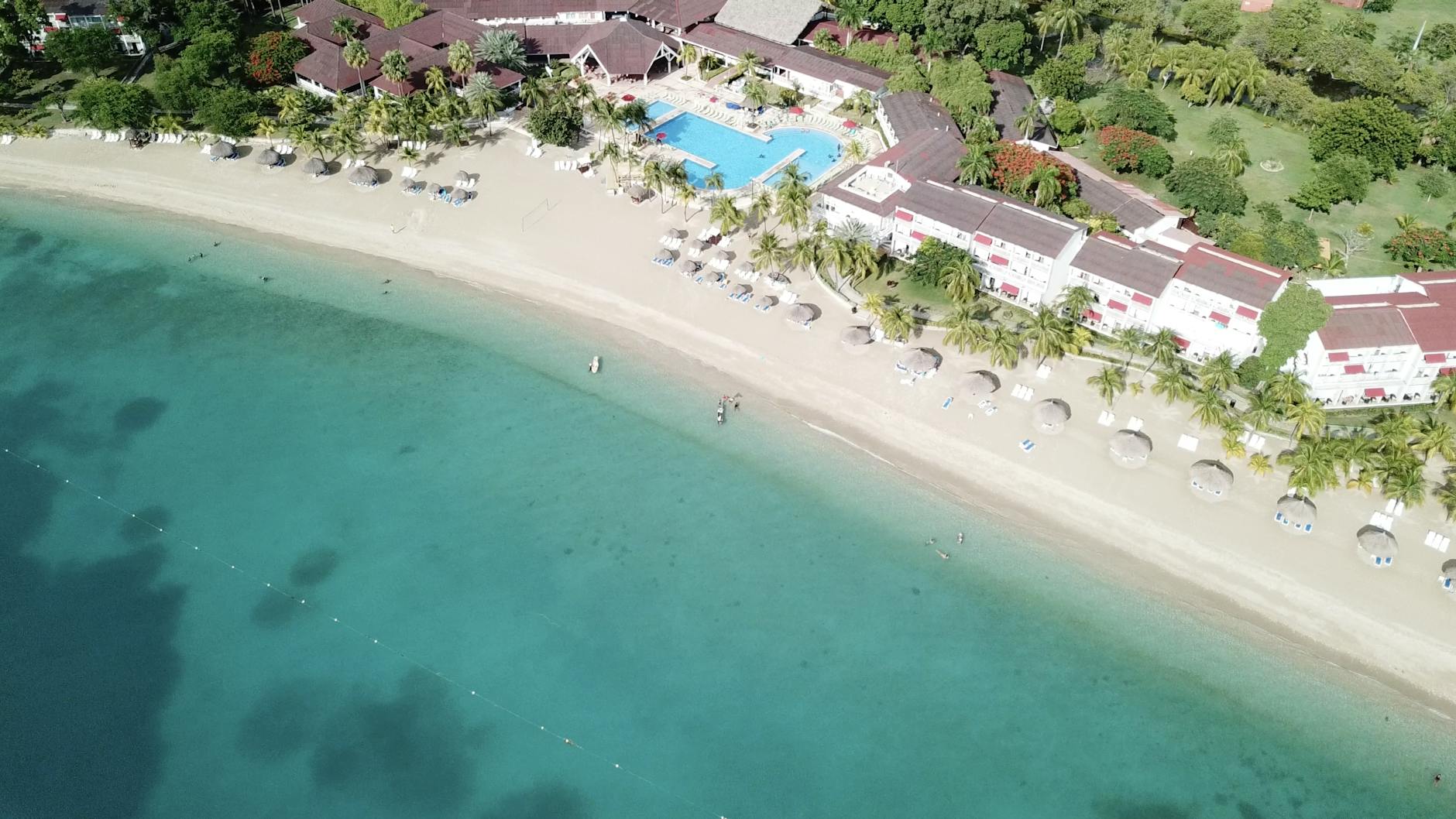
Riviera Maya 7-Day Itinerary: A Photographer's Plan
A real seven-day route down the coast — where to base, which days to drive, and when to shoot — built from a dozen trips and a lot of mistakes I won't repeat.
Cenote Dos Ojos vs Gran Cenote: Which to Choose?
Two of the most famous cenotes near Tulum, twenty minutes apart, very different experiences. Here's how I pick between them on any given day.