Chichén Itzá Day Trip from Cancún & the Riviera Maya
Reviewed for accuracy on Jun 22, 2026
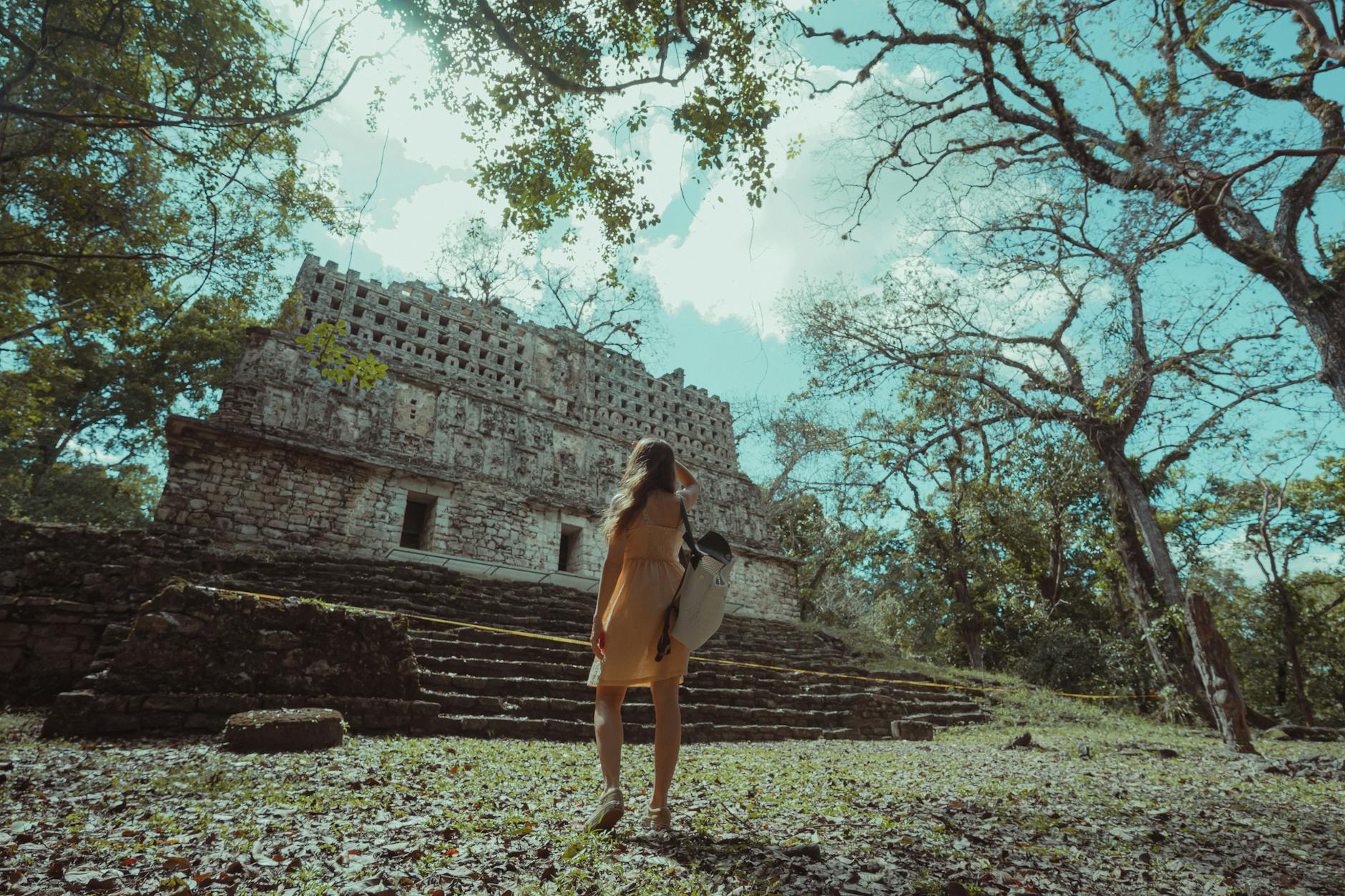
Chichén Itzá is the one inland trip almost everyone on this coast ends up making, and it's worth it — this is one of the New Seven Wonders of the World, and standing in front of El Castillo at the right hour is genuinely moving. But it's also a place where the difference between a great day and a hot, crowded slog comes down almost entirely to when you arrive. After making this run from three different bases, here's how to do it right.
For the wider context on getting around and timing your trip, the Riviera Maya travel guide sets the stage. This is the day-trip playbook.
Where it is and how far
Chichén Itzá sits inland in Yucatán state, near the colonial town of Valladolid. From the coast, plan on:
- Cancún: ~2.5 hours
- Playa del Carmen / Xcaret corridor: ~2 hours
- Tulum: ~1.5–2 hours (the closest base)
Most of the drive is on a fast, modern toll road (the cuota), with a stretch of secondary highway near the end. Tolls are real and add up — budget pesos for them if you drive.
How to get there, compared
| Method | Cost (2026, verify) | Arrival time | Best for |
|---|---|---|---|
| Rental car | $40–$90/day + tolls + insurance | 8 AM if you leave early | Independence, beating crowds |
| Group bus tour | $60–$110 per person | Mid-to-late morning | Easy, no driving, includes lunch |
| Private tour | $250–$400+ per group | Flexible | Families, guides, comfort |
| ADO bus | $15–$30 per person | Varies by schedule | Budget, self-paced from Valladolid |
| Colectivo from Valladolid | A few dollars | Flexible | Adventurous, multi-stop |
Self-driving (my pick if you'll wake up early)
The whole game at Chichén Itzá is arriving at the 8 AM opening, and a rental car is the only way to guarantee it. Leave the coast around 5:30–6 AM, roll into the lot before opening, and you'll have the Great Ball Court and El Castillo nearly to yourself before the buses unload around 10–11. That early window is everything — cooler, quieter, and the low light rakes across the carvings beautifully. If you're not staying somewhere with included transport, renting in Playa or Tulum for the day beats renting at the airport; I explain the trade-offs in the Cancún airport transport guide.
Group tours (easy, but you arrive into the crowd)
The packaged bus tours are cheap, painless, and usually bundle a cenote stop and a buffet lunch. The downside is structural: they leave the coast after breakfast and arrive mid-morning, dropping you into the hottest, busiest part of the day. If you go this route, accept the crowds as the trade for not driving. My honest review of one of these guided runs is in the Xichén ruins day tour review.
ADO bus + Valladolid (the slow-travel option)
You can take an ADO coach to Valladolid, stay overnight in that lovely colonial town, and reach the site early the next morning by colectivo or a short connection. It's more time but a richer experience, and Valladolid itself — with its cenotes and food — is underrated.
Tickets and fees: budget for two
This trips people up: Chichén Itzá charges two separate fees — a federal INAH archaeological fee and a Yucatán state tourism fee. Combined, they've run roughly $40–$60 USD equivalent for foreign visitors as of 2026, and they tend to rise each year, so verify current rates and bring pesos (card acceptance is inconsistent). The site opens at 8 AM; last entry is typically late afternoon.
Buy your tickets at the booth, not from anyone in the parking lot, and skip the on-site "skip the line" pitches in peak season — at 8 AM there's no line to skip. Hire a certified guide inside the gate if you want the history; the freelance guides at the entrance vary wildly in quality.
What to actually see
The site is large, so prioritize:
- El Castillo (Temple of Kukulcán): the iconic stepped pyramid. You can't climb it, but the morning light on its north face is the shot. During the spring and fall equinoxes, the afternoon shadow creates the famous "serpent" descending the staircase — spectacular, but the crowds those days are intense.
- The Great Ball Court: the largest in Mesoamerica, with acoustics that still astonish. Clap once near the end wall and listen.
- Temple of the Warriors and the Group of a Thousand Columns: vast and atmospheric early, before the heat.
- The Sacred Cenote (Cenote Sagrado): the sinkhole where offerings were made. A short walk from the main plaza.
Give yourself two to three hours on the grounds. Bring water, a hat, and sunscreen — there's almost no shade, and by midday it's brutal.
Pair it with a cenote or Valladolid
Don't drive all that way for one stop. The classic combination is Chichén Itzá at opening, then a swim at Cenote Ik Kil (a stunning, very popular open cenote a few minutes away) to cool off before lunch. For a quieter swim, the cenotes around Valladolid (Suytun, Oxman, Zaci) are spectacular and less mobbed. If cenotes are your thing, my ranked field guide is in the best cenotes for swimming and photos.
If you'd rather a closer, climbable ruin and a jungle setting, consider Cobá instead — I compared the day trip in the Cobá ruins guide. And the cliffside Tulum ruins are a half-day option for anyone who doesn't want the long inland drive at all.
A photographer's plan
Here's how I shoot it: arrive at 8, head straight to El Castillo while the plaza is empty, and work the clean wide angle before a single tour group lines the ropes. Then circle to the Temple of the Warriors for the side light on the columns. Save the Sacred Cenote for last, when the harsher light actually helps the deep green water read. By 10:30 the buses arrive and I'm already heading to Ik Kil. The frames from that first quiet hour are the ones worth printing — you can see a few Yucatán ruins shots in the gallery.
Common mistakes to avoid
I've watched people turn a wonder into a chore. The recurring errors:
- Arriving at noon on a packaged tour and blaming the site. It's not Chichén Itzá that's disappointing — it's standing in a 95-degree crowd. Arrive early and it's a different place.
- Underestimating the heat. There's no shade. People run out of water, get headaches, and cut the visit short. Bring more than you think and a hat.
- Skipping a guide entirely. The ruins are far richer with context. Hire a certified guide inside the gate rather than the freelancers working the parking lot.
- Not budgeting for both fees. The two-fee structure surprises people at the booth. Bring enough pesos to cover entry plus tolls and a cenote stop.
- Buying souvenirs at the first stall. The grounds are lined with vendors; prices are negotiable and better deeper in or in Valladolid.
What to pack
- Water — lots of it — and a refillable bottle.
- Hat, sunglasses, and reef-safe sunscreen applied before you arrive.
- Pesos for the two entry fees, tolls, parking, and a guide.
- A swimsuit and quick-dry towel for the Ik Kil or Valladolid cenote stop.
- Comfortable walking shoes — the grounds are large and uneven.
- A polarizer and a wide lens if you're shooting; the plaza is big and the midday light is harsh.
The bottom line
Chichén Itzá earns its reputation, but only if you respect the clock. Get there at opening — by car if you can, by an early private tour if you can't — drink more water than you think you need, budget for the two fees, and pair it with a cenote. Do that and you'll come home with the wonder intact instead of a memory of standing in a sweaty crowd.
Bring the trip home
Every photo on York Adventures is shot on location and available as a fine-art print. Browse the gallery to find a frame for your wall, or ask about my Hotel Xcaret member rate before you book.
Stay in the Loop
Get new photos, stories & exclusive deals straight to your inbox.
Related Posts
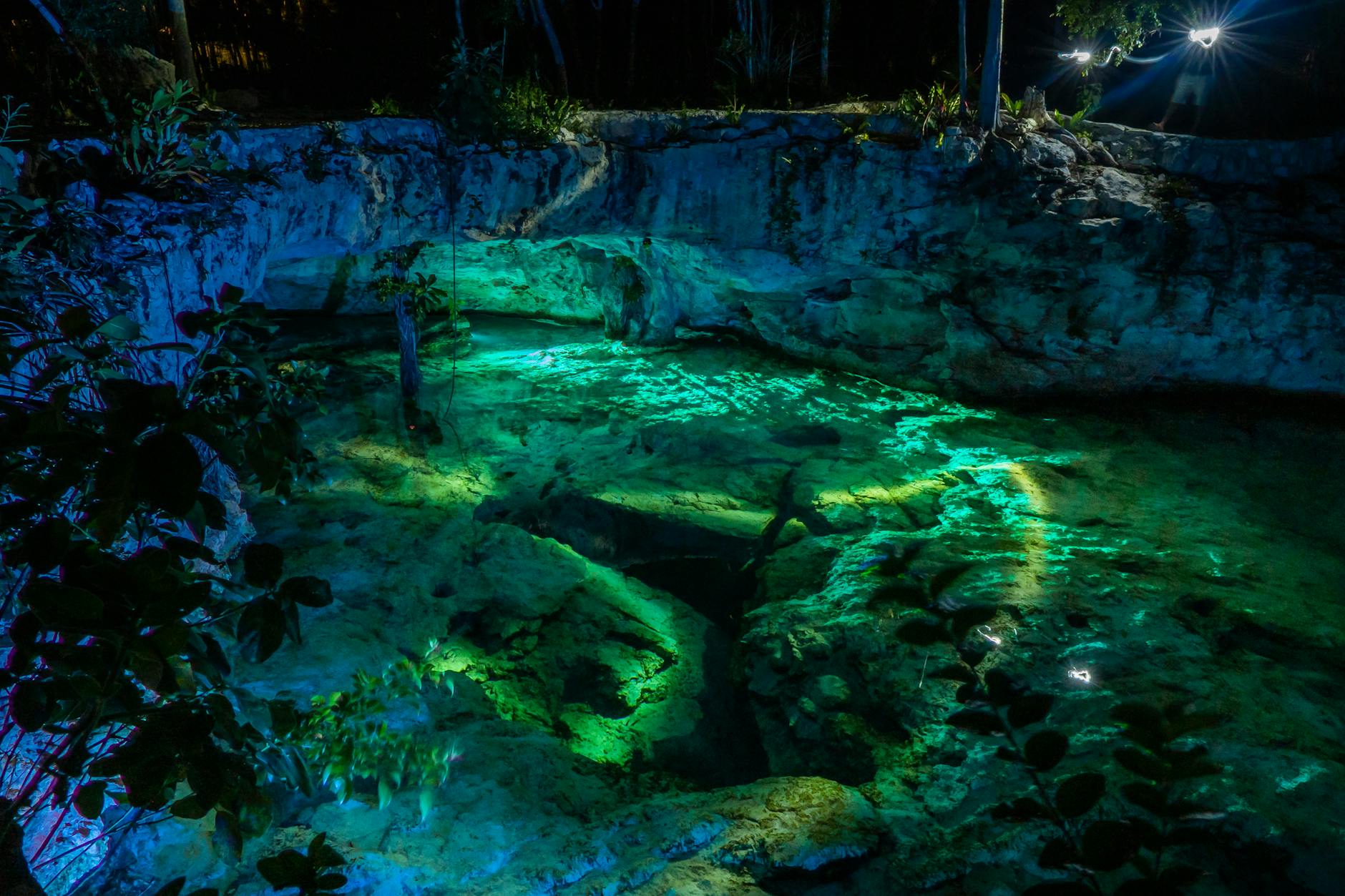
Best Cenotes in the Riviera Maya for Swimming and Photos
My ranked shortlist of the cenotes worth your time — for the swim, for the light, and for the frames — with the exact times to shoot each one.
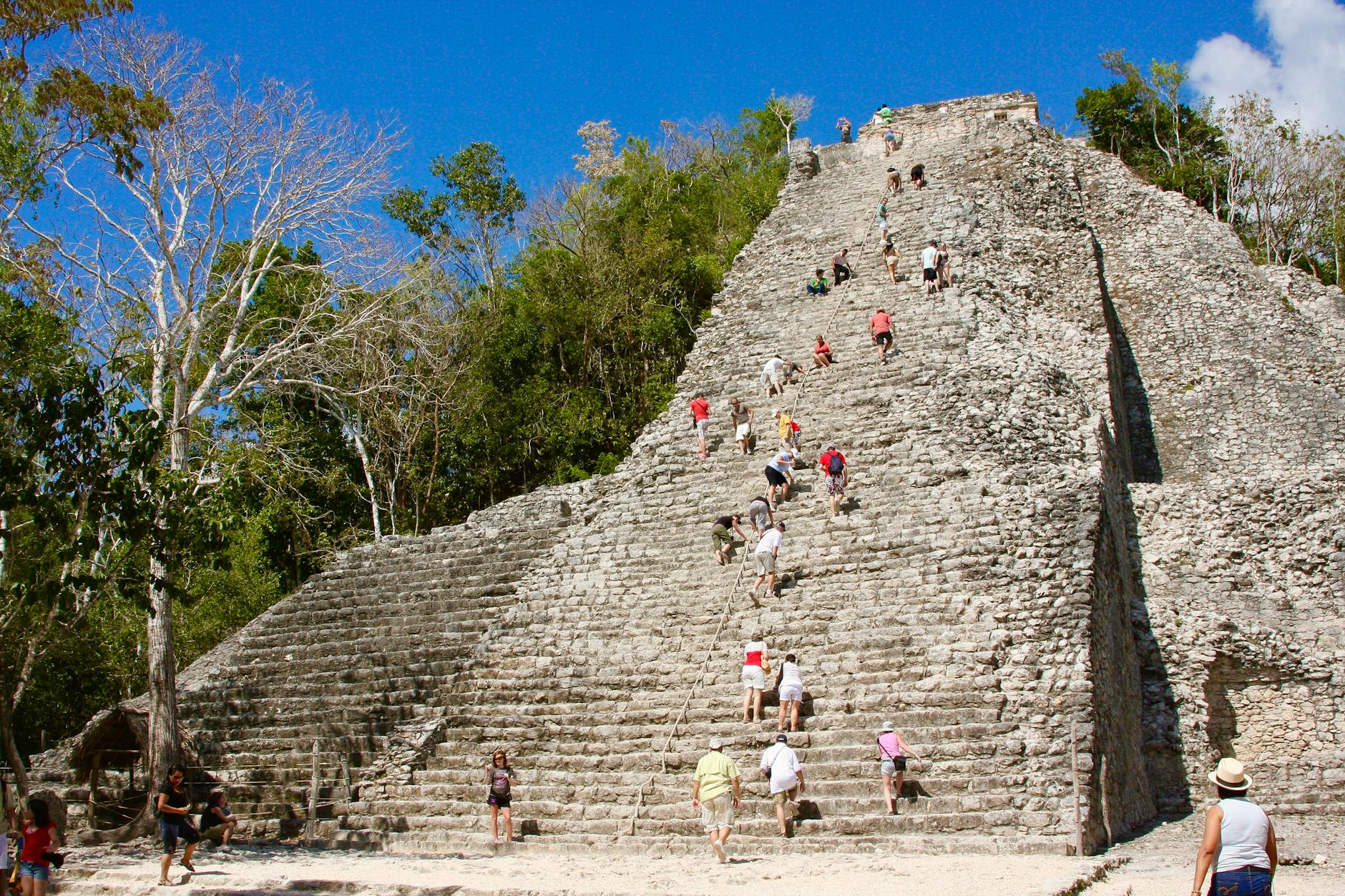
Tulum Travel Guide: Ruins, Cenotes & Beach Clubs
The honest Tulum guide — what's genuinely worth it (the ruins, the cenotes), what's overhyped (some of the beach road), and how to do it without overpaying.
Whale Shark Season near Cancún, Isla Mujeres & Holbox
When whale shark season runs near Cancún, the difference between the Holbox and Isla Mujeres tours, what it costs, and how to pick an operator that does it right.