Whale Shark Season near Cancún, Isla Mujeres & Holbox
Reviewed for accuracy on Jun 16, 2026
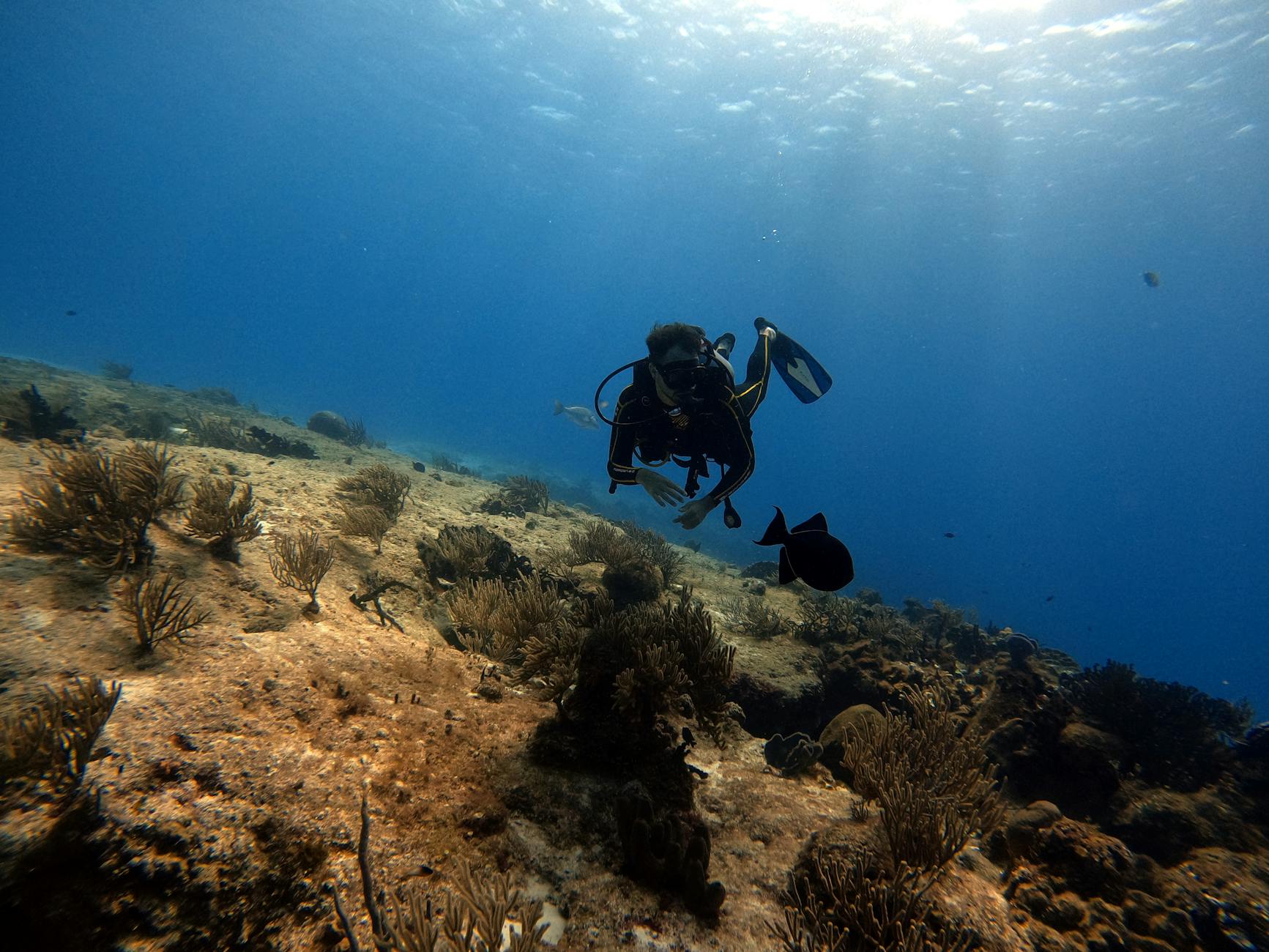
Swimming next to a 30-foot fish that could swallow a beach ball and doesn't care you exist is one of those experiences that recalibrates your sense of scale. I've done the Yucatán whale shark trip twice — once out of Isla Mujeres in early August when the water was thick with them, and once from Holbox in June when we found exactly two. Both were unforgettable. But the planning matters, and the difference between a great day and a seasick disappointment comes down to timing, departure point, and operator.
Here's what I've learned about whale shark season near Cancún, Isla Mujeres, and Holbox.
When whale shark season runs
Whale sharks gather off the northern Yucatán to feed on plankton and fish spawn in warm, calm summer water. The season is reliable but weather-dependent:
- Mid-May to mid-June — early season; the action centers around Holbox and Cabo Catoche to the northwest.
- July to August — the peak. The famous "afuera" aggregation forms in open water off Isla Mujeres and Cancún, sometimes drawing hundreds of whale sharks in one area. This is the period that lands those drone shots of dozens of fins.
- Early September — tapering, but still possible.
Outside of roughly mid-May to mid-September, the tours simply don't run. The water has to be warm and the plankton has to be there. If your trip is in winter or spring, this isn't on the menu — see the water temperature by month breakdown for why the season is so tied to summer conditions.
Tip: Aim for late July through mid-August if whale sharks are the reason you're coming. You'll trade peak summer heat and hurricane-season odds for the best chance of a high shark count.
Holbox vs Isla Mujeres vs Cancún
All three are legitimate launch points, but they're not interchangeable.
| Departure | Best window | Vibe | Trade-off |
|---|---|---|---|
| Isla Mujeres | Jul–Aug peak | Closest to the big aggregation | Crowded with other boats at peak |
| Cancún | Jul–Aug peak | Easy logistics from hotel zone | Similar grounds to Isla, slightly longer ride |
| Holbox | May–Jun early | Laid-back island, fewer boats | Lower counts later in season |
For peak season and sheer numbers, go from Isla Mujeres or Cancún. They're closest to the afuera grounds, so you spend less time bouncing across open water and more time with the animals. The downside is you won't be alone — at peak there can be a lot of boats working the same patch.
For early season or a quieter experience, Holbox is lovely. It's a sleepy, car-free island and the trip feels more intimate. But by July the main action has usually shifted toward Isla Mujeres, and a Holbox departure can mean a long run to reach the sharks.
If you're staying down in the Riviera Maya proper — Playa del Carmen, Tulum, or near Xcaret — note that most tours leave from up near Cancún, so you're looking at an early start and a long transfer. Some operators offer pickup from Playa; just know you'll be in the van before dawn.
What it costs and what's included
As of 2026, plan on roughly $150–$250 USD per person from Cancún or Isla Mujeres, with Holbox in a similar range. Treat these as ballpark figures and confirm current pricing directly — prices shift year to year and with the strength of the season.
A typical tour includes:
- Round-trip boat from the marina
- Snorkel gear (mask, fins, life jacket or wetsuit) and a guide
- Two to three in-water rotations with the sharks
- A reef snorkel stop on the way back (often at El Farito or near Isla Mujeres)
- Lunch, usually fresh ceviche on the boat, and drinks
Confirm exactly what's bundled before you book. The cheapest quote sometimes strips out lunch, gear, or the reef stop.
The rules (and why they matter)
Mexico regulates these tours to protect the animals, and good operators follow the rules strictly:
- Snorkel only — no scuba diving with whale sharks.
- Two swimmers plus a guide in the water at a time, per boat.
- No touching the sharks and no flash photography.
- Life jacket or wetsuit required for flotation.
- Biodegradable sunscreen only — regular sunscreen harms the animals and the reef.
A good captain keeps a respectful distance, drops you ahead of the shark's path, and never crowds the animal. If a boat is chasing sharks or dumping ten people in at once, that's a red flag.
Tip: Bring reef-safe sunscreen from home or buy it locally before the trip. Many operators won't let you in the water with conventional sunscreen, and the kiosk version on the dock can be marked way up.
How to pick an operator
This is the part that separates a great trip from a regrettable one. After two trips, here's what I look for:
- Small boats and small groups. Fewer people means more water time and less waiting your turn.
- A marine biologist or trained guide aboard, not just a captain.
- Permitted and insured. The fishery is regulated and reputable operators carry the right permits.
- Honest weather policy. Good operators cancel or reschedule when seas are too rough rather than pushing a miserable, fruitless run.
- Reviews that mention the guide's conduct, not just "we saw sharks."
The wildlife-tourism ethics here matter, and they're worth thinking through the same way I do with the dolphin program at Xcaret — a wild, free-swimming encounter under strict rules is a very different thing from a captive one.
What the encounter is actually like
People imagine a calm, cinematic float. The reality is more athletic and more thrilling than that. The boat finds a shark, the guide reads its direction, and you slide in off the side — no big splashy jumps — a little ahead of its path. Then you swim, hard, to keep pace, because a whale shark cruising at "slow" speed still outpaces a snorkeler. For thirty or forty seconds you're alongside this enormous, spotted, utterly indifferent animal, its mouth wide as it filter-feeds, and then it pulls away and you climb back aboard, heart pounding, to wait your next rotation.
A few things that surprised me the first time:
- They're huge but gentle. Whale sharks are the largest fish in the ocean and they eat plankton. There is nothing to fear from the animal itself.
- The water is open ocean, not a calm lagoon. Visibility varies, and the swell can toss you around. This is part of why a life jacket is required.
- You get multiple rotations. A good operator cycles everyone through several in-water sessions over a couple of hours.
The reef stop and the rest of the day
Most tours fold in a reef snorkel on the way back, often near Isla Mujeres at a spot like El Farito, plus lunch on the boat. After the adrenaline of the whale sharks, a relaxed drift over the reef is a nice cool-down — and it's a chance to see the calmer, prettier side of the Caribbean. If your day ends with time on Isla Mujeres, Playa Norte is one of the best beaches in the region and worth an hour before the ferry back.
Expect to leave the marina early — many tours push off by 7 or 8 AM to beat the afternoon wind that builds over open water — and to be back by early-to-mid afternoon. It's a half-day commitment that eats a full day if you factor in transfers from the Riviera Maya.
Practical tips from two trips
- Take seasickness medication. The open-water ride is genuinely choppy. This is the number-one thing that ruins people's day — not the sharks, the swell.
- Skip the big breakfast. Light food before, save your appetite for the ceviche.
- Bring a GoPro on a float strap, not your phone. You'll be in open ocean and you do not want to lose a phone overboard.
- Manage expectations on counts. Some days you swim with dozens; some days you find a few. The season and the day's luck both matter.
- Pad your trip. If your only free day is rough-seas day, you've got no backup. Give yourself a flexible window.
If you travel to this coast often, Mexico Club member flexibility makes it easier to chase the season and rebook around weather. And if you want a sense of the underwater light down here before you go, browse the gallery — some of my favorite prints come from exactly these warm summer-water trips.
Bring the trip home
Every photo on York Adventures is shot on location and available as a fine-art print. Browse the gallery to find a frame for your wall, or ask about my Hotel Xcaret member rate before you book.
Stay in the Loop
Get new photos, stories & exclusive deals straight to your inbox.
Related Posts
Cozumel Day Trip From Xcaret: Ferry, Snorkel, and What to Skip
How to do Cozumel from Hotel Xcaret in one day without wasting two hours at Chankanaab or paying cruise-ship prices for a so-so reef tour.
Best Cenotes in the Riviera Maya for Swimming and Photos
My ranked shortlist of the cenotes worth your time — for the swim, for the light, and for the frames — with the exact times to shoot each one.
Chichén Itzá Day Trip from Cancún & the Riviera Maya
Tour, rental car, or ADO bus? Tickets, timing, and the early-morning trick that keeps the crowds out of your photos at Chichén Itzá.