Xcaret's Dolphin Program: Honest Review and the Ethics
Reviewed for accuracy on Nov 24, 2025
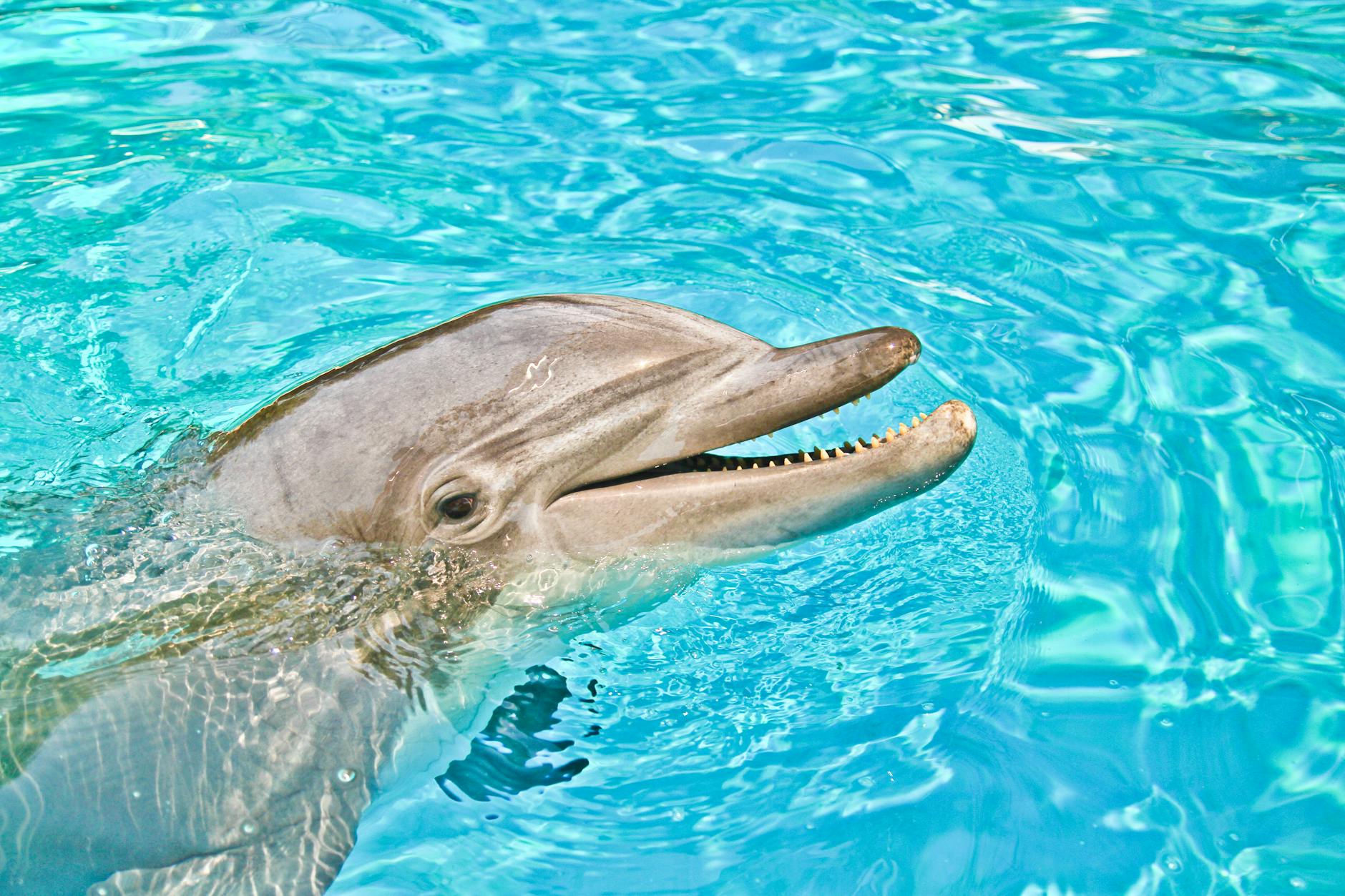
I'm going to do something a little uncomfortable in this post: review an experience I no longer recommend, fairly, while explaining why I no longer recommend it. The Xcaret dolphin swim is a real, professionally run program that a lot of guests genuinely enjoy. It is also a captive cetacean operation, and the ethical conversation around those has shifted enough in the last decade that I think the honest move is to lay it all out and let you decide.
I've done the swim twice — once on my second Xcaret trip, once with a niece who specifically asked. I've watched friends do it three more times. Here's everything I'd tell you if you asked me at dinner.
The headline
If you book the dolphin swim, you will get a competent, safe, well-photographed encounter with a captive bottlenose dolphin in a netted lagoon. You will pay between $130 and $200 USD per person on top of park admission depending on the package and season. You will be in the water for about 40–45 minutes, with maybe 5–8 minutes of actual one-on-one dolphin contact.
You will also be participating in the captive cetacean industry, which is a thing reasonable people now disagree about strongly. That's the part the brochure doesn't mention.
What the program actually is
Xcaret operates a dolphin program inside the park (Delphinus is the brand running it, in partnership with Grupo Xcaret). There are several tiers:
- Dolphin Encounter — shallow-water, mostly standing on a platform, brief touches and a kiss-on-the-cheek photo. The cheapest tier, around $130 USD when I last looked, kid-friendly.
- Dolphin Swim Adventure — deeper water, you hold a fin and the dolphin pulls you a short distance, photo opportunities, around $160 USD.
- Dolphin Royal Swim — the premium option with the foot-push (the dolphin pushes you up by your soles to a standing position, the iconic shot), around $190–200 USD.
All three include access to the regular park, locker, basic snorkel gear, and the option to add the photo package (which is a separate charge, and the photo package is where the bill really climbs — usually $80–200 USD on top).
What the experience is actually like
The encounter starts with a 15-minute briefing where a trainer explains the rules: no touching the blowhole, no chasing, no grabbing the dorsal fin, signal commands the dolphin will respond to, what to do if you panic.
You move into the lagoon in groups of 6–10. There's one trainer and one or two dolphins per group. The trainer cycles you through the same five or six set-pieces — touch the side, give a hand signal, kiss on the cheek photo, fin tow, foot-push if you booked the Royal — and the dolphin performs each on cue. They're remarkable animals doing the work they've been trained to do.
The dolphins are docile, the trainers are clearly experienced and protective of the animals, and at no point did I feel anything was being forced in the moment. The handling of the guests is professional and the pacing is brisk.
What surprised me both times I did it was how short the actual contact is. Forty-five minutes in the water and maybe eight minutes of that is "you and the dolphin." The rest is briefing, transitions, photos, waiting your turn, and listening to the trainer narrate.
The ethics question
Here's where I have to be honest. The science around captive cetacean welfare has gotten clearer in the last fifteen years. Bottlenose dolphins in the wild swim 40+ miles a day, dive to 1,500 feet, live in fluid social pods, and use complex vocalizations to coordinate hunting. In captivity — even in a relatively large netted lagoon like Xcaret's — they can't do most of that. The tank is the world.
The arguments in favor of programs like Xcaret's, which Delphinus and the park staff will articulate clearly if you ask:
- The animals were either captive-born or rescued and not releasable
- The facility is large compared to traditional aquariums (it's a saltwater lagoon connected to the sea, with significant area)
- Veterinary care is constant and the animals are well-fed
- Guest education funds conservation work
- Some research and breeding programs are housed at affiliated facilities
The arguments on the other side, which I've come to weigh more heavily:
- Even large lagoons are a fraction of a wild dolphin's normal range
- Captive-born dolphins are still bottlenose dolphins, with the same cognitive and social needs as their wild counterparts
- Major travel companies (TripAdvisor, several cruise lines, multiple national tour operators) have stopped selling captive cetacean experiences in the last decade based on welfare reviews
- The "education" angle for tourist swims is thin — guests aren't there to learn, they're there for the photo
- Demand for swims is what keeps the breeding programs going
I am not going to pretend there's a tidy answer here. There isn't. What I can tell you is that the second time I did the swim, with my niece, I felt a kind of low-grade unease the whole time that I didn't feel the first time. I haven't booked one since.
Who the program is honestly best for
If you're going to do it anyway, and many people will, the Encounter (cheapest, shallowest, briefest) is the version I'd point you to. Less time in the water, less choreographed, fewer "tricks" performed for the camera. You meet the animal, you have your moment, you move on.
The Royal Swim — with the foot-push and the choreographed sequences — is the version that feels the most like a circus act, and it's the one I'd skip first.
The photo package math
The photo package is its own decision and a real money pit. It runs $80–200 USD on top of the swim depending on how many shots and whether you want video. The package is the only way to get the iconic foot-push or fin-tow image — they don't let you bring cameras into the water, and a phone in a case isn't permitted in the dolphin lagoon for good reason (no flashes, no falls).
If the photo is the reason you're doing this, factor it in upfront. The full Royal Swim plus photo package can land around $400 USD per person for what is, mechanically, 45 minutes.
What to do instead, if you want a wildlife moment
A few alternatives within the Xcaret universe and the broader Riviera Maya that scratch a similar itch with less ethical weight:
- The sea turtle nursery at Xcaret is genuinely impressive — captive-bred turtles raised for release. Free with admission. Read more in the wildlife and conservation post.
- Snorkeling with sea turtles at Akumal Bay (40 minutes south of Xcaret) — wild turtles in their natural feeding ground. Cheap, real, ethically uncomplicated.
- Whale shark season (May–September) tours from Cancún or Holbox — wild whale sharks in the open Caribbean. Properly regulated, no captivity involved. Easily the best wildlife experience I've had in Mexico.
- Diving Cozumel's reefs — wild marine life at scale. Worth the day trip.
- The macaw and aviary program at Xcaret — captive but explicitly part of a regional breeding-for-reintroduction program. Different conservation story than the dolphins.
What I'd do differently
I would not book the dolphin swim again, and I'd probably gently steer family members away from it if they asked. Not in a preachy way, not with a lecture — just by mentioning what I now know and pointing them at the Akumal turtle snorkel or the whale shark trips as alternatives.
I don't regret the two times I did it. The first time I didn't know better, and the second time I made a choice with a kid who really wanted it and I'd do that again to keep that promise. But the calculus is different now than it was even five years ago, and I think being honest about it is the most useful thing I can do in a review like this.
If you're working through your full park plan, the Ultimate Guide to Xcaret lays out the day, and the destinations hub for Xcaret has the rest of my notes on which add-ons are worth the line item. The dolphin swim, in 2025, sits in the same column as a few other legacy attractions: well-run, professionally executed, and possible to skip without missing the soul of the park. The soul of Xcaret is the underground rivers, the Maya village and night show, and the food. Spend your add-on dollars there.
Bring the trip home
Every photo on York Adventures is shot on location and available as a fine-art print. Browse the gallery to find a frame for your wall, or ask about my Hotel Xcaret member rate before you book.
Free PDF
Get the free Hotel Xcaret Cheat Sheet (PDF)
12 pages of pre-trip booking order, tipping, what's included, and the restaurants to reserve before you fly.
One email — the PDF link, plus the occasional Xcaret tip. No spam, unsubscribe anytime.
Stay in the Loop
Get new photos, stories & exclusive deals straight to your inbox.
Related Posts
Xcaret's Optional Experiences: Which Are Actually Worth Extra?
Mayan ceremony, photo packages, butler service, premium areas, dolphin swim, Sea Trek, Snuba — here's an honest ranking of every Xcaret upcharge.
Xcaret's Mayan Village and Cultural Shows: Schedule and Tips
The Mayan Village, Voladores de Papantla, the Pok-Ta-Pok ball game, and the 90-minute night show. Here's the cultural side of Xcaret, with timing.
Snuba at Xcaret: How It Compares to Snorkeling and Scuba
Snuba sits between snorkeling and scuba — a tank on a raft, a hose to your mask. Here's how it compares to both at Xcaret, after I've done all three.