Xcaret Underground Rivers: Complete Guide With Maps and Tips
Reviewed for accuracy on Jun 9, 2025
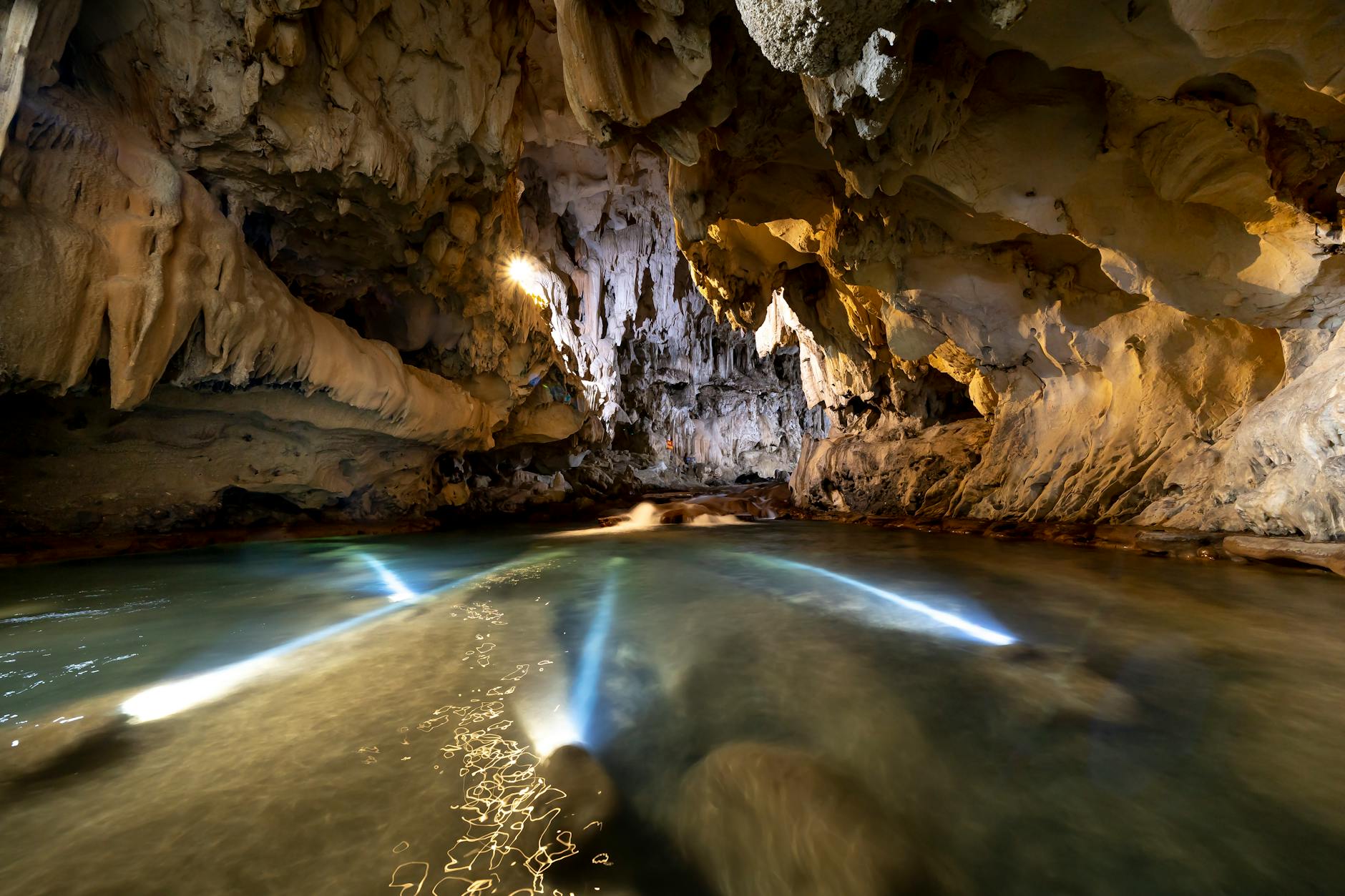
The first time I floated through Río Maya I came out the other end laughing. Not because anything funny had happened, but because the half-hour I'd just spent drifting through limestone caverns lit by skylights and tree roots was so unlike anything else at a "theme park" that I didn't know what to do with my face. Three of the four trips I've made to Xcaret have started with the underground rivers, and I'm still finding new chambers I missed the last time.
Here's everything I know about the three rivers, from someone who has now done each of them at least four times.
The three rivers, in one paragraph
Xcaret has three named underground rivers: Río Maya, Río Manatí, and Río Azul. They're not connected in a single circuit — they're three separate routes through the limestone, each with its own entrance and exit points. All three are mostly in dim light, partially open to sky, and around 4 to 5 feet deep. You wear a life vest the whole way.
The total swim time across all three is roughly 90 minutes if you don't stop. Realistically: budget two to three hours.
Río Maya — the cinematic one
Length: ~600 meters. Time: 35–45 minutes.
Río Maya is the longest of the three and the one I'd call the most "epic" — narrow tunnels, wide chambers, several skylights, and one absolutely beautiful section where the river opens into a circular cenote-like room with a single shaft of sun coming down from above. Photographers know this room. It's the one you've seen on Instagram.
Entry is near the Maya village, which is about a 10-minute walk from the main entrance. The exit dumps you out near the snorkel cove on the seaward side, so you can transition straight into a beach swim if you want.
Best done first thing in the morning — get to the entrance by 9:30 AM and you'll have stretches of the cave entirely to yourself.
Río Manatí — the gentle one
Length: ~400 meters. Time: 20–30 minutes.
Manatí is the shortest and brightest of the three, with the most open-sky sections. It's the one I always recommend for nervous swimmers, anyone claustrophobic, and kids 7+. There's a single longer dark tunnel in the middle but it's not enclosed — you can always see daylight ahead.
The entry is near the butterfly pavilion. Exit is closer to the central restaurant area, so you can grab lunch right after.
This is also the river where I've seen the most wildlife — small fish in the open sections, and once a juvenile green iguana sunning itself on a ledge inside the cave.
Río Azul — the mysterious one
Length: ~500 meters. Time: 25–35 minutes.
Azul is the deepest and darkest of the three, with the longest fully enclosed sections. It's also the least crowded — most park visitors hit Maya first, fewer make it to Azul, and by mid-afternoon Azul is often near-empty.
The entry is in the back of the park near the cliff jumps. Exit is closer to the inlet. The water is noticeably cooler than the other two rivers, probably because so little sunlight gets in.
Two warnings about Azul: there's a 30-foot section where you swim through what is essentially complete darkness with only the dim glow at either end. If that idea makes you uncomfortable, do Maya or Manatí instead. Also, the rock ceiling in places is low enough that I've seen tall swimmers (6'2"+) brush hair against it. Be aware.
The order I do them in
After three trips of trial and error, my preferred order is:
- Río Maya first, right at park opening. You want it before the crowds.
- Snorkel cove break. Reset, warm up in the sun.
- Río Manatí late morning. Quick and bright, easy add-on before lunch.
- Lunch.
- Río Azul mid-afternoon. Crowds have thinned, you've earned the dark cave.
The single best timing trick I know: skip Maya entirely on day one if you're staying at Hotel Xcaret with park access for multiple days. Save it for the second visit and do it at 9 AM sharp. It's fundamentally a different experience without people in front of and behind you.
What to wear
The water is colder than you'd expect for the Yucatán — somewhere around 72°F (22°C) in the cave sections. Across three trips I've settled on:
- Rash guard, long sleeve. The cold sneaks up on you in Azul.
- Board shorts or quick-dry leggings. Anything that doesn't hold water.
- Water shoes. You exit onto rough limestone steps. Bare feet hurt.
- Cheap goggles. Worth it just to look down at the rock formations underwater. The park sells them but bring your own.
Skip the snorkel mask in the cave sections — the water isn't that clear and the visibility is dim. Save the snorkel for the cove afterward.
What to bring (and what to leave)
Bring:
- A waterproof phone case with a lanyard. Phone shots in the skylight rooms are stunning if you have a steady hand.
- A cheap headlamp if you have one, for Azul. Most people don't and it's fine, but I've used one on every trip since I figured out how cool the rock formations look under your own light.
Leave:
- Your DSLR. The water + cave humidity + locker logistics are a lose-lose. Phone-only.
- Sunglasses. You will lose them in the first 30 seconds of Maya.
- Anything not actually waterproof. The "water-resistant" Apple Watch is fine. Your fitness tracker probably isn't. Test before you go.
How crowded does it get?
Peak crowding is between 11 AM and 2 PM, when the park is full and the day-trippers from Cancun have arrived. During this window, Río Maya can have a queue at the entrance and you'll be in a continuous chain of swimmers maybe 10 feet apart inside the cave. Manatí is the most affected because it's the easiest. Azul stays comparatively quiet.
If your only window is the middle of the day, do Azul. Save Maya for early or late.
Photography notes
This deserves its own section because the rivers are the single best photo opportunity at the park.
- The cathedral chamber in Río Maya is the money shot. Shaft of light, swimmers as silhouettes. Time it for late morning when the angle is most dramatic.
- Río Manatí's open-sky sections photograph as turquoise green from above — visible from the bridge at the entrance.
- Río Azul photographs poorly. It's too dark. Don't try.
Bring a phone with good low-light performance (recent iPhone or Pixel) and a small floating lens cleaner. Spray from the swimmers ahead of you fogs the lens constantly.
For more spots around the park, see my list of 9 best photo spots at Xcaret.
What I'd do differently
If I were starting over: I would do Río Maya alone, before any of the other rivers, before any other attraction in the park. Just walk in, swim it, and let it be the first impression. I've seen people skip it for the dolphin program and live to regret it.
The other thing: I would have brought a rash guard on trip one. I shivered through 45 minutes of Río Maya in just board shorts and the second half of the float was about being cold instead of about the cave. Don't make my mistake.
For everything else around the park, the Ultimate Guide to Xcaret covers logistics and the Xcaret destination hub has my running list of notes from each trip. If you're trying to decide whether the rivers are even the right kind of cenote experience for your group, the comparison post on Xenotes vs Xcaret breaks it down.
Bring the trip home
Every photo on York Adventures is shot on location and available as a fine-art print. Browse the gallery to find a frame for your wall, or ask about my Hotel Xcaret member rate before you book.
Free PDF
Get the free Hotel Xcaret Cheat Sheet (PDF)
12 pages of pre-trip booking order, tipping, what's included, and the restaurants to reserve before you fly.
One email — the PDF link, plus the occasional Xcaret tip. No spam, unsubscribe anytime.
Stay in the Loop
Get new photos, stories & exclusive deals straight to your inbox.
Related Posts
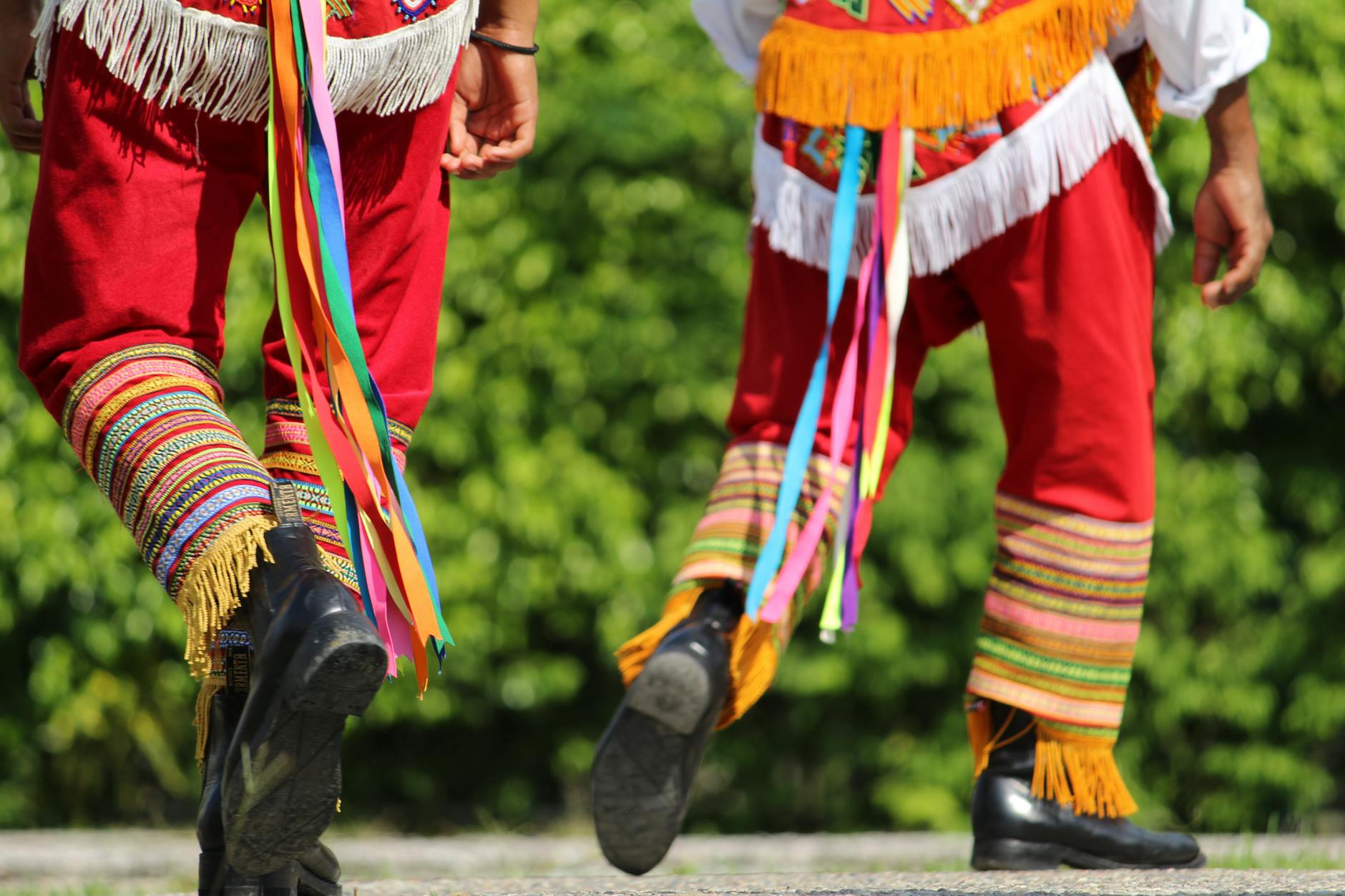
9 Best Photo Spots at Xcaret (And When the Light Hits Each One)
A photographer's working list of the nine best spots inside Xcaret, the time of day each one works, and the gear I'd bring to each.
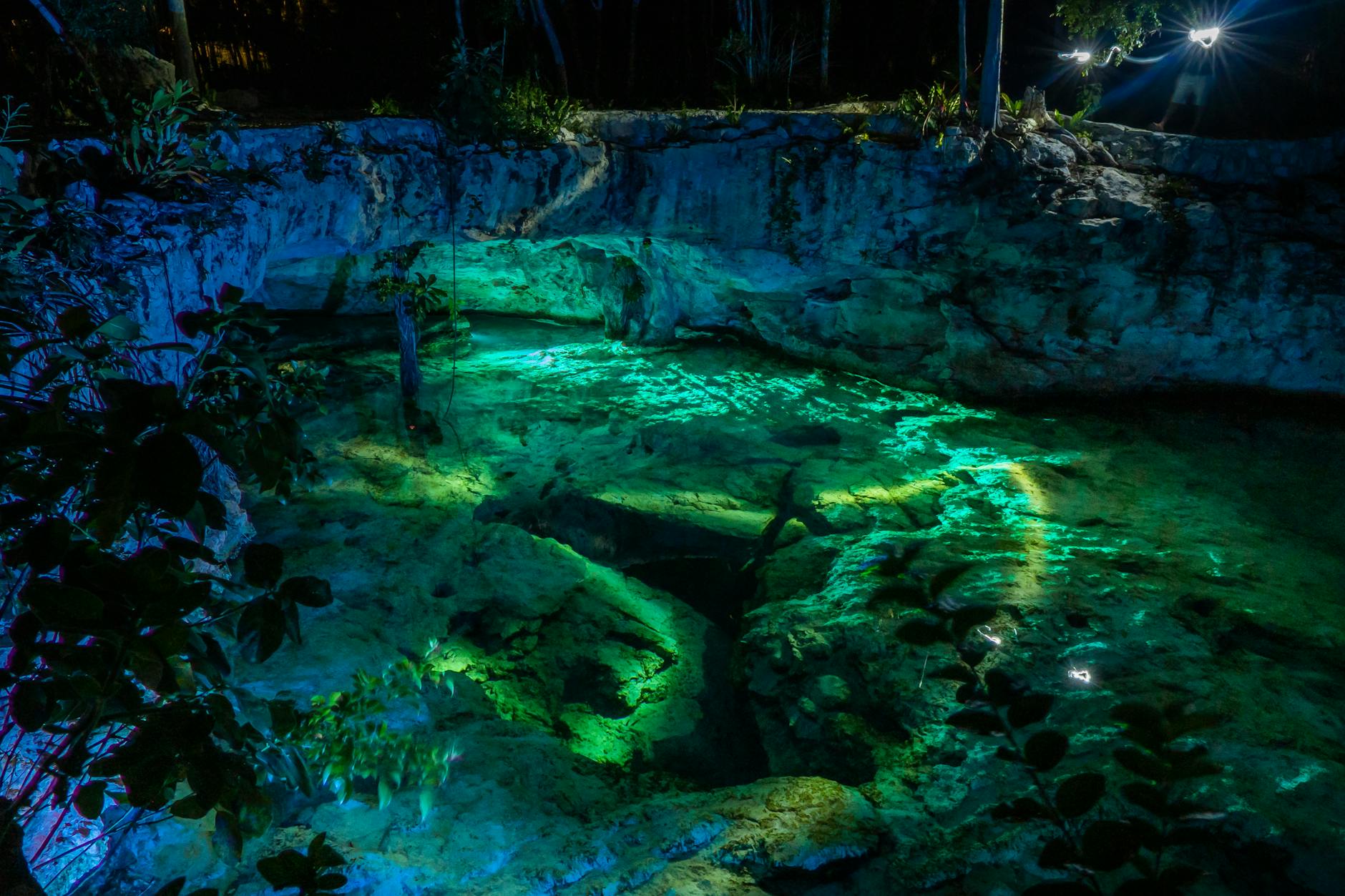
The Best Cenotes Day Trip From Xcaret (Map Included)
A no-fluff route I've run three times: which cenotes to hit, what order to do them in, and how to dodge the tour-bus crowds on the road from Xcaret.
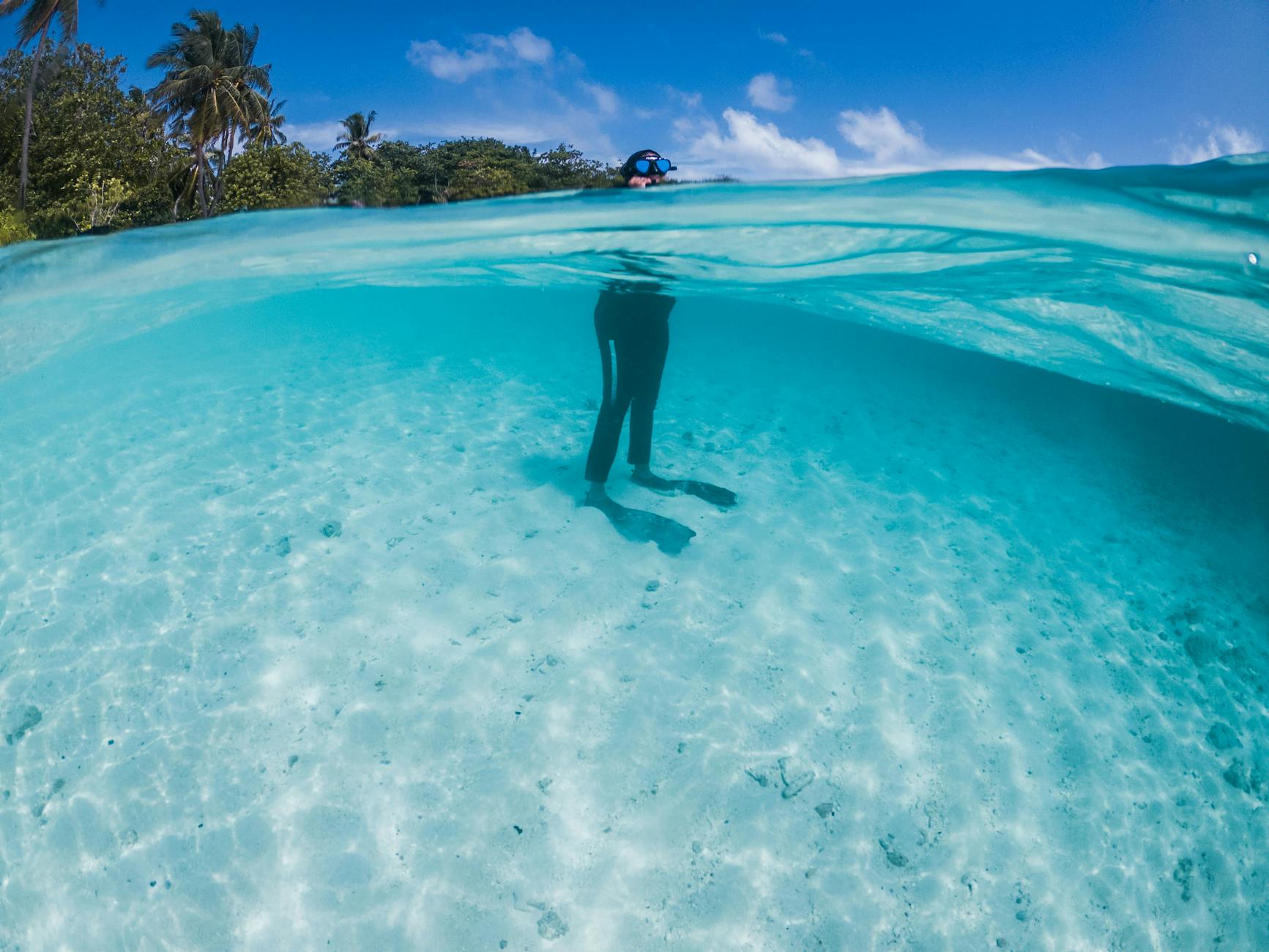
Xel-Há vs Xcaret: Which Park Is Actually Worth Your Day?
After visiting both parks more times than I can count, here's the honest breakdown of who each one is really for, and which one earns the day if you can only pick one.