9 Best Photo Spots at Xcaret (And When the Light Hits Each One)
Reviewed for accuracy on Jul 7, 2025
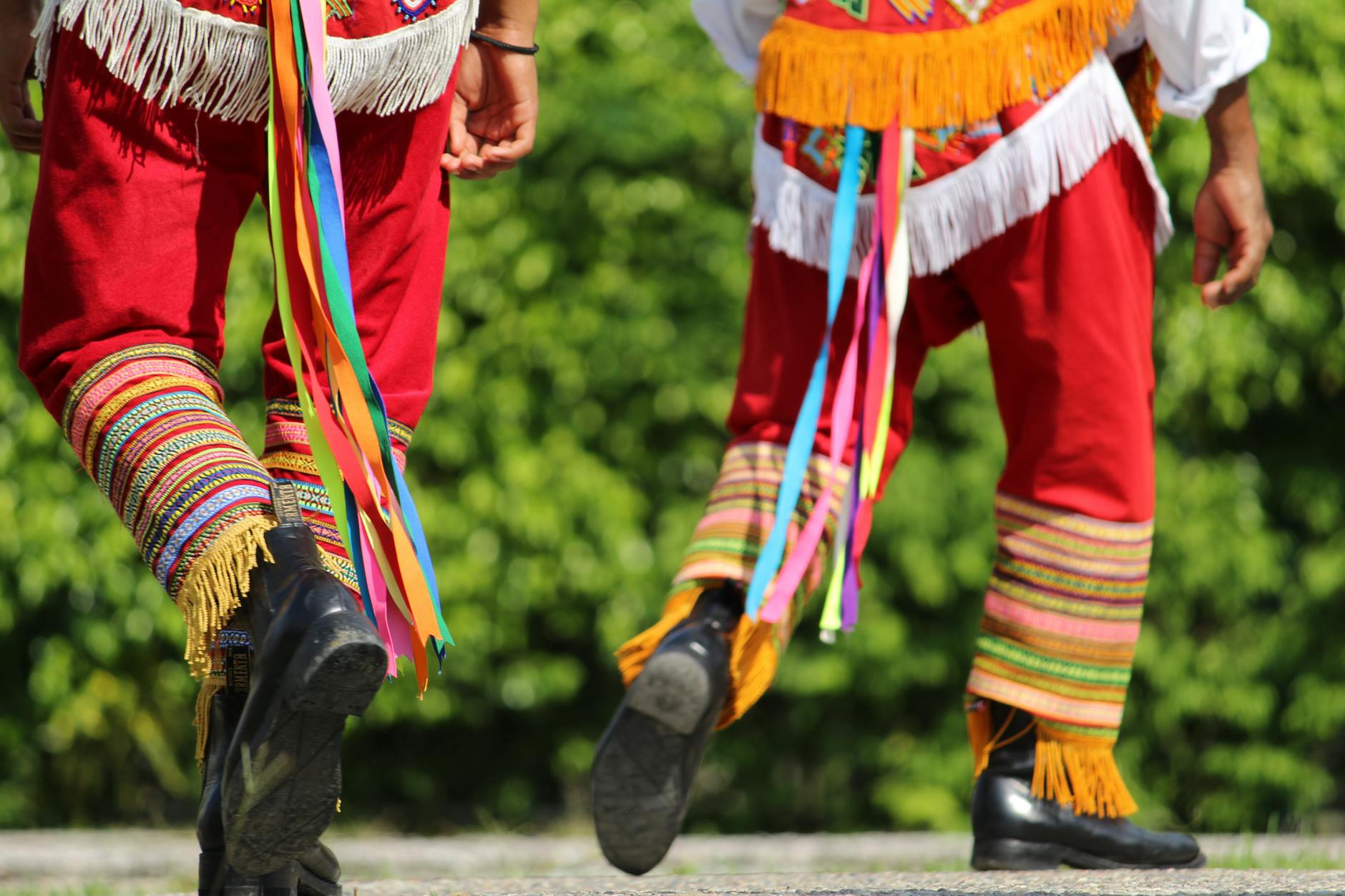
I've shot Xcaret across four trips now, in every season, with every camera I own. The park is a photo opportunity buffet — too many good spots, not enough time, and most of them are heavily dependent on what time of day the sun hits them. I've burned mornings shooting in flat midday light at locations that turned out to be sunset spots, and missed perfect golden-hour windows because I was inside an air-conditioned restaurant.
This is the working list I keep on my phone now. Nine spots, time-of-day notes, and what to shoot with.
1. The Maya Village footbridge — late afternoon
There's a wooden footbridge in the Maya village that crosses a small inlet with the chapel framed in the background. From the bridge, looking back, you get the chapel's white stone wall against jungle green and a calm reflection in the inlet water below. It works any time of day but the light at 4–5 PM hits the chapel face directly and the reflection is sharpest then.
Best gear: 35mm or 50mm equivalent. Tripod not necessary — handheld at 1/250 is fine.
2. The cenote sinkhole — sunrise to 9 AM
The open cenote near the entrance to Río Maya is the single best photo at the park, and it's only really great in the first 30 minutes of being open before the swimmers arrive. The water is glass-still, the sun comes in at a sharp angle through the opening above, and the green algae on the limestone walls looks alive.
Be there at 8:30 AM, walk straight there, shoot for 15 minutes, then move on.
Best gear: wide angle, 16-35mm or equivalent. Polarizer is essential — it kills the surface glare and lets you see down into the water.
3. The cathedral chamber, Río Maya — late morning
Inside Río Maya there's a chamber where a single shaft of sunlight comes down from a hole in the ceiling about 40 feet up. Around 11 AM the sun is high enough to light up the entire shaft and you can shoot a swimmer floating into the beam as a silhouette.
You'll be doing this with a phone in a waterproof case — no other camera is going in there. Recent iPhones (15 Pro and up) handle this surprisingly well in night mode if you can hold steady for the exposure. Pick a swimmer ahead of you in your group, time them entering the beam, fire off a burst.
Best gear: phone in a Catalyst or DiveVolk case. No DSLR.
4. The flamingo lagoon — golden hour
The flamingo lagoon is in the back third of the park, near La Laguna restaurant. Around 5:30–6:30 PM in summer (4:30–5:30 in winter), the low sun hits the pink feathers and the surrounding mangroves at the same time and you get a layered scene that's hard to mess up.
There's a small wooden walkway that gets you within 20 feet of the flamingos. They don't seem to care. Shoot from low — kneel or sit — for the best foreground reflection.
Best gear: 70-200mm zoom. The flamingos are close enough that you don't need huge reach but you want compression to make the layers stack.
The single most useful piece of gear I bring to Xcaret is a circular polarizer. It does more for tropical water photography than any lens choice I've ever made. Buy a decent one (B+W or Hoya HD) and screw it onto whatever lens you're shooting that day.
5. The Mayan ball court — midday
The reconstructed ball court in the back of the park is one of the few places where harsh midday sun actually works. The high contrast between the stone walls and the deep shadow of the rings on the side gives you graphic, almost minimalist compositions. Most of the park looks bad at noon. The ball court looks great.
Best gear: 24mm or wider. Get low. Include the rings against sky.
6. The cliffside steps above the snorkel cove — mid-morning
There's a stone staircase cut into the cliff face above the main snorkel cove. From halfway up, looking down, you see the inlet, the snorkelers, the boats on the horizon, and the line where the calmer cove water meets the open Caribbean. The contrast in water color is dramatic — pale green inside the cove, deeper turquoise outside.
Mid-morning (10–11 AM) is best because the sun is high enough to penetrate the water and reveal the color, but not so high that everything turns flat.
Best gear: phone or compact wide angle. Don't overthink it.
7. The chapel courtyard at twilight — 6:30 PM
The Chapel of Guadalupe in the Maya village is a small white chapel surrounded by a stone courtyard. At twilight (about 30 minutes after sunset), the warm courtyard lights kick on and the sky turns deep blue, and you get the classic "blue hour" magic with white walls glowing warm. The chapel doors are usually open and you can include the small altar inside.
Best gear: 35mm fast prime if you have one. Bump ISO to 1600 — handheld is fine.
8. The night show, from the front-left section
The Mexican night show at Gran Tlachco is a 90-minute production with constant scene changes. Shooting it well is hard — low light, fast movement, no flash allowed. But there's one specific seat block that always works: front-left, about row 8–12. It puts you close enough for headshots of the dancers and high enough that you're not shooting up their noses.
A few specific moments worth pre-positioning for:
- The opening "ball game" — flaming pelota court with fire balls.
- The horse procession — ten white horses carrying riders in regional dress.
- The dance of each Mexican state — fast costume changes, lots of color.
- The closing tableau — the entire cast on stage, lit dramatically.
Best gear: 70-200 f/2.8 if you have one. ISO 6400. Auto white balance — the lighting changes constantly.
For more on the show, see Xcaret at night.
9. The Maya village trails at night — after the show
Most people leave the park immediately after the night show. If you stay another 30 minutes, the Maya village trails are still lit (until about 11 PM), most of the crowd is gone, and you can shoot empty courtyards with warm tungsten light. The cemetery in particular looks different at night — the white crosses against black jungle.
Best gear: tripod helps but isn't required. 35mm prime, wide open, ISO 3200.
Phone vs camera: what I actually bring
A short list:
- For a casual trip with kids: phone only, in a waterproof case. iPhone 15 Pro or equivalent is enough for 80% of what you want to shoot.
- For a serious photo trip: mirrorless body, 24-70 f/2.8, 70-200 f/2.8, polarizer, two batteries. Skip the prime lenses — too much swapping in humidity.
- For the underground rivers specifically: phone in waterproof case. Don't risk a real camera.
Tripods are technically allowed but cumbersome with the lockers and crowds. I've stopped bringing one and don't miss it.
For the gear I actually pack, see the Xcaret packing checklist.
Time-of-day cheat sheet
If you're a planner:
- 8:30–9:00 AM: Cenote sinkhole. Drop everything else.
- 9:00–10:00 AM: Río Maya cathedral chamber.
- 10:00–11:00 AM: Cliffside snorkel cove view.
- 11:00 AM–1:00 PM: Ball court (works in midday).
- 2:00–4:00 PM: Indoor stuff, aquarium, butterfly pavilion.
- 4:00–5:00 PM: Maya village footbridge.
- 5:30–6:30 PM: Flamingo lagoon.
- 6:30–7:00 PM: Chapel courtyard at twilight.
- 7:00–9:00 PM: Night show.
- 9:00–10:00 PM: Empty Maya village trails.
That's a 12-hour day. You won't hit all of it. Pick five.
What I'd do differently
I spent my first trip shooting everything with a 24-70 zoom and got mediocre results across the board. The single best change I made on trip two was committing to the polarizer and moving to wide-angle plus telephoto — drop the in-between zoom, work with what each focal length does well.
The other lesson: shoot in RAW. Xcaret's lighting is high-contrast jungle plus tropical water plus stage lighting at night, and JPEGs lose information you'll wish you had. RAW + Lightroom rescues a lot of mistakes after the fact.
For more around the park, the Xcaret destination hub and the Ultimate Guide to Xcaret cover non-photo logistics. The wildlife at Xcaret post has more on shooting the animal habitats specifically.
Bring the trip home
Every photo on York Adventures is shot on location and available as a fine-art print. Browse the gallery to find a frame for your wall, or ask about my Hotel Xcaret member rate before you book.
Free PDF
Get the free Hotel Xcaret Cheat Sheet (PDF)
12 pages of pre-trip booking order, tipping, what's included, and the restaurants to reserve before you fly.
One email — the PDF link, plus the occasional Xcaret tip. No spam, unsubscribe anytime.
Stay in the Loop
Get new photos, stories & exclusive deals straight to your inbox.
Related Posts
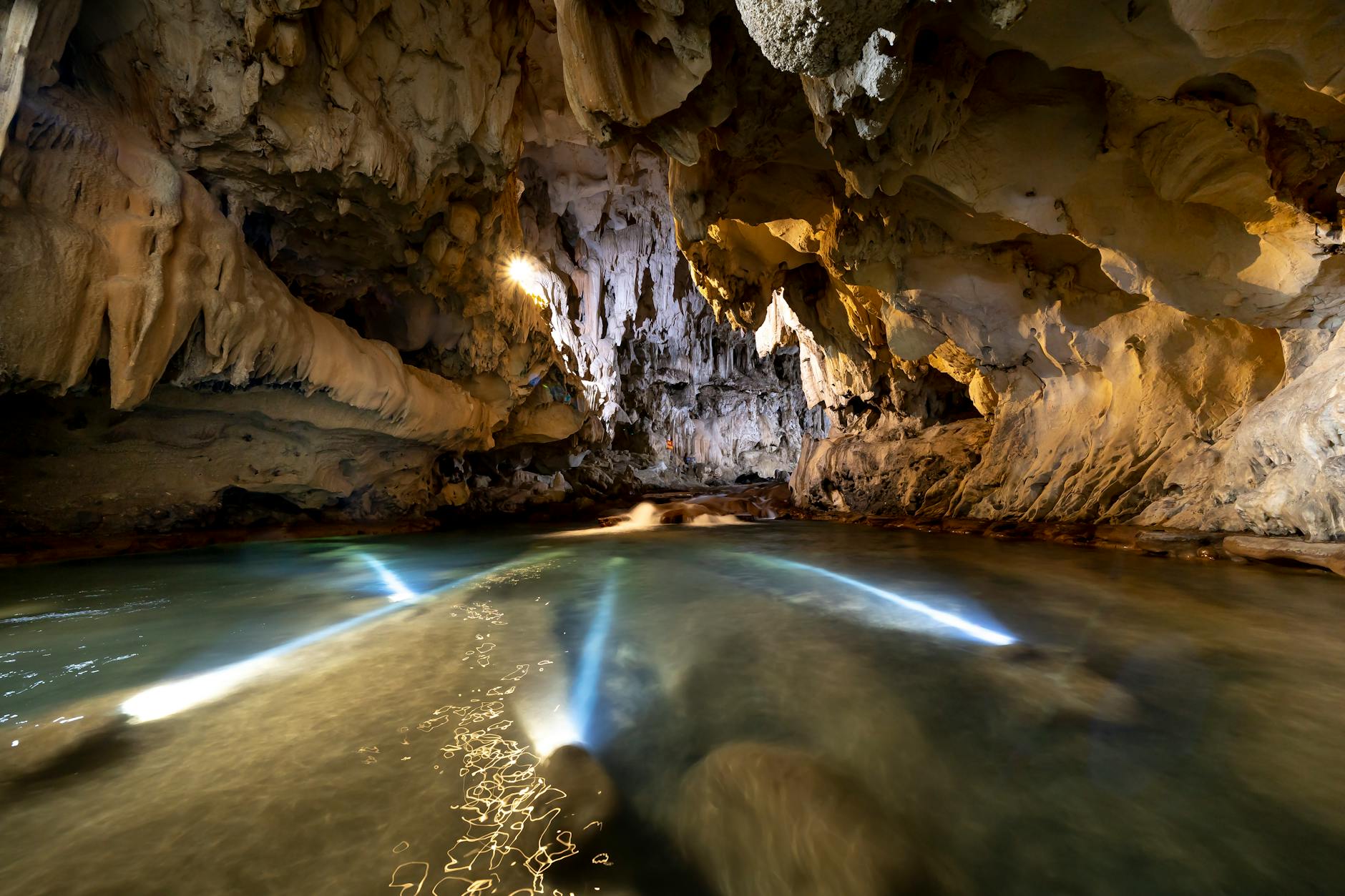
Xcaret Underground Rivers: Complete Guide With Maps and Tips
All three rivers, ranked and described section by section, with timing tips, what to wear, and which entrance to use depending on what time of day you start.
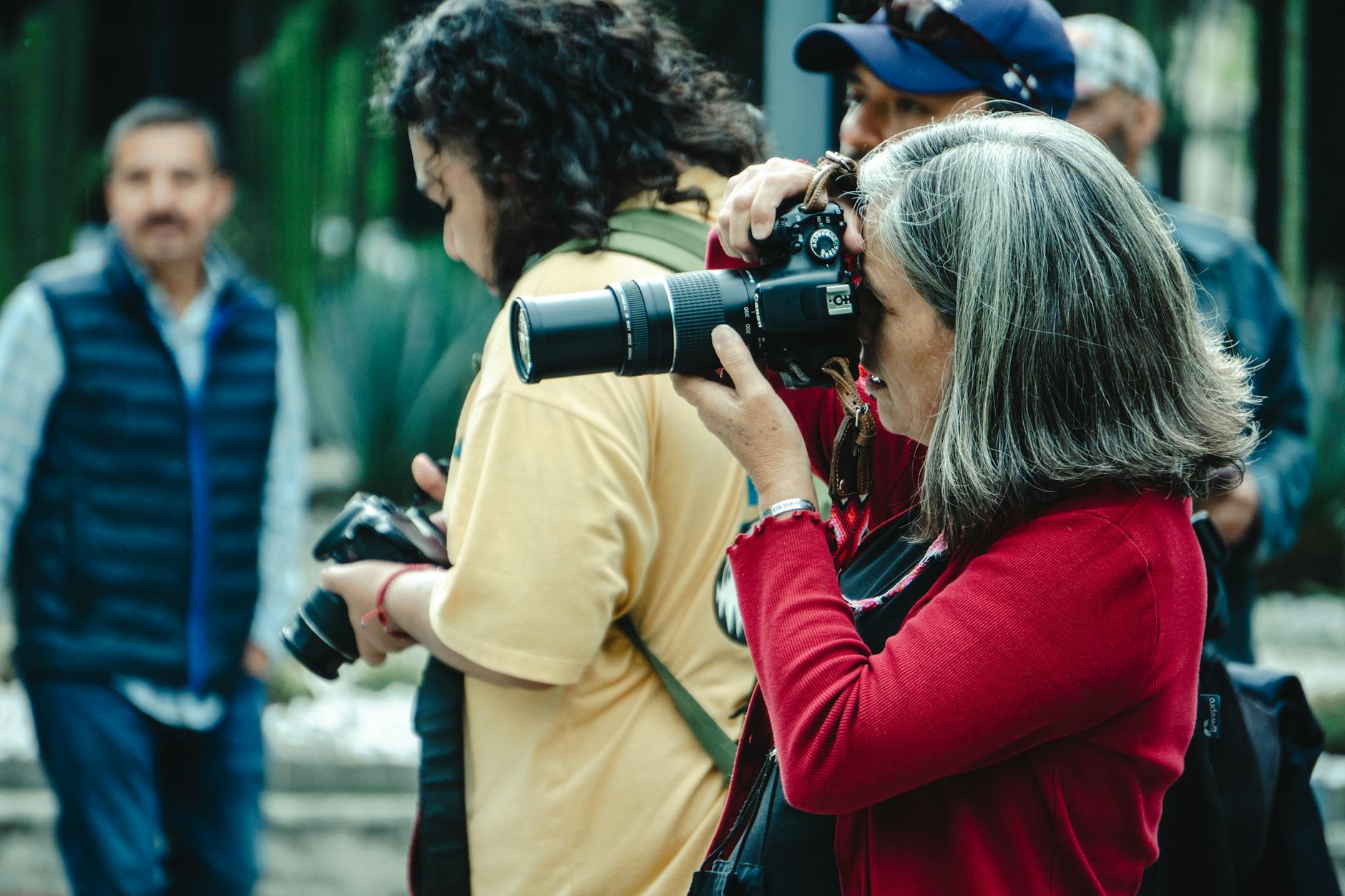
15 Most Instagrammable Spots at Hotel Xcaret + Best Light
The 15 most photogenic spots at Hotel Xcaret, with the exact best light time and framing tips for each — from a photographer who's shot the property four times.
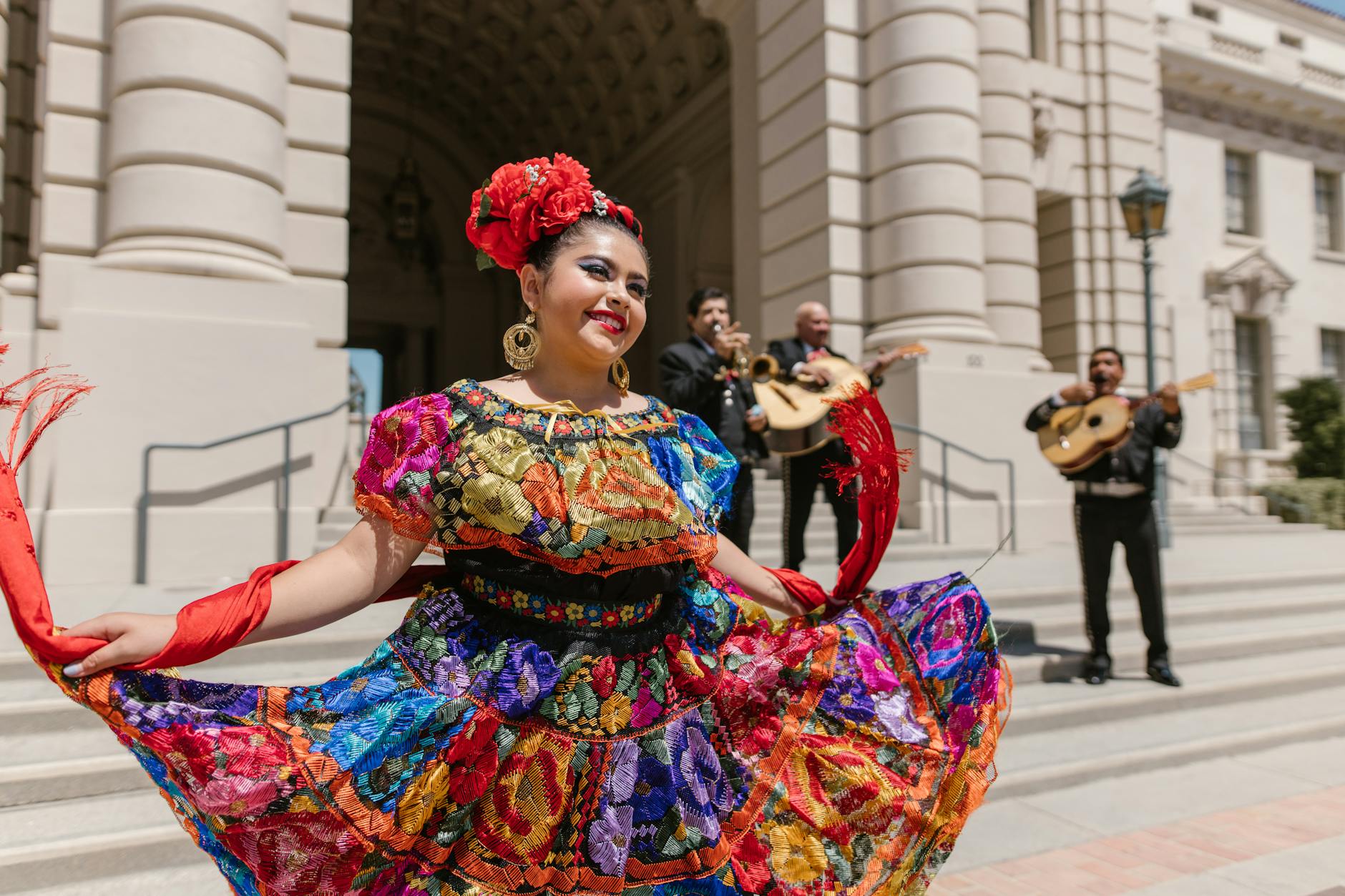
Xcaret's Optional Experiences: Which Are Actually Worth Extra?
Mayan ceremony, photo packages, butler service, premium areas, dolphin swim, Sea Trek, Snuba — here's an honest ranking of every Xcaret upcharge.