Riviera Maya Water Temperature by Month
Reviewed for accuracy on Jun 20, 2026
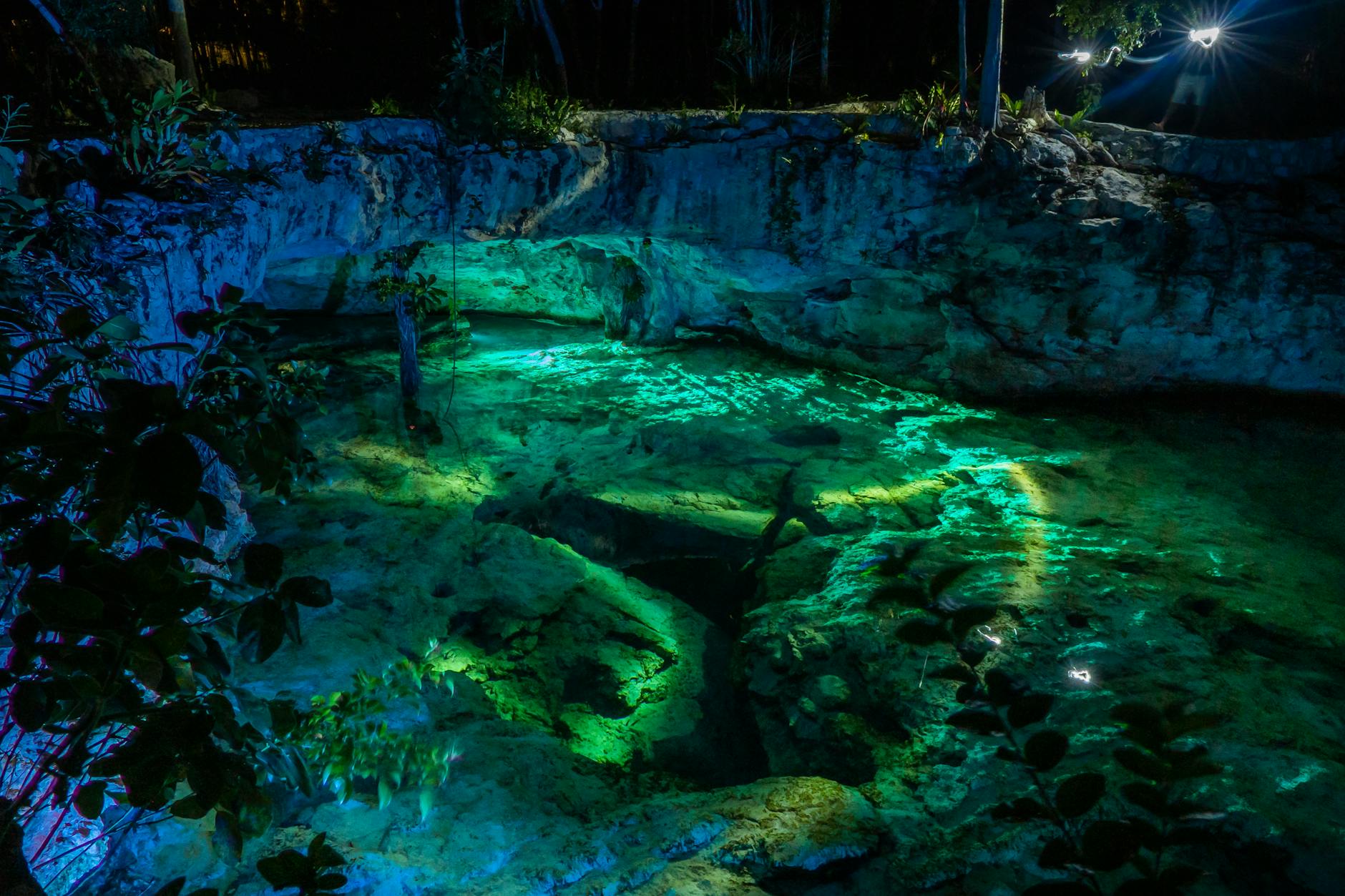
People ask me "is the water warm in the Riviera Maya?" the way they'd ask about somewhere genuinely cold. The honest answer is that the Caribbean here is warm basically all the time — the question isn't whether you can swim, it's whether you want bathwater-warm summer sea or the slightly crisper, clearer winter version. After several trips spread across the calendar, here's the real month-by-month picture, plus the thing nobody warns first-timers about: the cenotes.
The short version
The sea off the Riviera Maya — Cancún, Playa del Carmen, Tulum, Cozumel — sits in a comfortable band roughly between 78°F and 86°F (26°C to 30°C) all year. There's no month where you'd call it cold. The swing is only about 8 degrees Fahrenheit from coolest to warmest, which is small compared to most of the world's beaches.
Tip: Water temperature is the most stable variable on a Riviera Maya trip. Sargassum, crowds, and storms vary far more month to month — so plan around seaweed season and hurricane season first, and treat water temp as a non-issue.
Riviera Maya sea temperature by month
These are typical averages for surface sea temperature along the coast. Treat them as a reliable guide, not a guarantee — a windy week or a cool front can nudge things a degree or two.
| Month | Approx. sea temp (°F) | Approx. sea temp (°C) | Feel |
|---|---|---|---|
| January | 78–79 | 26 | Coolest of the year, still comfortable |
| February | 78 | 26 | Crisp, clear, refreshing |
| March | 78–79 | 26 | Warming up |
| April | 79–80 | 26–27 | Very pleasant |
| May | 81–82 | 27–28 | Warm |
| June | 83 | 28 | Warm, summer arriving |
| July | 84 | 29 | Bathwater warm |
| August | 85–86 | 29–30 | Warmest, very warm |
| September | 84–85 | 29 | Still very warm |
| October | 83–84 | 28–29 | Warm, tapering |
| November | 81 | 27 | Cooling slightly |
| December | 79–80 | 26–27 | Heading toward winter low |
The pattern is simple: coolest from December through March, warmest from July through September. Even the "cold" months are warmer than a summer day at most California or Mediterranean beaches.
Why the cenotes feel freezing
Here's the part that surprises everyone. You acclimate to 84°F sea water all week, then you do a cenote day trip and jump into what feels like an ice bath.
Cenotes are sinkholes fed by the underground freshwater aquifer that runs beneath the whole Yucatán Peninsula. That water is shaded from the sun and stays at a near-constant 75°F (24°C) year-round. On paper that's not cold. But after the warm Caribbean, the contrast hits hard, and the deeper, cave-style cenotes can feel even cooler. The first sixty seconds are a shock; then your body adjusts and it's gloriously refreshing on a hot day.
If you're comparing the famous swimming holes, my notes on Dos Ojos vs Gran Cenote cover which ones are worth the drive — and all of them run at roughly that same cool temperature.
Tip: For long cenote sessions — snorkeling caverns, a guided cave float, or a slow photography session — a thin shorty wetsuit or even a rash guard makes a real difference. For a quick dip, you don't need anything; you just need to commit to the plunge.
Pools and the Xcaret underground rivers
Resort pools are generally kept comfortable and sit warmer than the cenotes, often in the low 80s°F depending on how much sun they get. The famous underground rivers at Xcaret are spring-fed and brackish, so they run cooler than the pools — closer to that fresh, slightly bracing range. It's part of the charm, but if you run cold, you'll feel it on a long float, especially on a cloudy day. The snorkeling inlets at Xcaret are a mix of sea and spring water and sit somewhere in between.
Air temperature vs water temperature
A point that trips people up: in the Riviera Maya, the air and the water track closely, but not identically. In winter the air can swing more than the sea. A December cold front ("norte") can drop daytime highs into the low 70s°F and make a windy evening feel genuinely cool — meanwhile the water is sitting at a steady 79°F and is arguably the warmest thing around. I've had January evenings where the most comfortable place on the property was the pool.
In summer it flips: the air is hot and heavy (highs in the low-to-mid 90s°F with brutal humidity), and the 85°F sea offers almost no cooling relief — it's bathwater. That's when the cooler cenotes become the genuinely refreshing option, not the sea.
Tip: If you run cold in the evenings, pack a light layer for December through February. The water won't be the problem; a breezy, post-front night just off the Caribbean can be.
How it compares to other beach destinations
To put the numbers in context, the Riviera Maya's coolest month (around 78°F / 26°C) is warmer than the peak summer sea temperature at most beaches in California, the UK, the Mediterranean, and the US Northeast. Compared to Hawaii — another famously warm-water destination — the Caribbean here runs a touch warmer in late summer and very similar the rest of the year. In practical terms, if you've swum comfortably almost anywhere, you'll be more than comfortable here in any month.
Do you need a wetsuit?
For 95% of visitors, no.
- Ocean swimming and snorkeling: No wetsuit needed any month. A rash guard is the smarter buy — mainly for sun protection during long snorkel sessions, secondarily for a touch of warmth in winter.
- Cenotes and caves: Optional. A shorty helps for long or repeated dips in the cooler months, but most people skip it.
- Scuba diving: Divers often wear a 3mm wetsuit year-round, more for abrasion and a little warmth at depth than because the water is cold.
If you only pack one thing for the water, make it a rash guard. The sun here is far more likely to ruin your week than the water temperature ever will.
Water temperature and snorkeling
People sometimes assume warmer water means better snorkeling. It's actually the reverse on the margins. The cooler, calmer dry-season months (December through April) tend to bring the clearest visibility, because there's less rain runoff and the seas are flatter. The water is a few degrees cooler then, but 78°F is plenty comfortable for hours of floating, and you'll see more. Late-summer water is warmer and lovelier to wade into, but heavier rain and afternoon storms can stir up the shallows.
For a long snorkel session, the limiting factor is rarely temperature — it's sun and time. You'll get cold eventually if you float motionless for an hour even in 84°F water, simply because you're not generating heat. That's the real argument for a rash guard or shorty: not because the Caribbean is cold, but because being still in any water for long enough cools you down.
Tip: If you're chasing the clearest underwater visibility for photos, target the dry season and accept slightly cooler water. If you just want a warm, easy dip, summer is bathwater — just plan around the afternoon storms.
How water temp should (and shouldn't) shape your trip
The takeaway: don't pick your travel month based on water temperature. The sea is swimmable every month, so let the variables that actually move the needle decide for you.
- Want the clearest, calmest beach conditions? Travel in the dry season, December through April — also the coolest (but still pleasant) water. The Riviera Maya destination guide breaks down the seasons in full.
- Coming for whale sharks? You're locked into warm-water summer regardless — see whale shark season.
- Optimizing for value and quiet? Shoulder months still have warm water and thinner crowds; I get into the tradeoffs in the low season vs peak comparison.
Water temperature is the one thing the Riviera Maya gets right in every single month. If you travel here regularly, Mexico Club member rates make it easy to chase the season that suits you. And if you want a preview of that turquoise before you book, the gallery and our prints are full of it.
Bring the trip home
Every photo on York Adventures is shot on location and available as a fine-art print. Browse the gallery to find a frame for your wall, or ask about my Hotel Xcaret member rate before you book.
Stay in the Loop
Get new photos, stories & exclusive deals straight to your inbox.
Related Posts
Sargassum in the Riviera Maya: Seaweed Season & Is There Seaweed at Xcaret?
When sargassum hits the Riviera Maya, how bad it gets month by month, where to check daily forecasts, and which beaches (including Xcaret) stay clearest.
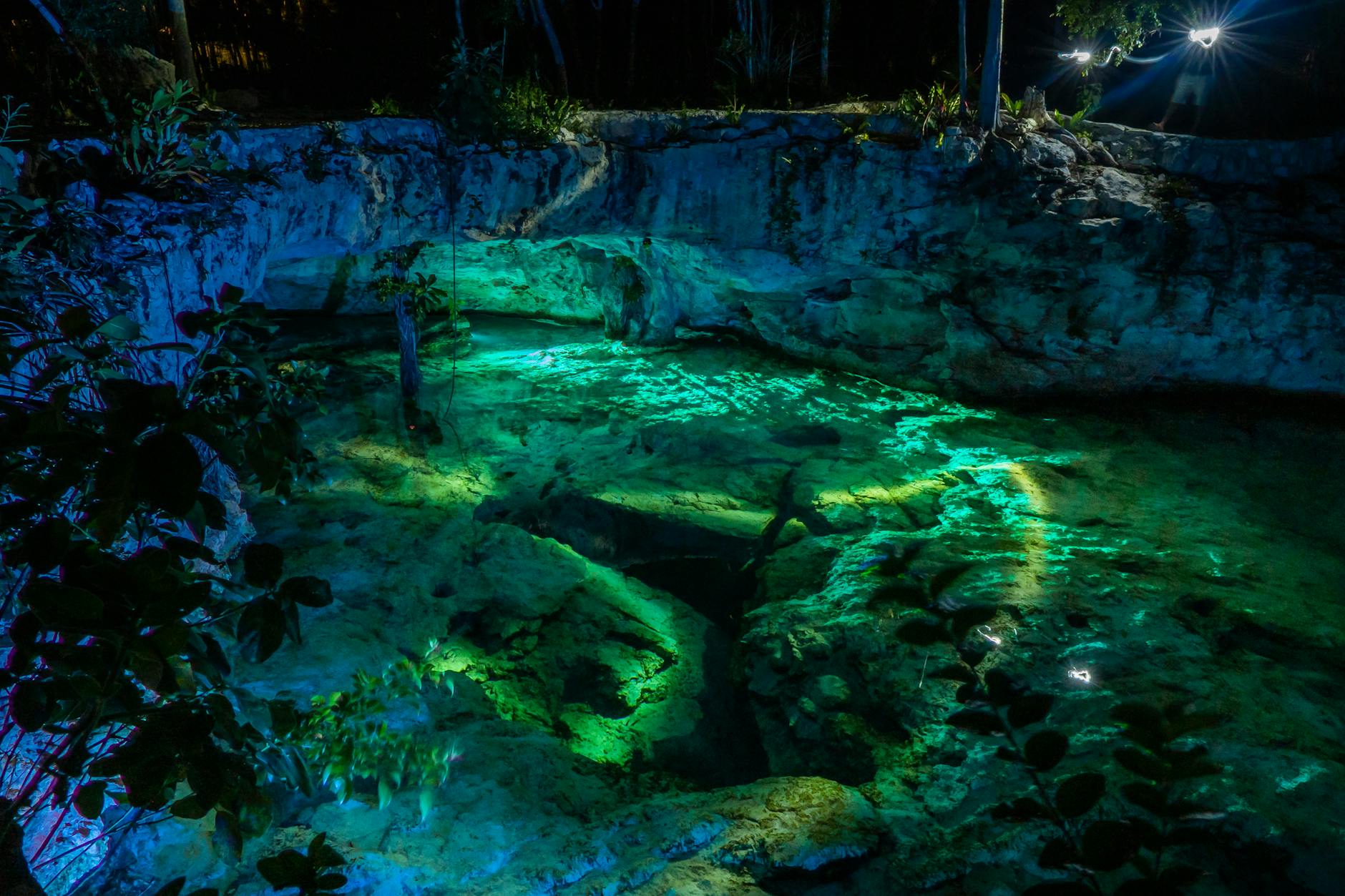
Best Cenotes in the Riviera Maya for Swimming and Photos
My ranked shortlist of the cenotes worth your time — for the swim, for the light, and for the frames — with the exact times to shoot each one.
Cancún Travel Guide: Beyond the Hotel Zone
Cancún is more than the spring-break sandbar. Here's the honest guide — the real city, the day trips, the food downtown, and how to use Cancún as a smart base.