Sargassum in the Riviera Maya: Seaweed Season & Is There Seaweed at Xcaret?
Reviewed for accuracy on Jun 12, 2026
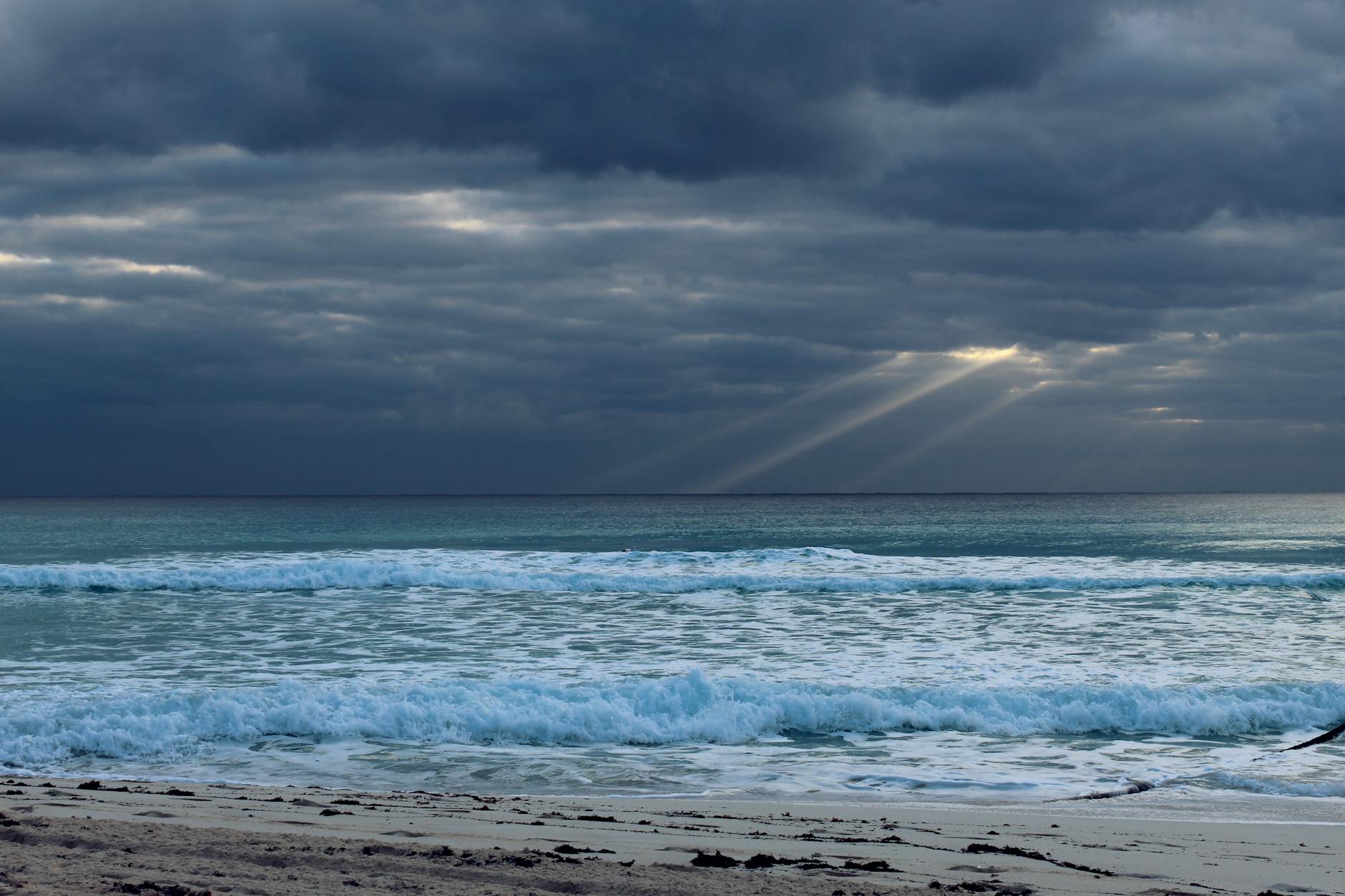
The first time sargassum wrecked one of my trips, I had no idea what I was looking at. We arrived in Playa del Carmen in late July expecting postcard turquoise and instead got a thigh-deep brown tide line, a smell like rotten eggs, and a beach crew raking seaweed at 6 AM. Nobody warned us. Three trips later, I plan around it — and I want to save you the same surprise.
This is the honest, practical version of sargassum season in the Riviera Maya: when it hits, how bad it actually gets, where to check the forecast, and the question I get more than any other — is there seaweed at Xcaret?
What sargassum actually is
Sargassum is a brown, free-floating seaweed that drifts across the Atlantic in a giant belt sometimes called the Great Atlantic Sargassum Belt. Out at sea it's an ecosystem — turtles, crabs, and fish live in it. The problem is when ocean currents and wind push it onto Caribbean beaches in massive volumes, where it piles up, rots, and smells.
It's not pollution and it's not a sign of a "dirty" resort. It's a regional, seasonal phenomenon driven by ocean conditions far offshore. Some years are light; some years (2018, 2022, and 2023 were notably heavy) bury the open beaches.
Tip: Fresh sargassum floating in the water is harmless — annoying, not dangerous. The issue is when it rots on the sand and releases hydrogen sulfide. If a beach smells strongly of rotten eggs, that's decomposing seaweed, and it's worth moving on.
The month-by-month seaweed forecast
There's no guaranteed calendar, but after several trips and a lot of map-watching, the pattern is consistent enough to plan around. This lines up with the broader best time to visit the region.
| Months | Typical sargassum level | What to expect |
|---|---|---|
| Nov–Feb | Low | Cleanest beaches, peak tourist season, best odds of clear water |
| Mar–Apr | Low to moderate | Usually still good; spring break crowds |
| May | Moderate to heavy | The ramp-up begins; varies week to week |
| Jun–Aug | Heavy (peak) | Highest risk; open beaches often affected |
| Sep–Oct | Moderate | Tapering off, but overlaps with hurricane season |
If clear water is your top priority, travel between November and April. If you're coming in summer for school-holiday reasons, set your expectations and pick your beaches strategically — which is the whole game.
Is there seaweed at Xcaret?
This is the one people really want answered, so here's the direct version: Xcaret is one of the better-protected spots on the coast.
The park and Hotel Xcaret are built around sheltered coves and inlets — the famous caletas — plus the underground rivers and freshwater pools. Those swimming areas are naturally protected from the open Caribbean, so they stay dramatically clearer than the exposed beaches at Playa del Carmen or Tulum even in a bad sargassum week. The snorkeling inlets, the underground rivers, and the lagoons are essentially unaffected.
What can still get hit is the open shoreline in front of and around the property during a heavy influx. The resort runs cleanup crews and, like many properties, uses offshore barriers in peak season. So the realistic answer is: your swimming and snorkeling at Xcaret will almost always be fine, but the "wide-open white-sand beach photo" is the part most at the mercy of the season. If a flawless beach is your priority, see my notes on the low season vs peak tradeoffs.
Which beaches stay clearest
Sargassum lands hardest on east-facing, exposed Caribbean shoreline — that's most of the Riviera Maya's famous beaches (Tulum, Playa del Carmen, Akumal). The ones that fare best are sheltered or north-facing:
- Isla Mujeres (Playa Norte) — north-facing and shallow; often clear when the mainland is buried. An easy ferry from Cancún.
- Holbox — on the north side of the peninsula, frequently spared the worst.
- Cozumel's west side — the island shelters its leeward shore; great for snorkeling and diving when the mainland is rough.
- Cancún's bay-facing beaches — spots inside Bahía de Mujeres see less than the open hotel-zone strip.
- Cenotes — freshwater sinkholes inland are completely sargassum-free and a great rainy-day or seaweed-day backup.
If you're staying on the open coast in summer, build in a day trip to one of these. It's the single best insurance policy against a bad beach week.
How to check the forecast before you go
Don't trust a single Instagram photo — beaches change day to day and even hour to hour with the wind. Use these:
- USF Sargassum Outlook Bulletin — the University of South Florida's Optical Oceanography Lab publishes a monthly regional outlook based on satellite imagery. Great for the big-picture "is this a heavy year" question.
- Local daily maps — Facebook groups like the Sargassum Monitoring Network and regional pages post color-coded daily beach reports (green = clear, red = heavy). The most useful tool the week of your trip.
- Webcams and recent photos — many resorts and beach clubs have live webcams; check a few from the last 48 hours.
Tip: Wind direction matters more than people realize. A strong onshore (east) wind packs seaweed onto the beach; a few days of west wind can clear it out. If you see a bad report two days before arrival, don't panic — conditions can flip.
What a seaweed day actually looks like (and what to do)
Let me set realistic expectations, because the doom-scroll photos online are often the worst possible moment cherry-picked. On a genuinely bad day, the tide line is brown, ankle-to-knee-deep mats float in the shallows, and the smell of decomposition gets stronger as the morning sun cooks yesterday's pile. On a moderate day, you'll see a ribbon of weed at the waterline and clear-ish water beyond it. On a good day — which is most days outside peak summer — you'd never know it was "sargassum season" at all.
If you wake up to a bad beach, here's the move:
- Go early or go inland. Crews clean beaches at dawn, so a mid-morning beach can be the cleanest you'll see it. Or flip the day entirely and head to a cenote or a Mayan ruin.
- Use the pool and protected water. Resort pools, lagoons, and sheltered inlets are immune to the open-sea tide.
- Take the boat out. Once you're past the surf line, the water is usually clear. A snorkel or dive trip to Cozumel sidesteps the shoreline entirely.
- Chase the wind. If the forecast shows the wind shifting offshore in a day or two, just wait it out — beaches can clear remarkably fast.
The mistake I see people make is writing off a whole trip over one rough morning. Conditions move. A flexible attitude and a backup plan turn a "ruined beach day" into a great cenote day.
How to plan around a bad sargassum year
You can't control the ocean, but you can stack the odds:
- Travel in the dry season (Nov–Apr) if clear beaches are non-negotiable. See the wider Riviera Maya destination guide for season-by-season planning.
- Choose a sheltered-cove property like Xcaret over an open-beach resort if you're locked into summer dates.
- Book a flexible rate so you can pivot plans, and pad the trip with cenotes, ruins, and inland adventures that don't depend on the beach.
- Pack water shoes — even a cleaned beach can have stray seaweed and the occasional sting.
- Members get the most flexibility on dates and rebooking — if you travel here often, the Mexico Club member rates make it easier to shift around the season.
The honest bottom line: sargassum is real, it's seasonal, and it ruins exactly nobody's trip if you plan for it. Pick your months when you can, pick sheltered water when you can't, check the daily maps, and keep a cenote day in your back pocket. I've had gorgeous, seaweed-free weeks here in February and I've had brown-tide mornings in July — and I still go back. If you want to see what the good days look like, the gallery and our prints are mostly shot in that clear dry-season light.
Bring the trip home
Every photo on York Adventures is shot on location and available as a fine-art print. Browse the gallery to find a frame for your wall, or ask about my Hotel Xcaret member rate before you book.
Stay in the Loop
Get new photos, stories & exclusive deals straight to your inbox.
Related Posts
Best Time to Visit the Riviera Maya (Month by Month)
Dry season, sargassum, hurricanes, crowds, and prices — a month-by-month breakdown of when to go to the Riviera Maya, from someone who shoots it year-round.
Cancún Travel Guide: Beyond the Hotel Zone
Cancún is more than the spring-break sandbar. Here's the honest guide — the real city, the day trips, the food downtown, and how to use Cancún as a smart base.
Riviera Maya Water Temperature by Month
How warm the Caribbean really is off the Riviera Maya each month, why cenotes feel freezing, and whether you'll ever want a wetsuit. Honest, swimmer-tested.