Best Time to Visit the Riviera Maya (Month by Month)
Reviewed for accuracy on Jun 21, 2026
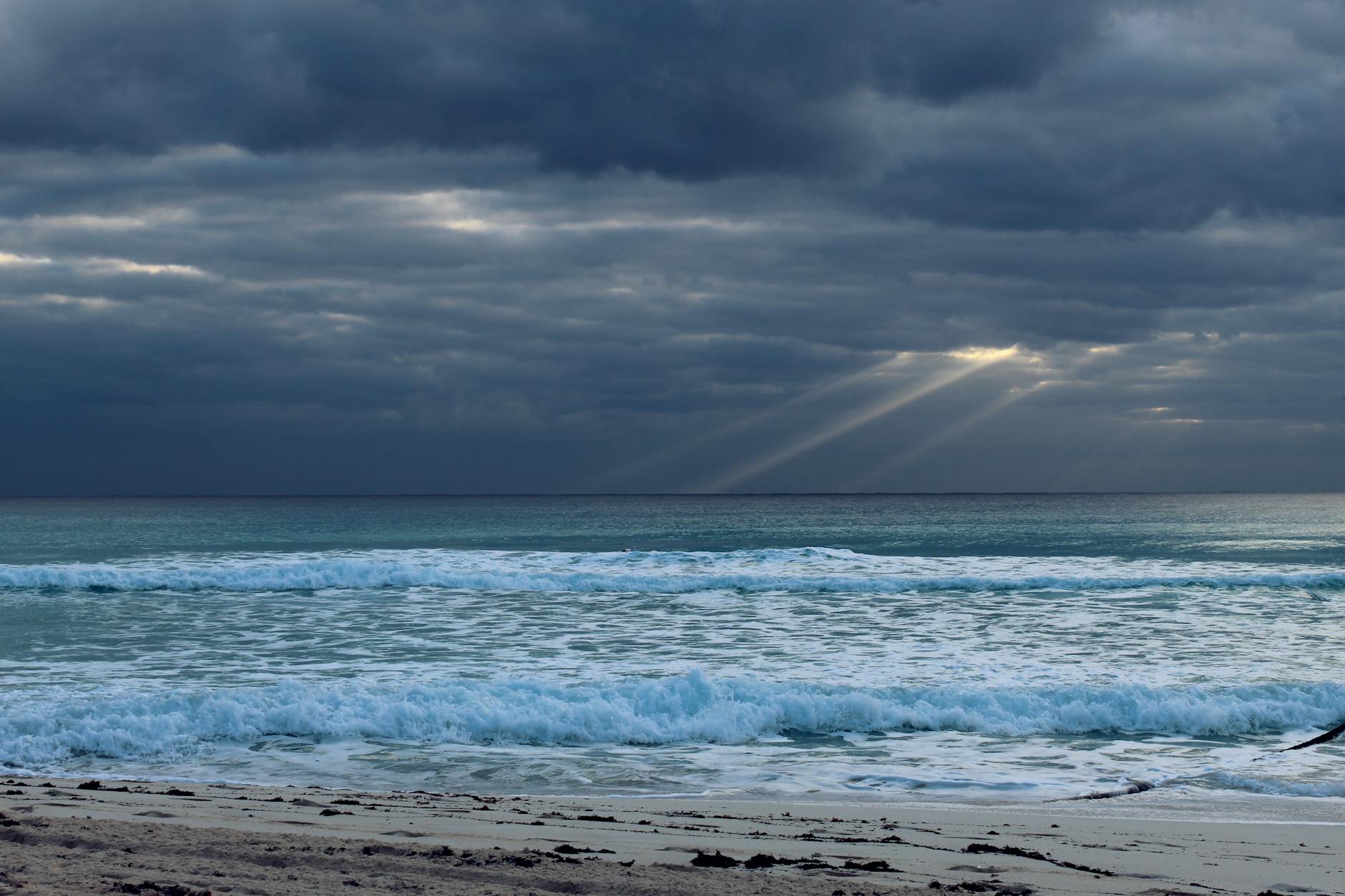
People ask me for "the best time to visit the Riviera Maya" expecting a single month, and the honest answer is that it depends on which trade-offs you're willing to make. This coast has gorgeous weather most of the year — but it also has a sargassum season, a hurricane season, a holiday crush, and a price curve that swings by hundreds of dollars a night. After shooting here in every month, here's how I'd weigh it.
For the broader logistics, pair this with the Riviera Maya travel guide. This page is about timing.
The four variables that actually matter
Forget generic "high season / low season." On this coast, your trip is shaped by four things:
- Rain and humidity — a dry season (roughly Nov–April) and a wet one (May–Oct).
- Sargassum — the seaweed that can blanket open beaches, mostly spring through fall.
- Hurricane risk — June through November, peaking late summer.
- Crowds and prices — driven by North American and European holidays, not the weather.
Optimize for one and you often pay in another. Whale sharks, for instance, peak in exactly the hot, seaweed-prone window. The trick is knowing which variable you care about most.
Month-by-month at a glance
| Month | Weather | Sargassum | Crowds/Price | My take |
|---|---|---|---|---|
| January | Dry, warm, breezy | Low | High (post-holiday) | Lovely; cooler water |
| February | Dry, sunny | Low | High (spring break starts) | Reliable |
| March | Dry, warming | Low–moderate | Peak (spring break) | Busy but great weather |
| April | Hot, dry | Rising | Peak (Easter) | Heat and crowds climb |
| May | Hot, first rains | Moderate–high | Moderate | Underrated value |
| June | Hot, humid, rain | High | Lower | Whale sharks begin |
| July | Hot, humid, storms | High | Moderate (summer) | Whale shark peak |
| August | Hottest, stormy | High | Moderate | Cheapest, riskiest |
| September | Wet, peak hurricane | Variable | Lowest | Gamble; deals |
| October | Wetting up, storms | Easing | Low | Improving late month |
| November | Drying out, warm | Low–moderate | Moderate | My favorite |
| December | Dry, warm | Low | Peak (holidays) | Stunning, packed |
The seasons in plain language
Dry season (November–April): the safe bet
This is the postcard window — sunny days, low humidity, calm seas, and the best odds of clear water. It's also when most of the planet wants to be here, so December holidays, March spring break, and Easter bring peak crowds and peak prices. Water is at its coolest in January and February (still swimmable, just brisk for the spoiled), which I cover in the water temperature by month guide.
If you want the dry-season weather without the dry-season prices and crowds, target the first two weeks of December or late November. You get the same blue skies and warm water as the holidays for a fraction of the rate, and the beaches are noticeably calmer.
Wet season (May–October): heat, deals, and weather you can work around
The rains here are mostly afternoon thunderstorms — dramatic, brief, and often gone by golden hour — rather than all-day washouts. The real downsides are the heat, the humidity, and the sargassum. The upside is price: this is when the coast is cheapest, and when summer travelers and whale-shark chasers come. If you can handle a sticky afternoon and a passing storm, the value is excellent.
Sargassum: the variable nobody warns you about
Sargassum is the brown seaweed that drifts in from the Atlantic and can pile up on open east-facing beaches, mostly from spring into fall. Some years are mild; some are rough. It's the single biggest "but the photos looked perfect" letdown I see. The fixes: pick resort-managed beaches that rake daily, lean on cenotes and the leeward beaches of Cozumel, and check a current forecast before you book. I keep a running explainer in the sargassum seaweed forecast — read it before locking in summer dates.
Hurricane season, honestly
Hurricane season runs June through November and peaks August through October. That sounds scary, but direct hits on this stretch are uncommon, and the vast majority of "hurricane season" days are simply hot and sunny with a chance of an afternoon storm. What changes is your risk tolerance: book refundable rates, buy travel insurance, and don't schedule a once-in-a-lifetime event for the peak weeks without a backup plan. The full risk picture is in the hurricane season safety guide.
Best time by traveler type
- First-timers who want it easy: late November or early December. Dry, warm, manageable crowds.
- Beach purists who hate seaweed: December through April, when sargassum is lowest.
- Budget travelers: late summer to early October — cheapest rates, with weather and seaweed trade-offs.
- Whale-shark swimmers: July–August, the peak of the whale shark season off Cancún, Isla Mujeres, and Holbox.
- Photographers (me): November. Post-rainy-season clarity, low seaweed, and the light has that crisp dry-season edge.
A photographer's note on light and weather
Here's the thread I plan every trip around: the wet season actually gives you better skies — towering cumulus, dramatic storm light, rainbows after the afternoon downpour — while the dry season gives you cleaner water and more reliable golden hours. If you're chasing big moody skies, don't fear summer; just shoot around the rain and you'll come home with frames the January crowd never gets. If you want glassy turquoise and predictable conditions, go dry-season. The Riviera Maya prints in the gallery are a roughly even split between the two seasons for exactly that reason.
Events and festivals worth timing around
If you want your dates to do double duty, a few annual happenings are worth building a trip around:
- Día de Muertos (late October / early November): the Day of the Dead celebrations across the Yucatán are genuinely moving, and several Grupo Xcaret properties stage major festival programming. It lands right as the weather is improving and the crowds haven't returned — one of my favorite windows.
- Spring equinox (around March 20): the famous "serpent" shadow descends the staircase at Chichén Itzá. Spectacular, but the crowds those few days are intense — plan accordingly if you're making the inland run.
- Whale shark season (June–September): the world's largest fish gather off the north coast. The single best reason to brave the summer heat.
- Holiday weeks (late December, Easter, US spring break in March): great atmosphere, peak prices, packed beaches. Book months ahead or avoid if crowds aren't your thing.
Shoulder seasons — early December and the back half of May — are the locals' secret. You catch dry-season conditions or early-summer warmth without the holiday premium, and restaurants and cenotes feel calmer. If your dates are flexible, aim there first.
What changes with the seasons
A quick reality check on what each window actually feels like underfoot: dry-season mornings can be genuinely cool and breezy (pack a light layer for early ruins starts), while summer afternoons are heavy and humid enough that midday becomes pool-and-shade time rather than beach time. Plan your active hours — cenotes, ruins, snorkeling — for mornings year-round, and let the weather dictate the rest.
How timing shapes the rest of your trip
Your dates ripple into everything else — where you base, whether you rent a car, which day trips are worth it. If you're building a full week, the 7-day itinerary front-loads cenotes and ruins into cool mornings and saves beaches for the soft light at the ends of the day, which works in any season. And if you're still choosing a base, the Cancún vs Riviera Maya breakdown matters more than the calendar for some travelers.
The short version
If you want one recommendation with no asterisks: late November. Dry weather, warm water, sargassum usually past its worst, and you arrive before the holiday surge inflates everything. But there's no truly bad time here — only trade-offs. Decide which one you can live with, book flexible rates, and you'll be fine in any month on the calendar.
Bring the trip home
Every photo on York Adventures is shot on location and available as a fine-art print. Browse the gallery to find a frame for your wall, or ask about my Hotel Xcaret member rate before you book.
Stay in the Loop
Get new photos, stories & exclusive deals straight to your inbox.
Related Posts
Sargassum in the Riviera Maya: Seaweed Season & Is There Seaweed at Xcaret?
When sargassum hits the Riviera Maya, how bad it gets month by month, where to check daily forecasts, and which beaches (including Xcaret) stay clearest.

Cancún vs the Riviera Maya: Where Should You Stay?
The city or the coast? Honest pros and cons of basing in Cancún versus the Riviera Maya corridor — by trip type, budget, and what you actually want to do.
Hurricane Season in Cancún: Is It Safe to Travel?
When hurricane season runs, how risky it actually is, what a "rainy season" day really looks like, and how to protect your trip with insurance and flexible bookings.