Whale Watching in Baja: When (and Where) to Actually See Them
Reviewed for accuracy on Feb 6, 2026
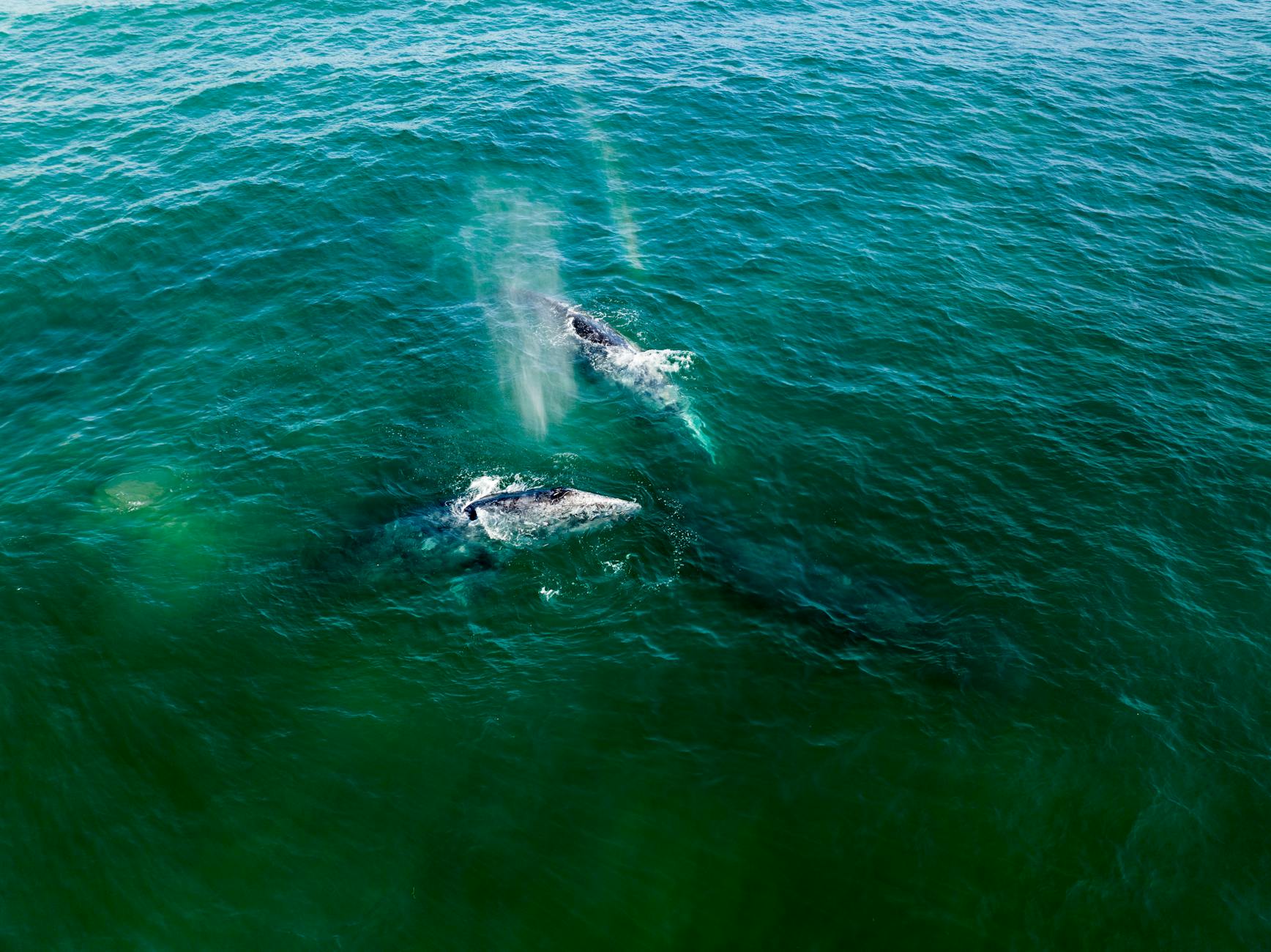
The first time a gray whale put her eye on the side of our panga in Magdalena Bay, I forgot what I was supposed to be doing with the camera in my hand. She was the length of a school bus, four feet from my knee, and curious enough to roll on her side to look at us. Her calf surfaced behind her thirty seconds later. The captain, who had been doing this for twenty years, was still grinning.
That's a real Baja whale-watching trip. The other version — the one where the booze cruise charges you $90 and you maybe see a tail slap from 200 yards away — is also a real Baja whale-watching trip. The difference is where you go and when.
Here's how to do it right.
Two species, two completely different trips
There are two whales worth flying for in Baja, and they live in different oceans on opposite sides of the peninsula.
- Gray whales breed and calve in the Pacific lagoons — Magdalena Bay, San Ignacio, Ojo de Liebre — from late December through early April. These are the famously friendly ones that approach the boats. The encounters happen in shallow, protected lagoons. You go to them.
- Humpback whales migrate down the Sea of Cortez and the Pacific from December through April, peaking in February. You'll see them off Cabo, Los Cabos corridor, and the East Cape, plus near Loreto and La Paz. These are the breaching, tail-slapping showoffs. They come past you.
If you only have time for one, the gray whale trip in Magdalena Bay is more memorable, more reliable, and less crowded. But it's a longer day.
When to go (the actual months)
The whale-watching window in Baja is technically December 15 through April 15. That's wider than the season most travelers actually want.
- December: humpbacks arriving, gray whales just showing up. Spotty for both.
- January: good for both species. Gray whale moms still calving — calves are tiny.
- February: peak month for both. If I could only go once, this is when I'd go.
- March: still excellent. The friendly gray whale moms with bigger curious calves are out and the encounters are at their best.
- Early April: humpbacks thinning out, gray whales heading back north.
If you want the friendly behavior — the panga approaches, the eye contact — pick mid-February through mid-March. That's when the gray whale calves are old enough that the moms are relaxed about strangers. Earlier in the season, the moms keep the calves further from boats.
Magdalena Bay (gray whales): the real deal
Magdalena Bay is a 4-hour drive northwest of Cabo or 3 hours from La Paz. There are three towns that operate boats: Puerto Adolfo López Mateos, Puerto San Carlos, and Puerto Chale. Most U.S. tour operators stage out of López Mateos.
You can do it as a day trip from La Paz or Cabo, but you'll be in a van for 6+ hours. I'd recommend an overnight in San Carlos or López Mateos so you can do a sunrise panga, which is when the bay is calmest and the whales are most active.
What you'll actually see:
- Mom-calf pairs cruising slowly in 30 feet of water
- Friendly approaches where the whale comes to your boat (this isn't fed behavior — it's curiosity)
- Spy hops, where the whale lifts its head out of the water to look around
- Calves practicing breaching while moms rest underneath
The pangas are small (6-8 people max), and the rules require the whales to initiate contact. The boats turn engines off when whales approach. The whole experience is regulated, low-impact, and remarkably quiet.
The first time a gray whale lifts her head out of the water to look at you, the boat goes silent. Every single trip. There's no person who isn't moved by it.
Cabo and Los Cabos (humpbacks)
The humpback scene in Cabo is convenient and genuinely good. You can be on a boat by 9 AM, see breaches and tail slaps within an hour, and be back on Médano Beach by lunch.
What works:
- Small panga charters from the Cabo marina (4-6 people)
- Catamaran trips that stay smaller (avoid the booze cruises that cram 60 people on)
- Sunrise sails that catch the calmer morning water
What doesn't work:
- The "sunset whale watching cruise" — wrong time of day, the whales are deeper
- Anything that promises swims with the humpbacks (this is illegal and you're getting scammed)
- Boats over 50 feet — the whales avoid them
You won't get the eye-contact moments you get with grays in Magdalena. You will get breaches, fluke shots, and possibly singing through the hull (if your captain drops a hydrophone). I broke this down further in the first-timer's Cabo guide.
La Paz and the East Cape
La Paz isn't the headline whale destination, but it's quietly excellent for humpbacks from January through March. The bay protects the water, the boats are smaller, and you'll often share the day with sea lions and dolphins.
The East Cape — Los Barriles, Buena Vista, Cabo Pulmo — gets humpback action from shore in February. I've watched breaches from a beach chair with a beer in my hand, which is a particular kind of luxury. If you're staying out there, ask your hotel about local pangueros. The East Cape boats are usually smaller and cheaper than Cabo's.
Loreto: the dark horse
Loreto, 4.5 hours north of La Paz, is the under-the-radar whale destination. Blue whales come through in February and March — the largest animals that have ever lived, full stop. You won't get friendly behavior, but you'll see the largest creatures on Earth from a small boat. Most U.S. travelers don't make it that far, which is why I'd go.
What to bring
A short list:
- Polarized sunglasses (cuts glare, lets you see whales just below the surface)
- A windbreaker — it's chillier on the water than you think
- Reef-safe sunscreen
- A real camera with a 100-300mm zoom, or a phone with a good zoom and steady hands
- Dramamine if you've ever felt seasick anywhere
Don't bring the giant zoom lens you used in the Serengeti. The whales are too close.
Booking it
I won't fabricate operator names because they change, but here's the heuristic I use:
- For Magdalena Bay, book through a small Baja-based operator that handles transport from La Paz or Cabo. Avoid anyone who runs more than two pangas at a time.
- For Cabo humpbacks, book a 4-6 person panga charter directly off the marina, not through your hotel concierge (who's taking a cut).
- For La Paz and Loreto, ask at your hotel for a local recommendation. The communities are small enough that you'll get the same name from three different sources.
What I'd do differently
My first Baja whale trip was a Cabo catamaran sunset cruise. We saw one tail slap from a long way off. The boat was loud, the bar was open, and the whales had clearly heard us coming.
Now I always do Magdalena Bay if the dates line up. It's a longer day, it's more expensive, and the closest gas station is 20 miles from the panga launch. But the encounters are real, and you can't compare them to anything you've done from a tour boat.
Final thoughts
Baja is the only place in the world where wild gray whales bring their calves to your boat to be petted. That's not a metaphor and it's not marketing. It happens because the moms grew up doing it, decades back, and the trust got passed down. Going to Magdalena Bay during the friendly window is one of the few wildlife experiences I'd rank above African safari for sheer "you can't believe this is real" value.
The window is short, the access is finicky, and you have to plan it. Plan it. Read the Baja travel guide for the bigger trip context, and book the panga first.
Bring the trip home
Every photo on York Adventures is shot on location and available as a fine-art print. Browse the gallery to find a frame for your wall.
Stay in the Loop
Get new photos, stories & exclusive deals straight to your inbox.
Related Posts
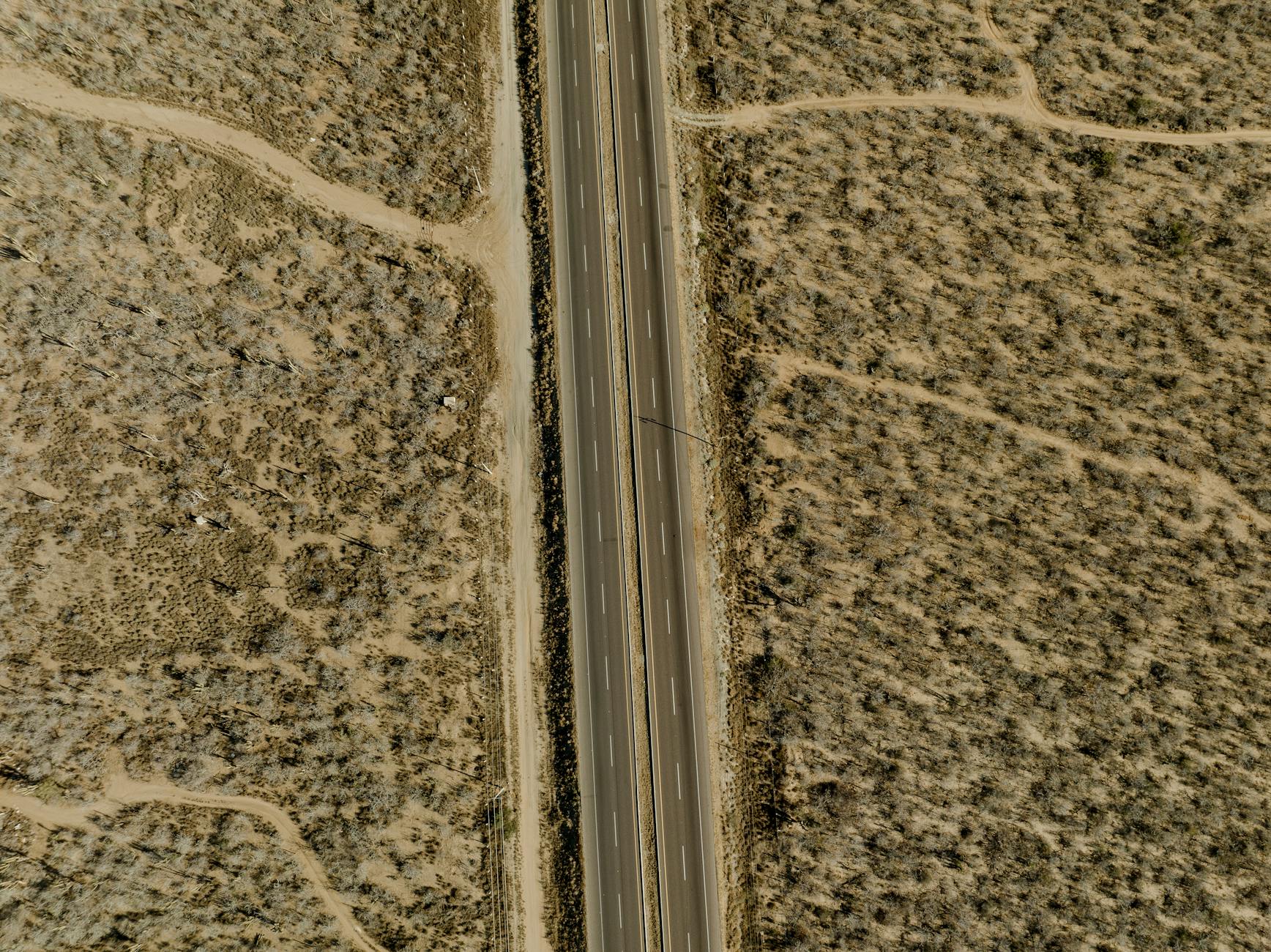
Baja Road Trip: A 5-Day Cabo to La Paz Itinerary
Five days, one rental car, and the best of southern Baja. Here's the Cabo to La Paz road trip itinerary I keep recommending — Cabo Pulmo, Todos Santos, and Espíritu Santo island.
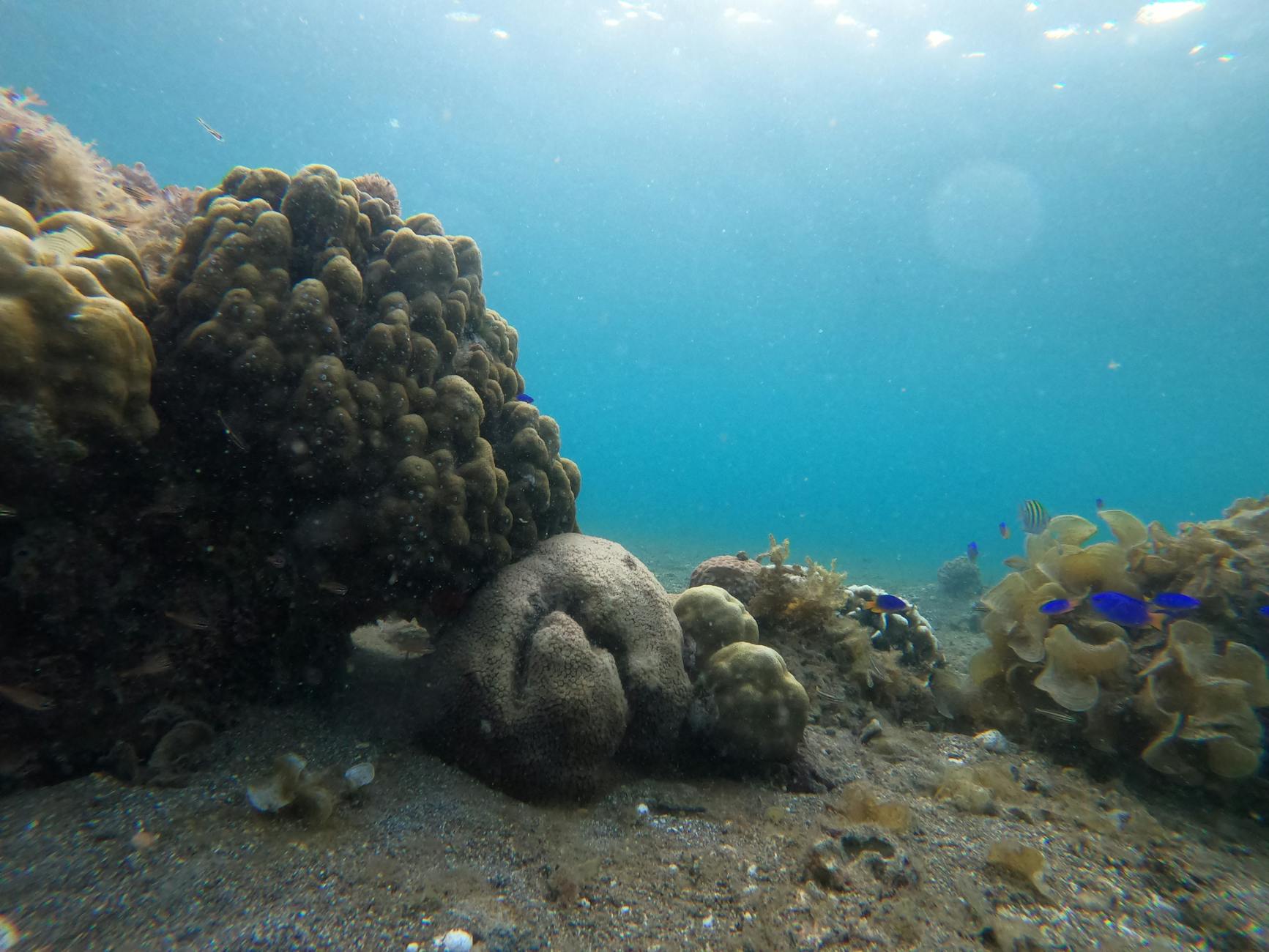
Snorkeling Cabo Pulmo: A UNESCO Reef I'd Drive Two Hours For
Cabo Pulmo has the densest fish life in the Sea of Cortez and almost no one snorkeling on it. Here's how to do the trip from Cabo or La Paz, and what to actually see.
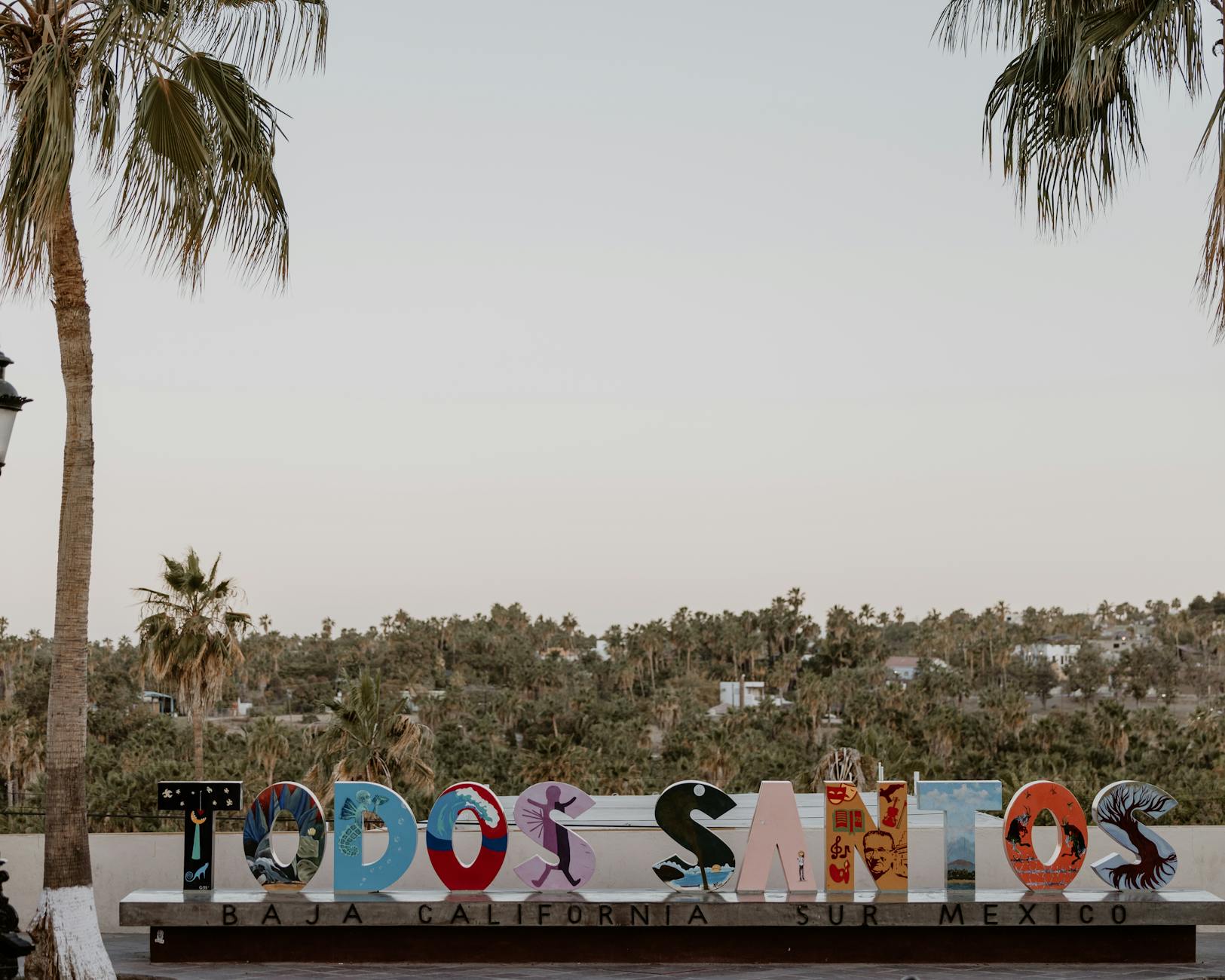
Todos Santos Day Trip From Cabo: Worth the Drive?
Hotel California, Pacific surf, art galleries, and an hour of desert in between. Here's whether the Todos Santos day trip from Cabo actually earns the drive.