9 Best Photo Spots in Bangkok (And When the Light Is Right)
Reviewed for accuracy on Jan 6, 2026
Bangkok is generous to photographers. The city has color, weather, dense human geography, and a quality of late-afternoon light that I'd put in the same conversation as Lisbon and Havana. The catch is that most of the iconic photos require being in the right spot at the right hour — and the timing isn't intuitive if you've never shot here.
Here are the nine spots I keep coming back to, in roughly the order I'd shoot them on a trip, with notes on light, lens, and how to actually get the shot.
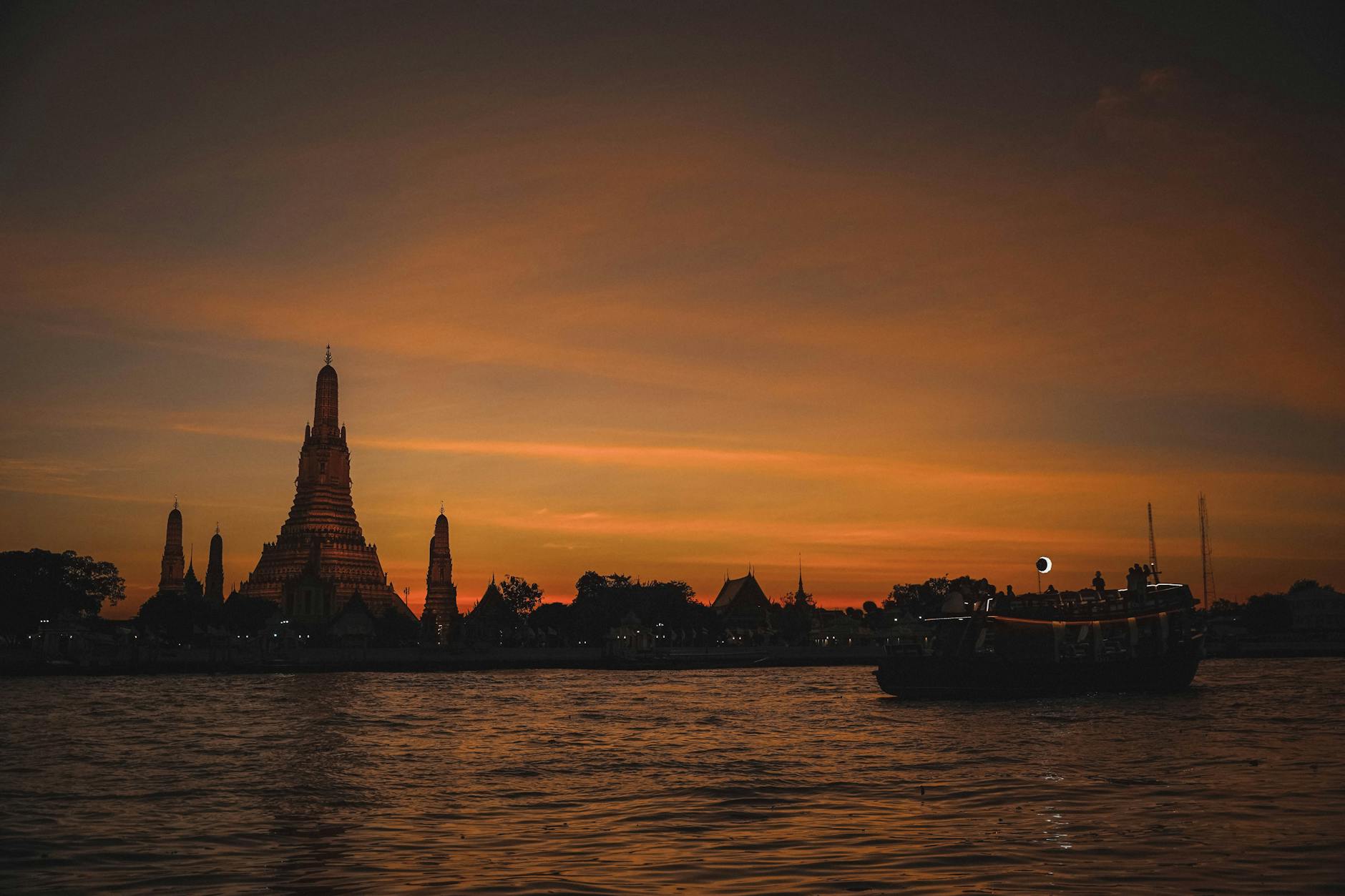
1. Wat Arun from across the river — golden hour
The signature Bangkok shot. Wat Arun lit up against a darkening sky, taken from the Tha Tien pier on the east bank of the Chao Phraya. The window is short — about 30 minutes after sunset — and you want the temple's exterior floodlights on while the sky still has some blue in it. That's blue hour, the classic 6:30-7:00 PM window in winter, slightly later in summer.
Stand at the riverbank just north of the Tha Tien pier. A 35mm or 50mm lens on full-frame catches the spire with a sliver of river. A 24mm gets the full scene with boats. Bring a tripod or rest the camera on the railing — exposure times will run a couple of seconds and the wind matters.
The full visit logistics for Wat Arun are in the temples guide.
2. Mahanakhon SkyWalk — sunset
The 314-meter open-air observation deck on top of the King Power Mahanakhon tower (the tower with the pixelated stair-step pattern). Better view than any sky bar in the city. Arrive 45 minutes before sunset, get oriented, and shoot continuously through the next hour as the city goes from gold to pink to neon.
The glass floor is fun for a portrait — you can shoot down through it for the looking-down-on-the-skyline shot. From the open deck above, a 24-70mm or 28-200mm covers everything you'll want. You don't need a tripod (it's not allowed, in fact) — modern stabilization handles it through dusk.
The shot I always take: the river snaking out toward the west with the last light catching the bend. 70mm, around 6:45 PM in winter.
3. Chinatown (Yaowarat) — after dark
Yaowarat Road in Chinatown is the city's best night-photography environment. Dense neon, dripping signage, smoke from a hundred carts, gold shops glowing against dark streets, motorbikes weaving through. Go after 7 PM when the carts come out, work the area between the Wat Traimit end and Soi Texas, and shoot from waist level into the chaos.
A fast prime — 35mm f/1.8 or f/1.4 — is what you want here. The light is mixed and changes every few meters. Push your ISO up to 3200 without worrying. The grain matches the energy of the place.
The signature Yaowarat shot is the long telephoto compression looking down the road with the neon signs stacked. From the corner of Yaowarat and Yaowaphanit, around 8 PM, you can stack five or six signs into a single frame at 70-100mm.
4. Wat Pho's Reclining Buddha — mid-morning
The 46-meter gold Reclining Buddha in his viharn. Mid-morning light through the high windows is what makes this shot — direct sun catches the gold leaf and the entire body glows. Earlier than 10 AM and the windows are too low; later than 11:30 AM and the angle is wrong.
The challenge is the room is narrow. You won't get the whole Buddha in one frame without a fisheye or panorama. The better shot is the close-up — the head, with the carved mother-of-pearl feet visible at the far end of the frame, on a 24-35mm lens. Or the feet alone — they're spectacular in their own right.
5. Pak Khlong Talat (flower market) — late evening or 3 AM
The flower market on the river is a sensory environment first and a photo subject second. Late evening (9-11 PM) is the most visitor-friendly time and still photogenic. 3 AM is when the wholesale shipments come in and the streets fill with garlands and orchids — that's the serious shot, but you'll need to be committed.
Tight frames work better than wide ones here. Workers' hands threading jasmine garlands. Stacked baskets of marigolds. A single vendor's face under fluorescent light. 50mm or 85mm, mid-aperture for sharpness, available light.
6. The river boats and the long-tail boats
Working transit on the Chao Phraya is its own genre of Bangkok photography. The long-tail boats with their giant exposed engines and rope-pull starts. The orange-flag local commuter boats packed with workers. The cross-river ferries shuttling between piers.
The best vantage is from the Saphan Phut bridge (the Memorial Bridge) at sunset, looking west — the boats cut across the river silhouetted against the sun, with Wat Arun in the background. Long lens (70-200mm) lets you compress the boats and the temple into one frame.
The other shot I love is from the boats themselves. Sit on the river-side bench, shoot the passing piers and the city wall as you slide upriver. 35mm, fast shutter, you'll get a few keepers per ride.
7. Lumpini Park at dawn
The opposite of everything else on this list — quiet, slow, soft. Lumpini Park around 6 AM is full of locals doing tai chi, joggers, monitor lizards lounging by the lake, and the city's office towers reflecting in the water as the sun comes up. It's one of the most peaceful environments in central Bangkok and a complete tonal counterweight to the temple-and-neon shots that fill most travel portfolios.
Long lens for the wildlife (the lizards are huge — 70-200mm gets you tight frames without scaring them). Wider lens for the tai chi groups against the skyline. Soft golden side light in the first hour.
8. Bangkok traffic at dusk — long exposures from a footbridge
The classic city-traffic-as-light-painting shot. The footbridge over Sukhumvit Road at the Asok-Sukhumvit intersection is the easiest spot — you're directly above six lanes of traffic and the BTS skytrain runs overhead. Set up at 6:15 PM in winter for blue hour, expose for 4-8 seconds at f/11 or f/13, and let the cars and tuk-tuks paint streaks across the frame.
This is the shot where a tripod is mandatory. The footbridge is stable enough but you'll need it level. Bring a remote shutter or use the camera's timer.
9. Floating market boats and reflections — early morning
If you make it out to Amphawa or another floating market (see the day trips guide for the right ones), be on the water by 7 AM. The light is soft, the reflections are still, and the working boats are out before the tourists. By 9:30 the sun is harsh and the canal is a different scene.
This is the trip where a small camera with good low-light capability beats a DSLR — you'll be in a low boat, you don't want to be conspicuous, and you want fast operation. A small mirrorless with a 35mm-equivalent prime is ideal.
A note on shooting people
Bangkok is generally welcoming to photographers but the basic rules apply: don't shoot inside temples without checking, ask before close portraits of monks, and be respectful at markets where vendors are working. A nod and a smile after a shot goes a long way. Most of my best portraits in Thailand have come from a 60-second conversation first, in broken English and a lot of gesturing.
Lenses I'd bring
If you're packing for one trip with one camera, this is what I'd bring:
- A 24-70mm or equivalent zoom for the all-around work
- One fast prime (35mm or 50mm, f/1.4 or f/1.8) for low-light and street
- Optional: a 70-200mm for the river boats, the long-distance temple compositions, and the Yaowarat sign-stacks
A polarizer for the river and temple work. A small tripod that fits in a daypack. Spare batteries — the heat eats them faster than you'd think.
The single best frame I've taken in Bangkok was at the Pak Khlong Talat flower market at 4 AM, of an old woman threading jasmine garlands by hand under a single bulb. 50mm, ISO 6400, 1/60. I'd been in the city for six trips before I made the effort to be there at 4 AM. The lesson: the famous spots are famous for a reason but the best frames are usually not where the crowd is.
What I'd do differently
On my first photo trip to Bangkok I shot during the worst times of day — midday at Wat Arun, midday at Wat Pho, midday everywhere — and wondered why everything looked flat. Bangkok rewards the bookend hours. Be on a temple step at 6:30 AM. Be on a footbridge at 6:30 PM. Sleep through the middle of the day and shoot again at night. Almost every shot I've kept from this city has come from one of those windows.
For broader planning, the Bangkok travel guide covers when to visit, neighborhoods, and the rest.
Bring the trip home
Every photo on York Adventures is shot on location and available as a fine-art print. Browse the gallery to find a frame for your wall.
Stay in the Loop
Get new photos, stories & exclusive deals straight to your inbox.
Related Posts
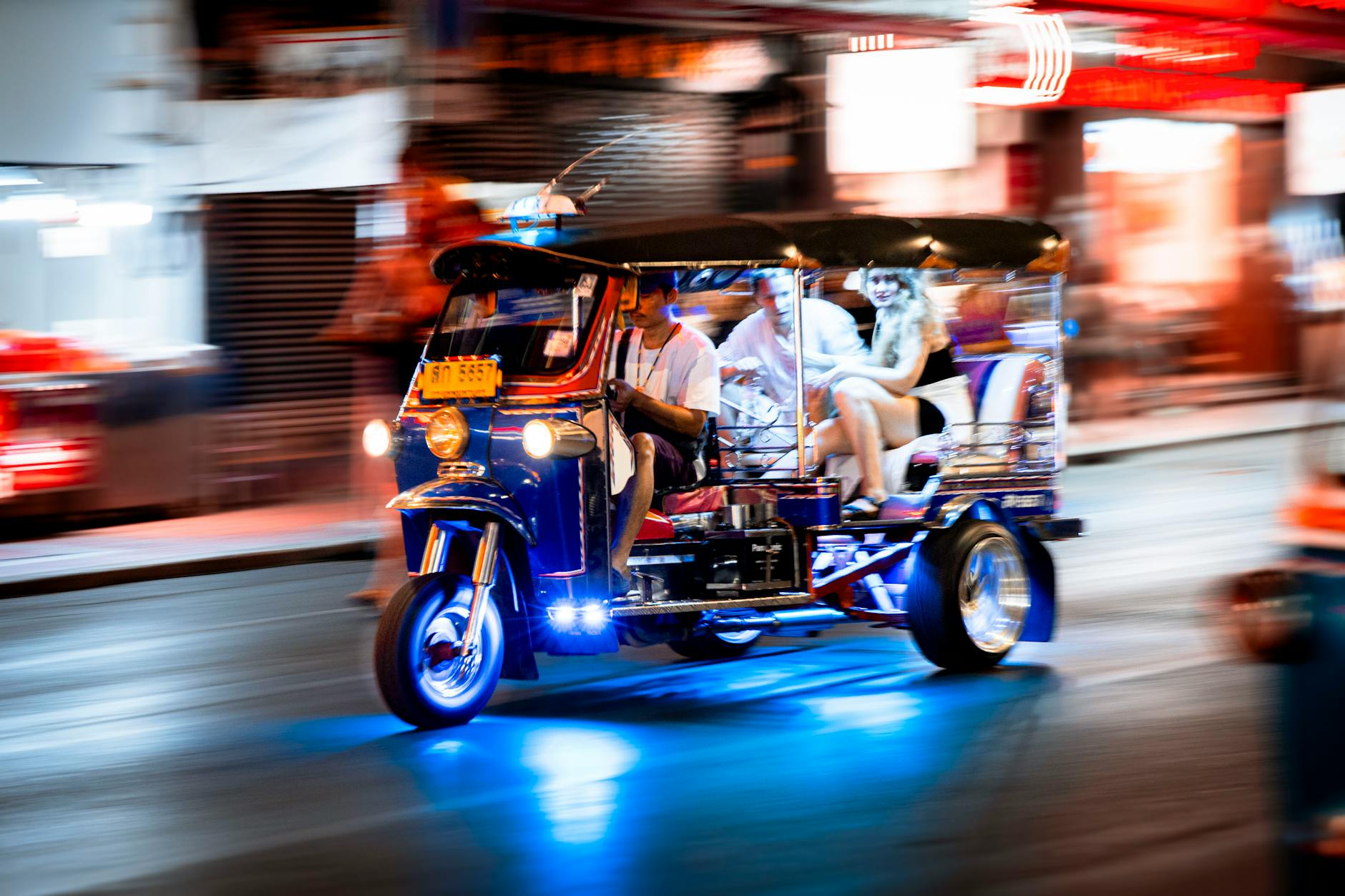
Getting Around Bangkok: BTS, MRT, Grab, and When to Take a Tuk-Tuk
An honest guide to Bangkok transport — when to take the BTS, when Grab is faster, when to use the river boats, and the truth about tuk-tuks.
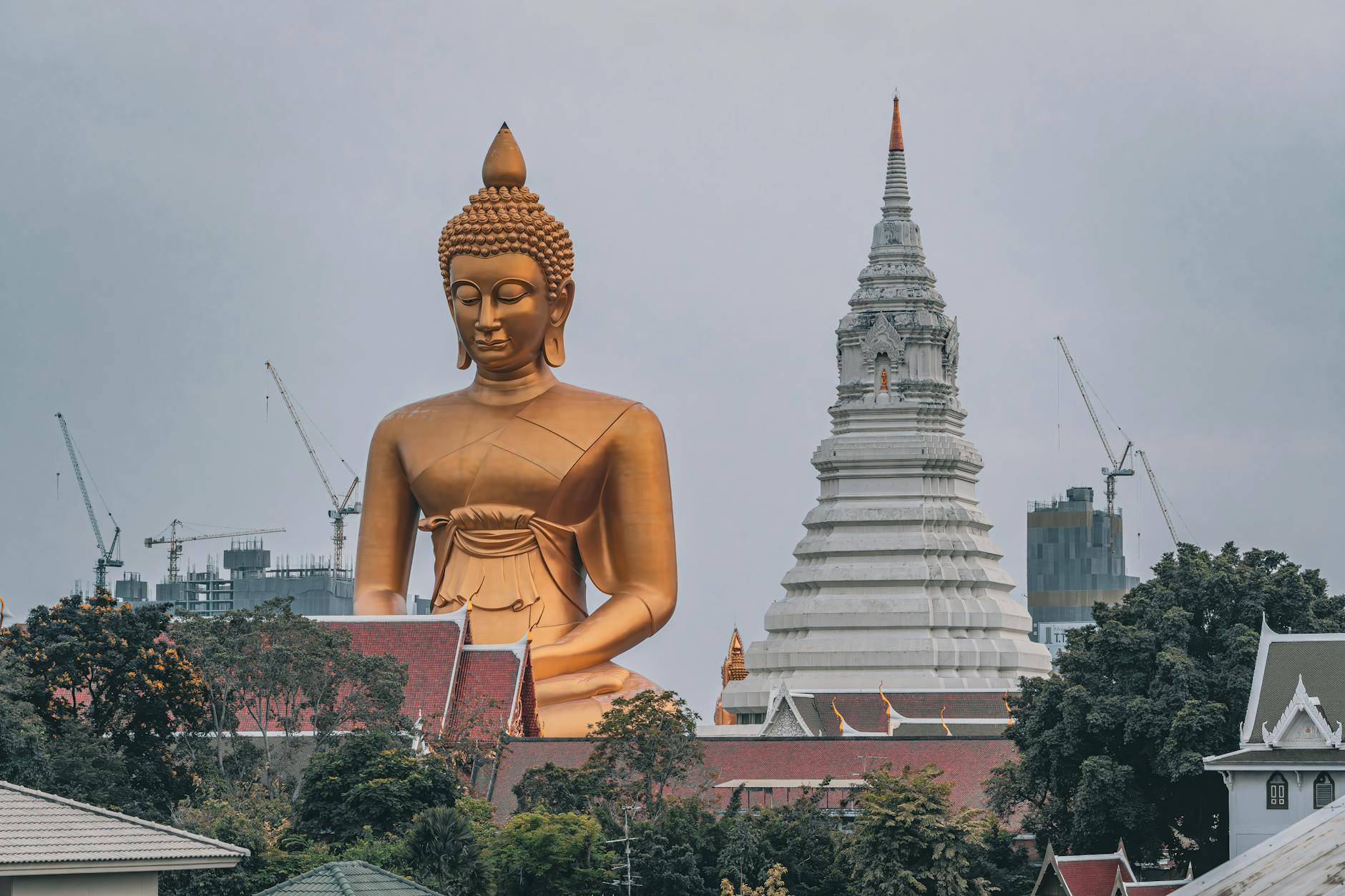
Bangkok in 3 Days: My Tested Itinerary For First-Timers
A 3-day Bangkok itinerary I've refined across five trips — temples on day one, food and neighborhoods on day two, river and a sunset on day three. No fluff.
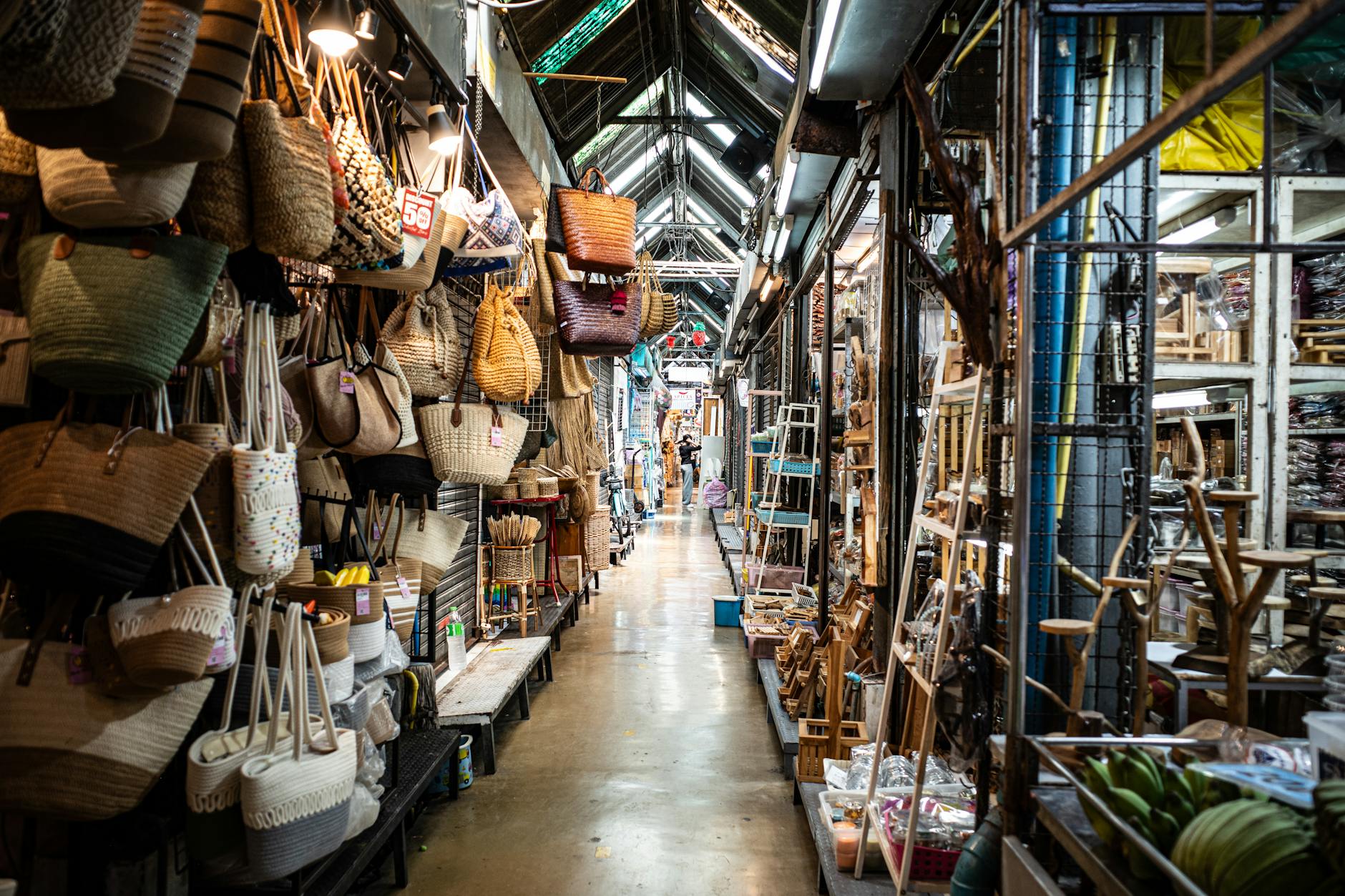
Bangkok Shopping: Markets vs Malls — Where to Spend Your Day
How Bangkok's markets and malls actually compare — Chatuchak versus EmQuartier, MBK versus ICONSIAM, and where to spend your shopping day depending on what you want.