Bangkok Travel Guide: A First-Timer's Roadmap From Someone Who Keeps Coming Back
Five trips in, Bangkok still surprises me. Here's a real guide to neighborhoods, food, transport, and timing — written for first-timers but useful even if you've been before.
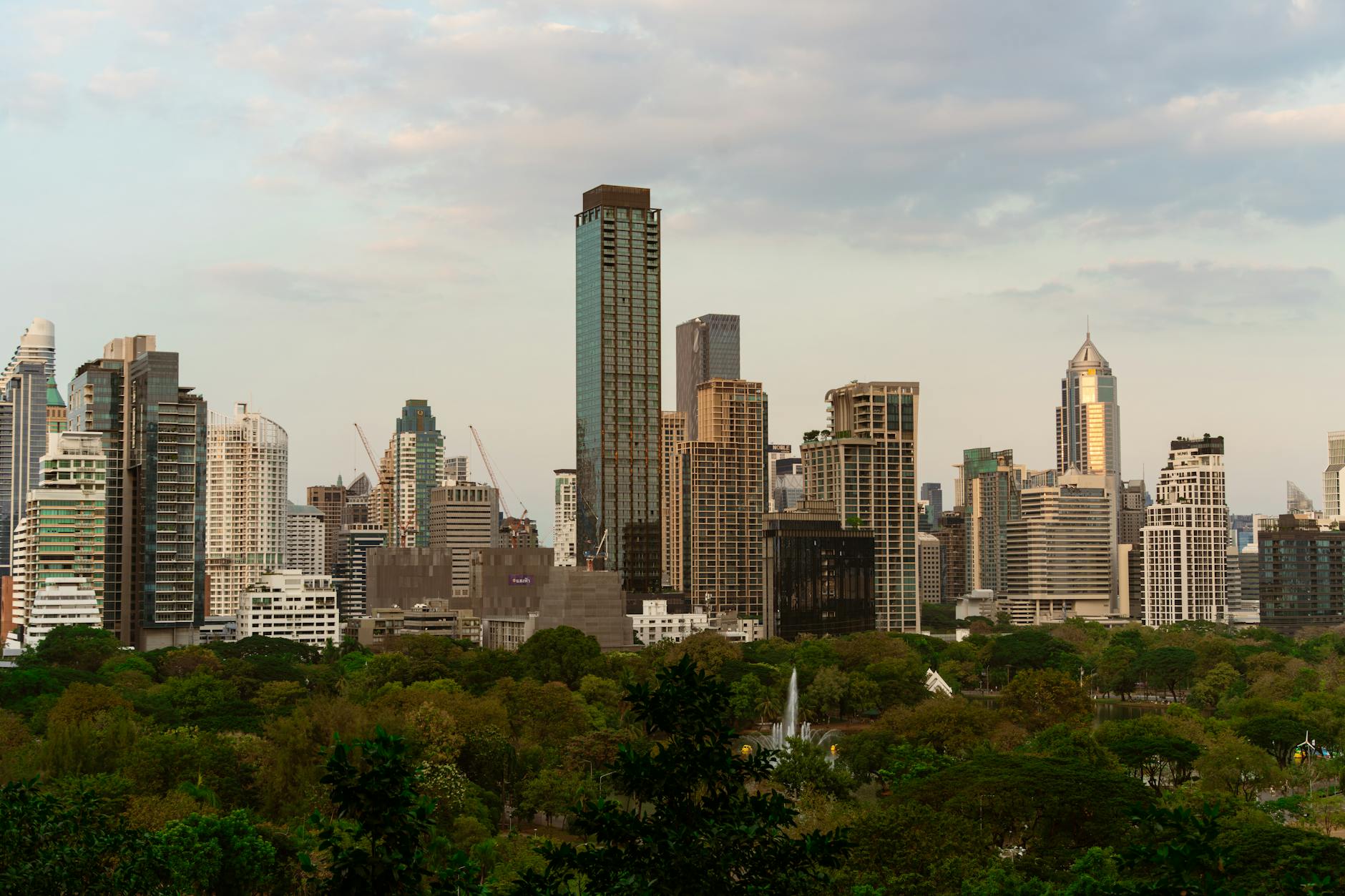
Photo by Khoi Pham on Pexels (https://www.pexels.com/photo/bangkok-cityscape-at-dusk-with-modern-skyscrapers-36483736/)
The first time I landed at Suvarnabhumi I made the mistake almost every first-timer makes — I tried to plan Bangkok like it was a European capital. Map out the temples, schedule the food, line up the rooftop bar at 7. By day two the city had thrown all of that out the window and I was eating pad krapow gai (spicy basil chicken with a fried egg) on a plastic stool at midnight, two BTS stops away from where I meant to be, perfectly happy.
That's Bangkok. The trip that works is the one where you have a loose anchor for each day and let the rest happen.
Why I keep coming back
It's the layering. You can spend a morning at Wat Pho watching monks chant in a 200-year-old hall, eat boat noodles for lunch under a freeway, and end the night looking down on the river from a sky bar fifty floors up. No other city I've been to compresses that range into a single afternoon. The food alone justifies the flight — I've planned entire trips around a single bowl of khao soi.
There's also the practical side. Bangkok is cheap by global capital standards, the public transit is genuinely good, and most of the city speaks enough English to keep you out of trouble. It's a forgiving introduction to Asia.
Best time to visit
The cool dry season — roughly mid-November through February — is the obvious answer and the right one for a first trip. Daytime temperatures sit in the high 80s, the air is breathable, and you can actually walk between temples without being miserable. March through May is hot. Stupidly hot. April pushes 100°F with humidity that ruins outdoor plans by 11 AM. The rainy season (June–October) is underrated — afternoon downpours are dramatic but short, hotel rates drop, and the city smells alive.
I've been twice in January and twice in late October. October had better light for photos. January had better afternoons for walking.
Getting around
The BTS Skytrain and MRT subway will cover 80% of what a tourist needs. Both are clean, air-conditioned, and run on rechargeable cards. Grab (the Southeast Asian Uber) handles everything else, and tuk-tuks are mostly a tourist novelty now — fun for one ride, not a real transport plan. The Chao Phraya river boats are also legitimate transport, not just sightseeing — the orange-flag local boat is dirt cheap and connects most of the riverside temples.
I wrote a full breakdown in Getting Around Bangkok: BTS, MRT, Grab, and When to Take a Tuk-Tuk — read that before your first day.
Where to stay (one paragraph per area)
Sukhumvit is the default choice and it deserves to be. It runs along the BTS line, it's loaded with restaurants and rooftop bars, and you can walk to almost everything that matters at night. Stay between Asok (BTS Asok / MRT Sukhumvit interchange) and Thong Lo for the best balance of access and quiet. This is where I stay 90% of the time.
Riverside is the move if you want hotels with views, easier access to the Grand Palace and Wat Arun, and a slower pace. The Mandarin Oriental, Peninsula, and Shangri-La all sit on this stretch. The downside is you'll Grab or river-boat almost everywhere — the BTS only clips the edge of the area.
Khao San / Old City is where backpackers stay. Cheap, loud, lively, and chaotic. I'd recommend it for a couple of nights to soak it in but not as a base if you're past your early 20s or traveling with anyone who needs sleep before midnight.
Silom / Sathorn is the business district that turns into a nightlife district after dark. Good for a first-timer who wants efficient access to both Lumpini Park and the river without committing to either side.
For the full breakdown see Where to Stay in Bangkok: Sukhumvit vs Riverside vs Khao San (Honest Comparison).
What to eat
Pad krapow gai with a fried egg on rice. Boat noodles. Khao mun gai (poached chicken over rice with the punchy ginger-chili sauce). Pad see ew. Som tum (green papaya salad — order it Thai-spicy at your own risk). Mango sticky rice. Pad thai from a street cart, not a restaurant. Tom yum goong with a real broth. A bowl of tom kha gai that actually tastes of galangal.
Eat the street food. The sidewalks are where the best cooking in this city happens. Jay Fai gets all the press for her crab omelet — it's deserved and you should try once if you're willing to queue, but the family-run cart down a soi in Banglamphu will often deliver a better meal for a tenth of the price. I documented my favorites in Bangkok Street Food: 14 Dishes I Won't Leave Without Eating.
A reasonable first trip
Three nights is the absolute minimum. Five is better. Seven lets you add a day trip to Ayutthaya or Kanchanaburi without rushing the city itself. My tested schedule is in Bangkok in 3 Days: My Tested Itinerary For First-Timers — copy it, ignore it, modify it. It's a starting point, not a script.
Recent stories from Bangkok
Below you'll find every article I've written about the city — temples, food, neighborhoods, day trips, photo spots, and the rest. Pull whichever ones match your trip and ignore the others. Bangkok rewards depth in one direction more than it rewards trying to do everything.
Recent stories from Bangkok
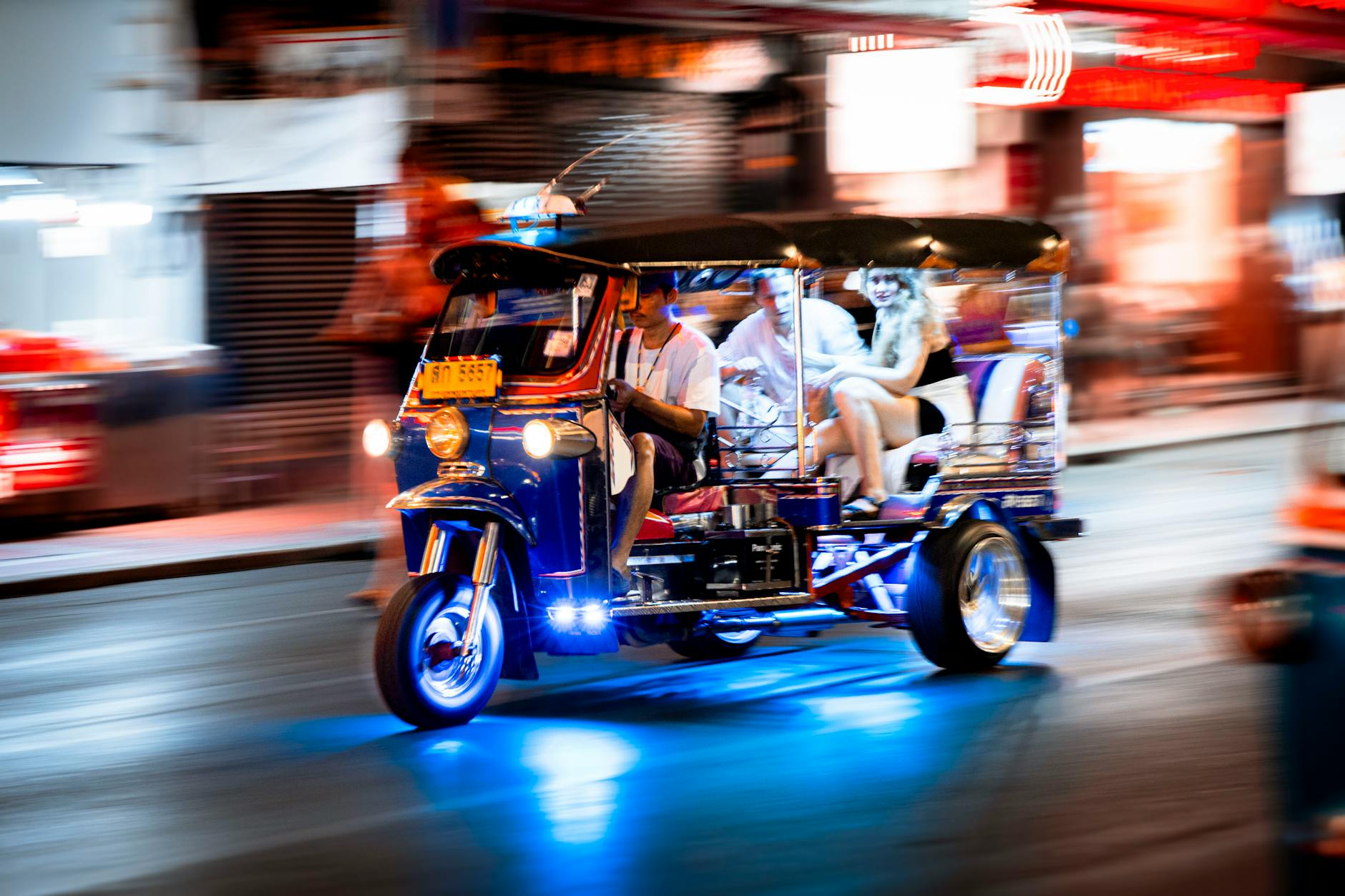
Getting Around Bangkok: BTS, MRT, Grab, and When to Take a Tuk-Tuk
An honest guide to Bangkok transport — when to take the BTS, when Grab is faster, when to use the river boats, and the truth about tuk-tuks.
Read more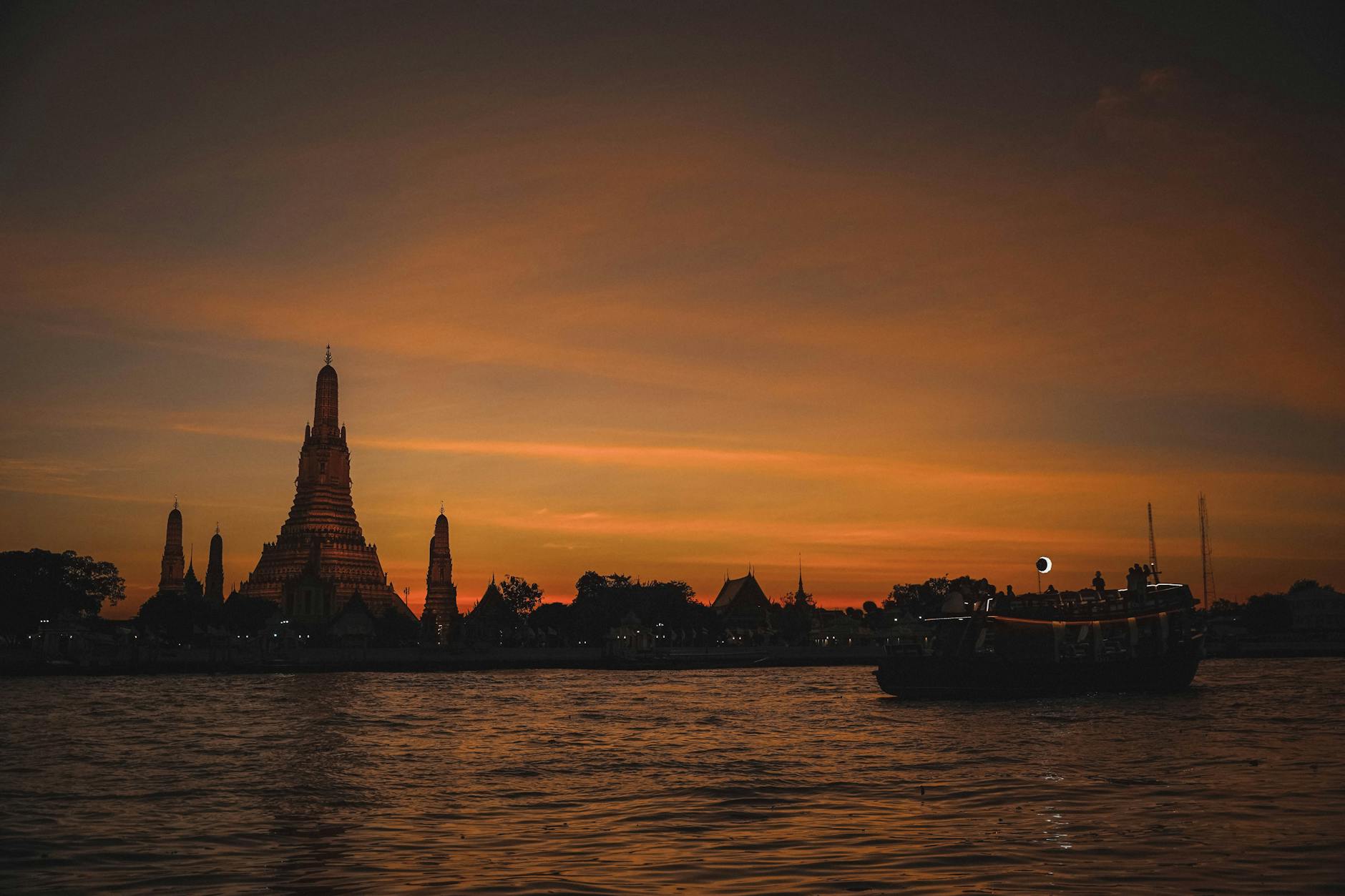
9 Best Photo Spots in Bangkok (And When the Light Is Right)
Nine Bangkok photo spots ranked by a photographer who's worked the city across five trips — when the light hits, where to stand, and what lens to bring.
Read more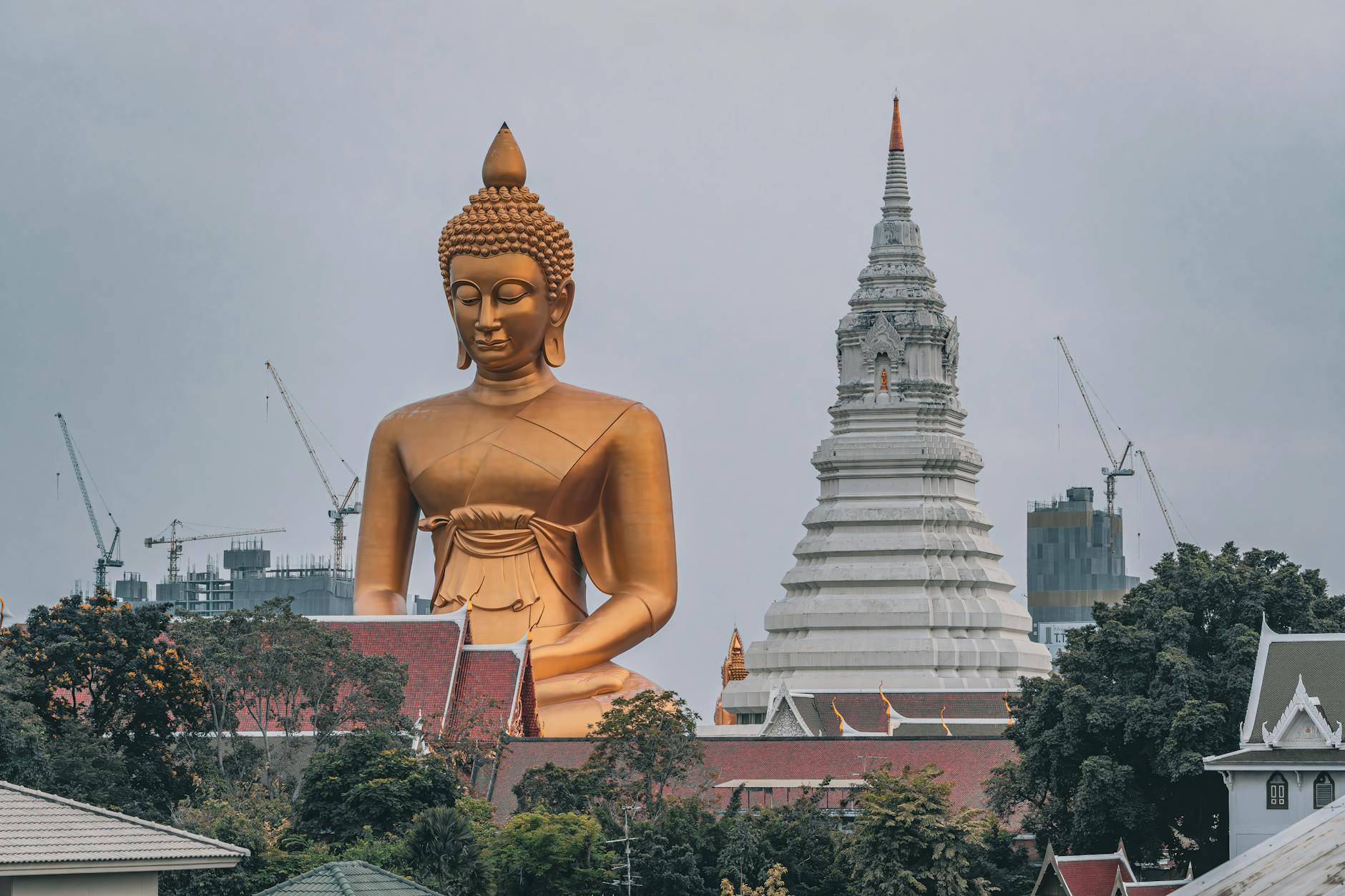
Bangkok in 3 Days: My Tested Itinerary For First-Timers
A 3-day Bangkok itinerary I've refined across five trips — temples on day one, food and neighborhoods on day two, river and a sunset on day three. No fluff.
Read more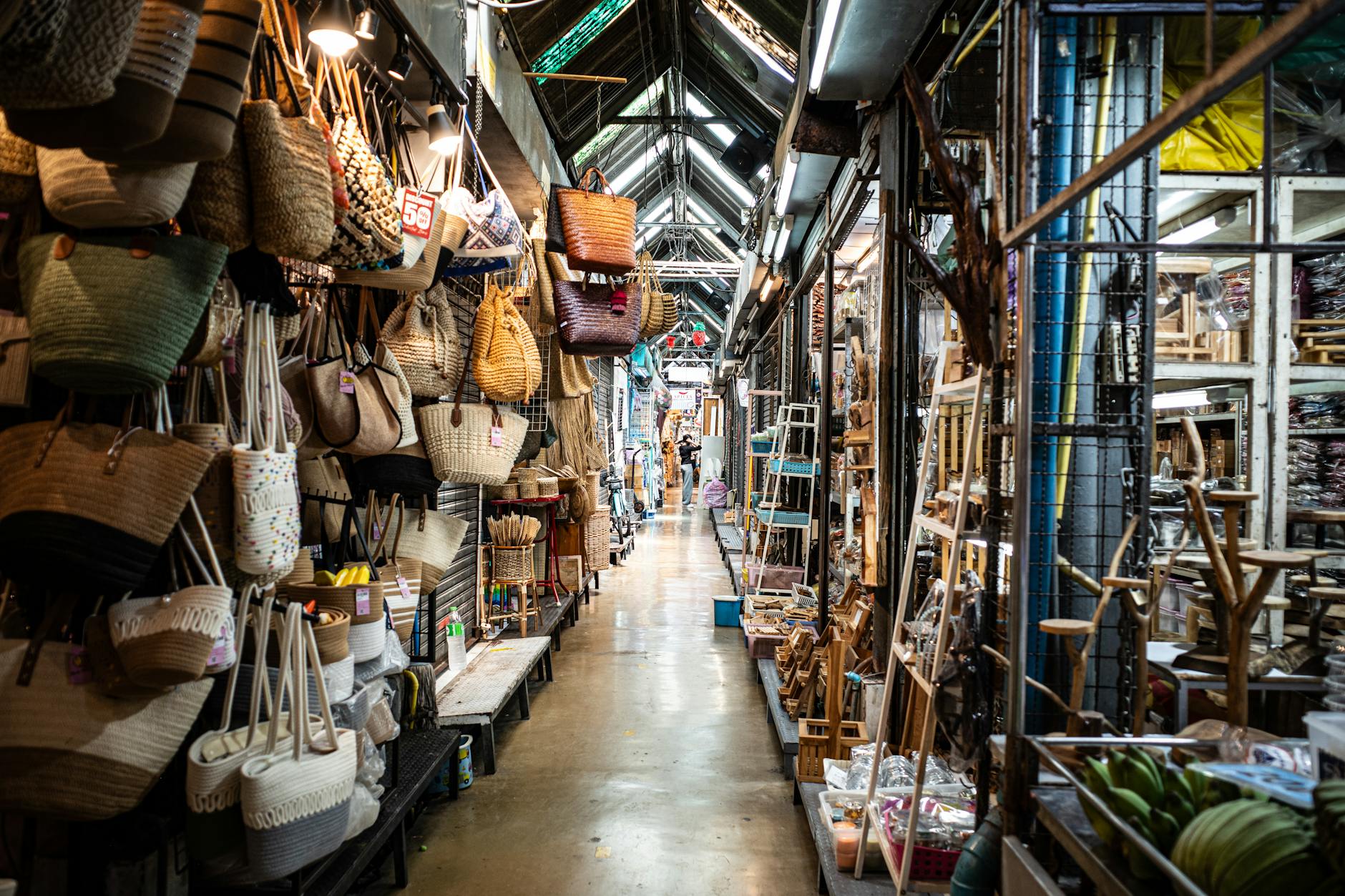
Bangkok Shopping: Markets vs Malls — Where to Spend Your Day
How Bangkok's markets and malls actually compare — Chatuchak versus EmQuartier, MBK versus ICONSIAM, and where to spend your shopping day depending on what you want.
Read more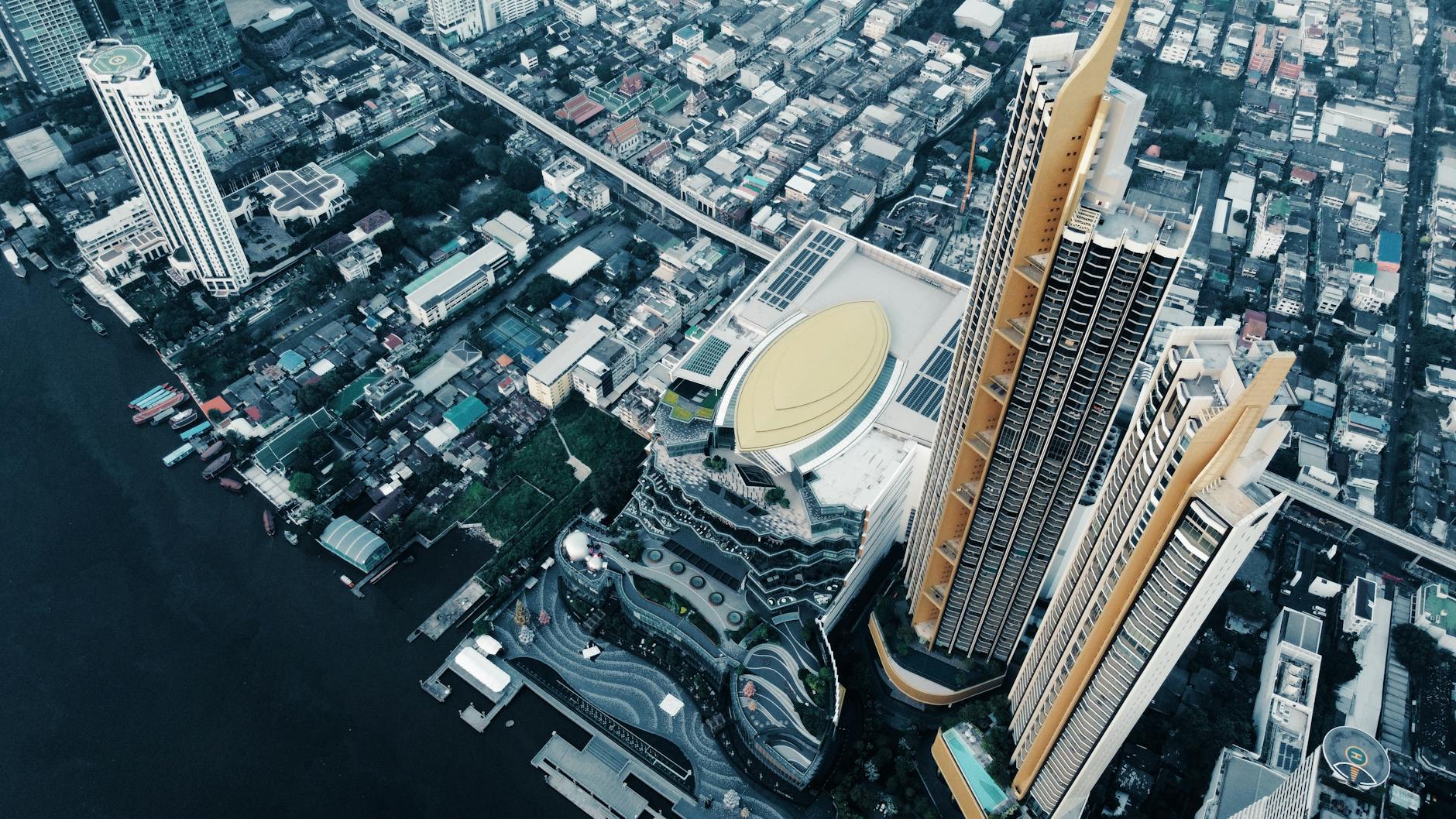
Bangkok Nightlife: Rooftop Bars, Hidden Speakeasies, and the Khao San Honest Take
An honest tour of Bangkok after dark — the rooftops worth the price, the speakeasies worth finding, and what Khao San is actually like once you're past 25.
Read more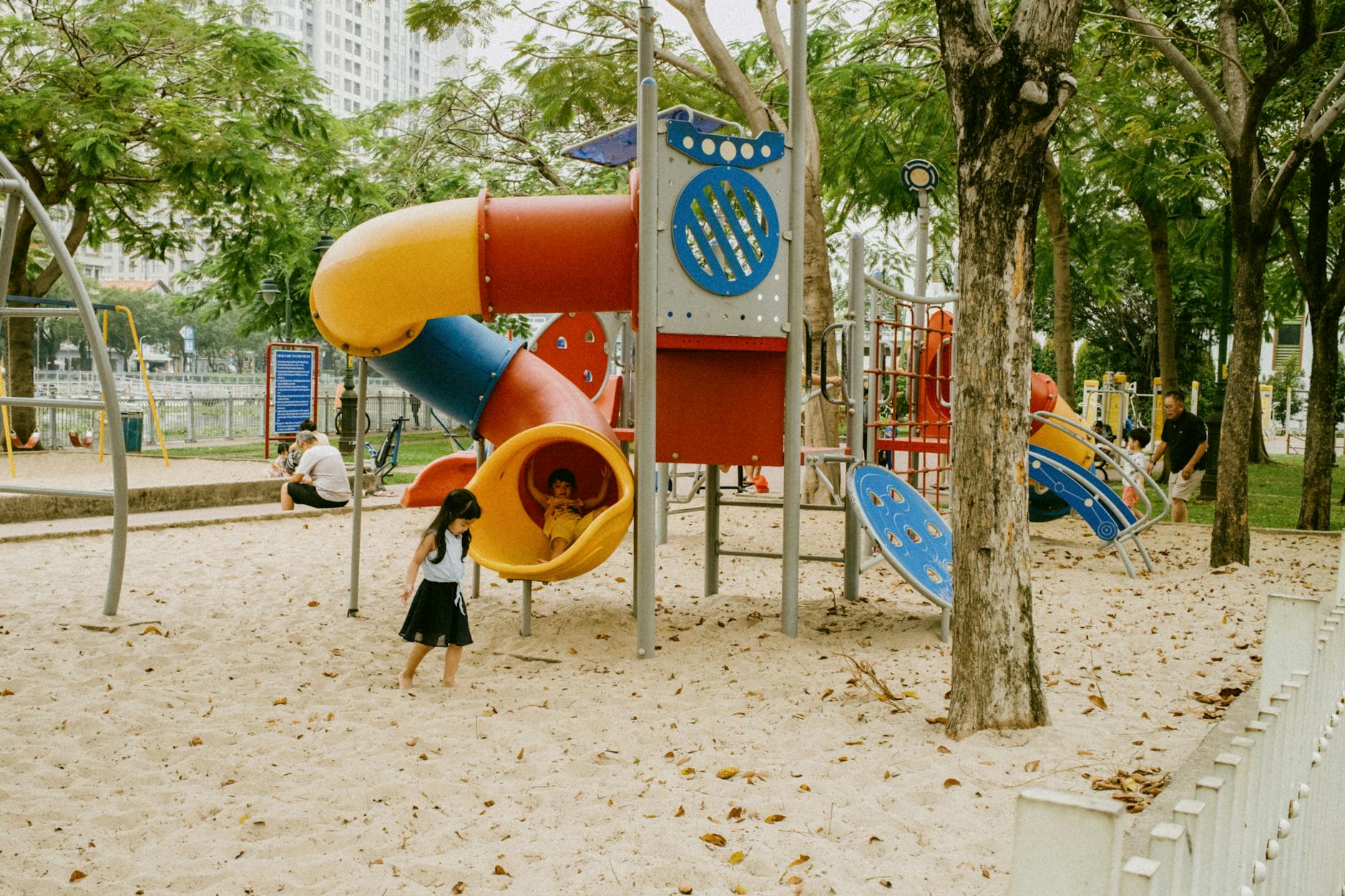
Bangkok With Kids: A Family Travel Guide That Actually Works
Bangkok with kids isn't the chaos people expect — here's the neighborhood, schedule, and food strategy that makes it work, from someone who's done it twice.
Read moreStay in the Loop
Get new photos, stories & exclusive deals straight to your inbox.