Big Island Adventure: Volcanoes, Lava & the Untamed Heart of Hawaii
Reviewed for accuracy on Mar 15, 2026
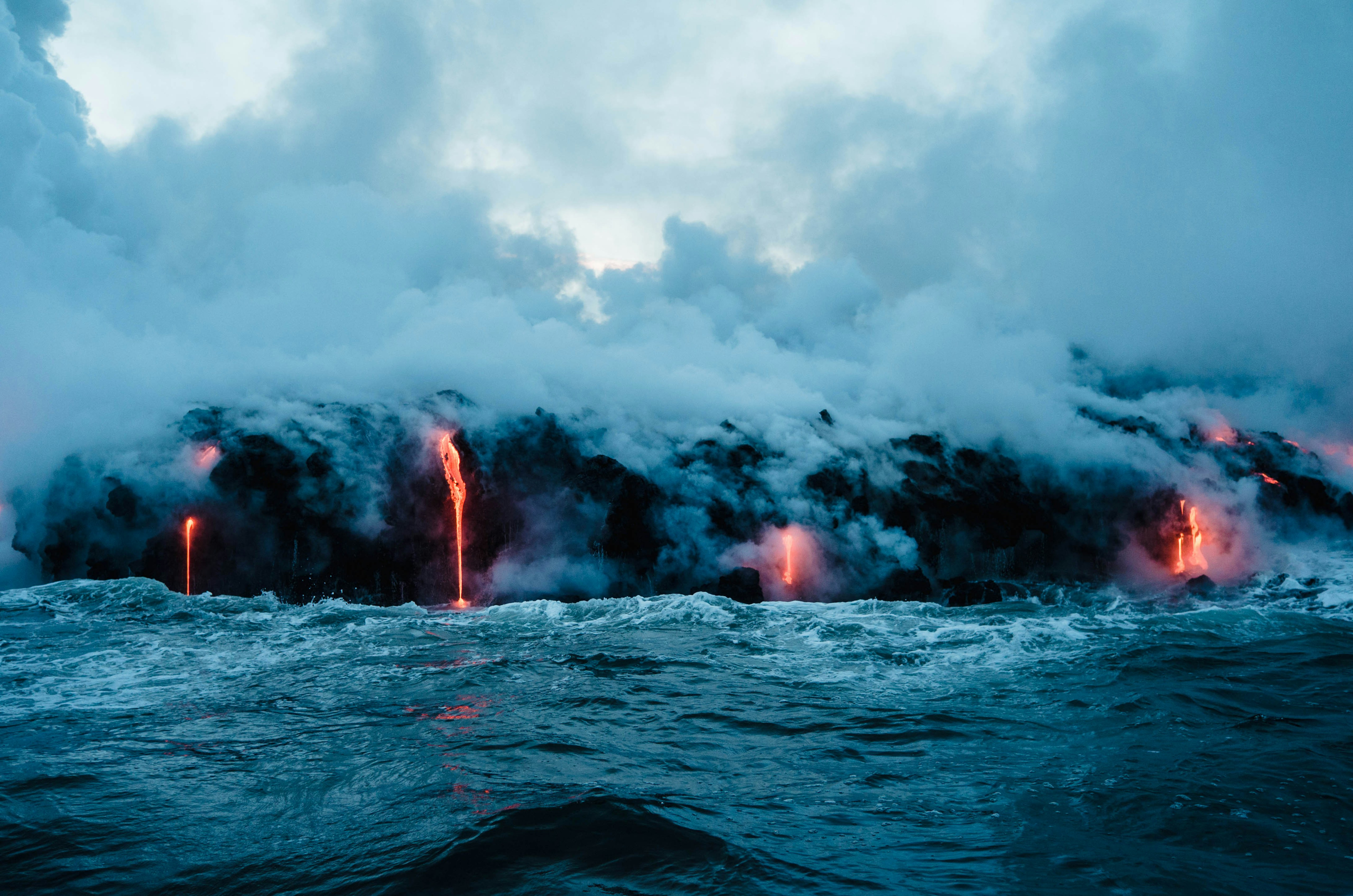
The Big Island of Hawaii is a place of extremes. It contains eleven of the world's thirteen climate zones, from tropical rainforest to subarctic tundra. Its volcanoes are among the most active on Earth. Its coastline ranges from jet-black lava rock to white coral sand to green olivine beaches found almost nowhere else on the planet. This is not the Hawaii of postcards and poolside mai tais -- this is Hawaii as a geological force, still being created in real time.
Hawaii Volcanoes National Park is the island's undisputed centerpiece. Kilauea, one of the world's most active volcanoes, has been erupting intermittently since 1983, and the park offers extraordinary access to volcanic landscapes at every stage of their lifecycle. Start at the Kilauea Visitor Center to get current eruption updates and trail conditions, then drive the eleven-mile Crater Rim Drive that circles the Kilauea caldera. Stop at the Jaggar Museum overlook -- especially at dusk, when the glow from the Halemaumau crater turns the sky an eerie orange.
The Thurston Lava Tube, a short walk through a fern-filled rainforest, takes you inside a tunnel carved by flowing lava centuries ago. The scale is impressive -- the tube is tall enough to walk through comfortably, and the walls are smooth where molten rock once rushed past. For a longer hike, the Kilauea Iki Trail descends four hundred feet into a crater that erupted spectacularly in 1959, crossing a lava lake that is still warm beneath your feet. The four-mile loop takes about two to three hours and is widely considered one of the best day hikes in all of Hawaii.
Chain of Craters Road descends from the summit region down to the coast, passing through miles of hardened lava flows from eruptions spanning decades. The road ends abruptly where a 2003 flow buried the pavement, and you can walk out onto the lava field to see the raw, otherworldly terrain up close. Steam vents along the road hint at the heat still lurking below the surface.
Outside the national park, the Big Island's volcanic character continues. The Kona Coast, on the island's dry western side, is built on lava flows from Hualalai volcano. The black lava rock absorbs heat during the day and releases it at night, creating a microclimate perfect for coffee cultivation. Kona coffee farms dot the slopes above Kailua-Kona, and many offer tours and tastings. Greenwell Farms and Hula Daddy are two of the best, where you can see the entire process from cherry to cup.
Mauna Kea, the dormant shield volcano that forms the island's northern half, rises nearly fourteen thousand feet above sea level -- and over thirty-three thousand feet from its base on the ocean floor, making it the tallest mountain on Earth by that measure. The summit is home to some of the world's most advanced astronomical observatories, thanks to the thin, dry air and minimal light pollution. The Mauna Kea Visitor Information Station at nine thousand feet is accessible to all vehicles and offers stargazing programs several nights per week. Continuing to the summit requires four-wheel drive, and the altitude demands caution -- ascend slowly and watch for symptoms of altitude sickness.
The Kohala Coast, in the island's northwest, offers a dramatic contrast to the lush Hilo side. Here, ancient lava flows meet turquoise water at some of the Big Island's best beaches. Hapuna Beach State Park consistently ranks among America's finest beaches, with wide white sand and excellent bodysurfing. Just south, Beach 69 (Waialea Bay) is a locals' favorite with great snorkeling and a more secluded feel.
For wildlife encounters, the black-sand beach at Punaluu is essential. Green sea turtles haul themselves onto the dark sand to bask in the sun, sometimes dozens at a time. Maintain the required fifteen-foot distance and you can watch these ancient creatures for as long as you like. The beach itself was created by wave action breaking down volcanic basalt, and the contrast of black sand against blue ocean is striking.
Adventure seekers should not miss the Waipio Valley, accessible via a steep road on the island's northeast coast. The valley floor, once home to Hawaiian royalty, is lush with taro patches, wild horses, and a black-sand beach where waves crash against towering sea cliffs. The road down is one of the steepest in America -- four-wheel drive is mandatory, and many visitors opt for guided tours or hike the mile-long trail instead.
The Hilo side of the island, drenched in rain, is lush and green in a way that the dry Kona coast is not. Rainbow Falls, a short drive from downtown Hilo, plunges eighty feet into a natural pool, and on sunny mornings rainbows form in the mist. Akaka Falls, farther north, drops over four hundred feet through a gorge choked with tropical vegetation. Both waterfalls are easily accessible via short paved paths.
Practical advice for the Big Island: rent a car, because the island is larger than all other Hawaiian islands combined and distances are significant. Plan at least four to five days to experience both sides of the island. Pack layers for Mauna Kea and Volcanoes National Park, where temperatures can drop below freezing. And check the National Park Service website for current eruption status before visiting -- volcanic conditions change rapidly.
The Big Island isn't just a vacation destination. It's a reminder that the Earth is alive, still building itself, still reshaping the land beneath our feet. Standing at the edge of an active caldera at nightfall, watching lava glow against the darkening sky, you'll understand why the ancient Hawaiians saw these volcanoes as sacred.
Bring the trip home
Every photo on York Adventures is shot on location and available as a fine-art print. Browse the gallery to find a frame for your wall.
Stay in the Loop
Get new photos, stories & exclusive deals straight to your inbox.
Related Posts
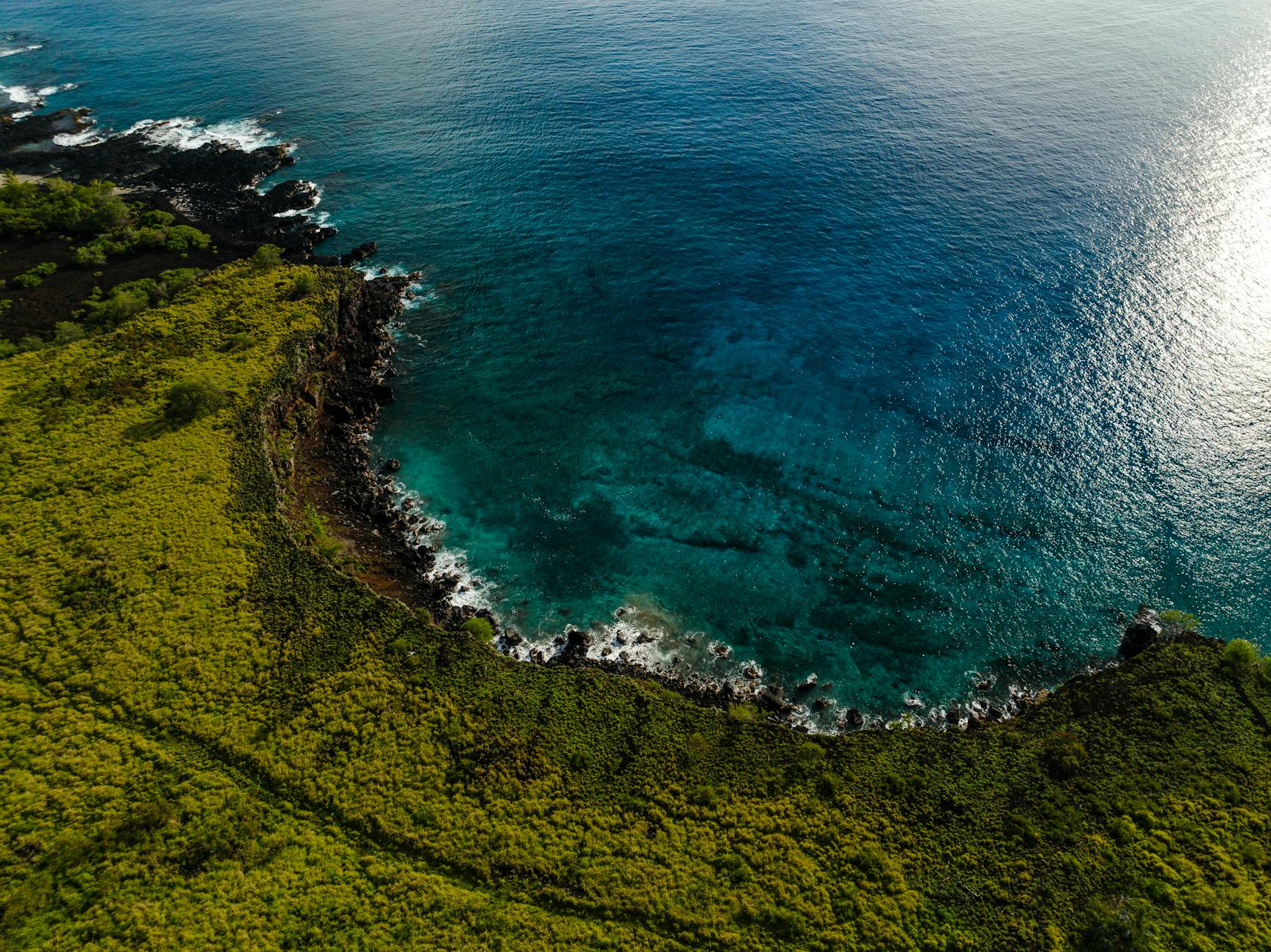
Nā Pali Coast Guide: Boat, Hike & Helicopter
Three ways to experience Kauai's Nā Pali Coast — by boat, on the Kalalau Trail, or from a doors-off helicopter — compared honestly, with permits, seasons, and photo notes for each.
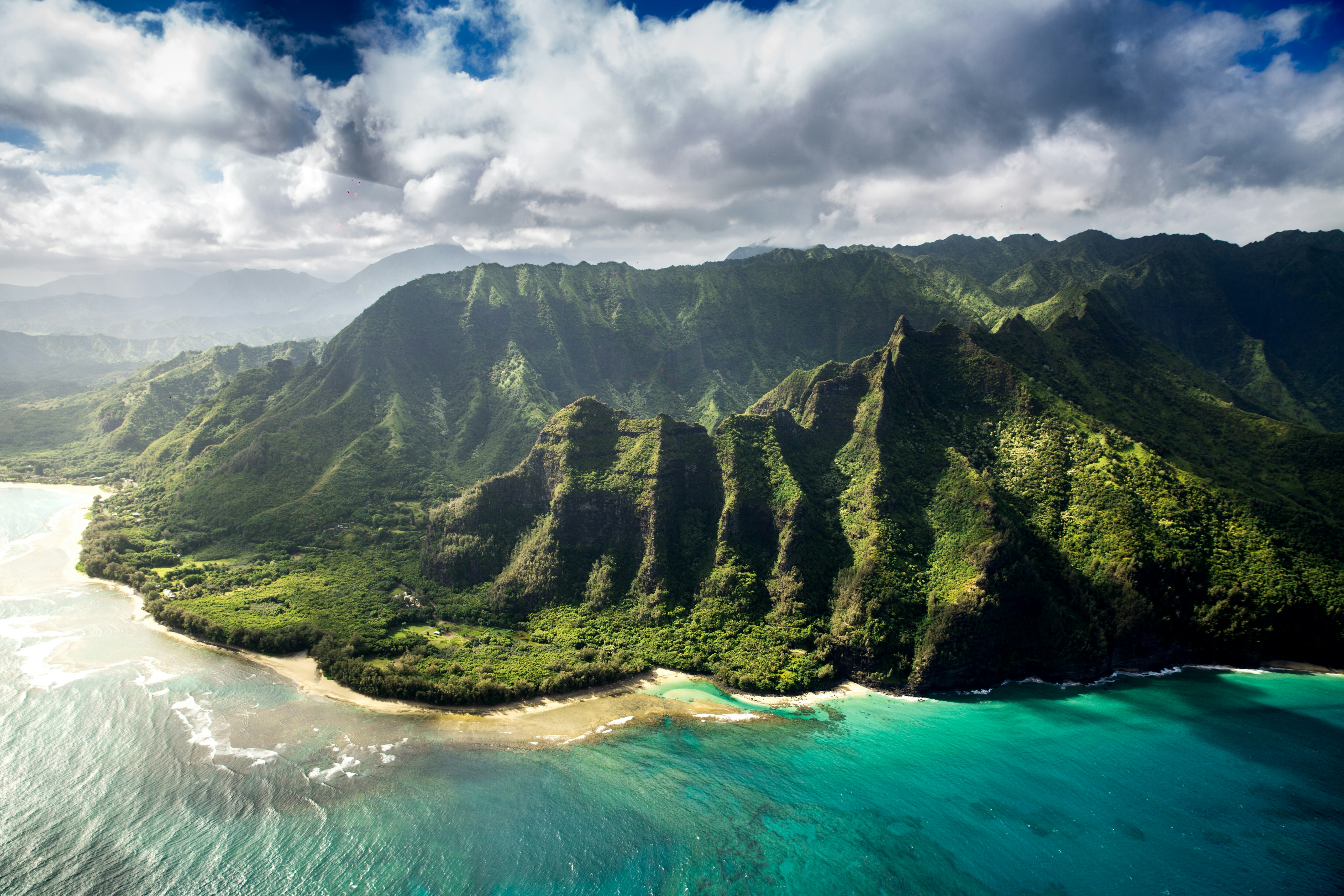
Kauai: The Garden Isle's Best Beaches, Hikes & Hidden Gems
Kauai is Hawaii at its most lush and untouched -- towering sea cliffs, emerald valleys, and beaches so remote you'll have them to yourself. Discover the best of the Garden Isle.
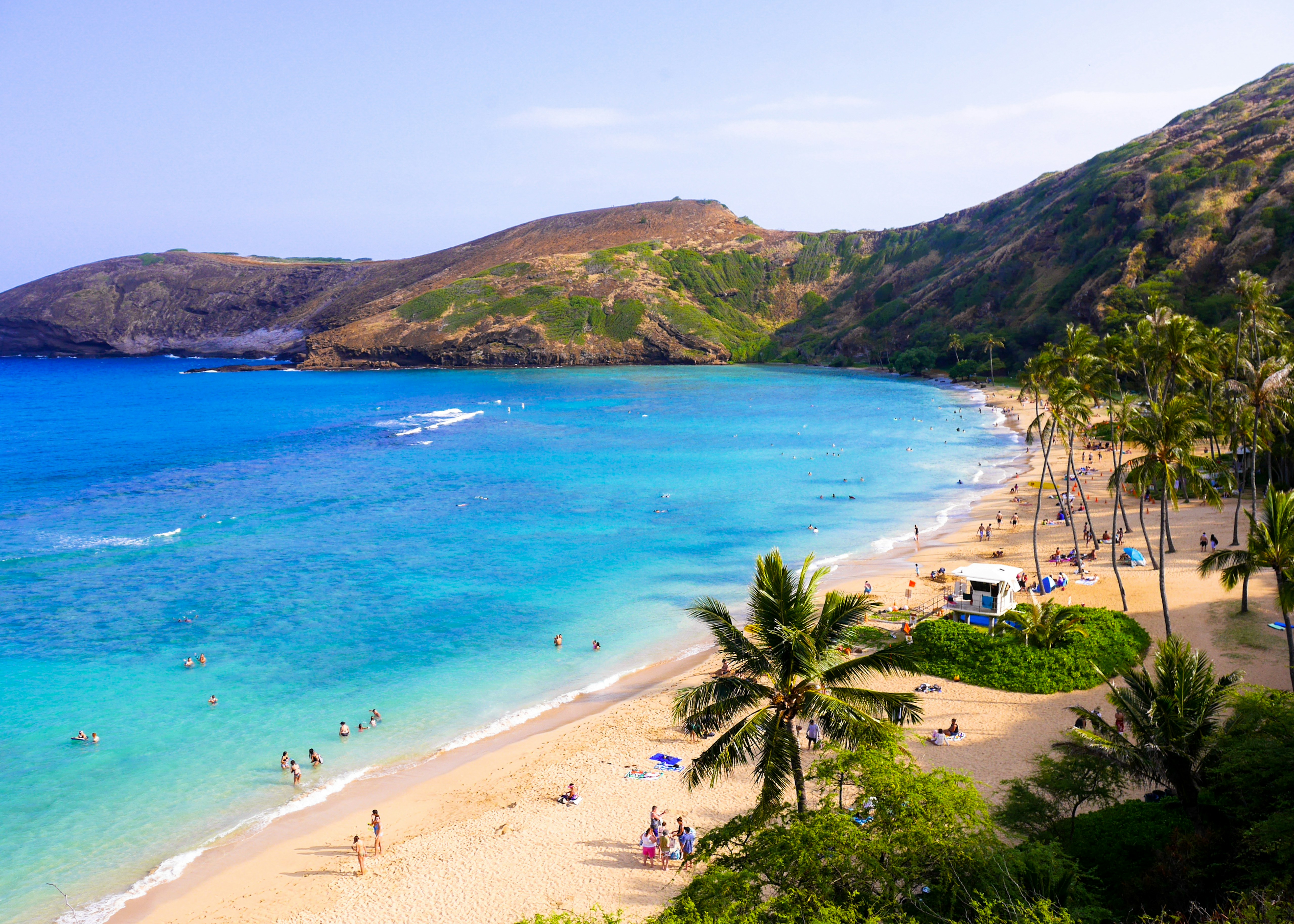
Molokai & Lanai: Discovering Hawaii's Quiet, Hidden Islands
Far from the resort crowds and tour buses, Molokai and Lanai offer a Hawaii that most visitors never see -- raw, quiet, and profoundly beautiful.