Molokai & Lanai: Discovering Hawaii's Quiet, Hidden Islands
Reviewed for accuracy on Mar 15, 2026
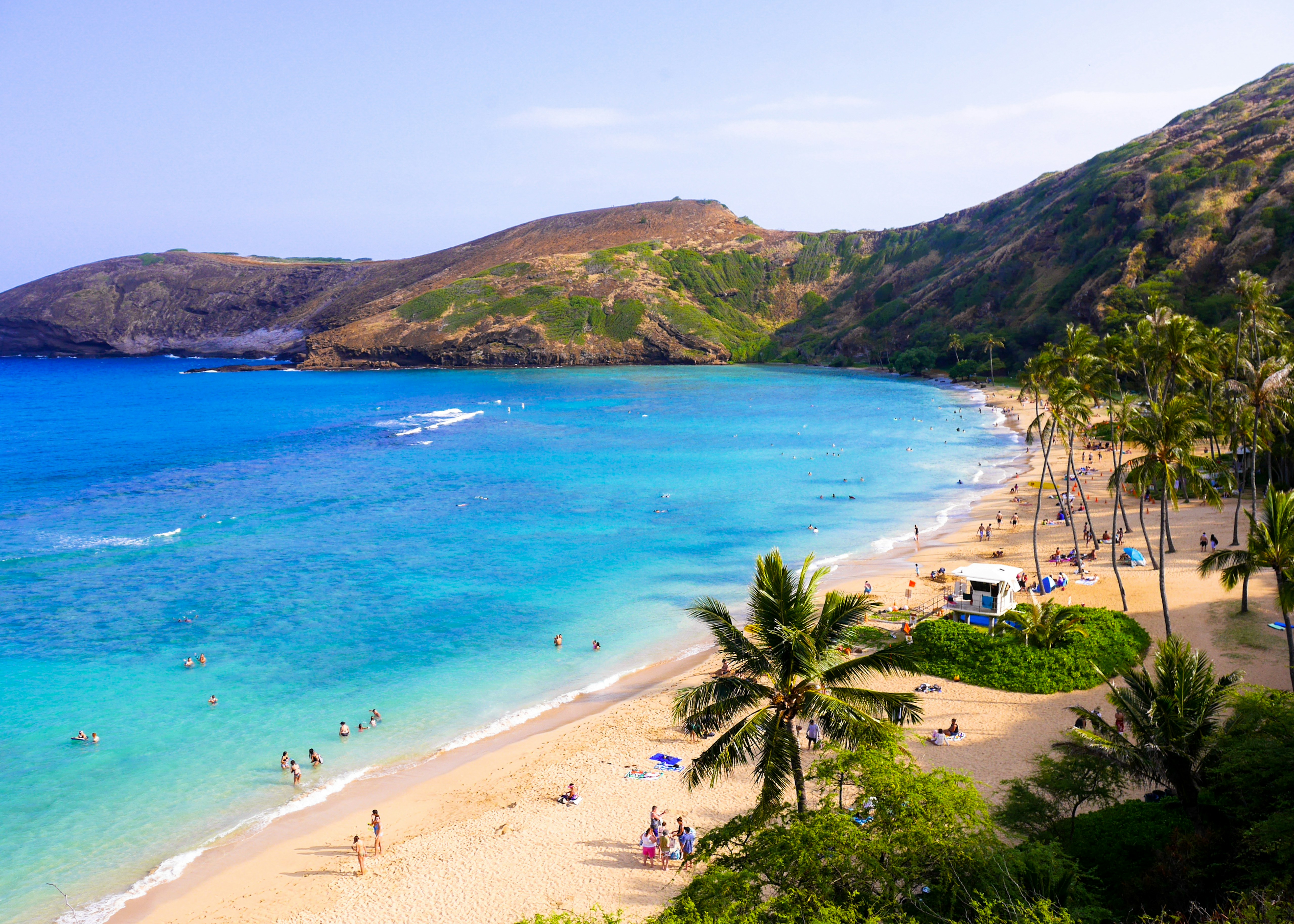
Hawaii has eight main islands, but most visitors only experience four of them. Oahu, Maui, Kauai, and the Big Island capture the vast majority of tourism, leaving Molokai and Lanai as the quiet outliers -- two islands with wildly different characters but a shared quality of feeling genuinely remote, even though they're visible from Maui's western shore. For travelers seeking a Hawaii beyond the usual, these islands are revelations.
Molokai is the most Hawaiian of the Hawaiian islands, and its residents are fiercely proud of that distinction. There are no traffic lights, no buildings taller than a coconut tree, no resort chains, and no nightlife to speak of. The island's population hovers around seven thousand, and the dominant industry is subsistence farming and ranching. Tourism is tolerated but not courted. This is Hawaii as it existed before the tourism boom, and Molokai's people intend to keep it that way.
The island's most famous feature is Kalaupapa National Historical Park, a remote peninsula on the north shore that served as a forced exile colony for Hansen's disease (leprosy) patients from 1866 to 1969. Reaching Kalaupapa requires either a steep three-mile mule ride down sea cliffs or a hike along twenty-six switchbacks that descend sixteen hundred feet. The peninsula itself is stunningly beautiful -- green fields backed by the highest sea cliffs in the world, rising over three thousand feet. Tours are led by residents who share the poignant history of the settlement. The experience is equal parts heartbreaking and inspiring, and it ranks among the most profound cultural encounters available anywhere in Hawaii.
Molokai's south shore holds the longest continuous fringing reef in the United States, stretching nearly thirty miles. The calm, shallow waters are ideal for kayaking, stand-up paddleboarding, and fishing. Locals often wade into the reef flats at low tide to gather limu (seaweed) and opihi (limpets), continuing practices that predate Western contact. Visitors can arrange kayak tours through Molokai Outdoors, which offers trips along the reef and to the island's remote east end.
Papohaku Beach on Molokai's west end is one of Hawaii's longest white-sand beaches at nearly three miles, and on most days you'll share it with nobody. The sand is so fine and plentiful that it was actually mined and shipped to Oahu to replenish Waikiki Beach in the 1960s. Swimming can be dangerous due to strong currents, but for walking, sunbathing, and sheer emptiness, there's nothing like it.
Molokai's Halawa Valley, at the island's eastern tip, is a lush, sacred place where some of Hawaii's earliest Polynesian settlers established a community around 650 AD. Guided hikes to Moaula Falls, a two-hundred-fifty-foot waterfall deep in the valley, are offered by local families who share cultural knowledge and stories along the way. These are not commercial tours -- they're personal invitations into a living culture, and they should be treated with the respect they deserve.
Getting to Molokai involves a short flight from Honolulu or Maui on Mokulele Airlines, which operates small Cessna Caravans with stunning views. There are no direct mainland flights. Accommodation is limited to the Hotel Molokai, a modest but charming oceanfront property, and a handful of vacation rentals and condominiums. Dining options are sparse -- Paddlers Restaurant and Bar, Kualapu'u Cookhouse, and Kanemitsu Bakery (famous for its hot bread served from a back alley at night) cover the essentials.
Lanai offers a completely different experience. Once the world's largest pineapple plantation, the island is now primarily owned by tech billionaire Larry Ellison, who has invested hundreds of millions of dollars in transforming it into an exclusive destination. The result is an island of contrasts -- ultra-luxury resort experiences alongside rugged, empty landscapes.
The Four Seasons Resort Lanai is the island's primary accommodation and one of the finest hotels in all of Hawaii. Perched above Hulopoe Bay, it offers spacious rooms, impeccable service, and a tranquility that larger islands simply cannot match. Rates start around eight hundred dollars per night and climb steeply, but the experience -- which includes access to the spectacular Manele Golf Course designed by Jack Nicklaus -- is extraordinary. For those seeking a more rustic option, the Hotel Lanai in Lanai City is a charming, affordable boutique property with just eleven rooms.
Hulopoe Bay, directly below the Four Seasons, is Lanai's best beach and a protected marine preserve. The snorkeling is exceptional, with spinner dolphins frequently entering the bay in the morning. Tide pools on the rocky edges of the bay teem with sea urchins, hermit crabs, and small fish. The bay is also one of the best places in Hawaii to see humpback whales during winter without getting on a boat -- they often pass close to shore.
Lanai's interior is a red-dirt landscape of former pineapple fields and Cook pine forests. The Munro Trail, a twelve-mile dirt road that follows the island's central ridgeline, offers views of up to five neighboring islands on clear days. A four-wheel-drive vehicle is essential -- the road is rough and often muddy. Shipwreck Beach on the north coast features a rusting World War II tanker grounded on the reef and ancient Hawaiian petroglyphs etched into the rock along the shore.
The Garden of the Gods (Keahiakawelo), in Lanai's northwest corner, is an otherworldly landscape of wind-sculpted red-rock formations and scattered boulders. At sunset, the rocks glow orange and red against a backdrop of ocean and sky. It feels more like Utah or Mars than Hawaii, and the silence is absolute.
Lanai City, the island's only town, is a charming grid of plantation-era houses centered around Dole Park. Richard's Market is the main grocery store, and Blue Ginger Cafe serves hearty local food at modest prices. The town's small scale -- about three thousand residents -- means you'll see familiar faces within a day or two.
Visiting both islands requires accepting that they operate on a different rhythm than the rest of Hawaii. Molokai asks you to slow down and listen. Lanai asks you to look closely at landscapes that reveal their beauty gradually. Neither island has much in the way of conventional tourism infrastructure, and that's precisely their appeal. If you've done the resort circuit and wonder whether there's more to Hawaii, the answer is waiting on these quiet shores.
Bring the trip home
Every photo on York Adventures is shot on location and available as a fine-art print. Browse the gallery to find a frame for your wall.
Stay in the Loop
Get new photos, stories & exclusive deals straight to your inbox.
Related Posts
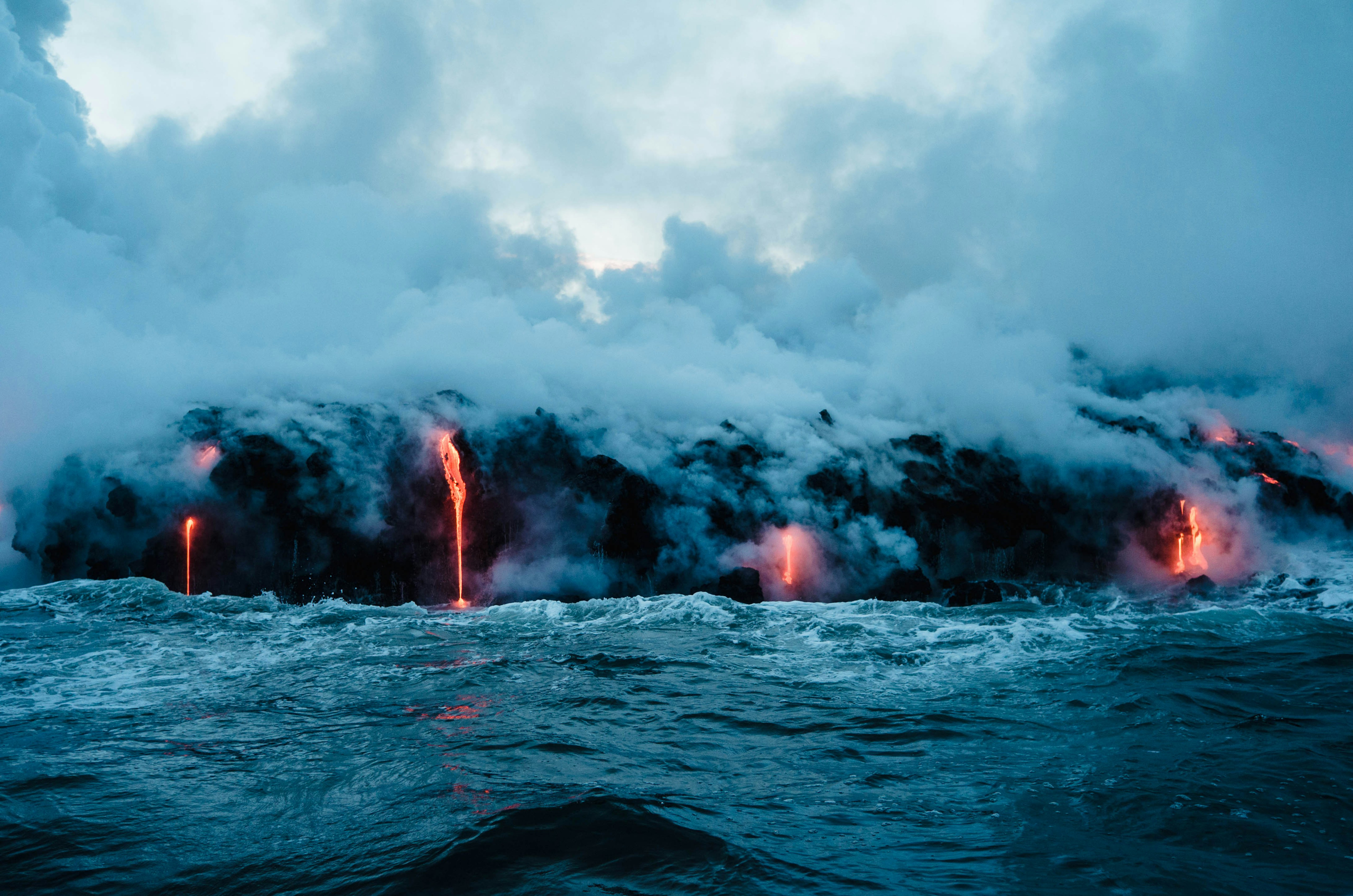
Big Island Adventure: Volcanoes, Lava & the Untamed Heart of Hawaii
Walk across hardened lava fields, peer into the glowing caldera of Kilauea, and explore black-sand beaches where sea turtles bask in the sun. The Big Island is Hawaii at its most raw and powerful.
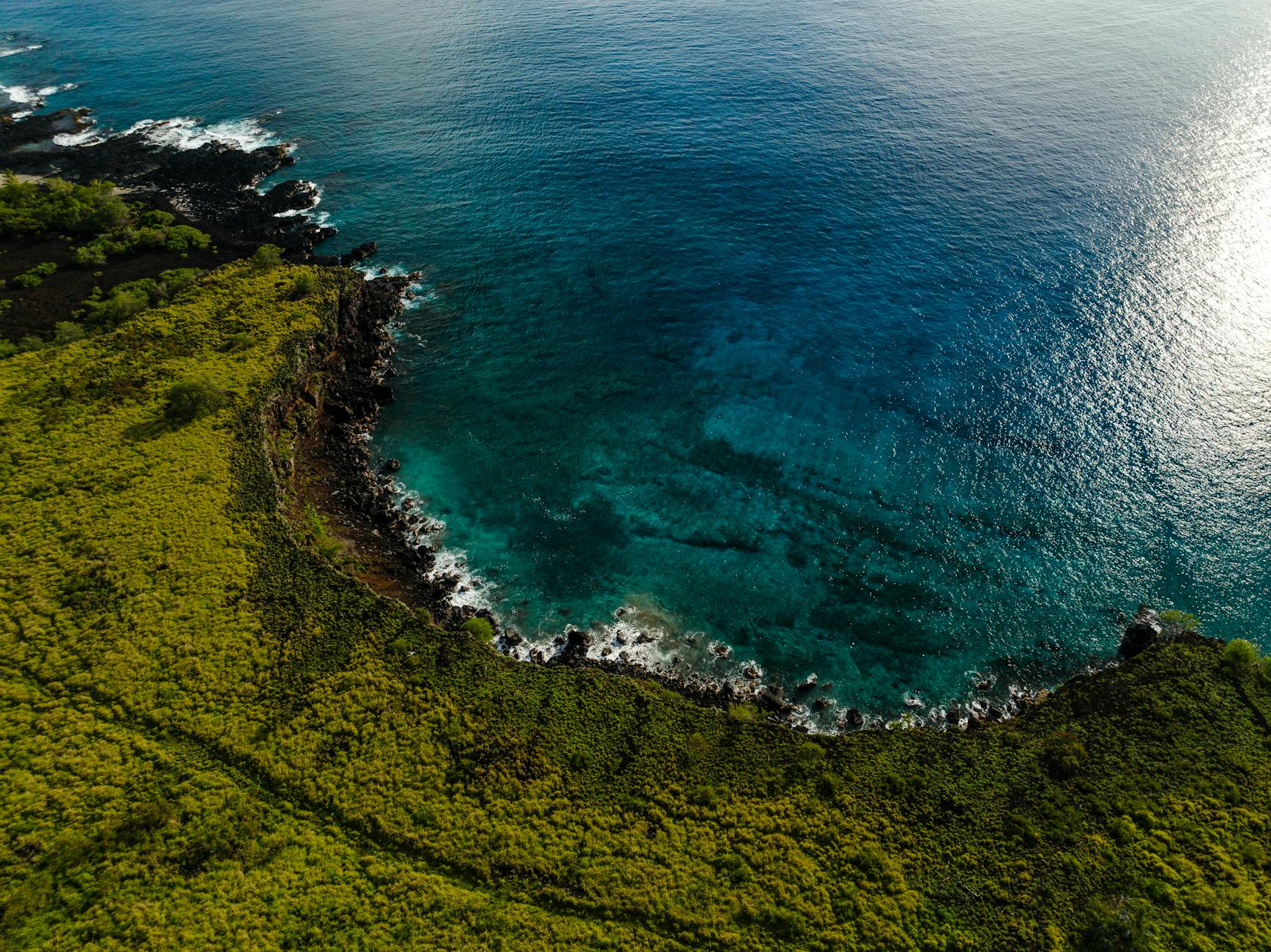
Nā Pali Coast Guide: Boat, Hike & Helicopter
Three ways to experience Kauai's Nā Pali Coast — by boat, on the Kalalau Trail, or from a doors-off helicopter — compared honestly, with permits, seasons, and photo notes for each.
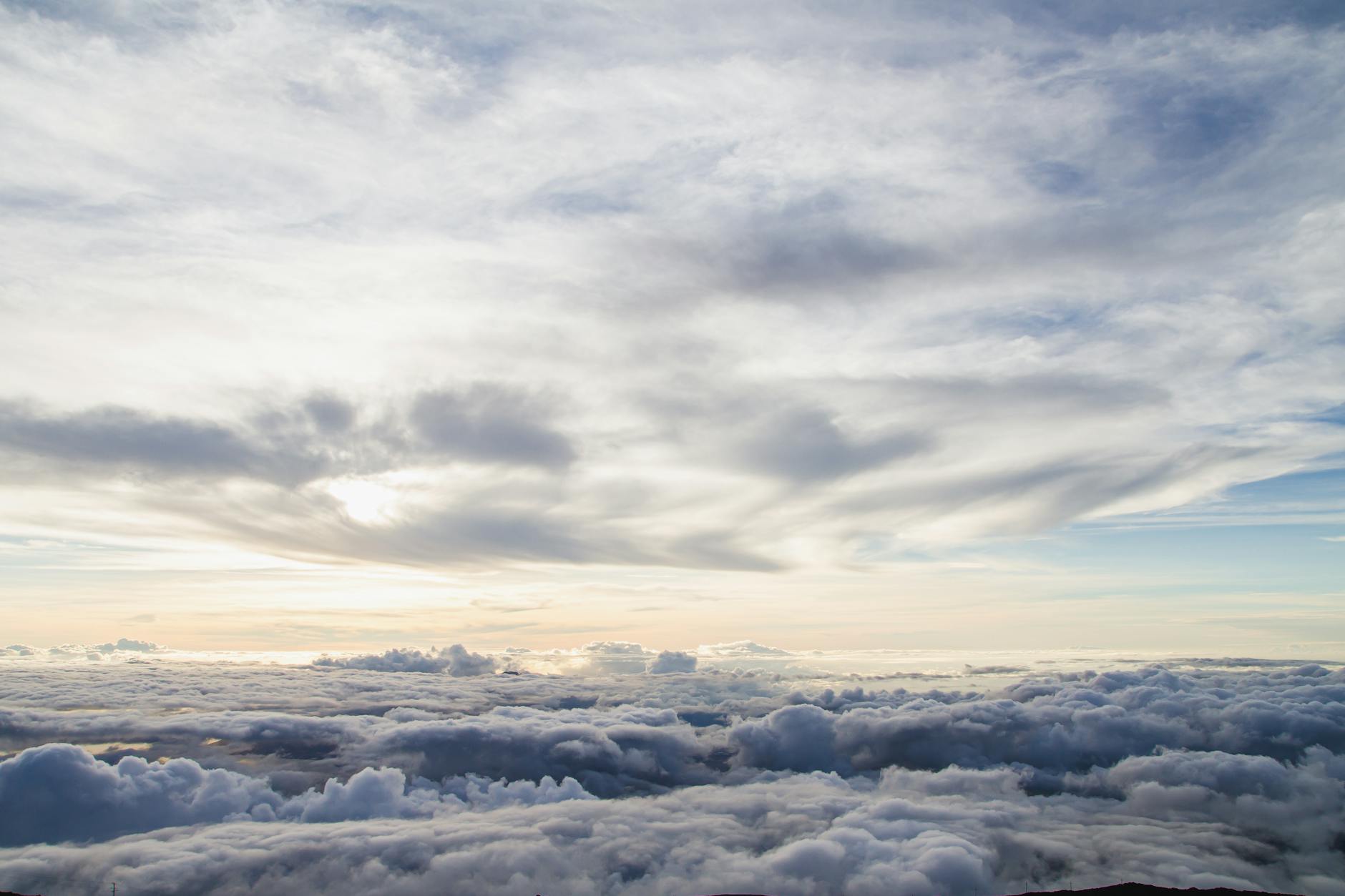
Haleakalā Sunrise Guide: Reservations, Timing & Photos
How to book the Haleakalā sunrise reservation, when to actually arrive, what to wear at 10,000 feet, and how to photograph the cloud sea before the crowd does.