Haleakalā Sunrise Guide: Reservations, Timing & Photos
Reviewed for accuracy on Jun 23, 2026
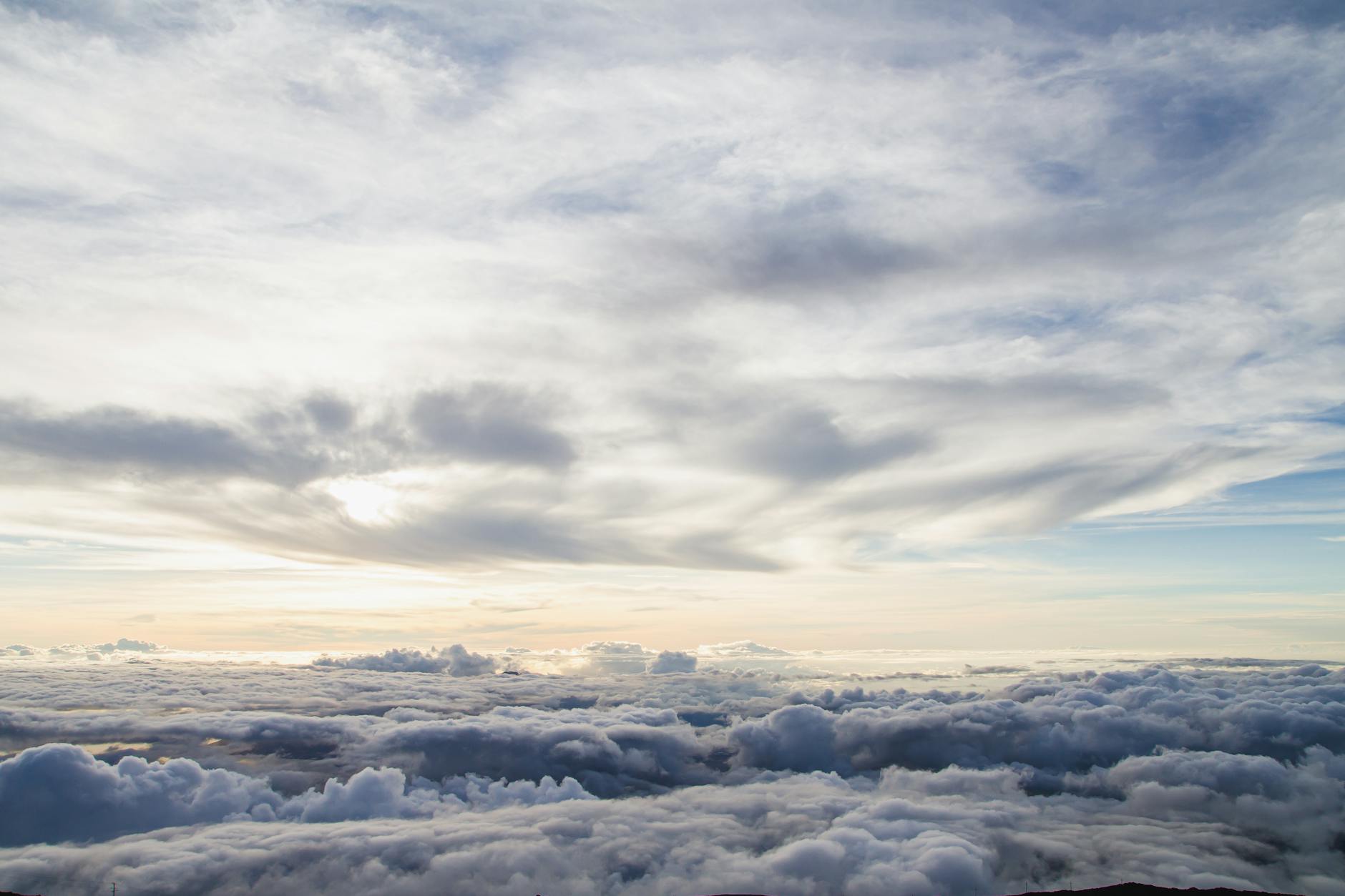
There's a reason every Maui guidebook tells you to drive to the summit of Haleakalā for sunrise, and a reason most people come away either thrilled or freezing and disappointed. The 10,000-foot summit delivers one of the great sunrise spectacles on earth — the sun breaking over a crater rim above a sea of clouds, with the Big Island floating to the southeast. But it's also a reservation-gated, pre-dawn, near-freezing alpine drive that punishes anyone who shows up unprepared.
I've shot this sunrise more than once, in summer and in the shoulder season, and the difference between a great morning and a miserable one comes down to four things: the reservation, the timing, the clothes, and knowing where to stand. Here's the full guide.
The reservation system, explained
This is the part that trips people up, so get it right first.
The National Park Service requires a paid sunrise reservation to enter the summit district between 3 AM and 7 AM. You book it through recreation.gov, and there are two release windows:
- 60 days in advance: The main batch drops at 7 AM Hawaii time, 60 days before your date. These sell out within minutes. Set an alarm and be logged in early.
- Two days prior: A small second batch releases at 7 AM Hawaii time, two days before each date. This is your backup if you missed the 60-day window.
As of 2026 the reservation itself runs roughly $1 per vehicle (verify the current rate), and it's separate from the park entrance fee — around $30 per vehicle, valid for three days. One reservation covers everyone in your car. If you genuinely can't get a slot, don't despair; see the alternatives at the end.
Tip: The reservation is for the 3 AM–7 AM window only. If you'd rather skip the lottery entirely, sunset at the summit needs no reservation, is nearly as dramatic, and rolls straight into some of the darkest skies in the state.
Timing: when to leave and when to arrive
The single most common mistake is treating the official sunrise time as your arrival target. By then the best color is already fading.
Work backward from sunrise:
- Be parked 60-75 minutes before sunrise. Lots fill fast, and the blue hour beforehand is often the better photo.
- Add your drive time. From Kahului it's about 1.5 hours of continuous climbing; from Kaanapali or Wailea closer to 2 hours.
- Add a buffer. The road is dark, slow, and shared with cyclists and the occasional nene goose.
That math means leaving your hotel around 3:00-3:30 AM for most stays. It's brutal. It's also the price of admission.
| Departure point | Drive time | Leave hotel by |
|---|---|---|
| Kahului / central | ~1.5 hrs | 3:30 AM |
| Wailea / south | ~2 hrs | 3:00 AM |
| Kaanapali / west | ~2 hrs | 3:00 AM |
Sunrise times shift through the year, so check the exact time for your date and adjust. Winter sunrises are later and a touch more forgiving on the alarm clock.
Dress for the summit, not the beach
This deserves its own section because the temperature shock catches almost everyone. The summit routinely sits in the 30s and 40s Fahrenheit, and wind chill can drop it below freezing — in July. You will be standing still in the dark and wind for over an hour.
Bring more than you think you need:
- A genuinely warm insulated jacket
- A hat and gloves
- Long pants and closed shoes (skip the flip-flops)
- A blanket if you have one in the car
I've watched dozens of people in shorts shiver through the best 20 minutes of light and then pack up before the post-sunrise alpenglow hits the cinder cones — which is often the better shot. Don't be that person.
Where to stand
There are three main vantage points, and they shoot differently:
- Pu'u'ula'ula (Summit) Overlook: The highest point and the classic spot, with the glass-walled shelter for warming up. Crowded but iconic, with the widest crater panorama.
- Kalahaku Overlook: A bit lower, often less mobbed, with a strong angle on the cinder cones and the cloud layer below. My quiet pick when the summit lot is a scrum.
- Leleiwi Overlook: Lower still, good for catching the cloud sea spilling over the crater rim.
Get into position early enough to pick your foreground in the dark. The crater is enormous; a composition with a cinder cone or the crater rim anchoring it reads far better than a flat horizon.
Photographing the cloud sea
For photographers, Haleakalā is a two-act show, and the second act is the one most people miss.
- Blue hour (before sunrise): Clean, graduated color over the cloud sea, plus the last of the stars. A wide zoom for the panorama and a fast aperture for any astro. This is the dark-sky window — the summit is one of Hawaii's best stargazing sites.
- The moment of sunrise: High contrast. A graduated ND helps tame the brightening horizon against the dark crater.
- After sunrise (the secret act): Warm alpenglow rakes across the cinder cones inside the crater. Switch to a short telephoto — 70-200mm — to compress the cloud layers and isolate the cones. This is frequently the strongest frame of the morning.
Bring a real tripod with a head you can level fast in the cold and dark, and keep a microfiber cloth handy for condensation. For more on chasing first light across the islands, my best Hawaii sunrise spots guide covers the alternatives, and the best Maui photography spots guide places Haleakalā in the context of the whole island.
What to bring beyond the camera
A few non-photographic items that have saved my mornings up there:
- A thermos of hot coffee or tea. Standing still in the cold for over an hour is far more bearable with something warm in hand.
- A headlamp. You'll be setting up in full dark; fumbling with a phone flashlight while wearing gloves is miserable.
- Snacks. There's no food at the summit, and you'll have been up since 3 AM by the time the light comes.
- Cash or card for the entrance fee if you don't already have a park pass loaded.
- A small towel. Condensation forms on everything — your lens, your jacket, the car windows on the way down.
A few practical cautions
- Altitude is real. You're going from sea level to 10,000 feet in two hours. Move slowly at the top, hydrate, and don't summit Haleakalā the same morning you plan to dive or snorkel.
- Drones are banned. It's a national park — leave the drone in the bag. I cover where you can and can't fly in the Hawaii drone laws guide.
- Watch for nene. The endangered Hawaiian goose wanders the road and parking areas. Slow down.
- Clouds are a gamble. Some mornings the summit is socked in. There's no refund for weather, and no way to know in advance. It's part of the deal.
If you can't get a reservation
Missing the sunrise slot isn't the end of the trip. Three solid alternatives:
- Sunset at the summit. No reservation needed, nearly as spectacular, and it flows into incredible stargazing. My top suggestion for anyone who dreads a 3 AM alarm.
- Daytime visit. The crater and overlooks are stunning in regular light, and you can hike the Sliding Sands Trail into the moonscape.
- The two-days-prior batch. Keep refreshing recreation.gov 48 hours out — slots reopen and people do cancel.
Where it fits
Haleakalā sunrise is its own day; don't try to bolt it onto the Road to Hana — see my Road to Hana stops guide for why that combination never works. For the bigger picture on sequencing islands and how many days Maui deserves, the 7-day multi-island itinerary lays it out, and the Hawaii destination hub collects the rest of my island writing. If you'd rather hang a finished frame of the cloud sea than set a 3 AM alarm, a few of these summit images live in the print gallery.
Get the reservation, leave in the dark, overdress, and stay for the alpenglow after everyone else has left. That last frame, in the warm light with an empty overlook, is the one worth the alarm clock.
Bring the trip home
Every photo on York Adventures is shot on location and available as a fine-art print. Browse the gallery to find a frame for your wall.
Stay in the Loop
Get new photos, stories & exclusive deals straight to your inbox.
Related Posts
Best Maui Photography Spots: A Location Guide
After five trips to Maui with a camera bag, these are the locations that consistently deliver — plus the timing, parking, and lens notes that make or break each one.
Nā Pali Coast Guide: Boat, Hike & Helicopter
Three ways to experience Kauai's Nā Pali Coast — by boat, on the Kalalau Trail, or from a doors-off helicopter — compared honestly, with permits, seasons, and photo notes for each.
Hawaii Waterfall Photography: Where to Shoot and How
Hawaii's waterfalls are deceptively hard to photograph well — spray, contrast, and crowds all conspire. Here's where to find the best falls and the exact settings I use to shoot them.