Best Maui Photography Spots: A Location Guide
Reviewed for accuracy on Jun 10, 2026
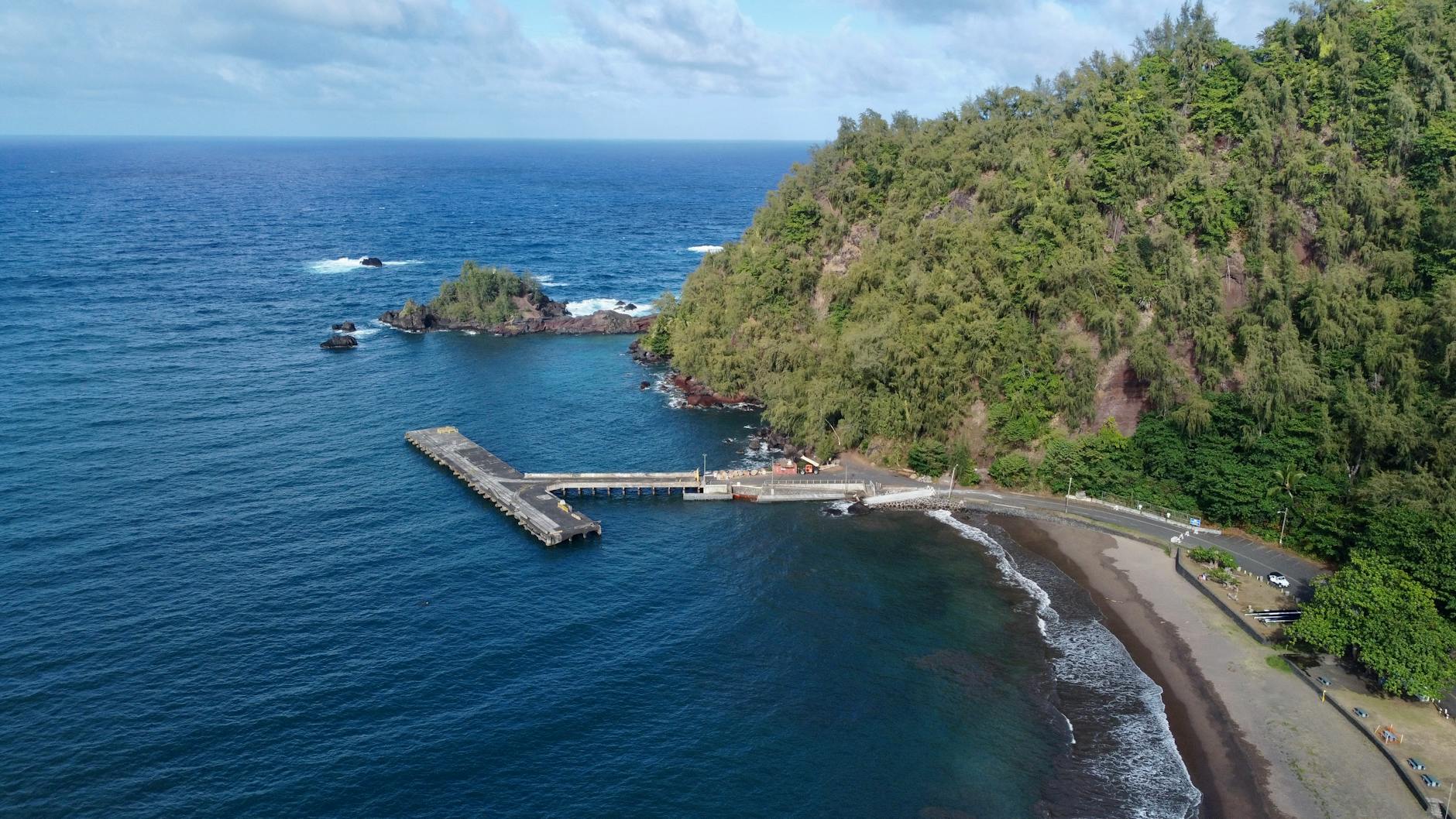
I've photographed Maui across five trips now, in winter swell and summer haze, and the island has quietly become the one I recommend most often to other photographers. It's compact enough to shoot a 10,000-foot alpine sunrise and a sea-level black sand beach in the same day, and varied enough that you never run out of subjects. But Maui also punishes people who show up with a screenshot and no plan. The good light is short, the famous spots are crowded, and half of them require reservations you can't get on arrival.
Here's the location guide I wish someone had handed me on trip one — organized by region, with the practical details that actually matter.
Haleakala and Upcountry
Haleakala Summit (sunrise and astro)
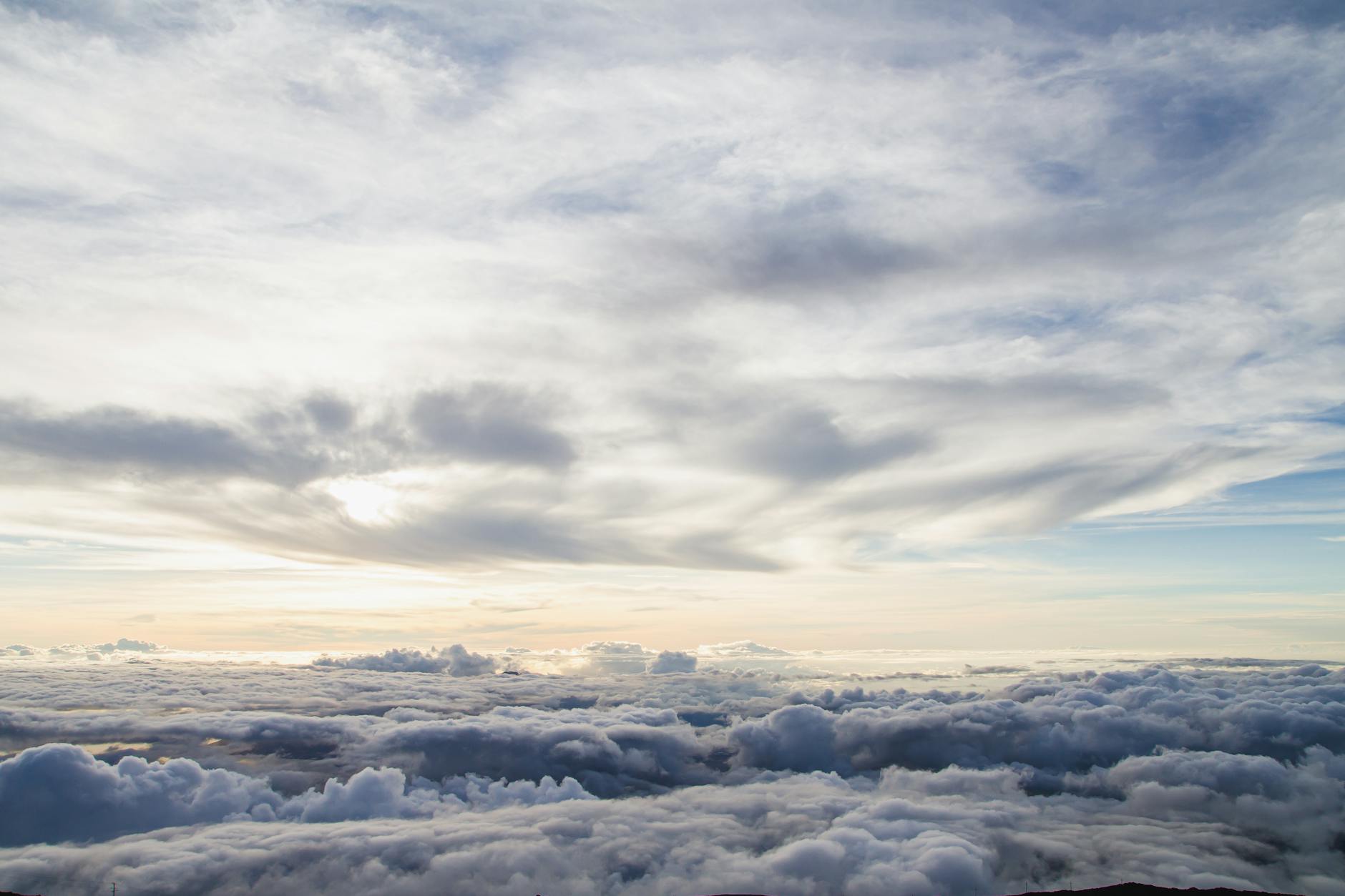
The 10,000-foot summit is Maui's signature shot and it earns the hype. On a clear morning you're above a sea of clouds watching the sun break over the crater rim, with the Big Island floating to the southeast. It's also one of the best dark-sky sites in the state for the hours before dawn.
The catch is logistics. The Park Service requires a paid sunrise reservation through recreation.gov for the 3 AM–7 AM window, and they sell out the day they release (60 days ahead, with a small second batch two days prior). Daytime and sunset don't need that reservation.
Tip: Dress for 30s–40s Fahrenheit even in July. I've watched dozens of people in shorts and flip-flops shivering through the best 20 minutes of light, packing up before the post-sunrise alpenglow on the cinder cones — which is often the better photo.
Bring a wide zoom for the cloud sea and a short telephoto to compress the cones. The blue hour before official sunrise is the real prize for astro and clean color.
Kula and the Upcountry pullouts
On the drive down, the Kula slopes give you those classic foreground-pasture, ocean-backdrop frames with both Maui isthmus and the West Maui Mountains. Late afternoon light here is gorgeous and almost nobody stops.
The Hana Side
The east side is waterfall and rainforest country, and it's where I spend most of my Maui shooting days.
Wai'anapanapa State Park (black sand)
The black sand beach at Wai'anapanapa is the most photogenic single spot on the Hana road — black sand, a sea arch, blowholes, and red-flowering trees on the cliffs. It now requires a timed entry reservation for non-residents, booked online in advance. Get the earliest slot you can; by mid-morning the small beach fills up and the light goes flat.
A polarizer is essential here to cut glare off the wet black sand and saturate the water. I shoot it at a longish 1–2 seconds with an ND to smooth the wave wash around the rocks.
Waterfalls past Hana
The stretch beyond Hana toward the bamboo forest and the pools holds the lushest waterfalls. For technique-specific advice on shutter speeds and dealing with spray, I wrote a full breakdown in the Hawaii waterfall photography guide. The short version: overcast is your friend, a tripod and ND let you go silky, and a microfiber cloth lives in your pocket.
For a stop-by-stop rundown of the drive itself, our Road to Hana stops review covers which pullouts are worth the brake-tap and which are tourist traps.
Iao Valley
Technically central Maui, but it shoots like Hana. The Iao Needle draped in mist after rain is one of the island's most dramatic compositions. Go early or just after a shower for the cloud drama, and bring a wide angle.
West and South Maui
Kapalua and Honolua (sunset and surf)
West Maui faces the sunset and the neighboring islands of Lanai and Molokai, which gives your sunsets layered silhouettes. In winter, Honolua Bay gets serious north swell — a 200mm-plus lens from the cliff overlook gets you surf action without a water housing.
Wailea and Makena (south, calm water)
The south shore has the calmest, clearest water for reflections and clean seascapes, especially in summer. Big Beach (Makena) at sunset with the cinder cone and the smooth volcanic rock is a reliable winner.
Humpback whales (December–March)
If you visit in winter, the Auau Channel between Maui, Lanai, and Molokai holds one of the densest humpback populations on earth. From shore at Papawai Point or McGregor Point with a 400mm, or on a boat, you can get breaches and tail slaps. Patience and a fast shutter (1/2000+) are the whole game.
A few lesser-known spots worth the detour
The marquee locations get the traffic, but some of my favorite Maui frames come from quieter pullouts:
- Nakalele Blowhole (northwest): A geyser of seawater firing 50-plus feet up against rugged lava coast. Shoot it with a telephoto from a safe distance — people have been killed getting too close. The "Olivine Pools" nearby are equally photogenic and equally dangerous in surf.
- Twin Falls (start of the Hana road): The easiest waterfall on the island, a short walk in, perfect for warming up your slow-shutter technique before the bigger falls deeper on the route.
- Keawakapu and Maluaka (south): Calm, clean reef beaches that double as turtle-and-sunset spots without the Big Beach crowds.
- Maui Tropical Plantation / Upcountry lavender: When the coast is hazy, inland farms and the lavender fields give you color and leading lines in any light.
Tip: The trade winds usually pick up by late morning and kick up haze and chop on the leeward coast. I shoot exposed seascapes early and save the sheltered, inland, and jungle subjects for the windy afternoons.
When to visit Maui for photography
The island shoots well year-round, but the season changes what you get:
- December–March: Humpback whales, big north-shore surf, the lushest waterfalls and greenest hills, but more rain on the Hana side and the most crowds over the holidays.
- April–May and September–October: My favorite shoulder windows — fewer people, generally clear Haleakala mornings, calm south-shore water, and reasonable prices.
- June–August: Driest and sunniest, best for the south-shore reefs and reliable summit clearings, but the trade haze can flatten midday light and the resorts are full.
Quick comparison: where to shoot when
| Region | Best light | Signature subject | Reservation needed? |
|---|---|---|---|
| Haleakala summit | Sunrise / pre-dawn astro | Cloud sea, crater | Yes (sunrise window) |
| Wai'anapanapa | Early morning | Black sand, sea arch | Yes (timed entry) |
| Hana waterfalls | Overcast midday | Falls, bamboo | No |
| West Maui | Sunset | Surf, island silhouettes | No |
| South Maui | Sunset / calm AM | Clean seascapes, whales | No |
My one-week Maui shooting rhythm
I split the island into east and west bases to cut driving. A loose week looks like: two days on the Hana side (one for Wai'anapanapa at opening, one for waterfalls in soft light), one Haleakala sunrise, one Haleakala astro night, and the rest on the west and south coasts chasing sunsets and, in winter, whales. If you're building the trip around multiple islands, our multi-island Hawaii itinerary helps you decide how many days Maui deserves, and the Hawaii rental car guide covers why you genuinely need your own vehicle here.
For sunrise spots beyond Haleakala across all the islands, see the best Hawaii sunrise spots, and if you want to take home a finished frame rather than shoot your own, a few of these Maui locations are available as fine-art prints and in the full gallery. You can also browse everything I've shot across the islands on the Hawaii destination hub.
A few honest cautions
- Drones are heavily restricted. Haleakala is a national park (no drones), and many beaches and state parks prohibit them. Check the rules before you launch — I cover the specifics in the Hawaii drone laws guide.
- Respect closures and private land. Several "hidden" waterfalls on the Hana road cross private property or have been closed for safety. Don't trespass for a photo.
- Mind the ocean. South and west shores look calm; the Hana side and north shore are not. Never turn your back on the water to frame a shot.
Maui rewards photographers who treat it like a working trip: plan around light and reservations, base smartly, and accept that the best frame is often 20 minutes earlier or one valley deeper than where the crowd stops.
Bring the trip home
Every photo on York Adventures is shot on location and available as a fine-art print. Browse the gallery to find a frame for your wall.
Stay in the Loop
Get new photos, stories & exclusive deals straight to your inbox.
Related Posts
Haleakalā Sunrise Guide: Reservations, Timing & Photos
How to book the Haleakalā sunrise reservation, when to actually arrive, what to wear at 10,000 feet, and how to photograph the cloud sea before the crowd does.
Hawaii Waterfall Photography: Where to Shoot and How
Hawaii's waterfalls are deceptively hard to photograph well — spray, contrast, and crowds all conspire. Here's where to find the best falls and the exact settings I use to shoot them.
Best Hawaii Sunset Spots for Photographers
Most Hawaiian coasts face the wrong way for a clean ocean sunset. These are the spots on each island that actually deliver the sun dropping into the Pacific — with timing and lens notes.