8 Best Hawaii Sunrise Spots for Photographers
Reviewed for accuracy on Sep 23, 2025
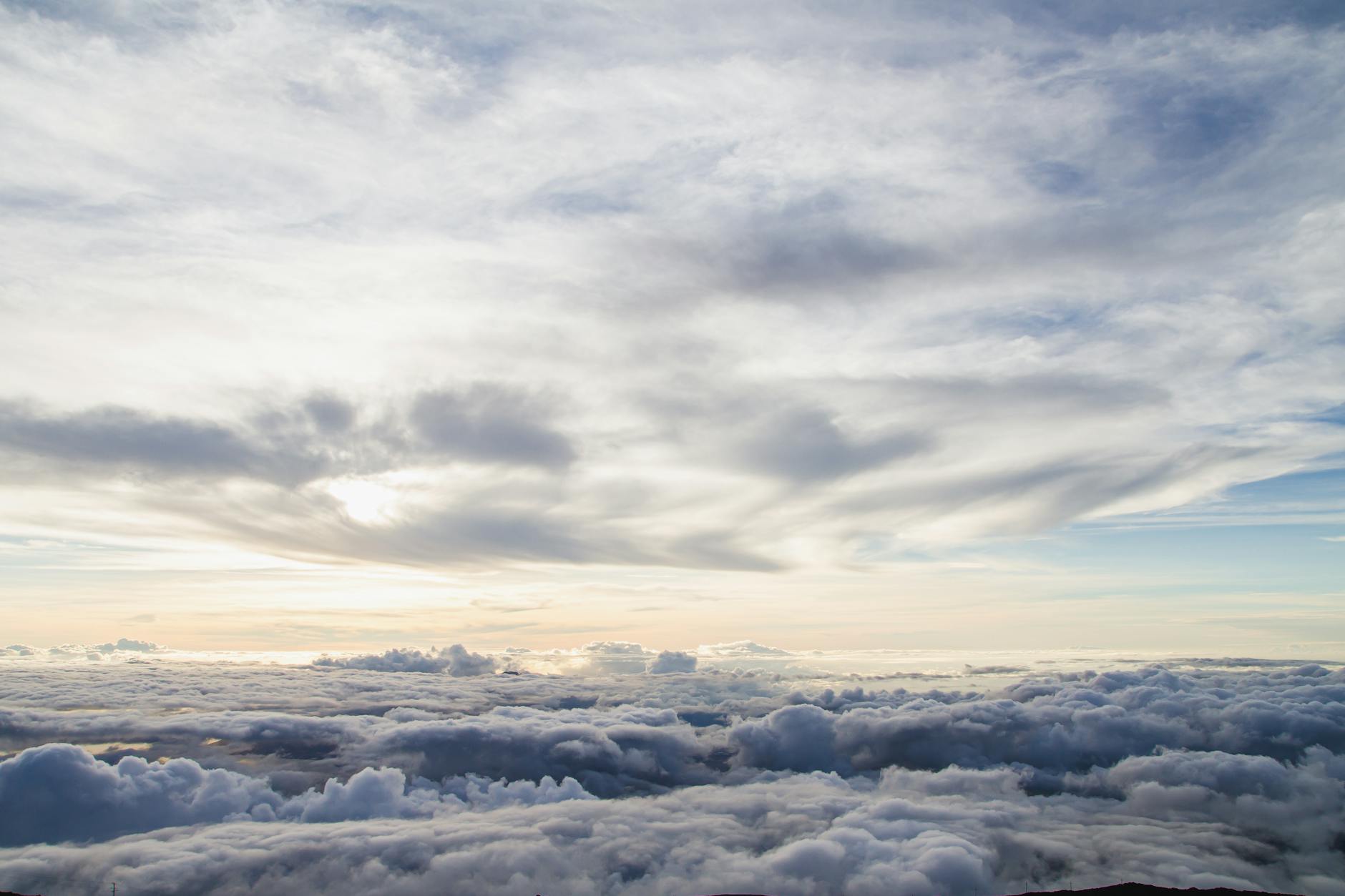
Hawaii sunrises are the kind of thing photographers chase across an ocean and still come away frustrated when the clouds don't cooperate. The light is dramatic but unpredictable. The good spots are crowded. And half the time the best moment is 20 minutes before the official sunrise time — by then everyone with a phone is already heading back to their car.
These are the eight Hawaii sunrise spots I've shot most often, in rough order of how often I'd return to them. Some require an alpine drive at 4 AM. Some are five minutes from Waikiki. All of them have given me images I still go back and look at.
1. Haleakala Summit (Maui)
The 10,000-foot summit of Haleakala on Maui is the gold standard, and there's a reason every Maui guidebook mentions it. The crater is enormous, and on clear mornings you watch the sun rise above a sea of clouds with the West Maui Mountains and the Big Island visible to the east.
The catch: the National Park Service requires a paid sunrise reservation made in advance through recreation.gov. Tickets release 60 days ahead and sell out fast.
The drive: 2 hours from Kaanapali, 1.5 hours from Kahului. You're leaving your hotel at around 3:30 AM. Bring layers — it's been below freezing at the summit when I've shot there. The road is paved and well-maintained, but it's a constant climb with switchbacks; take it slow.
Lens-wise, I shoot wide for the crater and panoramic, then switch to a 70-200 to compress the cloud layers when the light comes up. The 30 minutes before sunrise can produce better images than the actual sunrise itself.
2. Lanikai Beach (Oahu)
Lanikai on Oahu's windward side is the easy one. The two Mokulua islands sit offshore in a way that's almost too perfectly composed for a photograph — like someone designed a beach for sunrise and forgot to make it look less staged.
Parking is in the residential streets nearby (be courteous; the locals have lived with this trade-off for decades). Walk through one of the public access cuts to the beach. From the sand, you're shooting east-southeast.
Lanikai is at sea level, so sunrise is a known time. Get there 30 minutes early. The sky color before sunrise is often more interesting than the moment of sunrise itself.
A 24-70mm covers most of what you need. If the surf is up, a longer lens for the spray catching the early light is worth it.
3. Pillbox Hike Above Lanikai (Oahu)
Same area as Lanikai Beach, but the hike up to the Kaiwa Ridge "pillboxes" gets you elevated above the bay with the Mokuluas in the foreground. It's a 30-minute climb, steep in places, doable in the dark with a headlamp.
The view from the upper pillbox at sunrise is one of the most photographed scenes in Hawaii — for good reason. Skip the lower pillbox; the upper one frames the Mokuluas better.
This is a hike that's worth doing once, even if you're not specifically photographing it. The trade-off is a busy trail; expect company at the top.
4. Wai'anapanapa Black Sand Beach (Maui)
Most people visit Wai'anapanapa during the day. Sunrise here is a different place. The black sand looks blue under early light, the basalt cliffs are dramatic, and the lava tubes catch warm light from the east.
You need a reservation for non-residents (book through the state parks site days in advance). The earliest entry slot is around 7 AM, so this works in winter when sunrise is later — in summer, the official entry doesn't open early enough for the actual sunrise.
A wide-angle for the cliffs, longer lens for the lava arch and small islands offshore.
5. Mauna Kea Visitor Center (Big Island)
The summit of Mauna Kea has been off-limits to most rental car users for years (and the cultural sensitivities around the summit are real). The visitor center at 9,200 feet is accessible to any vehicle and gives you a high-altitude vantage with thinner air and less ground haze.
Sunrise from the visitor center isn't the spectacle of the summit, but for sunrise photography specifically it's good — the eastern Big Island spreads out below, and the cloud layer often sits below you.
The drive from Kona is roughly 1.5 hours. Saddle Road is now paved and fine. Bring serious layers; it's cold.
6. Lanikuhonua / Ko Olina (Oahu)
The leeward side of Oahu doesn't seem like a sunrise destination because the sun rises on the windward side. But the wide bay at Ko Olina catches the first light against the wave-carved limestone with the dramatic ocean view, and the lagoons reflect the sky in a way that makes for good wide-angle compositions.
This is also the easy sunrise: you can stay at one of the Ko Olina resorts (Four Seasons Oahu, Aulani, Marriott) and walk to the shoreline in 30 minutes before sunrise without driving anywhere.
Some of my favorite Hawaii images have been from the resort balcony at Aulani at 6:15 AM, half-asleep with a tripod and a cup of bad in-room coffee. The best photos aren't always the hardest to access.
7. Hapuna Beach (Big Island)
Hapuna on the Kohala coast of the Big Island has a long stretch of white sand facing east-southeast, dramatic morning light hitting the lava points at either end of the beach, and almost no crowd before 7 AM. It's right next to the Westin Hapuna Beach Resort, which means parking is straightforward and there's coffee available at the resort once the morning warms up.
What I shoot here: the lava rocks at the south end with the wash of incoming light, the beach textures with low-angle side light, and the occasional turtle hauling out at the wrack line.
8. The North Shore (Oahu) — Pipeline / Sunset Beach
The North Shore is a sunset coast more than a sunrise coast (the name doesn't lie), but on the right morning, with the right swell, the dawn light hitting empty barrels at Pipeline is unforgettable. The beach faces north, so direct sunrise hits the side of the wave faces — the light is warm and angular rather than backlit.
Park at any of the lots between Haleiwa and Sunset Beach. Walk the beach. Keep your distance from local surfers; this is their backyard, not a stage.
A 70-200 with a 1.4x teleconverter for surf, plus something wide for the empty beach scenes.
Practical sunrise photography in Hawaii
A few notes that apply across all of these:
- The "blue hour" before sunrise is often the best window. Get into position 45 minutes before official sunrise, not 5 minutes after.
- Trade winds pick up by mid-morning. If you want glassy reflections, you have a small window before 7 AM.
- Cloud cover in Hawaii is uneven. The windward sides are wet, leeward sides are dry. Build in an alternate location in case the primary spot is socked in.
- Bring a flashlight or headlamp. Most of these locations involve walking in darkness. Don't trust your phone.
- Sunscreen by 8 AM. The sun comes up hard and fast at 20° latitude. By the time you're packing up, you're already burning.
Gear that's earned its place
Without turning this into a gear post, the things that have made the biggest difference for sunrise shoots in Hawaii:
- A real tripod (carbon, with a head you can level fast in the dark)
- A wide aperture lens for the dim pre-dawn (24mm f/1.4 or similar)
- A graduated ND filter for the high-contrast moment of sunrise
- A polarizer for after the sun is up
- A microfiber towel — salt spray and dew are constant
For a broader photographer's take on Hawaii landscape, my Big Island volcanoes piece covers the night-glow shots from Volcanoes National Park, and the Kauai guide has more on Na Pali coast access.
What I'd do differently
I used to chase the famous spots. Haleakala summit, Lanikai pillboxes, the obvious ones. I'd drive 90 minutes in the dark, set up next to fifteen other photographers, and come away with the same image they all got.
The ones I now value most are the quieter ones. A small unnamed lava beach on the Big Island where I'm the only person there. A bay on Maui at 6:15 in the morning when the trade winds are still and the surface is glass. The Aulani balcony when I haven't even left the room.
Pick one famous shot per island for the postcard. Then spend the rest of your sunrises somewhere quiet. The images are usually better and the morning is yours. And if you're sleeping near these spots, my Hawaii planning guide covers timing and lodging trade-offs.
Bring the trip home
Every photo on York Adventures is shot on location and available as a fine-art print. Browse the gallery to find a frame for your wall.
Stay in the Loop
Get new photos, stories & exclusive deals straight to your inbox.
Related Posts
Nā Pali Coast Guide: Boat, Hike & Helicopter
Three ways to experience Kauai's Nā Pali Coast — by boat, on the Kalalau Trail, or from a doors-off helicopter — compared honestly, with permits, seasons, and photo notes for each.
Haleakalā Sunrise Guide: Reservations, Timing & Photos
How to book the Haleakalā sunrise reservation, when to actually arrive, what to wear at 10,000 feet, and how to photograph the cloud sea before the crowd does.
Road to Hana: 12 Stops That Are Worth It (and 5 That Aren't)
After driving the Hana Highway four times, here's the honest take on which stops earn the parking time and which ones are just Instagram bait.