Planning Your Hawaii Trip: When to Go, Where to Stay & What to Pack
Reviewed for accuracy on Mar 15, 2026
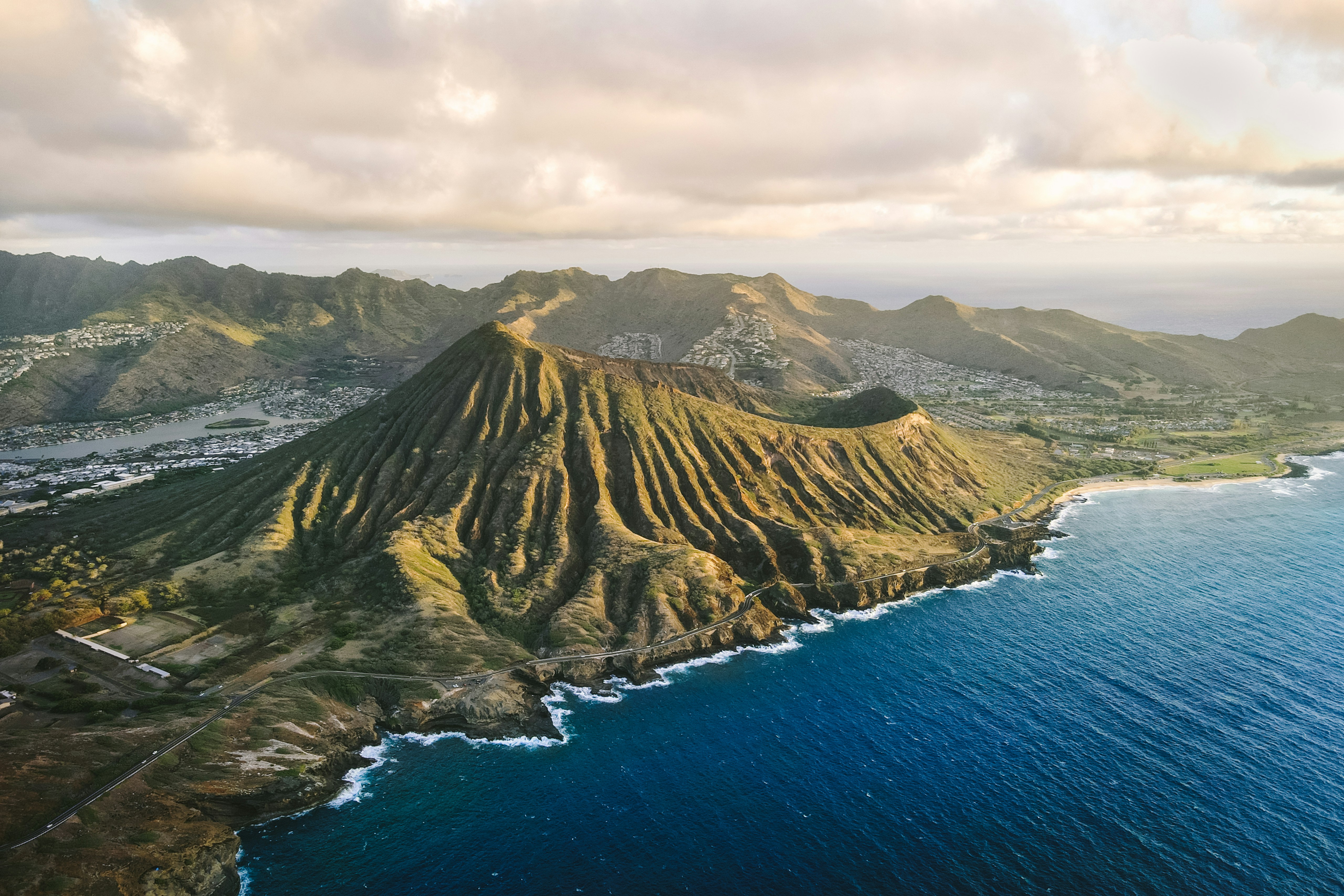
Planning a trip to Hawaii involves more decisions than most people expect. Six major islands, dozens of microclimates, seasonal variations in weather and pricing, and a staggering range of accommodation options can make the planning process feel overwhelming. This guide breaks it all down so you can make confident decisions and arrive prepared.
The first and most important decision is when to go. Hawaii enjoys warm weather year-round, with average temperatures ranging from seventy-five to eighty-five degrees Fahrenheit at sea level. But the islands do have distinct seasons that affect your experience. The dry season runs from April through October, bringing consistent sunshine, calmer ocean conditions, and the best snorkeling visibility. The wet season from November through March delivers more rain -- particularly on the windward (north and east) sides of each island -- but also brings spectacular surf on the north shores and humpback whale season from December through April.
Peak tourist season aligns with mainland school breaks: mid-December through March (winter escape and whale season) and June through August (summer vacation). During these periods, hotel rates spike, popular activities book up weeks in advance, and beaches are at their most crowded. The sweet spot for most travelers is the shoulder seasons -- April through May and September through October. You'll find the best combination of pleasant weather, lower prices, and thinner crowds. September and October in particular offer excellent conditions: warm water, moderate surf, fewer tourists, and hotel rates that can be thirty to fifty percent below peak pricing.
Choosing which island to visit depends on what you want from your trip. Oahu offers the most diverse experience -- world-class dining, nightlife, historic Pearl Harbor, legendary surf breaks, and the convenience of a major city. It's the best choice for first-time Hawaii visitors and those who want variety. Maui is ideal for couples and luxury seekers, with spectacular resort areas, the Road to Hana, and Haleakala's sunrise. The Big Island appeals to nature lovers and adventure seekers with its active volcanoes, diverse ecosystems, and uncrowded spaces. Kauai is for those seeking natural beauty above all else -- it's the lushest, most dramatic island, with fewer tourist facilities and a slower pace. Molokai and Lanai are for experienced Hawaii travelers looking for something completely different.
For a first trip, we recommend spending at least five to seven days on a single island rather than trying to island-hop. Each island is deep enough to fill a week, and rushing between them means spending precious vacation time in airports. If you have ten days or more, combining two islands works well. Popular pairings include Oahu plus Maui, or Maui plus the Big Island. Inter-island flights on Hawaiian Airlines and Southwest are short (thirty to fifty minutes) and frequent.
Accommodation options span the full spectrum. Resort areas like Waikiki on Oahu, Wailea and Kaanapali on Maui, the Kohala Coast on the Big Island, and Poipu on Kauai offer full-service hotels with pools, restaurants, and beach access. Vacation rentals provide more space and kitchen access at lower nightly rates, and are particularly good for families and longer stays. Bed-and-breakfasts dot the rural areas of every island and offer personal, local experiences. And camping -- in state parks, county parks, and national parks -- is available on every island for the adventurous and budget-conscious.
Rental cars are essential on every island except Oahu, where public transportation and ride-sharing can cover most needs. On Maui, the Big Island, and Kauai, many of the best experiences are reached only by car. Book well in advance -- Hawaii experienced severe rental car shortages in recent years, and while the situation has improved, last-minute bookings during peak season can still be difficult and expensive. A standard car is fine for most activities; four-wheel drive is only necessary for specific destinations like Mauna Kea summit on the Big Island or the Munro Trail on Lanai.
Packing for Hawaii is simpler than for most destinations, but a few items are essential. Reef-safe sunscreen is required by Hawaiian law -- products containing oxybenzone and octinoxate are banned because they damage coral reefs. Bring SPF 30 or higher and reapply frequently, as the tropical sun is significantly stronger than on the mainland. A rash guard or swim shirt provides superior sun protection for water activities and eliminates the need for constant sunscreen reapplication.
Footwear should include comfortable walking shoes or trail runners for hiking, rubber-soled water shoes for rocky beaches and tide pools, and casual sandals for everything else. Leave the high heels and dress shoes at home -- even Hawaii's nicest restaurants are resort casual. Reef booties are worth packing if you plan to snorkel at rocky spots or surf reef breaks.
Clothing is casual and lightweight. Pack quick-dry shorts, breathable shirts, swimsuits, and a light rain jacket or windbreaker for mountain excursions and unexpected showers. If you're visiting Haleakala for sunrise or Mauna Kea on the Big Island, bring warm layers -- temperatures at elevation can drop below forty degrees Fahrenheit even when it's eighty at sea level. A fleece or light down jacket takes up minimal suitcase space and can be essential.
Other packing essentials include a good-quality waterproof phone case for beach and water activities, a reusable water bottle (staying hydrated in the tropical heat is critical), a small daypack for hikes, and a snorkel set if you plan to snorkel frequently -- renting adds up quickly, and personal gear fits better than rentals.
A few practical tips that experienced Hawaii travelers swear by: download offline maps before you go, as cell service is spotty in rural areas and along many hiking trails. Make restaurant reservations for popular spots as soon as your dates are confirmed -- places like Mama's Fish House on Maui and Sushi Sho on Oahu book up weeks ahead. Buy a national park pass if you're visiting multiple parks. And budget for activities -- helicopter tours, snorkel cruises, and luaus add up fast but are often the highlight of the trip.
Finally, approach Hawaii with respect for the land and culture. Stay on marked trails to protect fragile ecosystems. Keep a safe distance from wildlife, especially Hawaiian monk seals and green sea turtles. Learn a few Hawaiian words -- mahalo (thank you), aloha (hello/goodbye/love), and mauka/makai (toward the mountain/toward the sea) -- they're used constantly in daily conversation. And remember that you're visiting someone's home. The aloha spirit is real, and it's reciprocal. Bring it with you, and Hawaii will give it back tenfold.
Bring the trip home
Every photo on York Adventures is shot on location and available as a fine-art print. Browse the gallery to find a frame for your wall.
Stay in the Loop
Get new photos, stories & exclusive deals straight to your inbox.
Related Posts
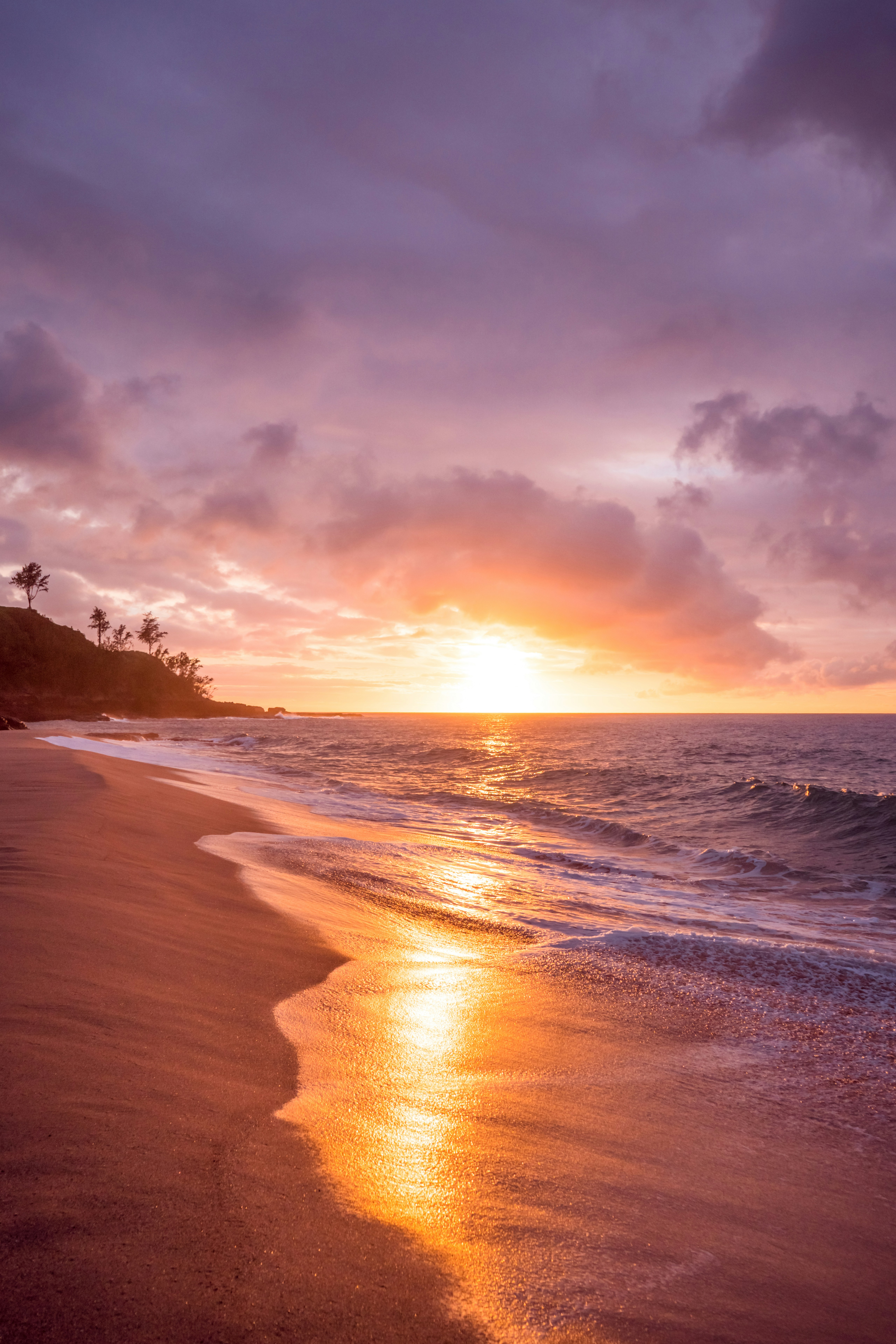
Maui's Ultimate Hotel & Resort Guide: Where to Stay on the Valley Isle
From the luxury resorts of Wailea to charming boutique hotels in Lahaina and upcountry hideaways on the slopes of Haleakala, this guide covers every style of Maui accommodation to match your budget and travel personality.
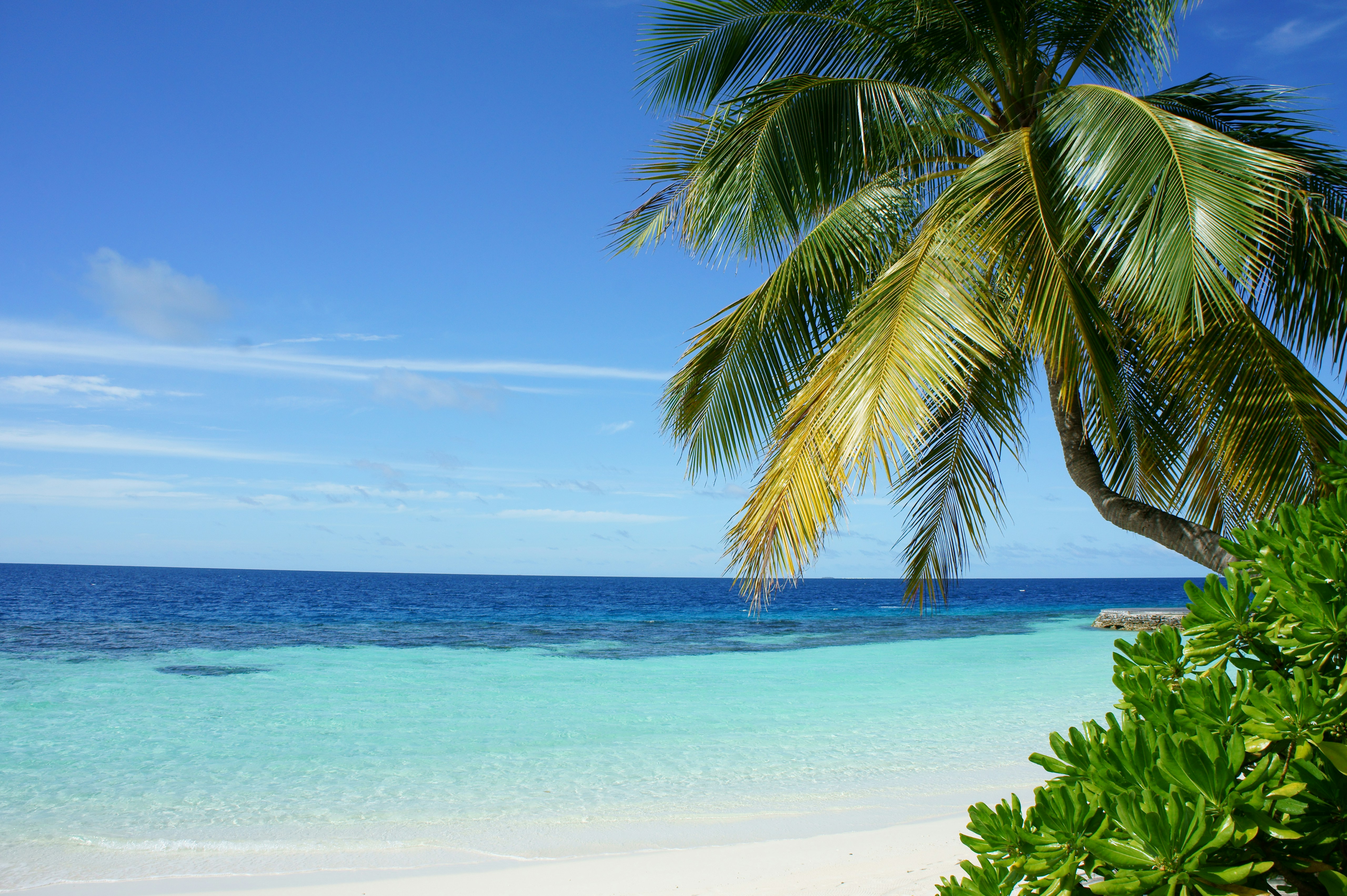
Hawaii on a Budget: Money-Saving Tips for Every Island
Think Hawaii has to be expensive? Think again. With smart planning and local knowledge, you can experience the best of the islands without emptying your bank account.
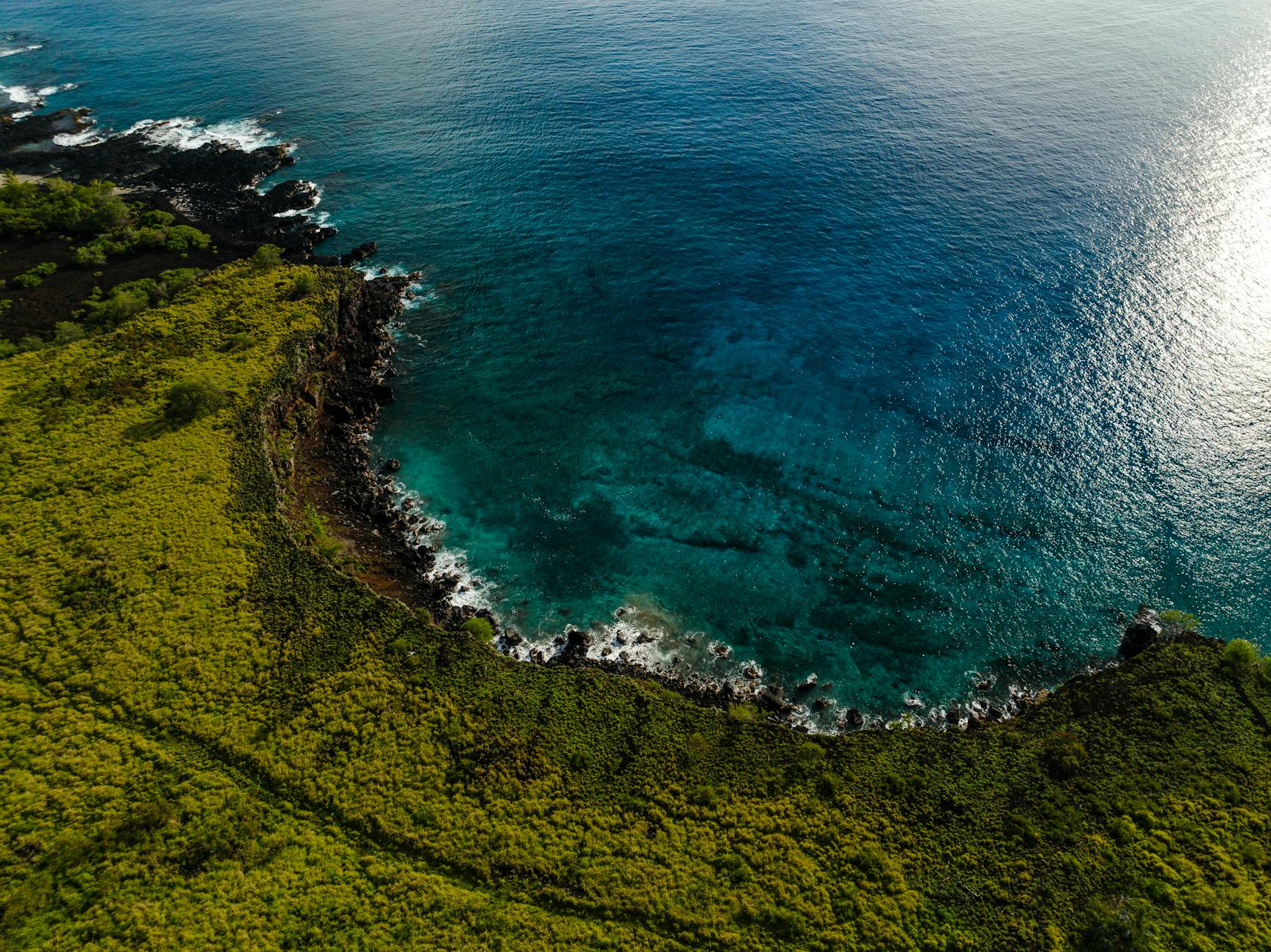
Nā Pali Coast Guide: Boat, Hike & Helicopter
Three ways to experience Kauai's Nā Pali Coast — by boat, on the Kalalau Trail, or from a doors-off helicopter — compared honestly, with permits, seasons, and photo notes for each.