Hawaii on a Budget: Money-Saving Tips for Every Island
Reviewed for accuracy on Mar 15, 2026
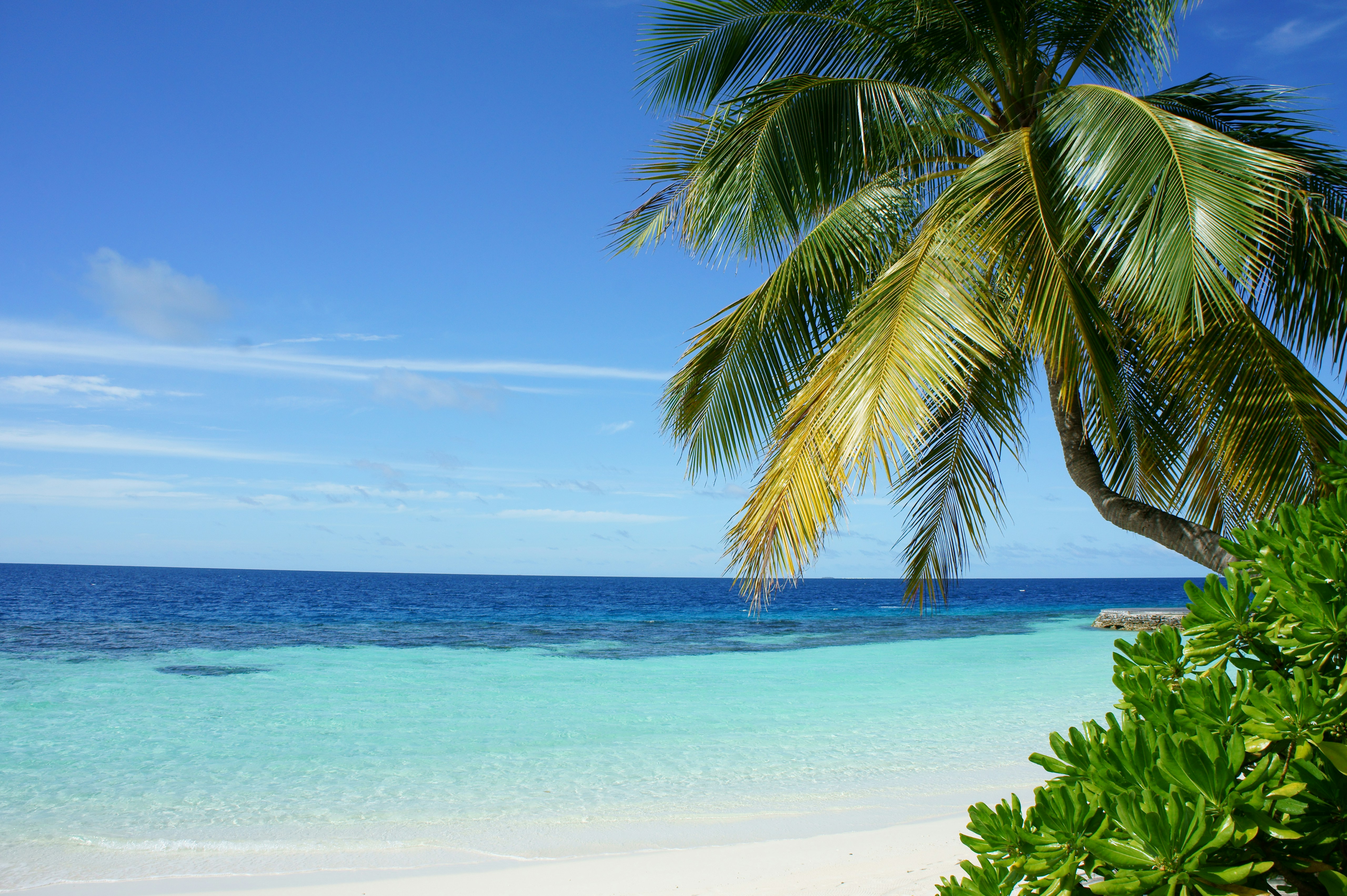
Hawaii has a reputation as an expensive destination, and there's some truth to it -- resort rooms can top five hundred dollars a night, and a casual dinner for two often runs over a hundred dollars. But the islands also offer incredible experiences that cost little or nothing, and savvy travelers can stretch their budgets much further than they'd expect. Here's how to experience Hawaii without the financial hangover.
Flights are typically the biggest expense, and timing is everything. Avoid booking during peak seasons -- mid-December through March and June through August -- when fares from the mainland can exceed eight hundred dollars round trip. Shoulder seasons in April through May and September through November regularly see fares drop to three hundred to five hundred dollars from West Coast cities. Set fare alerts on Google Flights and Hopper, and be flexible with your dates. Southwest Airlines' entry into the Hawaii market created genuine competition, and their sales occasionally offer round-trip fares under three hundred dollars from cities like Oakland, San Jose, and Los Angeles.
Inter-island flights have become more affordable with Southwest now flying between Honolulu, Maui, Kauai, and the Big Island. One-way fares start as low as thirty-nine dollars during sales, compared to Hawaiian Airlines' typical sixty to one hundred twenty dollars. If you're island-hopping, booking these flights separately rather than as part of a mainland package often saves money.
Accommodation is where the biggest savings are possible. Skip Waikiki's hotels and look at vacation rentals in residential neighborhoods like Kailua on Oahu, Kihei on Maui, or Captain Cook on the Big Island. Entire apartments regularly list for one hundred to one hundred fifty dollars per night, and having a kitchen means you can prepare breakfasts and lunches instead of eating every meal out. Hostels exist in Hawaii too -- the HI Honolulu hostel in Waikiki offers dorm beds for around forty dollars per night in a clean, well-managed facility.
Camping is Hawaii's ultimate budget accommodation. State and county campgrounds on every island offer ocean-side sites for as little as twelve to thirty dollars per night. Malaekahana Beach on Oahu's North Shore, Spencer Beach Park on the Big Island, and Anini Beach on Kauai are among the best. Permits are required and should be obtained in advance through each county's parks department website. National Park campgrounds at Haleakala on Maui and Hawaii Volcanoes on the Big Island are free to twenty dollars per night, though park entrance fees apply.
Groceries in Hawaii are expensive compared to the mainland -- expect to pay thirty to fifty percent more for basics. Costco membership pays for itself quickly here, and every major island has at least one location. Stock up on snacks, drinks, and breakfast supplies as soon as you arrive. Foodland and Times Supermarket are local chains with better prices than resort-area ABC Stores. If you're staying somewhere with a kitchen, cooking your own meals three or four times will save hundreds over a week.
Free activities are the backbone of a budget Hawaii trip, and they're often the best experiences the islands offer. Every beach in Hawaii is public by law -- even those fronting luxury resorts. You can walk onto any beach, set down your towel, and enjoy the same sand and surf as guests paying a thousand dollars a night. Snorkeling requires only a mask and snorkel, which you can buy for under twenty dollars at any ABC Store or Walmart. Hanauma Bay on Oahu, Kapalua Bay on Maui, Kahalu'u Beach on the Big Island, and Tunnels Beach on Kauai offer world-class snorkeling for free or just a small entrance fee.
Hiking is free on every island, and Hawaii's trails rank among the best in the world. Diamond Head on Oahu costs five dollars per person. The Pipiwai Trail on Maui, leading to the four-hundred-foot Waimoku Falls, is included with Haleakala National Park admission. The Kilauea Iki Trail on the Big Island crosses an actual volcanic crater. Kauai's Kalalau Trail along the Na Pali Coast is free for the first two miles to Hanakapi'ai Beach.
For food, embrace the plate lunch. A full meal of protein, rice, and macaroni salad typically costs eight to twelve dollars and will keep you full for hours. Food trucks offer even better value -- North Shore shrimp plates on Oahu run twelve to fourteen dollars. Poke from supermarket counters costs twelve to sixteen dollars per pound, and a half-pound with rice makes a filling meal. Farmers markets offer fresh tropical fruit at reasonable prices and are great for breakfast supplies.
Transportation costs can be managed with planning. Rental cars are often unavoidable in Hawaii due to limited public transit, but booking well in advance, choosing off-airport locations, and renting through discount aggregators like AutoSlash can yield significant savings. On Oahu, TheBus system covers the entire island for three dollars per ride or a seventy-dollar monthly pass. Biking is viable in flat areas like Kailua and Lahaina.
Free cultural experiences round out a budget trip beautifully. The Bishop Museum in Honolulu offers free admission on certain community days. The Polynesian Cultural Center sometimes runs discounted rates for afternoon-only visits. Iolani Palace grounds in downtown Honolulu are free to explore. On the Big Island, the Puuhonua o Honaunau National Historical Park preserves a sacred Hawaiian site of refuge for twenty dollars per vehicle. And every island hosts free hula performances, lei-making demonstrations, and cultural talks at various hotels and community centers.
A realistic daily budget for a couple traveling frugally in Hawaii: one hundred to one hundred fifty dollars per day including accommodation in a vacation rental, rental car, groceries with a few meals out, and free activities. That's roughly seven hundred to one thousand dollars per week per person -- far less than the three to five thousand dollars that resort-based trips typically cost. Hawaii doesn't have to be a once-in-a-lifetime splurge. With the right approach, it can be an annual tradition.
Bring the trip home
Every photo on York Adventures is shot on location and available as a fine-art print. Browse the gallery to find a frame for your wall.
Stay in the Loop
Get new photos, stories & exclusive deals straight to your inbox.
Related Posts
Planning Your Hawaii Trip: When to Go, Where to Stay & What to Pack
Your complete planning guide for a Hawaii vacation -- covering the best time to visit, how to choose between islands, packing essentials, and insider tips that will save you time and money.
Maui's Ultimate Hotel & Resort Guide: Where to Stay on the Valley Isle
From the luxury resorts of Wailea to charming boutique hotels in Lahaina and upcountry hideaways on the slopes of Haleakala, this guide covers every style of Maui accommodation to match your budget and travel personality.
Nā Pali Coast Guide: Boat, Hike & Helicopter
Three ways to experience Kauai's Nā Pali Coast — by boat, on the Kalalau Trail, or from a doors-off helicopter — compared honestly, with permits, seasons, and photo notes for each.