Nā Pali Coast Guide: Boat, Hike & Helicopter
Reviewed for accuracy on Jun 25, 2026
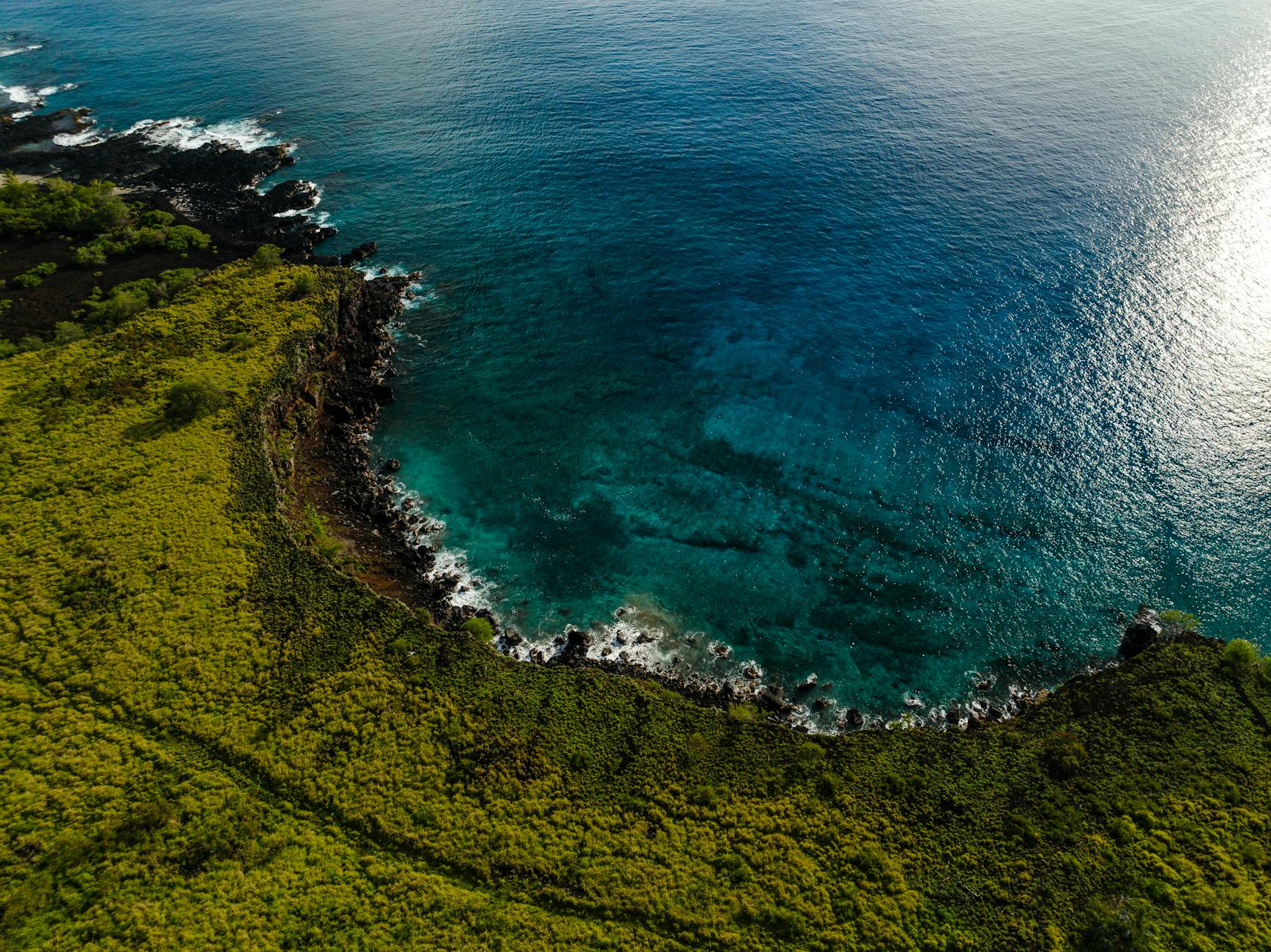
The Nā Pali Coast is the reason a lot of photographers come to Kauai in the first place — 17 miles of fluted green cliffs plunging straight into the Pacific, with no road touching any of it. That last detail is the catch and the gift: you cannot drive the Nā Pali Coast. You can only see it three ways — by boat, on foot, or from the air — and each one shows you a completely different coastline.
I've experienced all three, and the honest answer to "which is best" is that they're not really competing. They're complementary. Here's how each one actually works, what it costs in time and effort, and what you'll come away with.
The three ways, compared
| Method | Time | Cost (2026, verify) | Best season | Perspective |
|---|---|---|---|---|
| Boat tour | 4-6 hrs | ~$150-250/person | Summer (calm seas) | Sea level, looking up at the cliffs |
| Kalalau Trail | Half-day to multi-day | Permit ~$30-40 | Summer (safe streams) | Immersive, inside the valleys |
| Helicopter | 50-65 min | ~$300-450/person | Year-round | Aerial sweep of the whole coast |
Pick based on your time, budget, and how much effort you want to spend. If you can swing it, a boat tour plus the first two miles of the trail covers two perspectives in a single Kauai trip.
By boat: the sea-level view
A boat tour is the most accessible way to see the coast, and for many people the most rewarding. From the water you get the true scale of those 4,000-foot cliffs towering over you, plus sea caves, waterfalls spilling straight into the ocean, and — on the right tour — a snorkel stop in clear water with spinner dolphins often riding the bow.
A few practical notes:
- Season matters enormously. In summer (roughly May through September) the north-shore seas calm down and tours often launch near Hanalei, putting you closest to the dramatic valleys fast. In winter, big north swells shut down north-shore departures and most tours run from Port Allen on the dry west side — a longer ride to reach the good stuff, and more cancellations.
- Boat type is a trade-off. Rigid-hull catamarans are smoother and better for queasy stomachs and steady cameras; rigid-inflatable Zodiacs are bumpier but get into the sea caves the big boats can't.
- Morning is calmer. Book the earliest departure for flatter water and softer light.
For photographers: a fast shutter to counter the boat's motion, a polarizer for the water, and a weather-sealed body or a rain cover, because spray is constant. Keep a lens that covers wide (the cliffs) and medium-tele (the waterfalls and caves).
On foot: the Kalalau Trail
The Kalalau Trail is the immersive option, and the one that asks the most of you. It begins at Ke'e Beach in Haena State Park and runs 11 miles to the remote Kalalau Valley.
The permit system has two layers, and you need to understand both:
- Haena State Park reservation. Even to reach the trailhead and park, non-residents need an advance entry-and-parking reservation (or a shuttle reservation). This covers the popular day hike to Hanakapiai Beach at mile 2 and Hanakapiai Falls.
- Kalalau camping permit. To hike past Hanakapiai into the valley itself, you need a separate state camping permit. These are competitive and sell out far in advance.
Tip: Most visitors don't need the full trail. The two-mile stretch to Hanakapiai Beach delivers jaw-dropping coastal views and is enough for a half-day. But respect it — the trail is muddy, exposed, and the stream crossings turn deadly in flash floods. Never cross a rushing stream, and never swim at Hanakapiai Beach; its currents are notorious.
Winter rains make the trail and stream crossings genuinely dangerous, so summer is the safer season for anything beyond the first stretch. For where else to point the camera once you're on Kauai, my Kauai photography guide maps the island's best light.
From the air: the helicopter
If you only have time for one perspective and want to see the whole coast — including the interior valleys, Manawaiopuna ("Jurassic") Falls, and Waimea Canyon — the helicopter is unmatched. In under an hour you sweep the entire Nā Pali Coast and the wettest, most inaccessible heart of the island.
For photography, book a doors-off flight. The difference between shooting through plexiglass and shooting into open air is night and day — no glare, no reflections, just the raw coastline. A few rules I follow:
- Morning flights for the calmest air and best light on the cliffs.
- Secure everything. Doors-off means anything not strapped down can become a projectile. Use a wrist strap and a lens that won't need changing mid-flight.
- Shoot fast. A 24-70mm covers most of it; bump your shutter to 1/1000 or faster to kill vibration, and lean into the open door (within your harness) for clean frames.
- Choose your operator carefully. Check safety records and reviews. This is not the place to bargain-hunt.
Note that drones are heavily restricted across Kauai and banned over many areas, so a helicopter is the legitimate way to get aerials here — more on the rules in my Hawaii drone laws guide.
The free option: the lookouts
You can also glimpse the Nā Pali Coast without a boat, hike, or flight. Drive to the top of Waimea Canyon to the Kalalau and Pu'u o Kila lookouts in Kokee State Park, and on a clear morning you'll peer straight down into the Kalalau Valley from above. It's an inland angle rather than the coastline proper, but it's spectacular and costs nothing but the drive. Go early — clouds roll in and fill the valley by midday almost every day.
Which one should you choose?
If you're only going to do one, match it to who you are:
- Choose the boat if you want the most bang for the least effort, you're traveling with a mixed-fitness group, and you'd love a snorkel stop and a shot at dolphins. It's the crowd-pleaser, and the sea-level scale of those cliffs genuinely surprises people.
- Choose the helicopter if you're a photographer chasing the full sweep, you're short on time, or you visit in winter when boat days are unreliable. Nothing else shows you the hanging valleys and Manawaiopuna Falls.
- Choose the hike if you're fit, you want the coast under your own power, and you've planned far enough ahead to land the permits. Even the two-mile Hanakapiai stretch delivers a sense of place no boat or flight can match.
There's no wrong answer, only the one that fits your trip. And if budget and time allow, stacking two of them — typically the helicopter plus a boat — is the move I'd make every time.
What to bring
Whichever way you go, a short kit list saves the day:
- Reef-safe sunscreen and a hat — there's no shade on the water or the exposed trail.
- Motion-sickness remedy for the boat, taken before you board, not after the swells start.
- Water shoes and trekking poles for the muddy, root-tangled Kalalau Trail.
- A dry bag for your camera and phone on the boat and at stream crossings.
- Plenty of water and snacks — there are no services on the trail, the boat, or in the air.
How I'd plan it
If Kauai is part of a longer Hawaii trip, the Nā Pali Coast deserves a clear half-day to a full day on its own. My 7-day multi-island itinerary shows how to slot it in without rushing, and the Hawaii destination hub gathers the rest of my island guides in one place.
My ideal Kauai photography sequence: a doors-off helicopter early in the trip to scout the whole coast from above, a summer boat tour for the sea-level scale and snorkeling, and the Hanakapiai day hike for the on-foot immersion. Three perspectives, three completely different sets of frames. A few of the resulting Nā Pali images live in the print gallery if you'd rather take the coastline home than chase the swell window yourself.
However you see it, book early. The permits, the calm-sea boat days, and the morning helicopter slots all sell out — and the coast only reveals itself on its own terms.
Bring the trip home
Every photo on York Adventures is shot on location and available as a fine-art print. Browse the gallery to find a frame for your wall.
Stay in the Loop
Get new photos, stories & exclusive deals straight to your inbox.
Related Posts
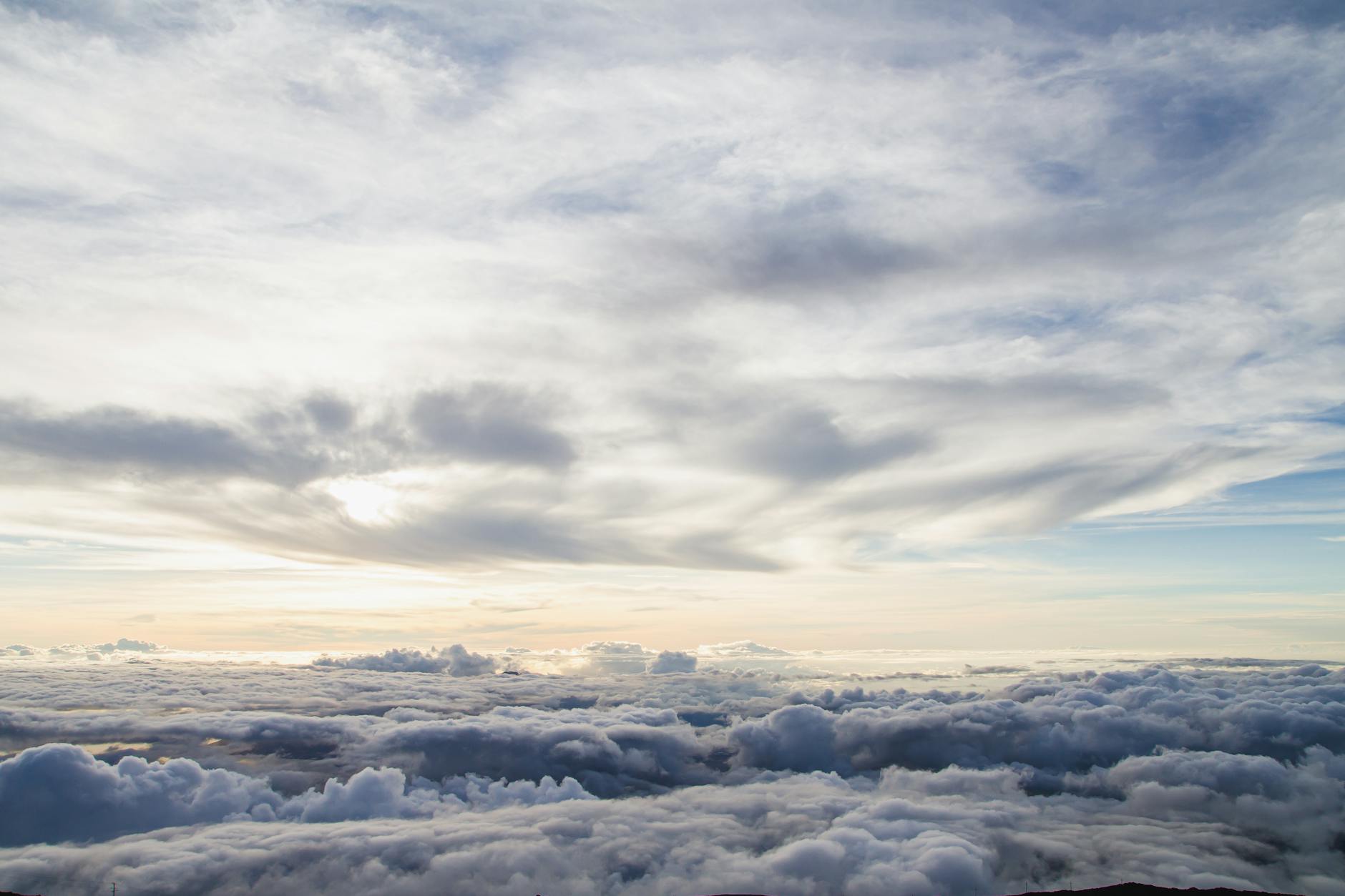
Haleakalā Sunrise Guide: Reservations, Timing & Photos
How to book the Haleakalā sunrise reservation, when to actually arrive, what to wear at 10,000 feet, and how to photograph the cloud sea before the crowd does.
Kauai Photography Guide: Na Pali, Waimea Canyon & Beyond
Kauai is the most cinematic of the Hawaiian islands and the hardest to photograph well. Here's how I shoot the Na Pali Coast, Waimea Canyon, and the Hanalei side without wasting the short windows of light.
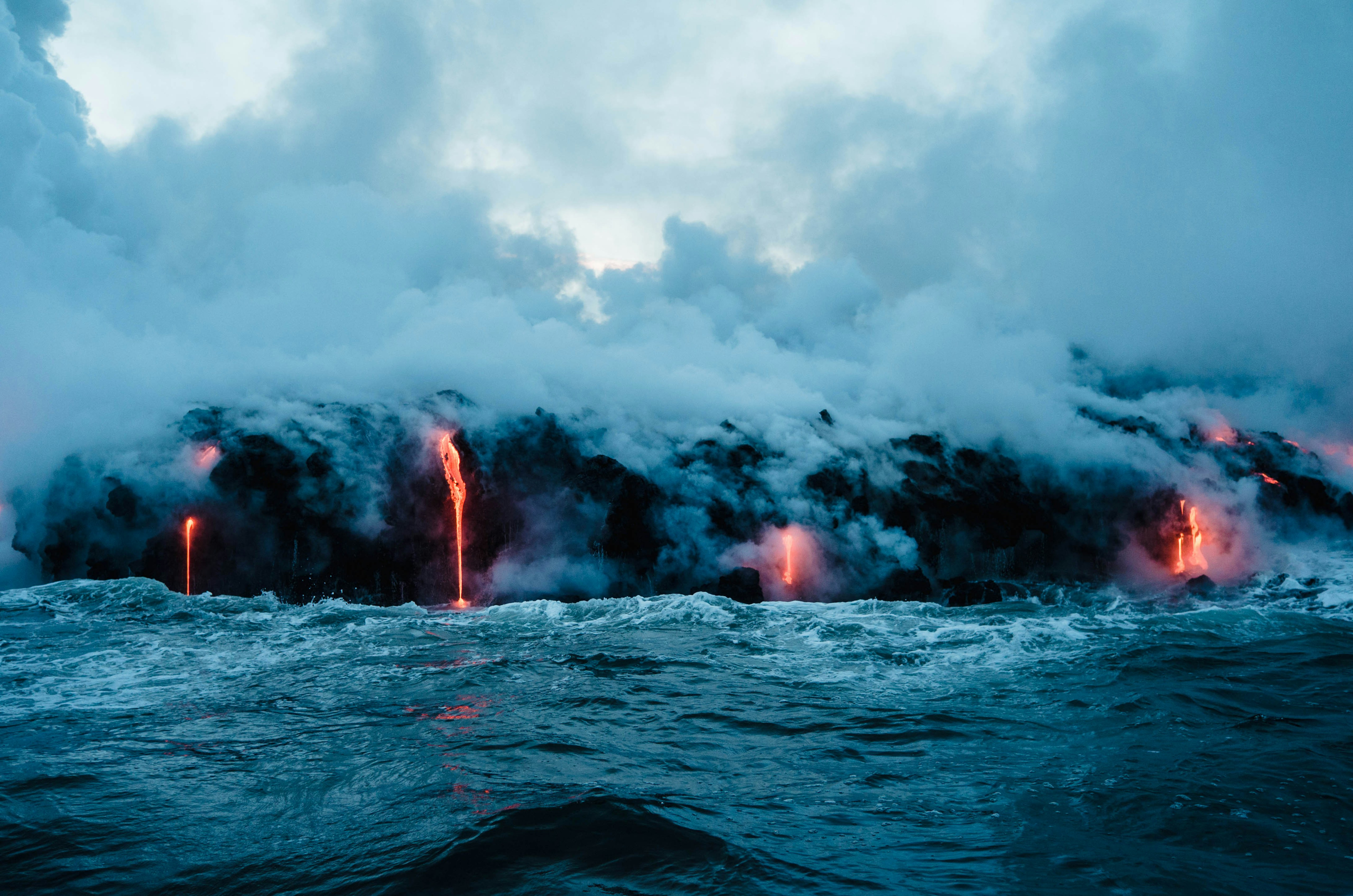
Big Island Adventure: Volcanoes, Lava & the Untamed Heart of Hawaii
Walk across hardened lava fields, peer into the glowing caldera of Kilauea, and explore black-sand beaches where sea turtles bask in the sun. The Big Island is Hawaii at its most raw and powerful.