Kauai Photography Guide: Na Pali, Waimea Canyon & Beyond
Reviewed for accuracy on Jun 14, 2026
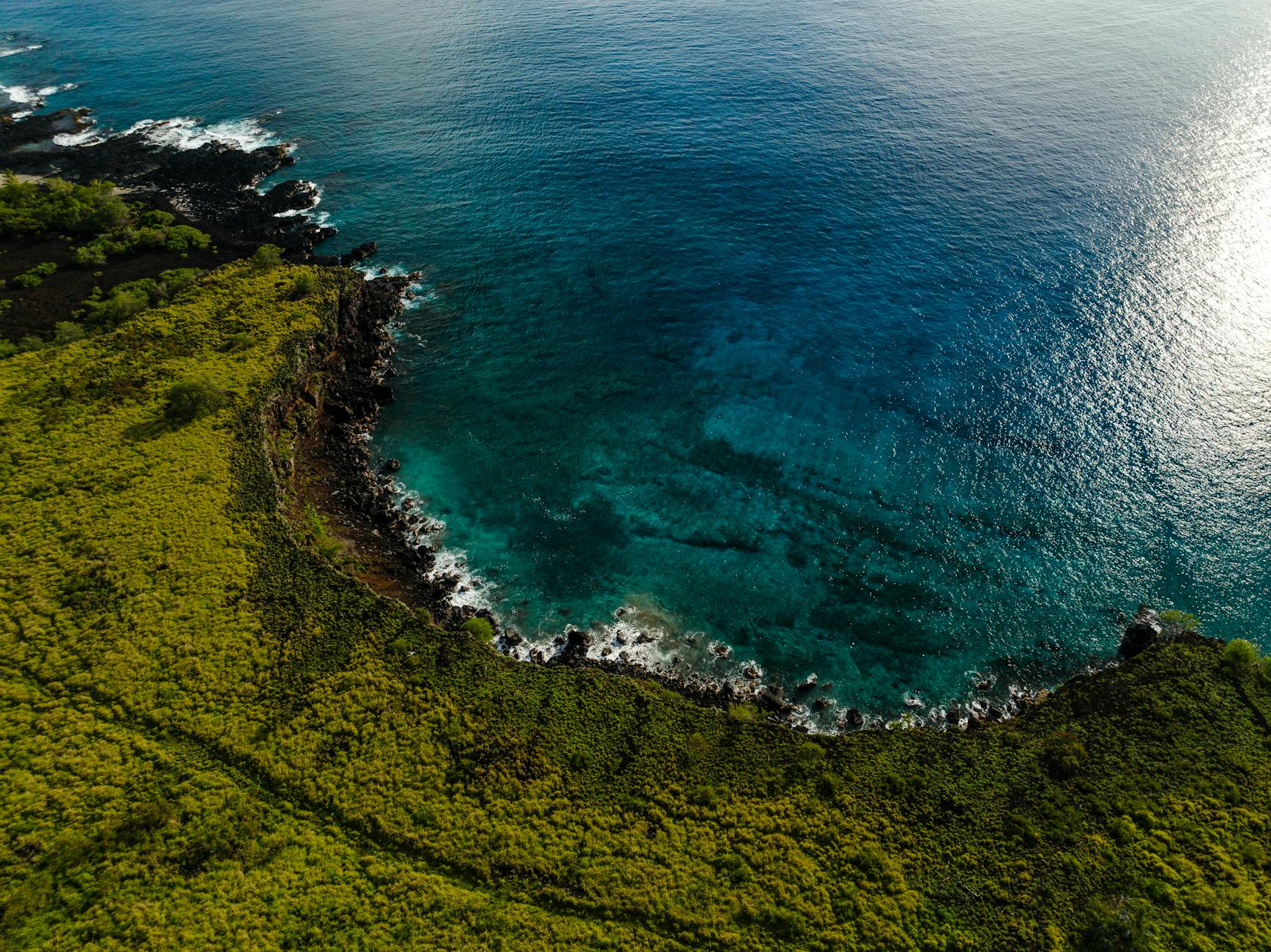
Kauai is the island that ruins your expectations for the others. It's the oldest of the main Hawaiian islands, which means erosion has had millions of extra years to carve the Na Pali cliffs and Waimea Canyon into something that looks computer-generated. It's also the rainiest, the least developed, and the most likely to hand you four days of clouds and one perfect window — so the photographers who do well here are the ones who stay flexible and shoot the light they're given.
I've come back to Kauai more than any other island specifically for the landscape work. Here's the honest guide, region by region.
The Na Pali Coast
There is no road along Na Pali. That single fact shapes everything. You reach it three ways, and serious photographers usually do at least two.
By boat
A morning catamaran or raft tour from the west side (Port Allen or Kikiaola) runs the full coast at sea level. You get the scale of the cliffs, the sea caves, and — in summer — the chance to land or snorkel. Sit on the shaded side, shoot wide, and keep your shutter up to fight the boat's motion. Morning tours get the better light and calmer water.
By helicopter
If your budget allows one splurge on Kauai, make it a doors-off helicopter flight. Roughly two-thirds of the island has no road, including the interior waterfalls of Mount Wai'ale'ale and the most dramatic Na Pali angles. Book the first flight of the morning for the smoothest air and softest light, use a fast shutter (1/1000+), and secure your gear with a strap — they're strict about loose objects doors-off.
By foot
The Kalalau Trail from Haena State Park gets you a land-level view; even the first two miles to Hanakapiai Beach reward you. But Haena requires advance entry and parking reservations for non-residents, and they sell out fast. Book the moment your dates open.
Tip: Whichever way you shoot Na Pali, go early. By afternoon the trade clouds usually build over the cliffs and the light flattens. The first two hours after sunrise are everything here.
Waimea Canyon and Koke'e
"The Grand Canyon of the Pacific" is no exaggeration — red and green walls plunging thousands of feet, often with a waterfall threading through. The Waimea Canyon Lookout and the higher Pu'u Hinahina and Kalalau Lookouts in Koke'e are your anchors.
The challenge is clouds. The high overlooks fog in fast. Strategy that's worked for me: arrive at the Kalalau Lookout at sunrise, accept that it may be socked in, and wait. The cloud often parts for a few minutes and you get the canyon revealing itself in shafts of light. A wide-to-standard zoom and a polarizer to cut the haze are the core kit.
The North Shore: Hanalei and Haena
The north shore is the lush, green Kauai of the movies. Hanalei Bay with the pier and the green peaks behind it is a sunset and reflection classic — calm winter mornings give mirror water, and golden hour lights the mountains. The Hanalei Valley Lookout over the taro fields is a quick roadside stop that's especially good after rain when the river runs full.
Because the north shore is so green precisely because it's wet, build in patience. Squalls blow through and clear within the hour, often leaving rainbows. Keep a microfiber cloth handy and a rain cover in the bag.
The South Shore: Poipu and beyond
The drier south side is your reliable backup when the north is rained out. Spouting Horn (a blowhole) at sunset, the sea cliffs at Mahaulepu, and the monk seals and turtles around Poipu all shoot well. It's also Kauai's snorkeling base — see the best snorkeling spots in Hawaii.
The Mahaulepu Heritage Trail out of Poipu is one of my favorite golden-hour walks on the island — wild, undeveloped coastline with sea cliffs, a sinkhole, and almost no crowds because it requires a bit of effort to reach. Start two hours before sunset and work your way back as the light warms.
Dealing with Kauai's weather
Kauai's reputation for rain is earned, but it's also misunderstood. The rain is highly localized. The north shore (Hanalei, Princeville) and the interior catch the bulk of it, while the south (Poipu) and west (Waimea, Polihale) can be sunny on the very same afternoon. So the working strategy is simple:
- Stay mobile. When the north socks in, drive south or west. The island is small enough that you can chase the sun in under an hour.
- Shoot the squalls. Passing rain leaves rainbows, swollen waterfalls, and dramatic light. Some of my best Hanalei frames came right as a shower cleared.
- Build buffer days. Give Na Pali boat tours and helicopter flights flexible dates — operators cancel for weather, and you want a second shot at the shoot you flew across an ocean for.
Tip: Keep a packed "ready bag" in the car — camera, polarizer, a microfiber cloth, and a rain cover — so you can jump out the moment a window opens. On Kauai the good light often lasts only a few minutes between squalls.
Sunrise and sunset on Kauai
Because the island is roughly round with one coastal road, you can catch the sun rising over the east coast (try Kapaa or the Wailua rivermouth) and setting over the west (Polihale or Poipu). The east side at dawn is underrated and almost empty. For dusk options across all the islands, see the best Hawaii sunset spots, and for dawn the best Hawaii sunrise spots.
Where to shoot, and when
| Location | Best access | Best light | Reservation? |
|---|---|---|---|
| Na Pali Coast | Boat / heli / Kalalau Trail | Early morning | Haena: yes |
| Waimea Canyon / Koke'e | Drive | Sunrise (wait out clouds) | No |
| Hanalei / north shore | Drive | Sunset, post-rain | No (Haena: yes) |
| Poipu / south shore | Drive | Sunset | No |
Planning the trip
Kauai is small but slow — one main road that doesn't connect around Na Pali, so you base on one side and accept some backtracking. I usually give it at least four full days to absorb a couple of rained-out windows. If you're stitching it into a longer Hawaii run, our multi-island Hawaii itinerary and the Hawaii rental car guide cover the logistics, and you can see the island's place in the bigger picture on the Hawaii destination hub.
For the gear that survives Kauai's wet, see our travel photography gear starter pack, and if you want a finished Na Pali or Waimea frame on your wall without the helicopter bill, a few are available as prints and in the full gallery.
Honest cautions
- Drones are restricted. Much of what you'd want to fill a frame is national or state land where drones are banned. Read the Hawaii drone laws guide first.
- The ocean here is no joke. Hanakapiai Beach and the north-shore breaks have a serious drowning history. Shoot from safe ground.
- Reservations gate the best spots. Haena/Kalalau, popular boat tours, and helicopter flights all book out in peak season. Lock them in before you finalize the rest of the trip.
Gear that earns its place on Kauai
The wet, green, high-contrast conditions reward a specific kit: a wide zoom for the canyon and coast, a telephoto to reach into Na Pali from a boat and to compress the ridgelines, a circular polarizer to cut haze and saturate the relentless green, an ND filter for the waterfalls and surf, and a genuinely waterproof bag or rain cover. Bring more lens cloths than you think you need. The travel photography gear starter pack covers the full list.
Kauai isn't an island you conquer in a tidy schedule. It's one you negotiate with the weather. Show up with extra days, a polarizer, and the patience to wait out a cloud, and it will eventually hand you something you can't get anywhere else on earth.
Bring the trip home
Every photo on York Adventures is shot on location and available as a fine-art print. Browse the gallery to find a frame for your wall.
Stay in the Loop
Get new photos, stories & exclusive deals straight to your inbox.
Related Posts
Nā Pali Coast Guide: Boat, Hike & Helicopter
Three ways to experience Kauai's Nā Pali Coast — by boat, on the Kalalau Trail, or from a doors-off helicopter — compared honestly, with permits, seasons, and photo notes for each.
Hawaii Drone Laws: Where You Can (and Can't) Fly
Hawaii is one of the most drone-restricted places I've flown. Here's a clear, current breakdown of the FAA, state park, and county rules — and the spots where flying is actually allowed.
Haleakalā Sunrise Guide: Reservations, Timing & Photos
How to book the Haleakalā sunrise reservation, when to actually arrive, what to wear at 10,000 feet, and how to photograph the cloud sea before the crowd does.