Best Hawaii Sunset Spots for Photographers
Reviewed for accuracy on Jun 18, 2026
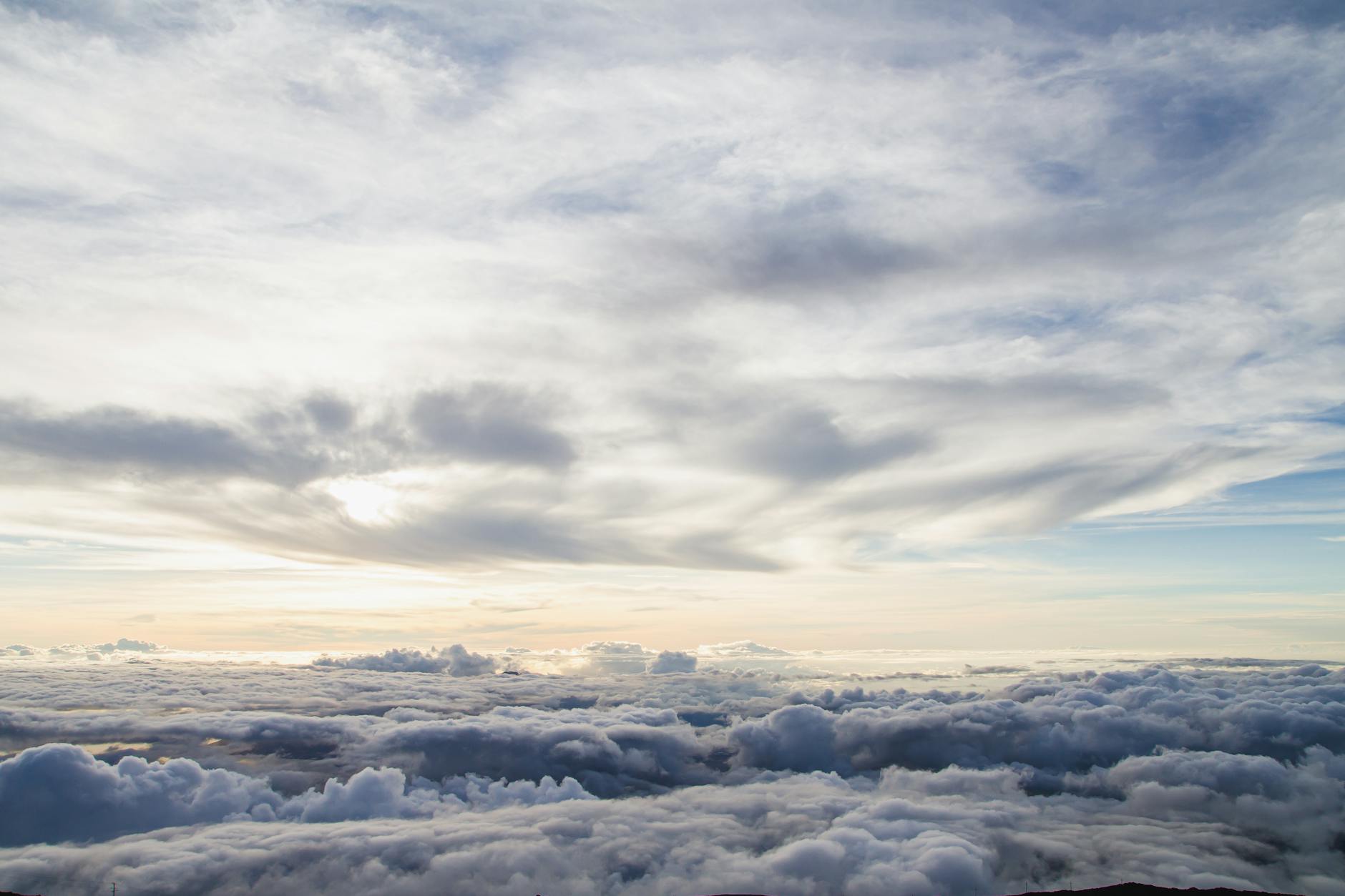
Here's something that surprises first-time Hawaii photographers: a lot of the famous beaches face the wrong direction for sunset. The windward coasts that give you those incredible sunrises are looking east, which means at dusk you're shooting into the land, not the ocean. Get the geography right and you'll come home with the sun dropping cleanly into the Pacific. Get it wrong and you'll watch the sky behind you light up while your camera points at shadow.
After a lot of trips and a lot of blown sunsets, these are the spots on each island I actually rely on, plus the technique that turns a pretty sky into a finished image. If you want the dawn equivalent, see our best Hawaii sunrise spots — together they bookend a shooting day.
Oahu
- Ko Olina lagoons (leeward/west side): Calm, west-facing man-made lagoons with palms and clean water for reflections. The most reliable, family-friendly sunset on the island.
- North Shore (Haleiwa, Sunset Beach): West-facing and dramatic. In winter you can layer a sunset sky over breaking surf — a 200mm-plus lens gets you the wave-and-sun compression.
- Waikiki / Magic Island: Faces southwest. The Magic Island lagoon at Ala Moana gives you a foreground, Diamond Head to the left, and boats on the water. Crowded but it works.
For the full island loop including where to be at midday, see the Oahu photography locations guide.
Maui
West Maui is, for my money, the best sunset coast in the state because you're not just shooting the sun — you're shooting it behind the silhouettes of Lanai and Molokai.
- Kapalua and Napili: West-facing bays with rocky foregrounds for long exposures and island silhouettes.
- Lahaina / Olowalu coast: Open water sunsets with the West Maui Mountains catching alpenglow behind you. In winter, humpbacks sometimes breach into the golden light.
- Wailea / Big Beach (south): More southwest-facing, with the Makena cinder cone as a foreground anchor.
The full island breakdown is in the best Maui photography spots guide.
Big Island
The Kona (west) coast is the Big Island's sunset side and one of the few places in Hawaii with consistently unobstructed ocean sunsets. Try the Kailua-Kona seawall, the historic grounds at Pu'uhonua o Honaunau, or any of the resort-row points. The dry climate means fewer rained-out evenings than the Hilo side. More context in the Big Island photography guide.
Kauai
The wetter island still has dependable dusk spots on the drier south and west sides:
- Poipu / Spouting Horn: A blowhole erupting against a sunset sky is a Kauai signature.
- Polihale (west end): The longest beach in the state, facing straight into the sunset with the start of the Na Pali cliffs to the north. Remote, sandy access — check conditions. See the Kauai photography guide for the full picture.
Sunset spots at a glance
| Island | Top spot | Why | Best season |
|---|---|---|---|
| Oahu | Ko Olina / North Shore | West-facing, reflections + surf | Year-round / winter surf |
| Maui | Kapalua, Lahaina | Island silhouettes | Winter (whales) |
| Big Island | Kona coast | Open ocean, dry climate | Year-round |
| Kauai | Poipu, Polihale | Blowhole, longest beach | Summer (drier) |
Technique: don't just shoot the sun
The most common mistake is treating sunset as a single moment. The light keeps giving for 30–40 minutes.
- Stay for blue hour. The richest color often arrives 10–20 minutes after the sun disappears, when the sky goes from orange to deep magenta and blue. A tripod lets you keep shooting as it darkens.
- Use a polarizer carefully. It deepens the sky and cuts glare, but rotate it off-axis near the sun or you'll get uneven darkening.
- Bracket your exposures. The dynamic range between a bright sky and a dark foreground is huge. Bracket and blend, or use a graduated ND.
- Find a foreground. Bare horizon sunsets are forgettable. Anchor the frame with a palm, lava rock, a tide pool reflection, or a silhouetted figure.
Tip: Check the cloud forecast, not just the sunset time. A partly cloudy sky is what you want — clouds catch and scatter the color. A totally clear sky often produces a flat, boring sunset, and a fully overcast one gives you nothing.
The green flash, and other bonuses
Hawaii's clean ocean horizon is one of the few places I've reliably caught the green flash — the brief green sparkle as the sun's last sliver dips below the water. It needs a crystal-clear horizon (no clouds at sea level) and a bit of luck. Shoot a fast burst at high shutter speed in the final two seconds and check your frames; you'll catch it more often than you'd think. A telephoto helps fill the frame with the disappearing disc.
Don't forget to turn around, either. As the sun sets in the west, the eastern sky often glows pink — the "Belt of Venus" — and on Maui or the Big Island the mountains behind you can catch a beautiful alpenglow. Some of my favorite "sunset" frames are actually shot looking inland.
Working the whole transition
A sunset shoot is really three shoots in one, and I shift gear as it progresses:
- Pre-sunset (golden hour): Warm side light on foregrounds, long shadows, people and palms backlit.
- The set itself: The disc on the horizon, silhouettes, the green flash.
- Blue hour: Tripod down, longer exposures, smooth water, city or resort lights starting to glow against the deepening blue.
Stay for all three and you leave with a varied set instead of ten near-identical frames of an orange ball.
Gear and planning
A tripod, a polarizer, and an ND filter cover almost every sunset scenario; our travel photography gear starter pack lists exactly what I carry. For composition fundamentals that apply directly here, the golden hour photography guide is worth a read before your trip.
A note on drones and respect
Sunset is prime drone hour, but Hawaii restricts flying in state parks, near airports, and in many of the exact spots above. Check the Hawaii drone laws guide before you launch, and never fly over crowds at a busy sunset beach.
Reading the conditions like a local
After enough blown and brilliant sunsets, I've stopped trusting the calendar and started reading the sky in the hour beforehand:
- High thin clouds = jackpot. Cirrus and altocumulus high in the atmosphere catch the last light long after the sun is down and glow in pinks and reds. That's the setup you want.
- A solid cloud bank on the horizon = the sun disappears early. The disc vanishes behind the bank well before "official" sunset, but don't leave — the bank's underside often lights up spectacularly minutes later.
- Vog (volcanic haze) on the Big Island can mute or, conversely, deepen sunset colors. It's unpredictable, but a hazy Kona evening sometimes produces the richest reds.
- Wind matters for foregrounds. Calm evenings give you mirror-still tide pools and lagoons for reflections; windy ones push you toward long exposures to smooth the chop.
A simple Hawaii sunset workflow
If you want a repeatable approach for any island:
- Arrive 45 minutes early. Scout the foreground, set the tripod, and check the sun's exact set point with a compass app.
- Shoot golden hour — backlit palms, people, warm side light.
- Lock exposure for the sky as the sun nears the horizon; bracket if the foreground goes dark.
- Wait out blue hour. The 15–20 minutes after the sun is gone are usually the best frames of the night.
- Review and adjust white balance later in RAW — auto WB often cools sunset color too much.
Get the direction right, stay through blue hour, and put something in the foreground — that's 90% of a great Hawaii sunset frame. If you'd rather hang a finished one on the wall, several of these are available as prints and across the full gallery, and you can see how they fit the islands on the Hawaii destination hub.
Bring the trip home
Every photo on York Adventures is shot on location and available as a fine-art print. Browse the gallery to find a frame for your wall.
Stay in the Loop
Get new photos, stories & exclusive deals straight to your inbox.
Related Posts
Oahu Photography Locations: Sunrise to Sunset
Oahu packs more photogenic variety into one island than people expect. Here's a full day, from a Lanikai sunrise to a North Shore sunset, with the parking and timing that actually work.
Haleakalā Sunrise Guide: Reservations, Timing & Photos
How to book the Haleakalā sunrise reservation, when to actually arrive, what to wear at 10,000 feet, and how to photograph the cloud sea before the crowd does.
Hawaii Waterfall Photography: Where to Shoot and How
Hawaii's waterfalls are deceptively hard to photograph well — spray, contrast, and crowds all conspire. Here's where to find the best falls and the exact settings I use to shoot them.