Oahu Photography Locations: Sunrise to Sunset
Reviewed for accuracy on Jun 12, 2026
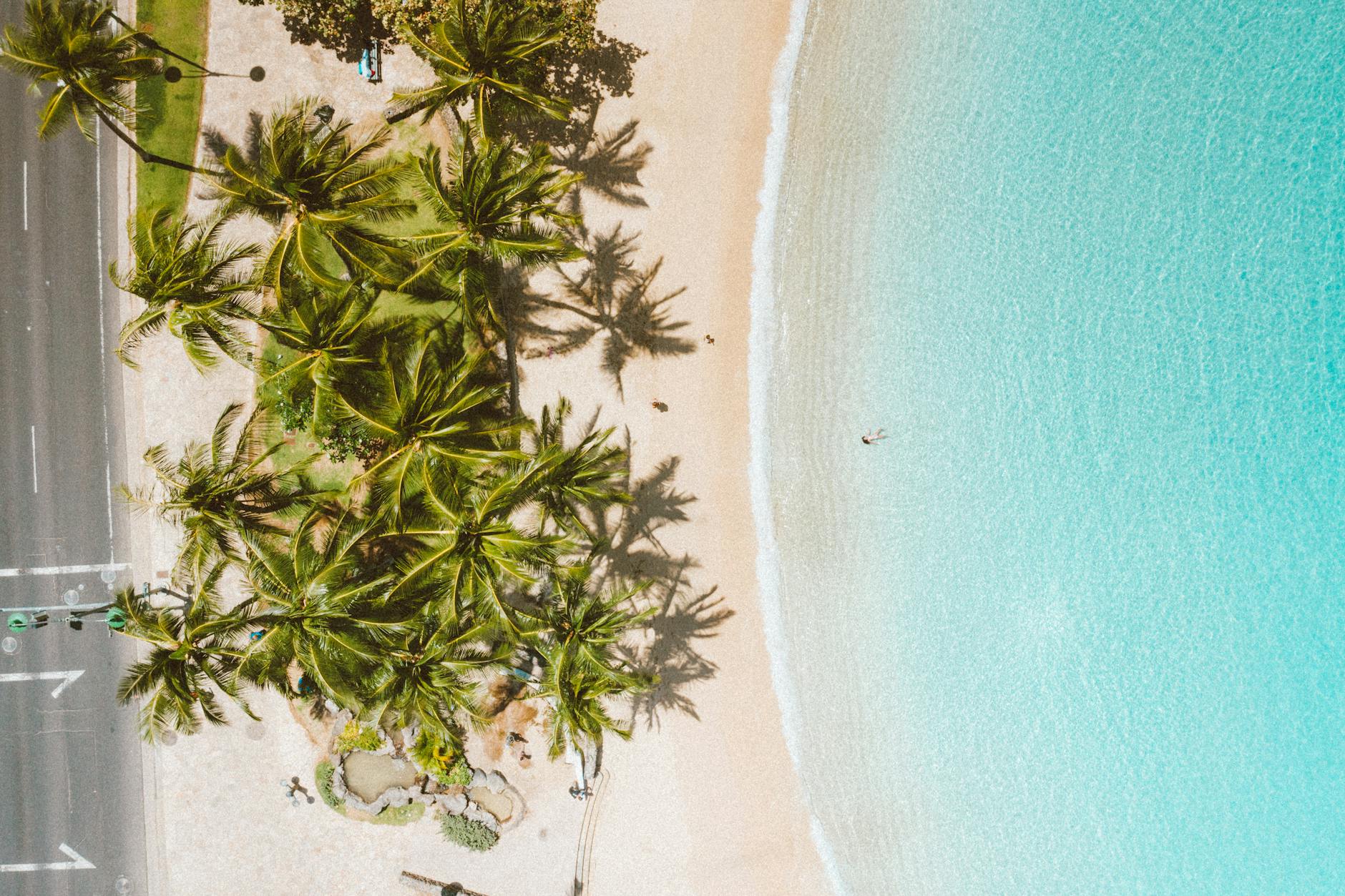
Oahu gets dismissed by photographers who only see Waikiki, and that's a mistake. The most-developed Hawaiian island is also the most efficient one to shoot. In a single day you can catch a windward sunrise over the Mokulua islands, work the dramatic Ko'olau ridgeline at midday, and end on a North Shore beach as the sun drops into the Pacific. The whole loop is a couple of hours of driving.
I've shot Oahu on layovers, on dedicated trips, and on the front end of multi-island runs. Here's how I'd spend a full day with a camera, sunrise to sunset, plus the spots worth a return.
Sunrise: the windward (east) side
The east-facing windward coast is where Oahu's light starts.
Lanikai Beach and the Pillboxes
Lanikai is the postcard — powdery sand, ridiculous turquoise water, and the twin Mokulua islands sitting offshore exactly where you'd want them in a sunrise frame. The beach is roadside (park in the residential streets, respect the no-parking signs, and be quiet — people live there).
For elevation, the Kaiwa Ridge "Pillbox" hike climbs to old WWII bunkers with a clean view down the coast. It's a 20–30 minute pre-dawn scramble, so bring a headlamp and shoot the blue hour from the top.
Tip: At Lanikai, the best color is often 15–20 minutes before the published sunrise time, when the sky behind the Mokuluas goes pink but the sun hasn't blown out the highlights. Have your composition locked before then.
Makapu'u and the windward lookouts
Further south, the Makapu'u Lighthouse trail and the Halona Blowhole pullouts give you rugged volcanic coastline with morning light raking across it. For more dawn options across the islands, see the best Hawaii sunrise spots.
Midday: ridgelines, city, and Pearl Harbor
Harsh midday light is when I move inland or to subjects that don't depend on golden hour.
- The Ko'olau Range from the Nu'uanu Pali Lookout or the H-3 corridor gives you those impossibly green, fluted cliffs. Overcast actually helps — it saturates the green and softens the contrast.
- Diamond Head summit offers the wide Waikiki view, but it needs an advance reservation now and bakes at midday. I often prefer shooting Diamond Head as the subject from Kaimana Beach.
- Pearl Harbor is a reflective, somber subject best handled with restraint; our Pearl Harbor half-day guide covers timing and what photography is and isn't appropriate at the memorial.
Afternoon and sunset: the North Shore and west side
Both the North Shore and the leeward (west) coast face west, so this is where the day ends.
North Shore
In winter (roughly November–February), the North Shore is a surf-photography mecca — Pipeline, Sunset Beach, and Waimea Bay produce waves measured in stories. A 400mm from the sand, a fast shutter (1/2000+), and patience get you the shot without a water housing. In summer those same beaches go glassy and calm, which is better for turtles at Laniakea and clean seascapes.
Haleiwa town gives you a relaxed, golden-hour-friendly harbor and the iconic rainbow-bridge frame.
West side (Ko Olina and beyond)
The leeward coast is the driest, sunniest part of the island and its lagoons make for clean, uncrowded sunset reflections. It's also the gateway to some of Oahu's best snorkeling — see the best snorkeling spots in Hawaii if you're packing a housing.
Underrated Oahu spots most visitors skip
Once you've done the headline locations, these reward a second day:
- China Walls (southeast): A dramatic lava shelf where waves crash up the rock face. Best on a moderate swell; never turn your back on the ocean here.
- Byodo-In Temple (windward): A replica Japanese temple against the Ko'olau cliffs — reflections in the koi pond at opening, before tour buses arrive.
- Kualoa / Chinaman's Hat: The classic windward foreground islet, gorgeous at sunrise with the fluted mountains behind.
- Tantalus / Round Top Drive: A winding road to a lookout over Honolulu, Diamond Head, and the harbor — the city's best blue-hour cityscape, and a quiet spot for star trails on a clear night.
Tip: Oahu's H-1 and the Pali Highway clog badly in rush hour. I plan to be out of the urban core before 7 AM and after sunset, and use the windward and North Shore as my daytime base to avoid losing hours in traffic.
How many days does Oahu need?
You can hit the highlights in two full days if you're efficient and follow the sun-direction loop. Three or four lets you absorb a rained-out windward morning, add the underrated spots, and shoot the North Shore properly in winter swell. If Oahu is one leg of a bigger trip, the multi-island Hawaii itinerary helps you balance days, and the Hawaii rental car guide is worth reading — TheBus is decent, but a car makes the sunrise-to-sunset loop realistic.
Oahu shooting day at a glance
| Time | Location | Subject | Direction |
|---|---|---|---|
| Pre-dawn | Lanikai / Pillboxes | Mokulua sunrise | East |
| Mid-morning | Makapu'u, windward coast | Volcanic coastline | East/South |
| Midday | Ko'olau, Pali Lookout | Green ridgelines | Inland |
| Afternoon | North Shore (winter surf) | Waves, turtles | North/West |
| Sunset | Ko Olina / Haleiwa | Lagoons, harbor | West |
Gear notes for Oahu
You don't need much, but you need the right few things:
- Wide zoom (16–35mm) for beaches, ridgelines, and the Pillbox views.
- Telephoto (100–400mm) for surf, whales (winter), and compressing Diamond Head.
- Circular polarizer — non-negotiable for cutting glare on that turquoise water.
- ND filter for smoothing wave wash at the blowholes and on the North Shore.
For a fuller kit discussion, our travel photography gear starter pack and best travel cameras for 2026 both apply directly here.
Practical cautions
- Drones are restricted across much of Oahu — state parks, near the airport, and many beaches. Read the Hawaii drone laws guide before you launch.
- Respect residential areas. Lanikai and the windward neighborhoods are people's homes. Park legally, keep noise down, and don't block driveways for a sunrise.
- Winter North Shore waves are deadly. Shoot them from a safe distance. Every year people get swept off rocks chasing a frame.
Oahu by season
The island shoots year-round, but the calendar changes the menu:
- Winter (November–February): Giant North Shore surf, the pro contests, humpback whales offshore, and lush green mountains after the rains. Trade-off: more frequent windward showers and bigger crowds at the surf breaks.
- Spring and fall shoulders: My favorite — mellow crowds, mostly calm seas, and reliable light. Good all-rounder windows for the full sunrise-to-sunset loop.
- Summer (June–August): Calm, glassy North Shore for turtles and clean water, peak visitor numbers, and the haziest midday light. Great for snorkeling and reflections, less so for surf drama.
What I pack for an Oahu day
Because you're covering so much ground and light, the bag stays lean but specific: a wide and a telephoto zoom, a polarizer, an ND filter, a small travel tripod for blue hour, a microfiber cloth for sea spray, and plenty of water. I leave the heavy stuff in the car and carry only what each location needs. The full kit logic is in the travel photography gear starter pack, and body recommendations are in best travel cameras for 2026.
Oahu rewards photographers who follow the sun around the island: east at dawn, inland at noon, west at dusk. Do that loop once and you'll stop thinking of it as just the Waikiki island. If you'd rather collect a finished image than chase the light yourself, several Oahu frames live in the prints shop and the wider gallery, and you can see how Oahu fits the rest of the state on the Hawaii destination hub.
Bring the trip home
Every photo on York Adventures is shot on location and available as a fine-art print. Browse the gallery to find a frame for your wall.
Stay in the Loop
Get new photos, stories & exclusive deals straight to your inbox.
Related Posts
Best Hawaii Sunset Spots for Photographers
Most Hawaiian coasts face the wrong way for a clean ocean sunset. These are the spots on each island that actually deliver the sun dropping into the Pacific — with timing and lens notes.
Haleakalā Sunrise Guide: Reservations, Timing & Photos
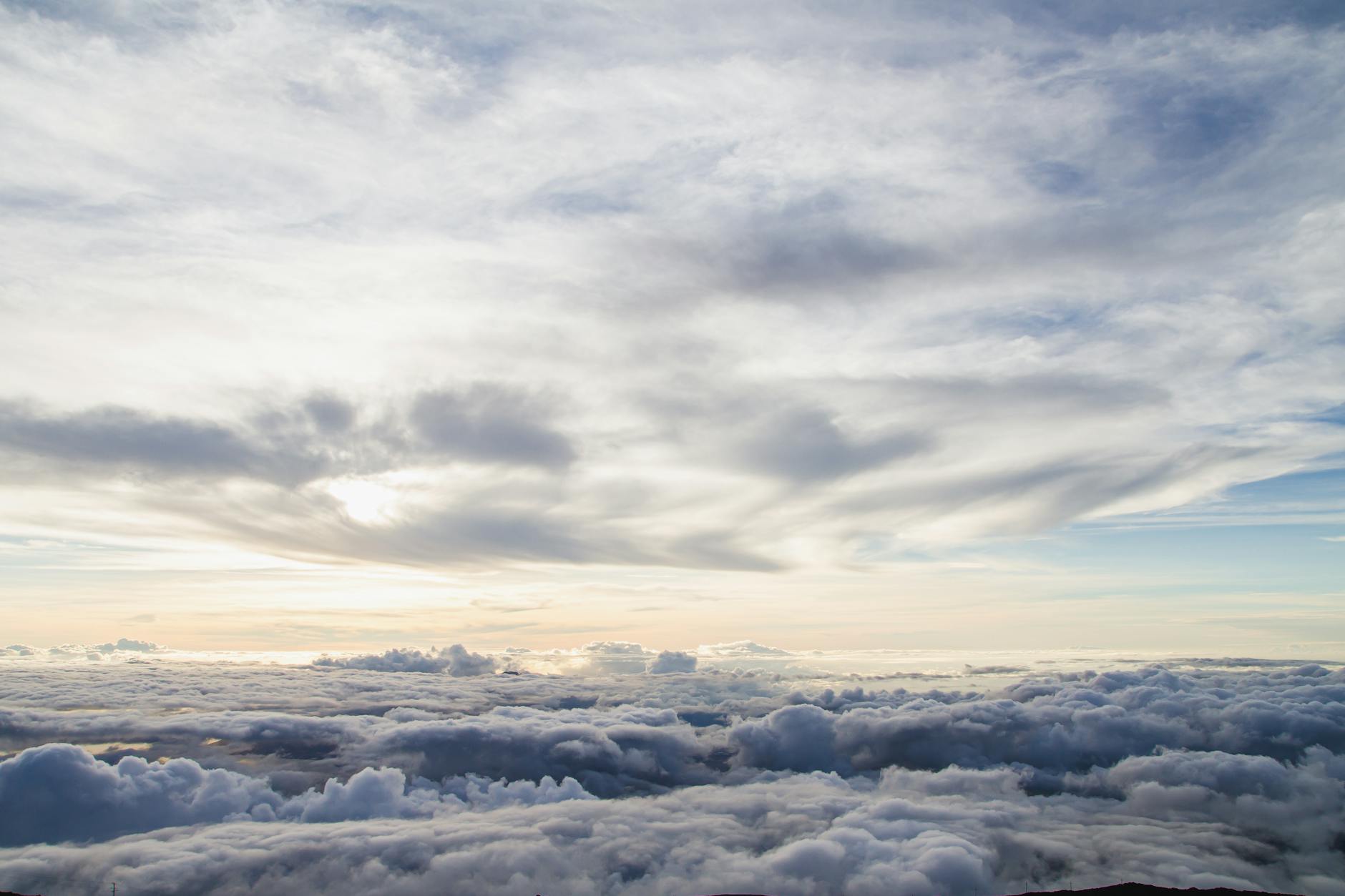
How to book the Haleakalā sunrise reservation, when to actually arrive, what to wear at 10,000 feet, and how to photograph the cloud sea before the crowd does.
Best Maui Photography Spots: A Location Guide
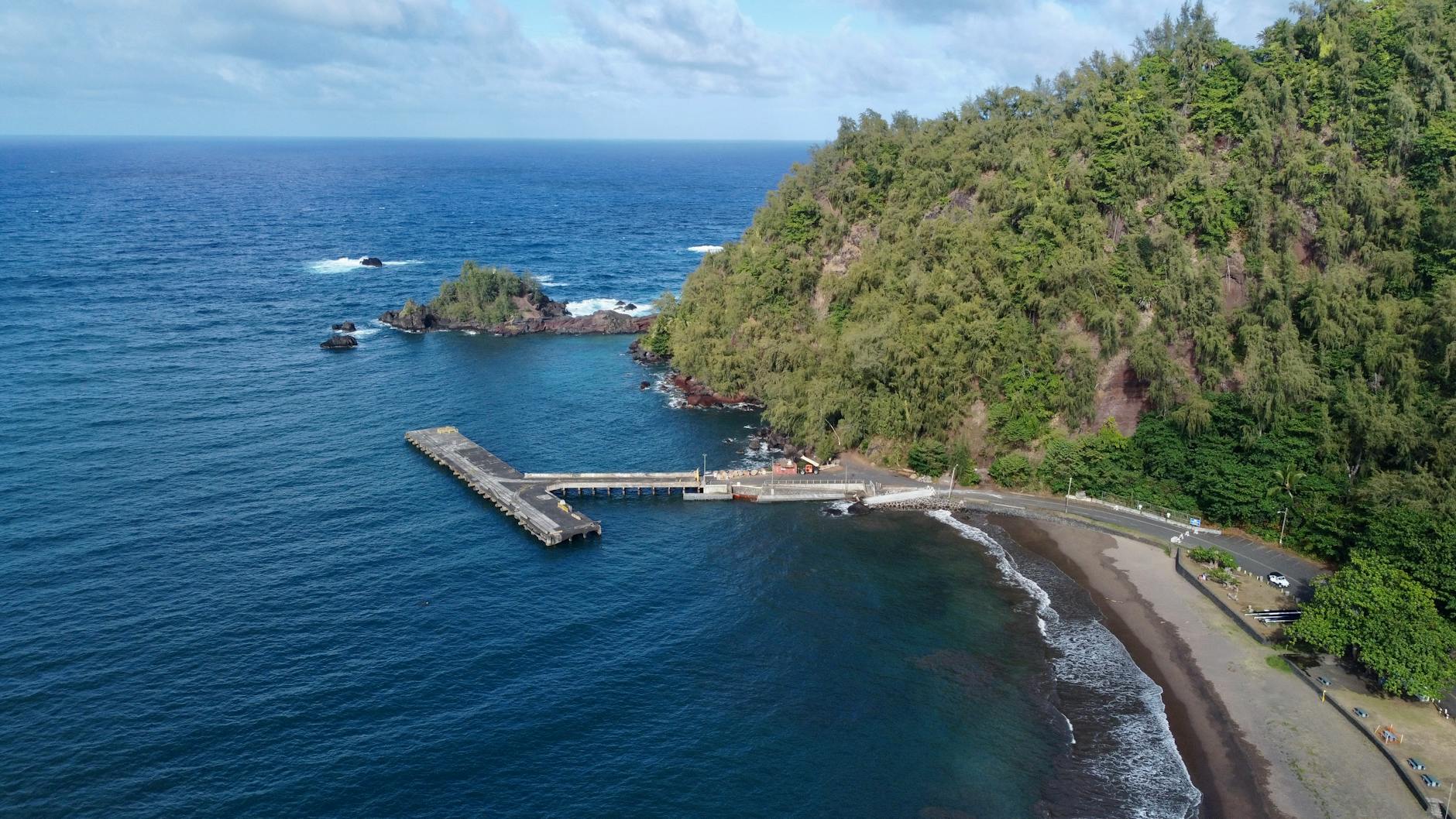
After five trips to Maui with a camera bag, these are the locations that consistently deliver — plus the timing, parking, and lens notes that make or break each one.