Best Travel Cameras for 2026: My Picks From a Year of Real Trips
Reviewed for accuracy on Jun 15, 2025
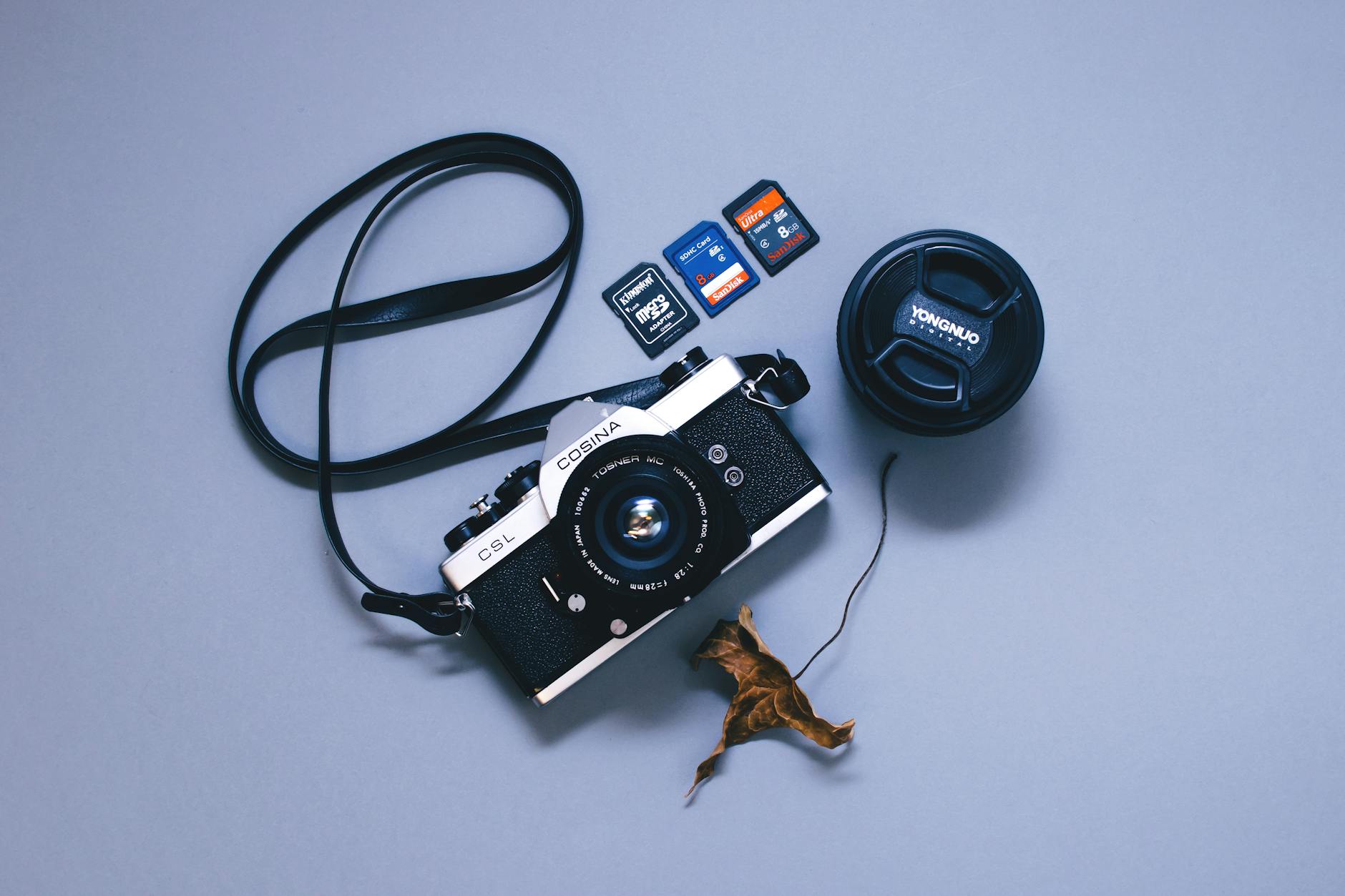
I get asked some version of "what camera should I take on my trip" almost every week, and for a long time I gave the lazy answer: whatever you already own. That's still true at the bottom of the budget. But once you're spending real money, the body you pick changes how often you actually take it out of the bag, and that's the only metric that matters.
This isn't a spec sheet roundup. These are the cameras I actually traveled with in the last twelve months — Hawaii, Mexico, Thailand, New York winter, Baja in summer — and how each one held up when the conditions got weird.
How I actually evaluate a travel camera
A few things I weigh more than reviewers usually do:
- One-handed operability. If I can't change ISO and exposure compensation without taking my eye off the viewfinder, I'll miss the shot. This is mostly about dial placement.
- Battery life that survives a full shooting day. Mirrorless cameras eat batteries. I want at least 400 real-world frames per charge plus a spare in the bag.
- Weather sealing that I trust. Riviera Maya humidity, Hawaii salt spray, Bangkok afternoon storms. If I'm afraid to use the camera, the camera is wrong.
- Lens ecosystem. A great body with a thin lens lineup is a trap.
- Weight at the end of a 12-hour day. Specs feel different at 6 PM than at 8 AM.
Best mirrorless full-frame: Sony A7IV
The Sony A7IV is my workhorse and the camera that lives in my bag by default. After a year of swapping it in and out for newer bodies, I keep coming back. The 33-megapixel sensor gives me enough room to crop hard for prints without going to medium format pricing. The autofocus on Eye AF is genuinely freakishly good — I shot a friend's wedding with it as a B-camera and it nailed focus in moving subjects faster than I could on the A1 next to me.
Pair it with the Sigma 24-70 f/2.8 DG DN Art (the second version) and you have a kit that covers 80% of travel scenarios for under $3,500 total. I add the Sony 35mm f/1.8 as my walkaround prime when I want a lighter rig.
What I'd change: the menu system is still a UX disaster, even after Sony's update. You'll spend a weekend in the menu before your first trip; budget for it.
Best APS-C: Fujifilm X-T5
If I were starting over today and didn't already have a closet of Sony glass, I'd buy the Fuji X-T5 without hesitation. The 40-megapixel APS-C sensor is the sharpest crop sensor on the market, the dial-driven body design means I never look at a menu, and the film simulations save me hours in Lightroom for travel work where I want a finished JPEG straight out of camera.
I took it to Kauai for a week as a "second body" and ended up shooting 70% of the trip on it. The X-T5 with the 16-55 f/2.8 is lighter than the A7IV with a 24-70, which matters more on day eight than day one. Battery life is the weakness — bring three.
Classic Chrome, Acros, and Reala Ace get the most use from me. If you've never shot with film simulations, you'll roll your eyes until you actually try them, and then you'll wonder how Sony shipped its UI.
Best compact: Ricoh GR IIIx and Fujifilm X100V (or VI)
Compacts are the cameras you actually have on you, which is the whole point. Two I rotate between:
- Ricoh GR IIIx — 26mm equivalent f/2.8 lens, APS-C sensor, fits in the front pocket of jeans. The snap-focus mode and the deep custom menus mean it's a real photographer's compact, not a soccer-mom point-and-shoot. I bring it to dinner. I bring it to the beach. It's never not in the bag.
- Fujifilm X100V (or the X100VI if you can get one — the queue is biblical) — 35mm equivalent f/2 lens, hybrid optical/electronic viewfinder, and the same film sims as the X-T5. The X100 line is the most copied camera design of the last decade for a reason.
If you're going to buy one compact, the GR IIIx is the better photographer's tool. The X100 is the better all-around camera, and arguably the only camera you'd ever need for casual travel.
Best phone-as-camera: iPhone 15 Pro / Google Pixel 8 Pro
I'm not above this and neither should you be. The phone in your pocket is a competent travel camera now, especially for daylight scenes, environmental portraits, and anywhere a bigger camera is going to make people self-conscious.
- iPhone 15 Pro — shoot in ProRAW, edit in Lightroom Mobile. The 48-megapixel main sensor gives you real cropping room, and the 5x telephoto on the Pro Max is genuinely usable.
- Pixel 8 Pro — Google's computational photography is still a half-step ahead in low light and tricky mixed lighting. If you're shooting JPEG and not editing, it's the better phone.
Phones still fall apart in low light below a streetlight, anything moving fast, and any scene with extreme dynamic range. They are not a replacement for a camera. They're a complement.
Best for video: Sony FX30 (or A7IV again)
If I'm shooting any meaningful amount of video, I bring the Sony FX30 — the cinema-line APS-C body with the active cooling fan, full-size HDMI, and the Cine EI gamma. It's the cheapest body that doesn't overheat on a long take in the Yucatán sun, and I've never lost a clip to thermal cutoff.
For mixed photo-and-video days where I'm not willing to carry two bodies, the A7IV holds its own at 4K 60p with a slight crop. It's not a dedicated video camera, but it's enough for B-roll and travel reels.
What I'd do differently
If I were buying my first travel camera today with no existing system, I'd buy a Fuji X-T5 with the 16-55 f/2.8 and one prime — the 23mm f/1.4 or the 35mm f/1.4. That's a complete kit for under $3,000 that will make you a better photographer and won't make you hate carrying it.
If you already shoot Sony or Canon, stay there. Switching systems is a tax most travelers don't recoup.
The single biggest upgrade most travelers can make isn't the body — it's a better lens and the discipline to actually use the camera. I cover the rest of the kit in my travel photography starter pack, and once you've got the gear sorted, my golden hour guide is where the actual photo-making starts.
Final thoughts
Don't pick the camera you'd post on Reddit. Pick the camera you'll carry on day eight, when you're tired, the light is good, and the only question is whether the bag is on your shoulder or back at the hotel. That decision is the whole game.
Bring the trip home
Every photo on York Adventures is shot on location and available as a fine-art print. Browse the gallery to find a frame for your wall.
Stay in the Loop
Get new photos, stories & exclusive deals straight to your inbox.
Related Posts
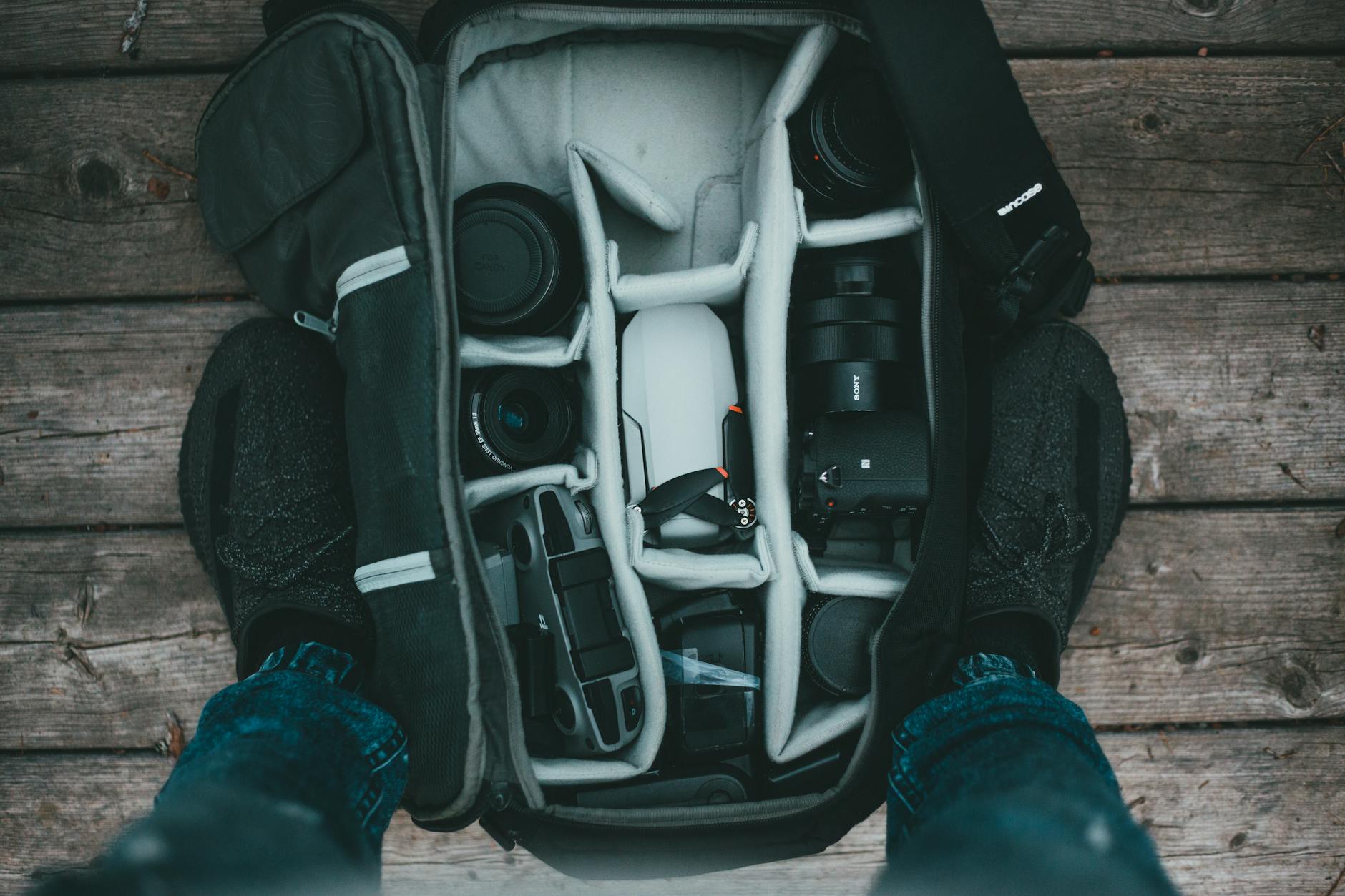
Travel Photography Starter Pack: Gear I'd Buy on a Real Budget
If I were starting over with $1,500–$2,500, here's the exact kit I'd build — bodies, lenses, tripod, bag, and the boring accessories that actually decide whether you carry the camera.
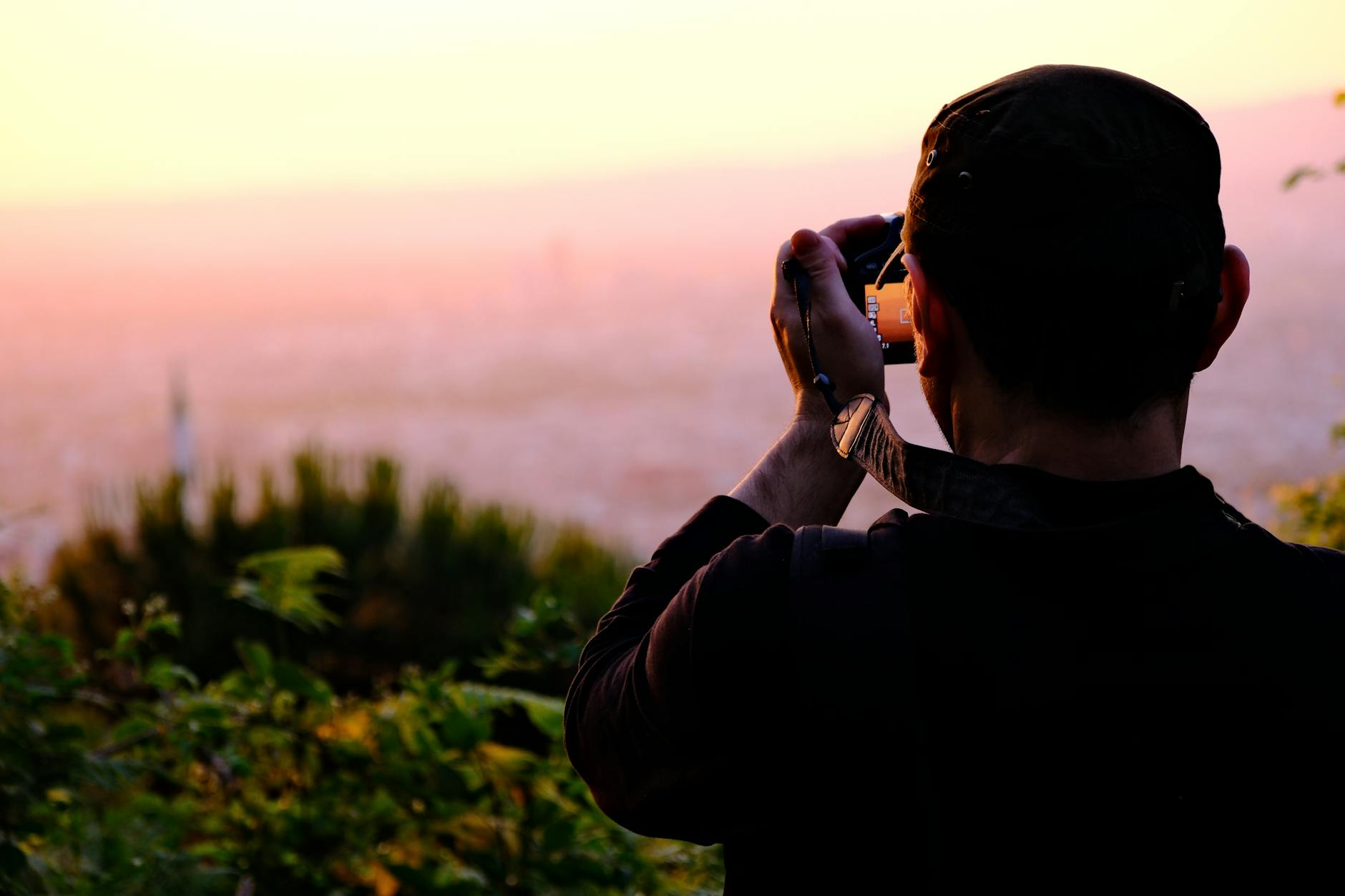
How to Shoot Golden Hour: A Travel Photographer's Practical Guide
Golden hour isn't really an hour, and most of what you read about shooting it is wrong. Here's how I actually plan, scout, and shoot it on real trips.
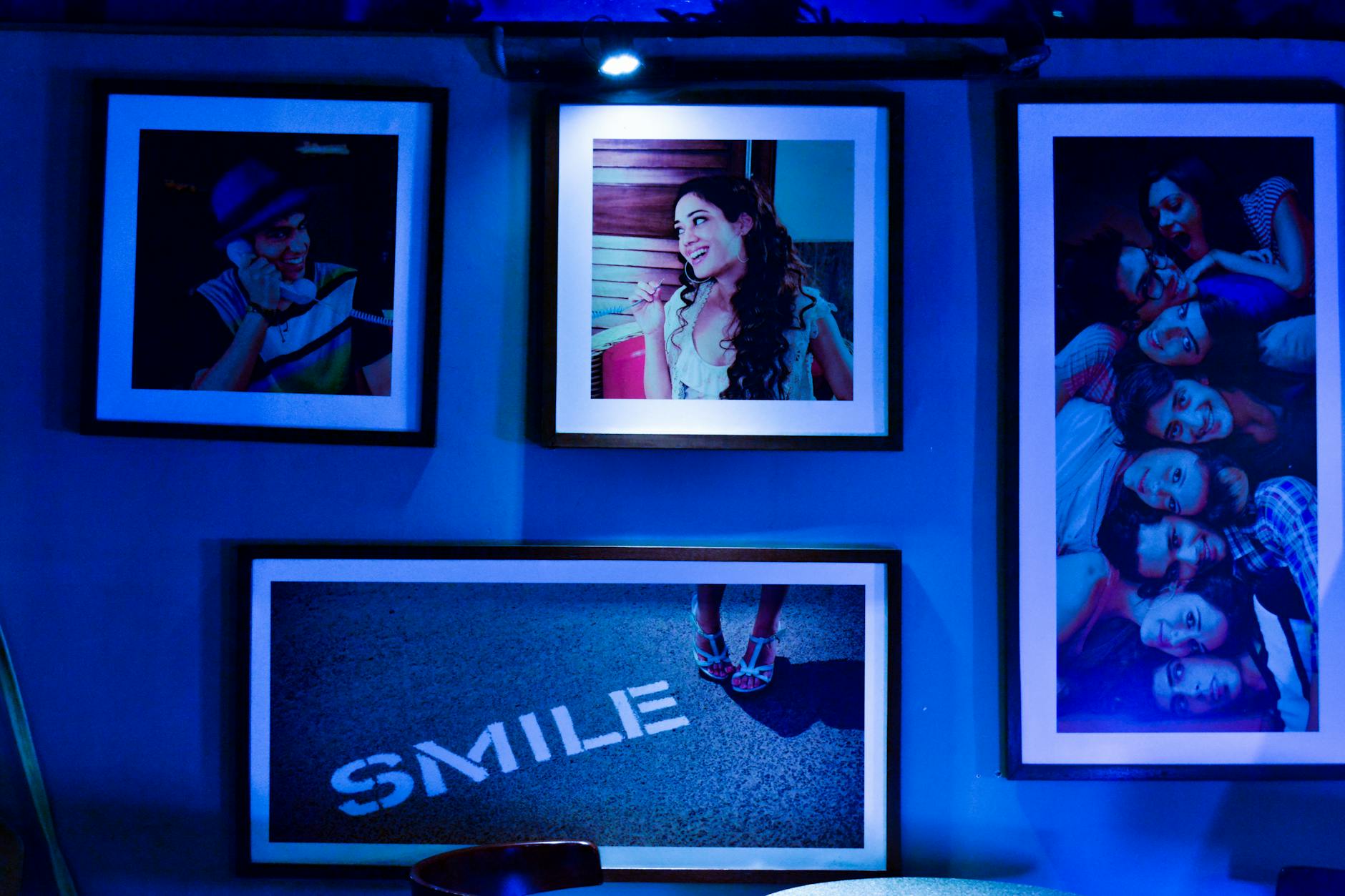
Buying Travel Photo Prints: A Sizing Guide That Saves You Money
How to pick the right print size for the wall you actually have, what aspect ratios actually work for travel photos, and the DPI trap that costs people money.