Hawaii Rental Car Guide: What I Wish I'd Known the First Time
Reviewed for accuracy on Aug 25, 2025
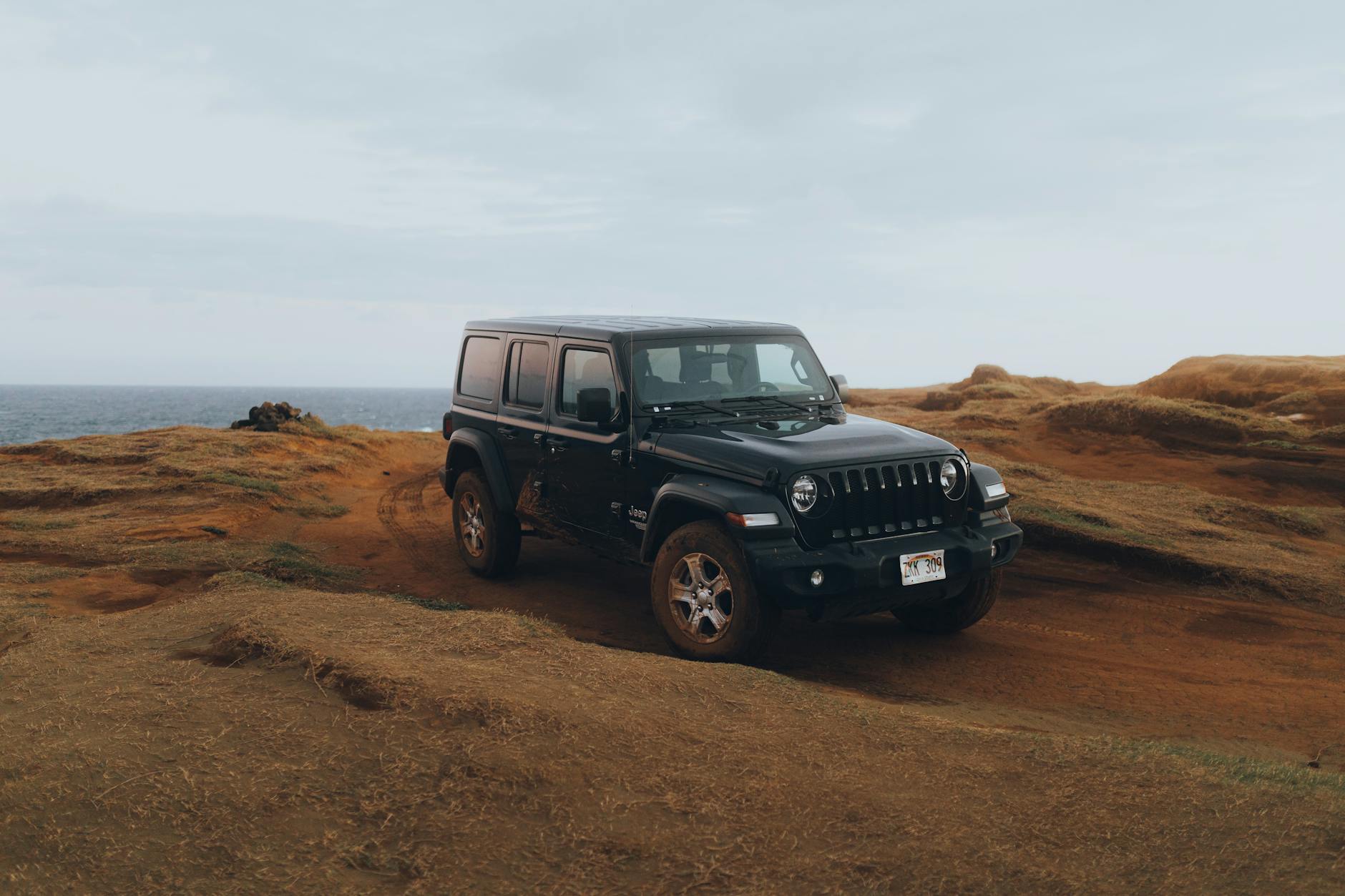
Renting a car in Hawaii feels straightforward until it isn't. The first time I did it, I booked at the airport, paid for the loss-damage waiver out of paranoia, and then drove a forbidden road in a Mustang convertible that the contract specifically excluded. Two of those three were mistakes. Let me save you the same lessons.
This is what I've learned across roughly twenty Hawaii rentals on four islands. Some of it is obvious. Some of it isn't. The non-obvious bits are what cost real money.
Yes, you need a rental car
A reasonable question: do you actually need a rental? On Oahu, maybe not — Honolulu and Waikiki are walkable, and TheBus actually works for some routes. On every other island, yes. Maui, Kauai, and the Big Island all spread out far enough that a car isn't optional unless your entire trip is at one resort.
If you're parked at a single Wailea or Kaanapali resort and don't plan to leave, you can skip the car and Uber. But the second you want to do the Road to Hana, get to Hanalei, drive to Volcanoes National Park, or chase sunrise at Haleakala — you need wheels.
Where to actually book
The cheapest reliable rentals I've found, in order:
- Costco Travel — consistently 20-30% cheaper than booking direct, and includes a second driver free. The downside: changes and cancellations are slightly clunkier than booking direct. Worth it.
- AutoSlash — a rate-watcher that re-prices your existing reservation if a deal drops. Set it and forget it.
- Booking direct with Hawaiian-airlines partners if you have status. Hawaiian's partnership rates can occasionally beat Costco.
- The airport counter — the most expensive option by far. Don't.
I've never gotten a meaningfully better deal from third-party aggregators (Kayak, Expedia) than I have from Costco for Hawaii specifically. The market is what it is.
Airport vs. off-airport pickup
This is the move that's saved me the most money over time. The Big Three airports — HNL, OGG, LIH — all have on-airport rental car centers, and those centers add a "concession recovery fee" of around 11-12% on top of the rate. Off-airport locations don't have that fee.
On the Big Island, Discount Hawaii Car Rental aggregates a couple of small off-airport operators near KOA who'll shuttle you over. On Oahu, there are off-airport locations near the airport that you can reach by Uber for less than the concession fee saves you. On Maui, the off-airport savings are smaller but still real.
Trade-off: an extra 20-30 minutes at pickup. If your trip is 7+ days, easily worth it. For a 3-day trip, maybe not.
The insurance question
The one most people get wrong, including me on my first trip.
If you have a credit card with rental car coverage (most travel-focused cards: Chase Sapphire Reserve, Amex Platinum, certain Capital One cards), it provides primary CDW coverage in Hawaii. That means if you damage the car, you decline the agency's loss-damage waiver and the credit card's coverage handles it.
A few caveats:
- Liability is separate. Your auto insurance policy from home almost certainly extends to a rental car for liability. Confirm with your insurer before the trip.
- Some cards exclude convertibles, exotics, and trucks over a certain capacity. Read your card's benefits guide. Jeep Wranglers are usually fine; full-size pickups sometimes aren't.
- You must decline the rental's CDW for the credit card to be primary. If you accept it, the card coverage becomes secondary or void.
I now decline LDW/CDW at every Hawaii counter and pay nothing for insurance. The Sapphire Reserve has handled two minor scrapes for me without drama. Just confirm your card's coverage before you assume.
The "you can't take this car there" rules
Buried in your rental contract — and I do mean buried — is a list of roads you're not allowed to drive. Take it seriously. The most common no-go zones:
- The back side of the Road to Hana (Maui) — the unpaved section past the Pools of Oheo around to Kahului via Kaupo. Not all rental companies prohibit it now, but many still do.
- The Saddle Road (Big Island) used to be off-limits. It's now paved and fine, but the Mauna Kea Summit Road above the visitor center is forbidden by every major rental agency. Yes, even with a 4WD.
- South Point Road (Big Island) is unpaved past a certain point. The first few miles are fine; further out is at your own risk.
- Polihale State Park access road (Kauai) — unpaved, rough. Most contracts exclude it.
If you damage the car on a forbidden road, your credit card insurance won't cover it either, because most cards exclude off-road damage. Plan accordingly. If you want to do the Mauna Kea summit, book a guided tour — they have authorized vehicles.
Jeep, sedan, or convertible?
Three real options, three real trade-offs.
- Sedan / SUV — what I book 90% of the time. Cheap, easy to park, plenty of cargo. A Corolla or RAV4 will do everything you need.
- Jeep Wrangler — fun, bad on gas, infamous for being the most-stolen rental on Maui. Great for the Hana Highway in convertible mode. The premium isn't worth it unless you specifically want the open-air experience.
- Convertible — the Mustang convertibles you see at every Hawaii rental counter are a vibe but they're impractical. No trunk space for snorkel gear. The wind makes you look 70 by sunset. Skip.
If you're using a Volcanoes National Park day trip, any of the three works. If you're going up Haleakala for sunrise, a sedan is fine; the road is paved and well-maintained.
Gas, parking, and other small things that add up
A few practicalities that always surprise people:
- Gas is expensive. Routinely 50-70 cents per gallon more than mainland averages. Costco gas (where available) is the cheapest, but stations are limited.
- Parking at Waikiki hotels is brutal. Many resorts charge $50-70/night for valet — and offer no self-park option. Factor that into your hotel comparison.
- National Park entrance fees are not paid through your rental. Bring an America the Beautiful pass if you have one — it covers Volcanoes, Haleakala, and Pearl Harbor's USS Arizona Memorial parking.
- Gate codes and beach access: some Maui beach access points have gates that close at sunset. If you're parked inside (Big Beach, certain Kapalua spots), be out before they lock you in.
The TSA Pre-Check trick at small airports
OGG and LIH have a single TSA Pre-Check lane that closes early. If you're returning a rental and flying out at 7 AM or earlier, the regular line can be shorter than the Pre lane that hasn't opened yet. Pay attention to which line is moving.
What I'd do differently
The biggest single thing: I'd commit earlier. Hawaii rental car rates spike 60-90 days out as inventory tightens. Booking 4-6 months ahead is the sweet spot. Costco lets you cancel and rebook for free if rates drop, so there's no downside to locking in early.
Second thing: I'd default to declining the LDW with confidence and use my credit card's coverage. The peace of mind from buying it at the counter isn't worth the extra dollars per day across a long trip.
Third: I'd take the off-airport pickup more seriously on long trips. The first time I tried it on Maui, I saved real money, and it took 25 extra minutes.
For more on logistics across the trip, my Hawaii planning piece covers seasonal timing and packing, and if you're wrestling with the budget side, Hawaii on a budget has the rest of my notes.
Bring the trip home
Every photo on York Adventures is shot on location and available as a fine-art print. Browse the gallery to find a frame for your wall.
Stay in the Loop
Get new photos, stories & exclusive deals straight to your inbox.
Related Posts

The Best Hawaiian Island for First-Timers
If it's your first trip to Hawaii and you can only pick one island, here's the honest answer — plus the runners-up and the one mistake nearly everyone makes.
Maui vs Oahu vs Kauai: Which Hawaiian Island First?
After a decade of trips, here's how Maui, Oahu, and Kauai actually compare for a first visit — by vibe, beaches, food, budget, and the kind of trip you want.
Pearl Harbor in Half a Day: Tickets, Timing, and What to Skip
Pearl Harbor is a sprawling complex with multiple ticketed sites. Here's the realistic half-day plan that hits the essentials without burning a full vacation day.