Big Island Photography: Volcanoes, Black Sand & Star Fields
Reviewed for accuracy on Jun 16, 2026
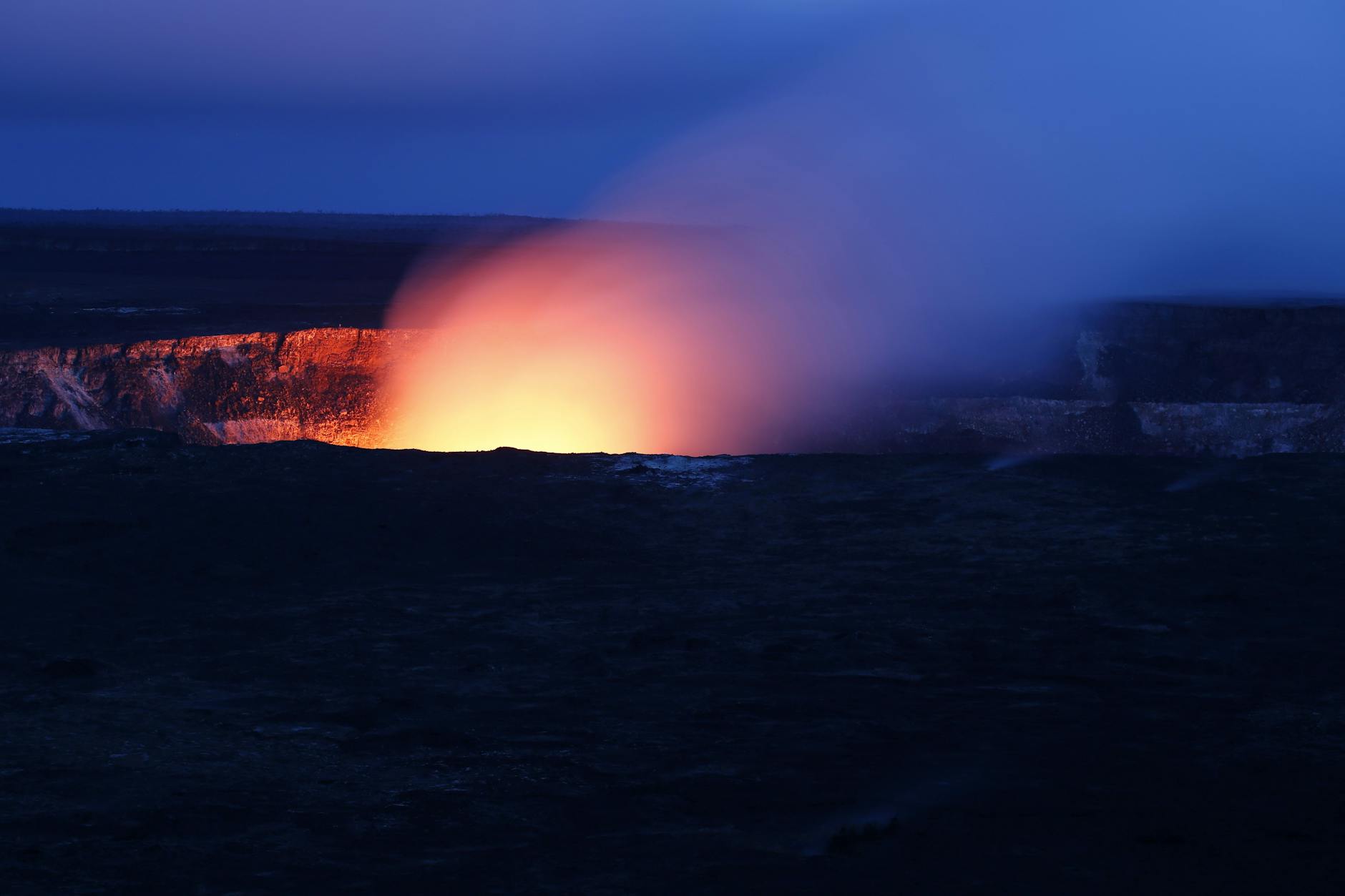
The Big Island doesn't feel like the rest of Hawaii. It's bigger than all the other islands put together, it has eight of the world's climate zones, and it's the only place in the state where you can stand near flowing lava one night and shoot the Milky Way over a snow-dusted volcano the next. For a landscape photographer it's the most rewarding island in the chain — and the most demanding, because the distances are real and the conditions swing hard.
I've shot it across three trips, basing on both the dry Kona side and the wet Hilo/Volcano side. Here's how I'd approach it with a camera.
Hawaii Volcanoes National Park
This is the headline, and it earns it — but manage expectations. Whether there's visible lava depends entirely on Kilauea's current behavior. Always check the USGS Hawaiian Volcano Observatory and the park site before you go.
Shooting the lava glow
When Kilauea is active, the move is to photograph the glow at blue hour and after dark from the designated overlooks (these shift with each eruption, so follow ranger guidance). The trick is balancing the deep red of the glow against the residual blue in the sky — get there before full dark so the sky isn't black.
- Tripod, mandatory. Exposures run from a few seconds to a minute.
- Bring a headlamp with a red mode to protect your night vision and not blow out other people's shots.
- Dress warm; the park sits at ~4,000 ft and gets cold and windy at night.
Tip: The single best frame is often during the 20-minute window when there's still color in the sky and the crater glow is already strong. Scout your composition in daylight so you're not fumbling in the dark.
For a full day-trip rundown of the park itself, see our Volcanoes National Park day-trip guide.
Daytime in the park
Even without lava, the Kilauea Iki crater rim, the steam vents, the Thurston Lava Tube, and the Chain of Craters Road down to the sea arch give you stark, otherworldly compositions. Overcast actually suits the black-rock landscapes.
Black and green sand beaches
The south coast holds two of Hawaii's most unusual beaches.
- Punalu'u Black Sand Beach is roadside and easy. Jet-black sand, coconut palms, and frequently basking green sea turtles. A polarizer cuts the glare off the wet black sand and pops the turquoise water.
- Papakolea Green Sand Beach near South Point is the rarer subject — olivine crystals give the sand a genuine green cast. It's a ~2.5-mile each-way hike (or a bumpy local shuttle). Go early for light and to avoid the brutal midday sun on the exposed trail.
Waterfalls and the Hilo side
The wet eastern (Hilo) side is waterfall country. Rainbow Falls is roadside and best in morning light when the namesake rainbow appears in the mist. Akaka Falls is a short loop trail to a 400-plus-foot drop framed in jungle. Overcast is ideal — it kills the harsh contrast and lets you slow the shutter. For technique, our Hawaii waterfall photography guide covers shutter speeds and dealing with spray.
Dark skies and Mauna Kea
The Big Island's high, dry summits make it one of the premier astrophotography sites on earth. For safety and acclimatization, most photographers shoot from around the Mauna Kea Visitor Information Station (~9,200 ft) rather than the summit. I've written a full, separate breakdown in the Mauna Kea astrophotography guide — read it before you go, because altitude and road conditions are genuinely serious here.
Coffee, coast, and Kona-side sunsets
The dry west side is your sunshine base. Kona's coast delivers reliable sunsets over the water (rare in Hawaii — most coasts face the wrong way for an unobstructed ocean sunset), plus historic sites at Pu'uhonua o Honaunau and clear snorkeling. For broader dusk options across the islands, see the best Hawaii sunset spots.
The Kona side also gives you something unusual: manta rays. Several operators run night manta snorkels and dives off the coast, where lights attract plankton and the rays come in to feed. It's a specialized underwater shoot (you'll need a housing and strong video light), but it's one of the most extraordinary things you can photograph in Hawaii.
Up Mauna Loa and the saddle
Most visitors fixate on Mauna Kea, but the Saddle Road corridor between the two great volcanoes is its own landscape — high-altitude lava plains, sparse and Mars-like, with long sightlines and dramatic cloud play. It's a striking, almost monochrome environment that photographs beautifully in low side light. Note that some rental agreements still flag Saddle Road and the Mauna Kea access road, so check the Hawaii rental car guide and your contract before driving it.
Capturing the climate zones
The Big Island's party trick is its eight climate zones, and a fun personal project is to document the transition in a single day — from the dry, golden Kona coast, up through ranchland and cloud forest, across the stark saddle, and down into the dripping Hilo rainforest. The light, color palette, and even the air change completely. It's the kind of "one island, many worlds" story that sets a Big Island portfolio apart from generic Hawaii coverage.
Tip: Pack for all of those zones in one bag — sun protection for Kona, rain cover for Hilo, and serious warm layers for the volcano summits. I've gone from sweating at sea level to near-freezing on the same afternoon.
Region-by-region cheat sheet
| Zone | Signature subject | Best light | Base nearby |
|---|---|---|---|
| Volcanoes NP | Lava glow, craters | Blue hour / night | Volcano |
| South coast | Black & green sand | Early morning | Naalehu |
| Hilo side | Waterfalls, jungle | Overcast / AM | Hilo |
| Mauna Kea | Stars, Milky Way | After dark | Either side |
| Kona coast | Ocean sunsets, snorkel | Sunset | Kona |
Logistics that actually matter
The Big Island's size is the thing first-timers underestimate. Hilo to Kona is two-plus hours each way; the south point detour adds more. I base on two sides to avoid driving the whole trip. The Hawaii rental car guide is essential reading — some routes (notably Saddle Road and the Mauna Kea access road) have restrictions, and a 4WD matters for the summit. For trip structure, the multi-island Hawaii itinerary helps you decide how many days to give it, and the Hawaii destination hub ties the islands together.
Cautions
- Lava is never guaranteed and conditions change daily. Don't build a trip solely around seeing it. Treat surface lava as a bonus.
- Drones are banned in the national park and restricted elsewhere — see the Hawaii drone laws guide.
- Altitude is real on Mauna Kea. Hydrate, acclimatize, and don't go to the summit straight from sea level.
- The green sand hike is exposed and hot. Carry water; the official lot has no services.
When to go
There's no bad season, but a few patterns help. Summer (May–September) is drier overall and the most reliable for the Mauna Kea night sky and the exposed Kona coast. Winter brings bigger surf, fuller waterfalls on the Hilo side, occasional snow on the summits (a surreal "snow above the tropics" frame), and humpback whales offshore. Vog from Kilauea can drift across the island on any date and affects both visibility and sunset color, so check current conditions.
The Big Island is the one I'd send a landscape photographer to first. Nowhere else can you put lava, black sand, jungle waterfalls, and a star field on the same memory card in a single week. If you'd rather take home a finished volcano or black-sand frame, several are available as prints and across the full gallery, and the Hawaii destination hub ties all the islands together.
Bring the trip home
Every photo on York Adventures is shot on location and available as a fine-art print. Browse the gallery to find a frame for your wall.
Stay in the Loop
Get new photos, stories & exclusive deals straight to your inbox.
Related Posts
Mauna Kea Astrophotography: Shooting the Milky Way in Hawaii
Mauna Kea sits above 40% of the atmosphere under some of the darkest skies on earth. Here's how I shoot the Milky Way there safely — settings, gear, timing, and the altitude rules that actually matter.
Hawaii Waterfall Photography: Where to Shoot and How
Hawaii's waterfalls are deceptively hard to photograph well — spray, contrast, and crowds all conspire. Here's where to find the best falls and the exact settings I use to shoot them.
Nā Pali Coast Guide: Boat, Hike & Helicopter
Three ways to experience Kauai's Nā Pali Coast — by boat, on the Kalalau Trail, or from a doors-off helicopter — compared honestly, with permits, seasons, and photo notes for each.