Sea Trek at Xcaret: Walking on the Ocean Floor — Honest Review
Reviewed for accuracy on Dec 1, 2025
When my mother-in-law announced she wanted to "see fish underwater" but absolutely refused to put her face in the water, I started looking at the optional activities list at Xcaret with fresh eyes. Sea Trek is the program nobody talks about until they need it, and then they can't stop talking about it. I've now done it twice — once with her, once on my own as a curiosity check — and I have a clear-eyed take.
This is what Sea Trek really is, what it costs, and who should and shouldn't book it.
The headline
Sea Trek lets you walk along the bottom of a controlled saltwater inlet wearing a sealed helmet that pumps air down from the surface. You don't need to know how to swim, you don't put your face in the water, and your hair stays dry. The whole experience runs about 25 minutes underwater, costs roughly $70 USD on top of park admission, and is genuinely the only activity I'd put my non-swimmer mother-in-law into without negotiation.
For a confident swimmer it's a novelty. For someone who can't or won't snorkel, it's the difference between watching from the shore and being part of the underwater scene.
What it actually is
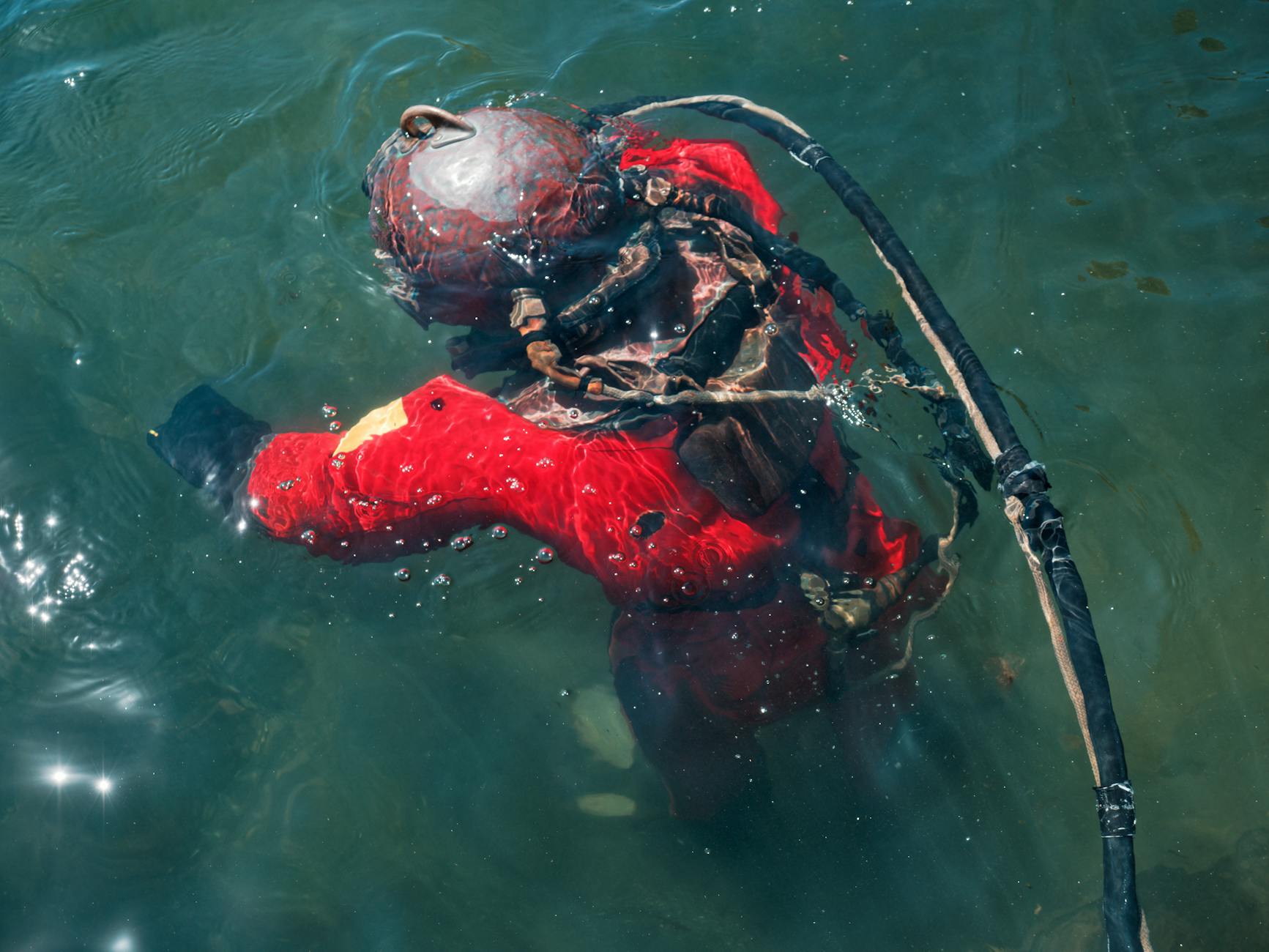
The mechanism is straightforward and a little steampunk. You wear a domed helmet — about 30 pounds, but neutrally buoyant the moment your head goes underwater — connected by a long air hose to a compressor on the surface. Air is pumped continuously into the helmet, and the constant flow keeps water out. You breathe normally. You can talk (sort of) and the people next to you can hear you. Your face stays dry the entire time.
You walk down a short staircase into the water, the helmet is lowered onto your shoulders at the right depth, and you proceed along a marked path on the bottom — usually 8–12 feet deep — at walking pace, holding a guide rope. There's a trained dive guide with you the whole time, plus a safety swimmer overhead.
It is the lowest-skill underwater activity on Earth. That is the whole point.
What you actually see
The Sea Trek route at Xcaret runs through one of the inlets near the snorkel cove and is stocked enough to be genuinely interesting. On both my walks I saw:
- Schools of sergeant majors that came right up to the helmet glass
- French grunts and yellowtail snapper hanging in the water column
- A few parrotfish working the rocks along the route
- Decorative coral and sponges seeded along the path
- Other Sea Trek walkers in the same column, which is its own surreal sight
Visibility on the route is solid (15–25 feet depending on the day) because the path stays out of the high-traffic snorkel area. You're not on a wild reef — you're on a curated underwater walk. But the fish are real and they're not afraid of you.
How it actually feels
This is the part people ask about. Three things stood out both times:
The helmet is heavier than you expect on land and weightless underwater. Walking is slow-motion-easy, like you're on the moon. You take a step, you drift forward a foot, you take another step. There's no resistance from the water because you're moving at a glacial pace.
The sound is the weird part. You can hear yourself breathe, you can hear the air hissing into the helmet, and voices come through muffled but recognizable. My mother-in-law tried to whistle to me from twelve feet away and I heard it. It is not silent in there.
The breathing is normal. There's no equalizing required because the helmet keeps the air pressure inside it close to surface pressure. People who can't equalize for scuba (and there are a lot of them, including me on bad sinus days) can do Sea Trek without issue.
The first time I watched my mother-in-law take her first underwater step, with this huge brass-looking helmet on and a school of fish swimming inches from the glass, she put her hand against the helmet and laughed underwater. That moment alone was worth the seventy bucks.
Who Sea Trek is genuinely for
A short list of who should book this:
- Non-swimmers who want to be in the underwater scene without learning a skill
- Anyone with a fear of putting their face in the water
- People who can't equalize for scuba (sinus issues, ear problems)
- Older guests who can walk fine on land but don't trust their swimming endurance
- Kids 8 and up who are intimidated by snorkeling but love the idea of fish
- People with hair, makeup, or contacts they don't want to deal with after
And who should skip it:
- Strong swimmers who can already snorkel — you'll see more on the snorkel cove for free with park admission
- Anyone with claustrophobia (the helmet is open at the bottom, but it's still on your head)
- People who want a "thrill" — Sea Trek is calm, slow, gentle, intentionally not exciting
Logistics that matter
A few things worth knowing before you book:
- Minimum age is 8 (sometimes 10 depending on the season — confirm at the desk).
- Pregnant guests can't do it.
- Heart, lung, or sinus conditions can disqualify you. They have a short medical questionnaire at check-in.
- You cannot wear glasses under the helmet. Contacts are fine. Bring a strap if you wear contacts and worry about losing one in the rare case water gets in.
- Photos are extra. Same deal as the dolphin program — the staff photographer takes shots and you buy the package after. Phone-in-a-case is not permitted on the walk because of the helmet logistics.
- Time slot booking is required and the popular slots fill by 11 AM. Book at the activities desk near the main plaza when you enter the park. I usually grab the 10:30 AM slot so I can do snorkel first, Sea Trek mid-morning, and have the afternoon free for the cultural stuff.
How it compares to Snuba
Xcaret offers both Sea Trek and Snuba (the scuba-tank-on-a-raft setup), and people get them confused. The short version: Sea Trek is helmet-walking on the bottom, no swim skill required. Snuba is breathing through a regulator hose connected to a surface tank while you swim freely with a mask and fins. Snuba is a bridge to scuba diving. Sea Trek is a bridge to nothing — it's its own thing, designed to remove every barrier to being underwater.
I wrote the full Snuba comparison post for people deciding between the two.
Cost reality
The Sea Trek experience itself is around $70 USD on top of park admission. The optional photo package adds another $40–80 depending on what you want. Lockers for your dry clothes are extra unless you've already paid for one elsewhere in the park.
For a family of four where one or two members are nervous about water, that's $280 for the activity alone — not nothing, but compared to the dolphin swim's $130–200 per person it's a relative bargain for the actual experience time.
What I'd do differently
The first time I booked Sea Trek I treated it as a side activity and didn't really commit. I rushed through the briefing, didn't ask questions, and missed the moment when you can ask the guide to stop you longer at the most fish-rich section of the route. The guides will absolutely accommodate this — they're not on a tight clock for the underwater portion — but you have to ask. Now I tell my group at the briefing: when we get to the curve where the school of grunts hangs out, I'm going to plant my feet for two minutes. They love it.
The other thing: don't book Sea Trek as your first activity of the day. The check-in process and helmet sizing takes 20 minutes longer than they tell you, and trying to do it before you've even gotten oriented to the park is a mistake. I do snorkel first (warm up in the water, get my sea legs back), then Sea Trek mid-morning when I'm relaxed.
For your broader plan, the Ultimate Guide to Xcaret covers the day-of strategy, and the list of optional add-ons worth paying for ranks Sea Trek against the rest. Spoiler: it's near the top of my list, especially if you have anyone in your group for whom regular snorkeling is a non-starter.
Bring the trip home
Every photo on York Adventures is shot on location and available as a fine-art print. Browse the gallery to find a frame for your wall, or ask about my Hotel Xcaret member rate before you book.
Free PDF
Get the free Hotel Xcaret Cheat Sheet (PDF)
12 pages of pre-trip booking order, tipping, what's included, and the restaurants to reserve before you fly.
One email — the PDF link, plus the occasional Xcaret tip. No spam, unsubscribe anytime.
Stay in the Loop
Get new photos, stories & exclusive deals straight to your inbox.
Related Posts

Xcaret's Optional Experiences: Which Are Actually Worth Extra?
Mayan ceremony, photo packages, butler service, premium areas, dolphin swim, Sea Trek, Snuba — here's an honest ranking of every Xcaret upcharge.
Xcaret's Mayan Village and Cultural Shows: Schedule and Tips
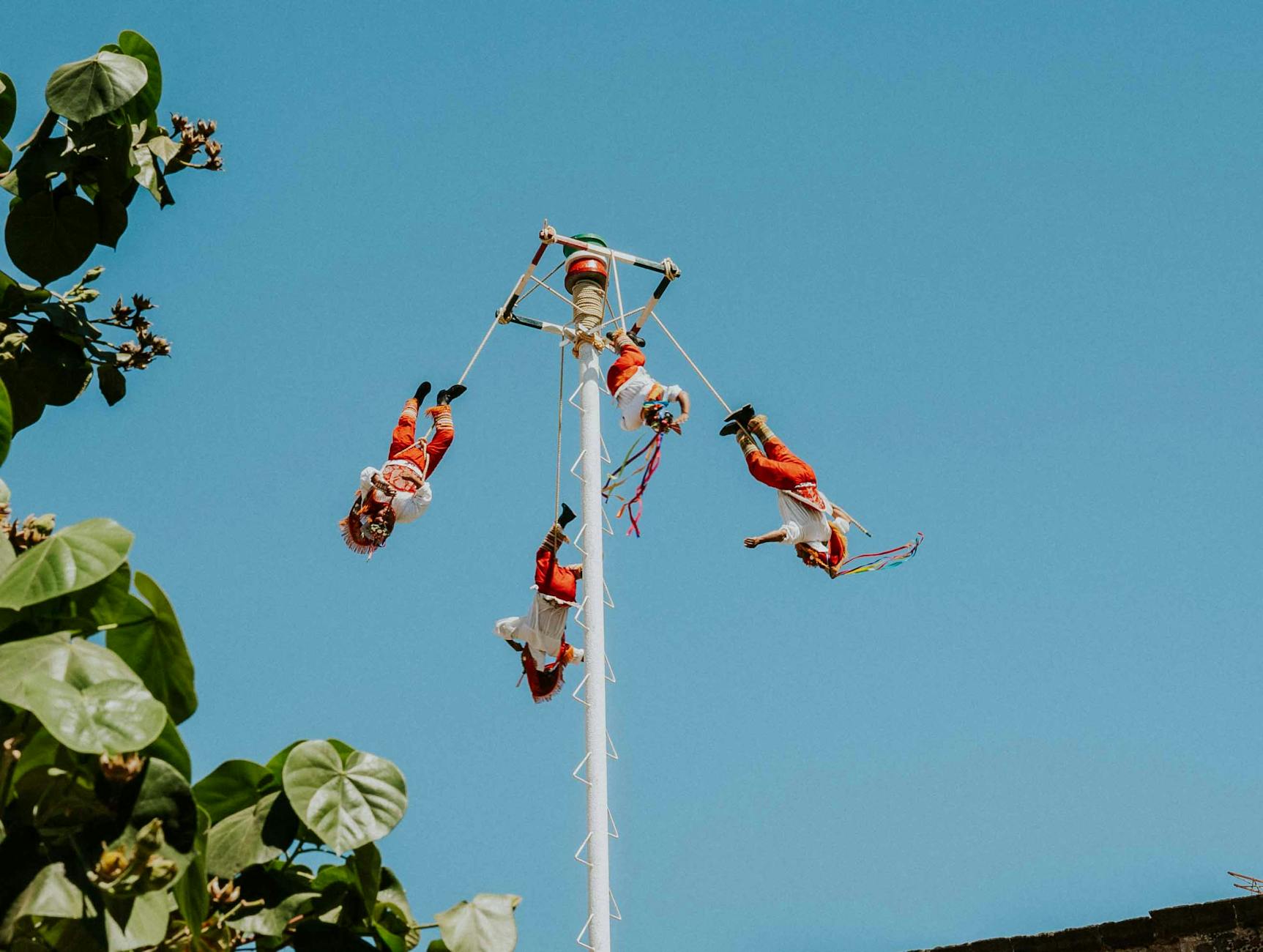
The Mayan Village, Voladores de Papantla, the Pok-Ta-Pok ball game, and the 90-minute night show. Here's the cultural side of Xcaret, with timing.
Snuba at Xcaret: How It Compares to Snorkeling and Scuba
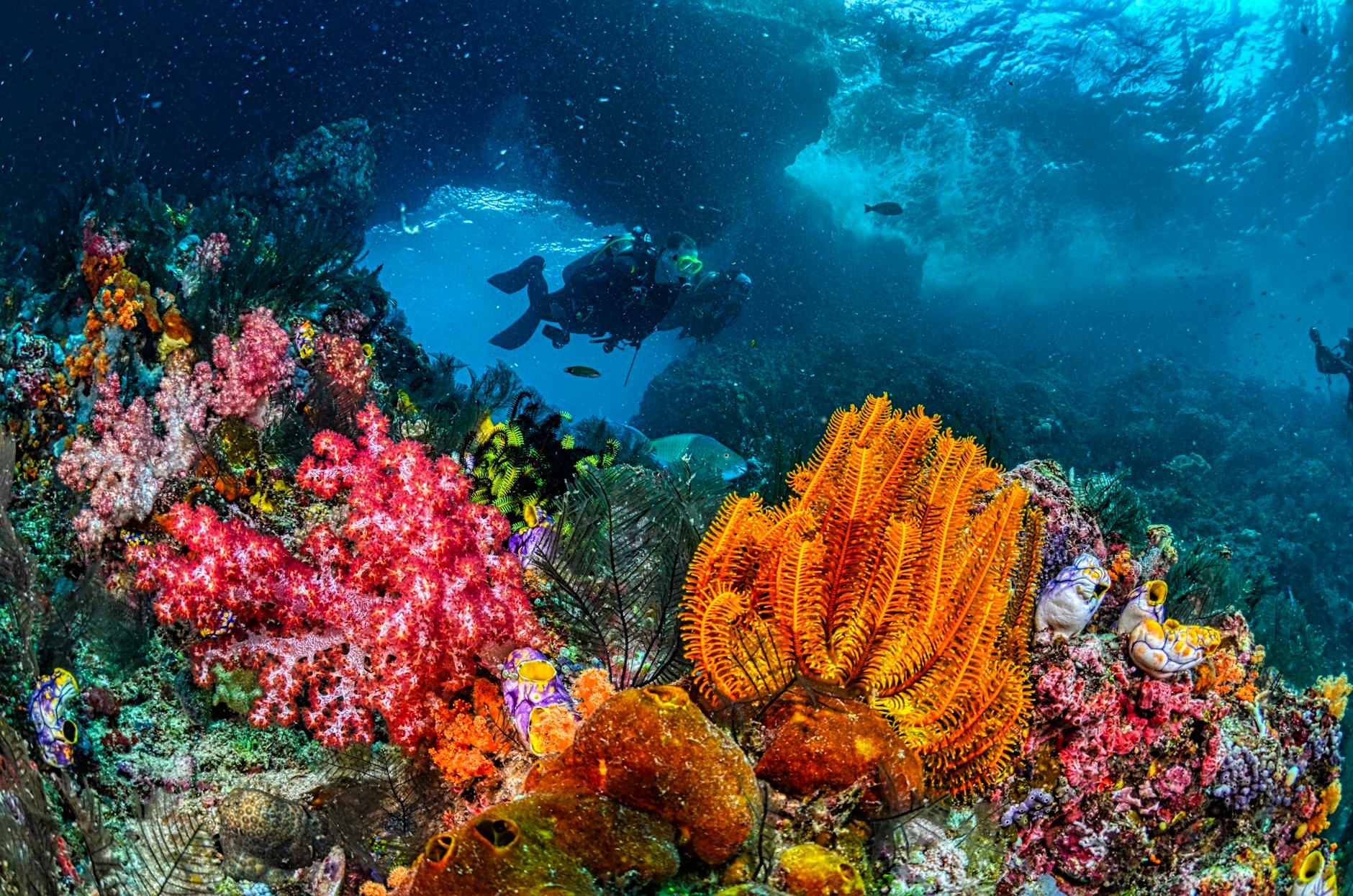
Snuba sits between snorkeling and scuba — a tank on a raft, a hose to your mask. Here's how it compares to both at Xcaret, after I've done all three.