Surfing in Hawaii: Best Breaks for Beginners & Pros
Reviewed for accuracy on Mar 15, 2026
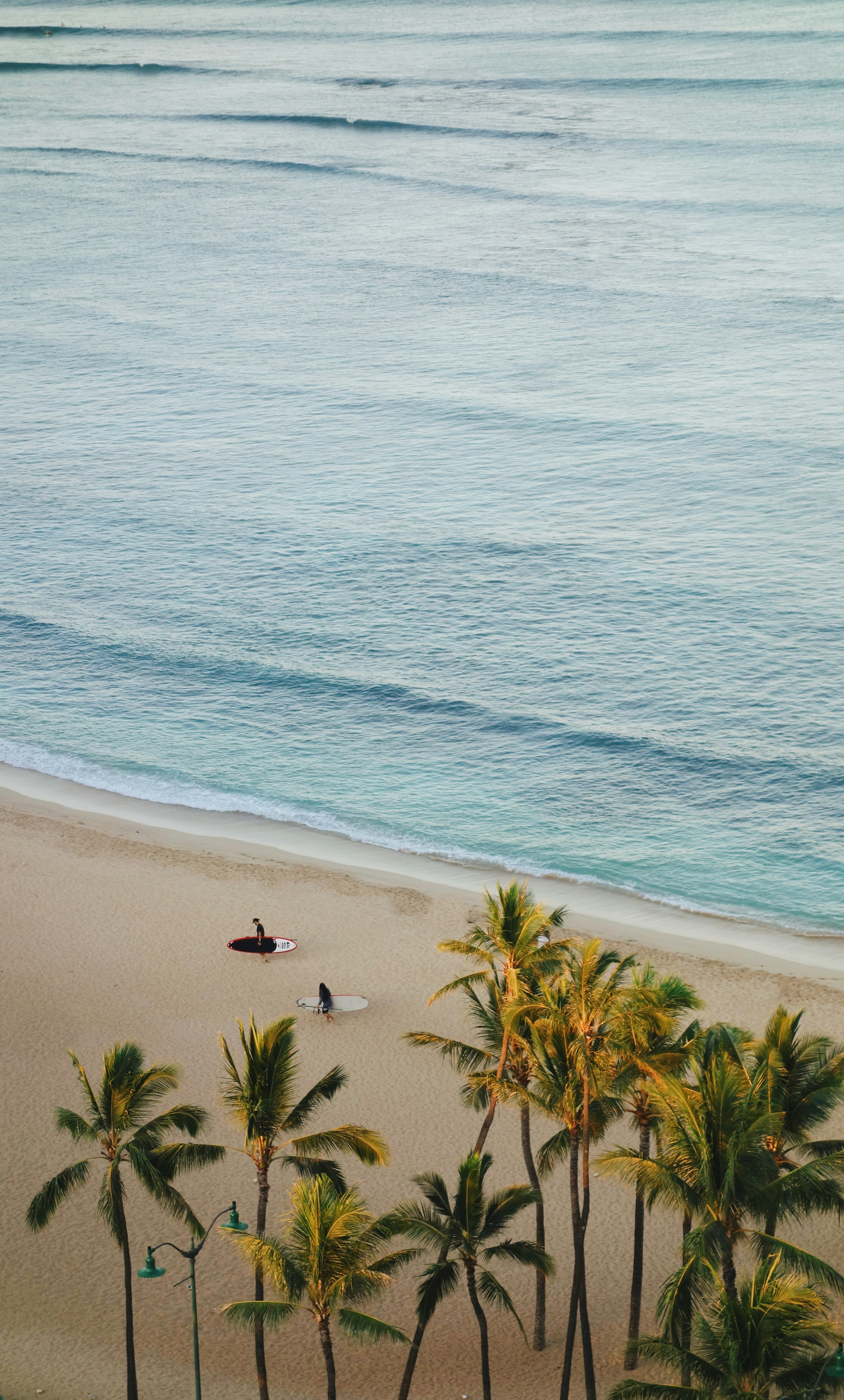
Surfing was born in Hawaii. The ancient Hawaiians called it he'e nalu -- wave sliding -- and it was far more than recreation. It was a spiritual practice, a display of status, and an integral part of island culture. When Duke Kahanamoku introduced surfing to the world in the early twentieth century, he shared a gift that has since become a global phenomenon. Today, Hawaii remains the sport's spiritual home, offering waves for every skill level across six major islands.
For beginners, Waikiki is still the best place on Earth to learn to surf. The breaks at Canoes and Queens, just offshore from the iconic beach, produce long, gentle waves that roll predictably toward shore. The sandy bottom means wipeouts are forgiving, and the water is warm enough to surf without a wetsuit year-round. Dozens of surf schools operate along the beach, with group lessons typically running seventy-five to one hundred twenty dollars for a ninety-minute session. Most first-timers stand up on their first day here -- the waves are that accommodating.
On Maui, beginners should head to Lahaina, where the break at the harbor wall produces small, consistent waves sheltered from the trade winds. Maui Surfer Girls and Goofy Foot Surf School both offer excellent instruction. The Cove at Kihei is another beginner-friendly spot with a sandy bottom and small waves, though it can get crowded on weekends.
Kauai's best beginner break is at Poipu Beach on the south shore, where a gentle reef break produces manageable waves in a relatively protected setting. Hanalei Bay on the north shore also works for intermediates during the calmer summer months, though winter transforms it into a powerful, expert-level wave.
Intermediate surfers with a few sessions under their belt should explore beyond the beginner spots. On Oahu, Diamond Head -- known locally as Cliffs -- offers a series of reef breaks with more shape and power than Waikiki, accessible by a short paddle from the beach below the lighthouse. Ala Moana Bowls, just west of Waikiki, produces hollow, fast waves that serve as a proving ground for surfers stepping up their game. Respect the locals here -- this is a territorial lineup with a deep history.
On the Big Island, Banyans in Kailua-Kona is a fun, playful wave that breaks over a lava reef, producing both lefts and rights. Pine Trees, a few miles north, offers a more powerful wave in a beautiful setting surrounded by kiawe trees. Both spots work best with a northwest swell and light winds.
Now for the waves that make Hawaii legendary. Oahu's North Shore hosts the most famous surf breaks in the world, and between November and February, massive swells generated by North Pacific storms deliver waves that routinely exceed twenty feet. Pipeline, breaking over a shallow reef at Ehukai Beach Park, is the most photographed wave on Earth. Its barrel is thick, fast, and deadly -- this is a wave for experts only, and even experienced surfers treat it with profound respect. The Banzai Pipeline has claimed lives, and the reef below is unforgiving.
Sunset Beach, a half-mile stretch of sand east of Pipeline, produces enormous, shifting peaks that challenge even the world's best. The Vans Triple Crown of Surfing, held each winter, uses Sunset as one of its competition venues. Watching from the beach as forty-foot faces roll through is a humbling experience even if you never touch a board.
Waimea Bay, once considered the ultimate big wave, still delivers massive surf in winter. When the swell hits twenty-five feet and above, Waimea breaks with a thunderous roar that you can feel in your chest from the beach. The Eddie Aikau Big Wave Invitational, held only when waves exceed forty feet on the face, is surfing's most prestigious event and has only run a handful of times in its decades-long history.
Jaws (Peahi) on Maui's north shore is the domain of tow-in and paddle-in big wave surfing, where waves can exceed sixty feet. This break is not accessible by standard vehicles -- you need four-wheel drive to reach the clifftop lookout, and surfing it requires a jet ski, years of big-wave training, and a death-defying commitment. Watching from the cliffs during a large swell is one of the most awe-inspiring spectacles in all of sports.
Surf etiquette in Hawaii is not optional. Locals take lineup priority seriously, and visitors who drop in on locals' waves or paddle aggressively into lineups will receive swift correction. The rules are simple: wait your turn, don't drop in on someone already riding a wave, paddle wide around the break rather than through it, and respect the hierarchy. A friendly attitude and genuine humility go a long way. Many lineups warm up to respectful visitors quickly.
Practical surfing tips for Hawaii: reef booties are worth their weight in gold at rocky breaks. Sunscreen should be reef-safe -- Hawaii law bans sunscreens containing oxybenzone and octinoxate, which damage coral. Board rentals run twenty to forty dollars per day at most surf shops. And always, always check conditions before paddling out -- the ocean in Hawaii demands respect, and conditions can change rapidly. Talk to lifeguards, check surf reports on Surfline, and when in doubt, watch from the beach.
Whether you're catching your first whitewash wave in Waikiki or watching fifty-foot giants thunder into Jaws, surfing in Hawaii connects you to something ancient and alive. The ocean here has been shaping human culture for over a thousand years, and every wave carries that history.
Bring the trip home
Every photo on York Adventures is shot on location and available as a fine-art print. Browse the gallery to find a frame for your wall.
Stay in the Loop
Get new photos, stories & exclusive deals straight to your inbox.
Related Posts
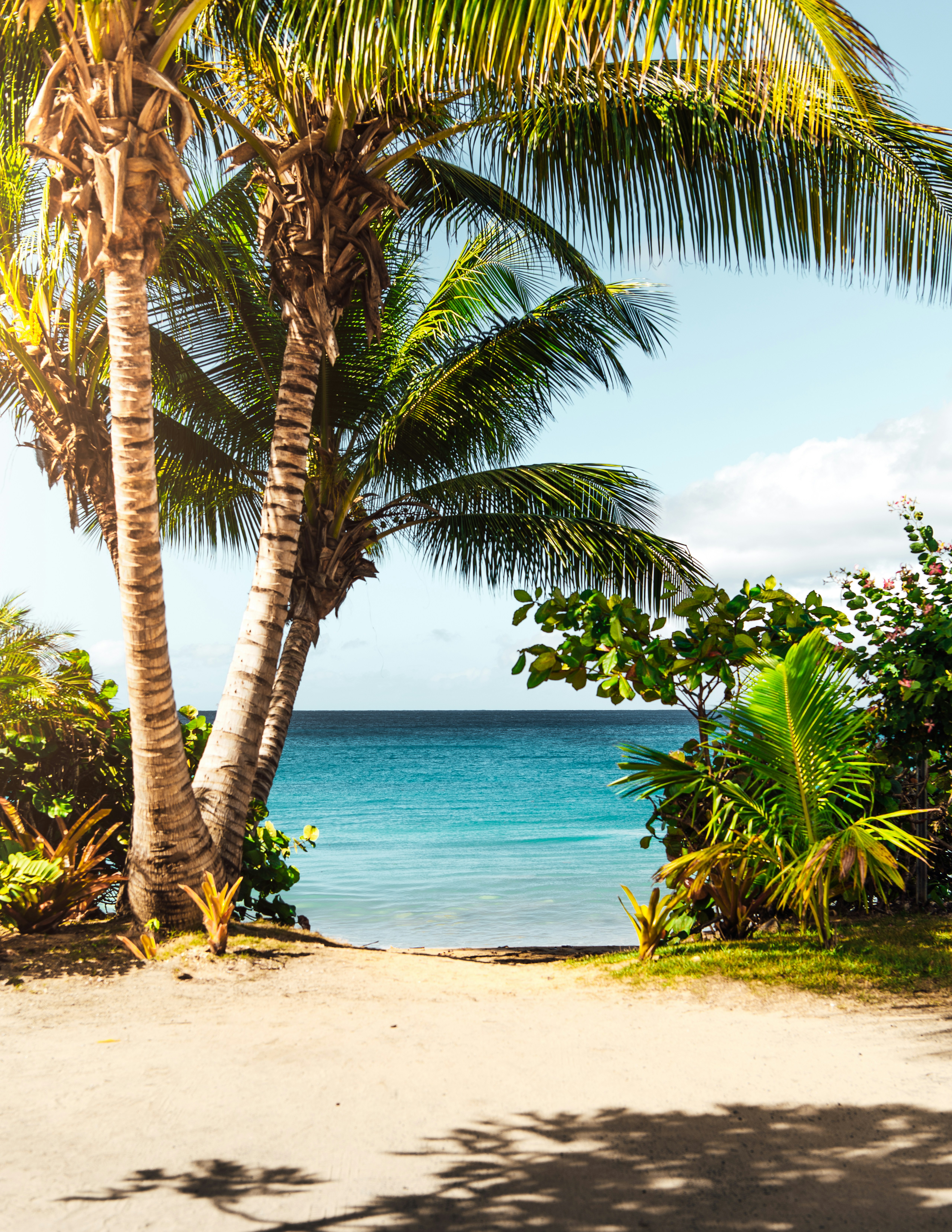
Oahu's Best Restaurants: From Waikiki to the North Shore
From world-class sushi in Waikiki to legendary shrimp trucks on the North Shore, Oahu's dining scene is as diverse as the island itself. Here's your definitive guide to eating your way across the Gathering Place.
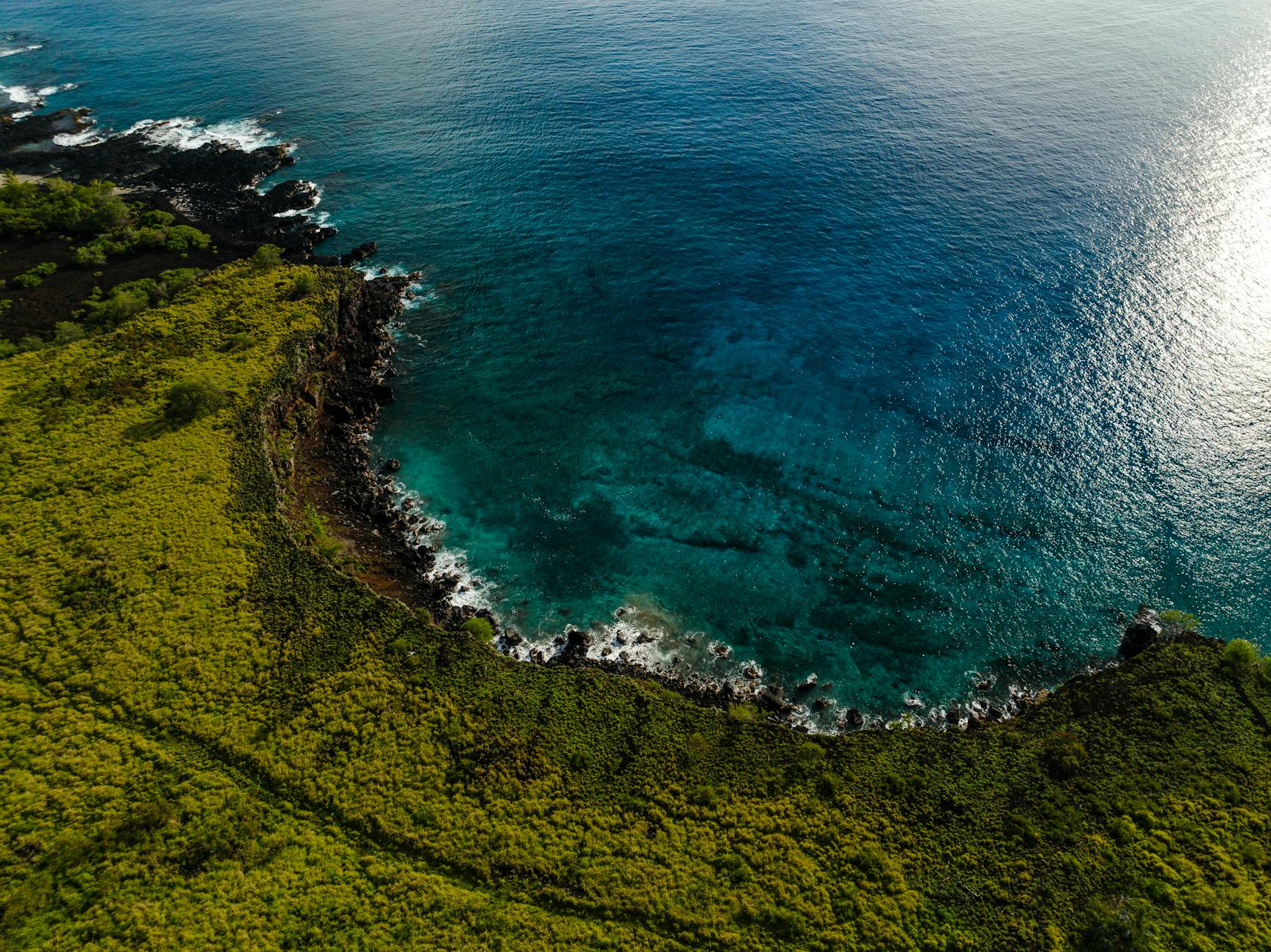
Nā Pali Coast Guide: Boat, Hike & Helicopter
Three ways to experience Kauai's Nā Pali Coast — by boat, on the Kalalau Trail, or from a doors-off helicopter — compared honestly, with permits, seasons, and photo notes for each.
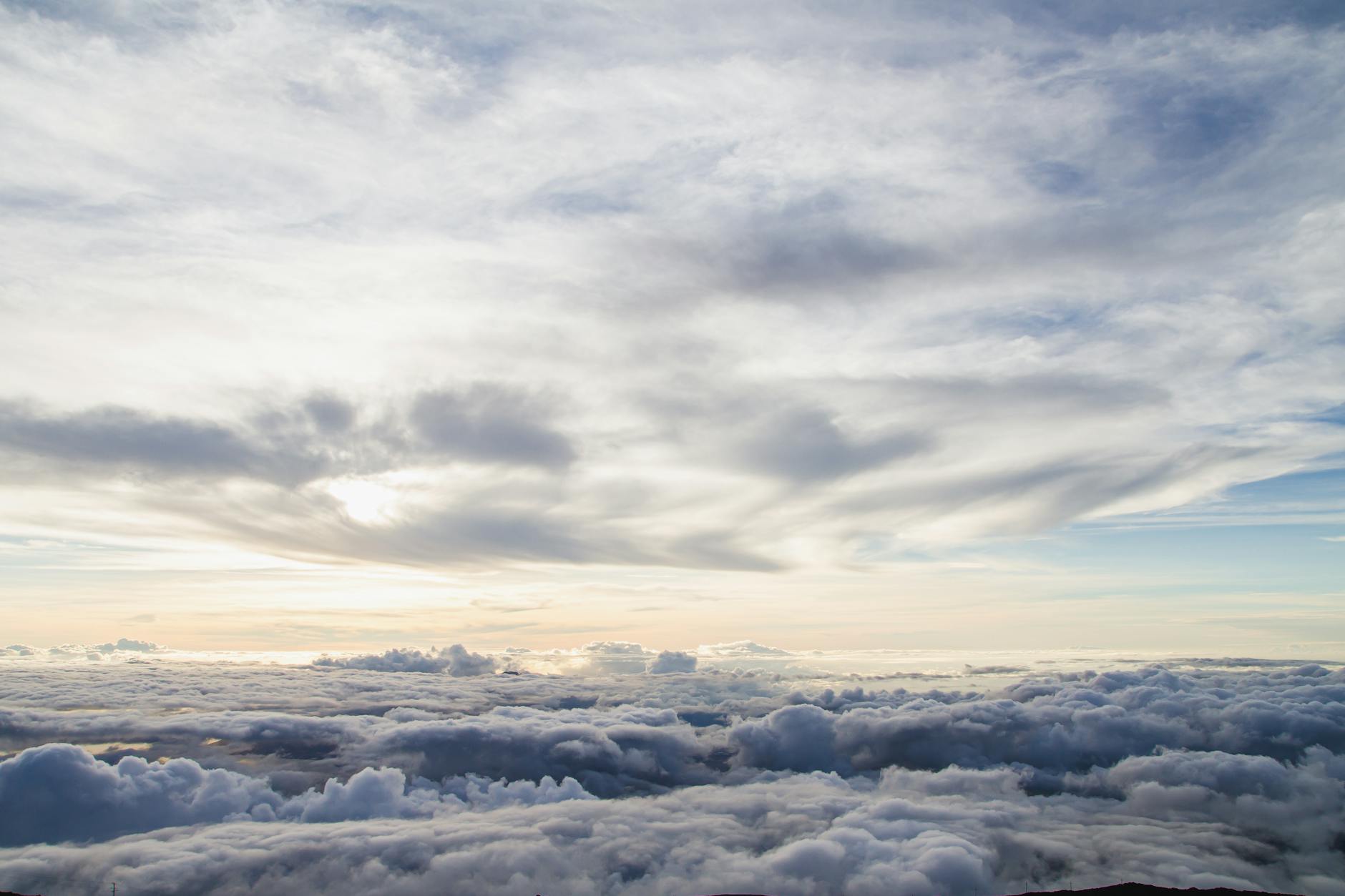
Haleakalā Sunrise Guide: Reservations, Timing & Photos
How to book the Haleakalā sunrise reservation, when to actually arrive, what to wear at 10,000 feet, and how to photograph the cloud sea before the crowd does.