Xcaret's Día de Muertos Festival: Going? Here's What to Know
Reviewed for accuracy on Feb 9, 2026
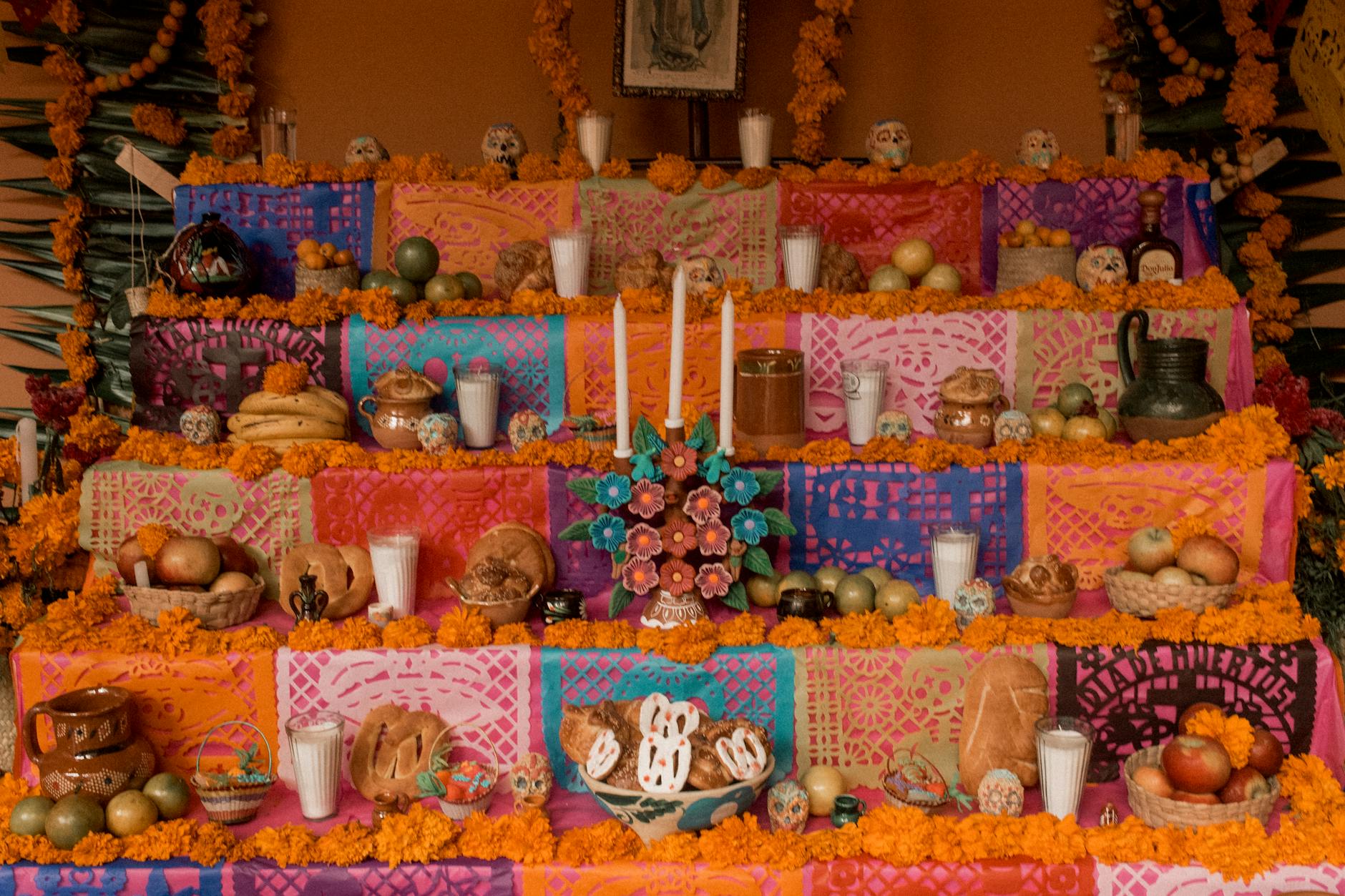
The first time I went to Xcaret for Día de Muertos, I expected what most North Americans expect: face paint, marigolds, a mariachi band, maybe a parade. What I got was something quieter, weirder, and a lot more moving than I'd planned for. I've been back since, and I've also been to the bigger Festival of Life and Death Traditions that runs alongside it (which I cover in a separate post). This one is about the actual Día de Muertos observances at the park, what they are, and whether they're worth planning a trip around.
Short version: yes, but with caveats.
What "Día de Muertos at Xcaret" actually means
Día de Muertos in Mexico is officially observed on November 1 (All Saints, for children) and November 2 (All Souls, for adults), with preparations and family observances starting a few days earlier. In the Yucatán Peninsula, the local Maya tradition is called Hanal Pixán ("food for the souls"), and it overlaps with but is not identical to the more famous central-Mexican Day of the Dead you've seen in the Pixar movie.
Xcaret leans hard into the Hanal Pixán traditions. From late October through early November, the park hosts:
- The annual Festival of Life and Death Traditions (Festival de Tradiciones de Vida y Muerte), a four-day cultural festival with workshops, music, and food, separate from regular park admission
- A Mayan cemetery installation with hundreds of candles lit at dusk
- An altars exhibit featuring traditional ofrendas from across Mexico
- A modified Xcaret Mexico Espectacular evening show with Día de Muertos-themed segments
- Special food and drink offerings in the restaurants, including the traditional pib (a slow-cooked corn dough wrapped in banana leaf and buried)
The dates shift slightly year to year but the festival has been held in late October / early November since 2006.
What it's actually like
The thing that surprised me most is how reverent the atmosphere is. I expected a theme-park version of the holiday — costumes, animatronic skeletons, photo ops. What's actually there is closer to a curated open-air museum of grief and remembrance.
The cemetery exhibit at the back of the park is the centerpiece. It's a recreated Maya cemetery with hundreds of grave-shaped concrete platforms, each with a candle, each with a name. At dusk a procession of staff in traditional clothing lights the candles one by one. The lighting takes about 40 minutes. People walk the rows in near-silence. It's not a show. It's a vigil.
Standing in the candle-lit cemetery at sunset on November 1, watching a Maya elder light a candle for someone she clearly knew, I realized I was witnessing a private tradition that the park was sharing with me, not performing for me. That distinction is what makes the whole thing work.
The altars exhibit is also genuinely beautiful. About 20 ofrendas built by communities from different Mexican states, each with the regional specificities — an altar from Oaxaca with mole and chocolate, one from Michoacán with monarch butterflies, one from Yucatán with the local pib bread. There are placards explaining the regional traditions. You can spend two hours here easily.
When to go: dates and crowds
The festival officially runs October 30 to November 2 most years, with some installations going up a few days earlier and the cemetery exhibit running a day or two longer. November 1 and 2 are the peak days.
This is also Xcaret's busiest week of the entire year. The park sells out and Hotel Xcaret guests get priority access but not exclusive access. If you want to attend, book the hotel at least six months in advance. The package rates are higher than the rest of the year by 20–40%.
The festival itself draws a different crowd than the regular park: more Mexican families, more older travelers, more people who came specifically for the cultural programming rather than the water activities. The vibe is calmer than a normal park day. The lines at the river entrances are shorter. The lines at the altars exhibit are longer.
What's worth doing, in order
Here's how I structure the festival days at the park:
- Morning: regular park activities. Underground rivers, beach, lunch. Get this out of the way.
- 2–4 PM: the altars exhibit. It's covered, shaded, and uncrowded mid-afternoon. Bring water.
- 5–6 PM: the cemetery candle-lighting. Find a spot near the back of the cemetery 20 minutes before dusk. The procession starts as the sun goes down.
- 7–8 PM: dinner with the festival menu. The restaurant Hacienda Henequén usually has a special Hanal Pixán menu. Reserve.
- 8:30–10 PM: the modified Mexico Espectacular show. Even if you've seen the regular show, the Día de Muertos version is different.
That's the full festival day. If you have multiple days at the park, you can split this across two — altars one day, cemetery and show another.
What's worth skipping
Not everything in the festival programming hits.
- The face-painting station. Lines are long, the work is rushed, and the result on a sweaty kid in 85-degree weather is exactly what you'd expect. There are better-quality artists in the local towns.
- The "catrina" photo opportunities. Marketing-heavy. You can take better Día de Muertos photos in the actual altar exhibit without paying extra.
- The souvenir shop "limited editions." They are not, in fact, limited. You'll see the same merchandise the rest of the year.
I'm not saying these are bad. I'm saying they're optional. The cemetery and the altars are the parts you actually came for.
A note on cultural respect
This part matters. Día de Muertos in Mexico is a real religious and family observance, not a Halloween adjacent. At Xcaret in particular, the cemetery candle-lighting involves park staff lighting candles for actual deceased relatives — those names on the platforms aren't decorations, they're the names of people whose families are present.
A few unspoken rules I've picked up:
- Don't pose for selfies in front of named graves
- Don't touch the ofrendas (the food on the altars is for the dead, not props)
- Stay quiet during the cemetery procession
- If you've painted your face, don't make exaggerated expressions for photos in the candle area
- Tipping the altar-keepers a few pesos is a kind gesture if you've spent time at their installation
This isn't about being a humorless tourist. The festival is genuinely fun and the food is great. It's just that the central rituals are not for performance.
The food angle
Yucatán Día de Muertos food is the best food in Mexico, full stop, and I will fight people about it. The festival menus across the park's restaurants showcase three things you should look for:
- Mucbipollo (sometimes called "pib"): chicken and pork in a corn-dough wrapper, slow-cooked underground in a pit oven. Available essentially nowhere else in the world the rest of the year.
- Atole nuevo: a hot, thick corn drink, sometimes flavored with chocolate or vanilla. Served at the altars.
- Pan de muerto: the traditional sweet bread, in the regional Yucatán style with honey and pumpkin seeds (different from the central-Mexican version)
If you only get to eat one thing, get the mucbipollo at Hacienda Henequén.
Should you plan a Xcaret trip around it?
Honest answer: depends on why you go to Mexico.
Yes if you're already a Xcaret-curious traveler who'd been thinking about going anyway and the cultural programming is a tiebreaker. The festival is a real bonus on top of the normal park experience.
Yes if you're a photographer or a culture-first traveler who'd otherwise skip a place this manicured. The cemetery at dusk and the altars are some of the best Día de Muertos photography opportunities in the country, with no permits required.
Maybe not if you'd otherwise skip resorts and want a more "authentic" Día de Muertos. Mérida, Pátzcuaro in Michoacán, or Oaxaca City all do the holiday in less curated, more local-feeling ways. The Xcaret version is excellent but it's still a polished resort version.
No if you have small kids who melt down in crowds. The peak festival nights are very busy and the cemetery vibe is not kid-friendly in a "let's run around" way.
Logistics
A few quick practicals:
- Festival access is included with regular park admission. The separately ticketed Festival of Life and Death Traditions is a different (overlapping) event — see my Festival of Life and Death post for that one.
- Hotel Xcaret guests get the early-access bracelets and free re-entry. Worth it during this week.
- Drone permissions are not granted in the cemetery exhibit. Don't ask.
- Photography is allowed but flash inside the altars is discouraged.
- Weather in late October is technically end-of-rainy-season. Bring a light rain layer for evening.
For the broader Xcaret context, the ultimate guide to Xcaret park and planning Xcaret vacation tips cover the rest of what to expect.
What I'd do differently
My first festival visit, I spent the morning trying to do every regular park activity, then sprinted to the altars exhibit, then arrived at the cemetery 10 minutes after the procession started, sweaty and out of breath, and didn't actually feel anything. I'd treated it like a checklist.
The second visit, I skipped the morning rivers entirely, spent two slow hours with the altars, ate lunch at Hacienda Henequén, took a nap in the room, and was at the cemetery 30 minutes early with a cold beer. The whole experience landed.
The festival rewards slowness. Do less. Sit longer. Listen to the music coming from the second altar from the left. The whole thing only really lands if you stop trying to consume it.
For the bigger picture of how this fits into a Xcaret week, the Xcaret destination hub has the rest of my notes.
Bring the trip home
Every photo on York Adventures is shot on location and available as a fine-art print. Browse the gallery to find a frame for your wall, or ask about my Hotel Xcaret member rate before you book.
Free PDF
Get the free Hotel Xcaret Cheat Sheet (PDF)
12 pages of pre-trip booking order, tipping, what's included, and the restaurants to reserve before you fly.
One email — the PDF link, plus the occasional Xcaret tip. No spam, unsubscribe anytime.
Stay in the Loop
Get new photos, stories & exclusive deals straight to your inbox.
Related Posts
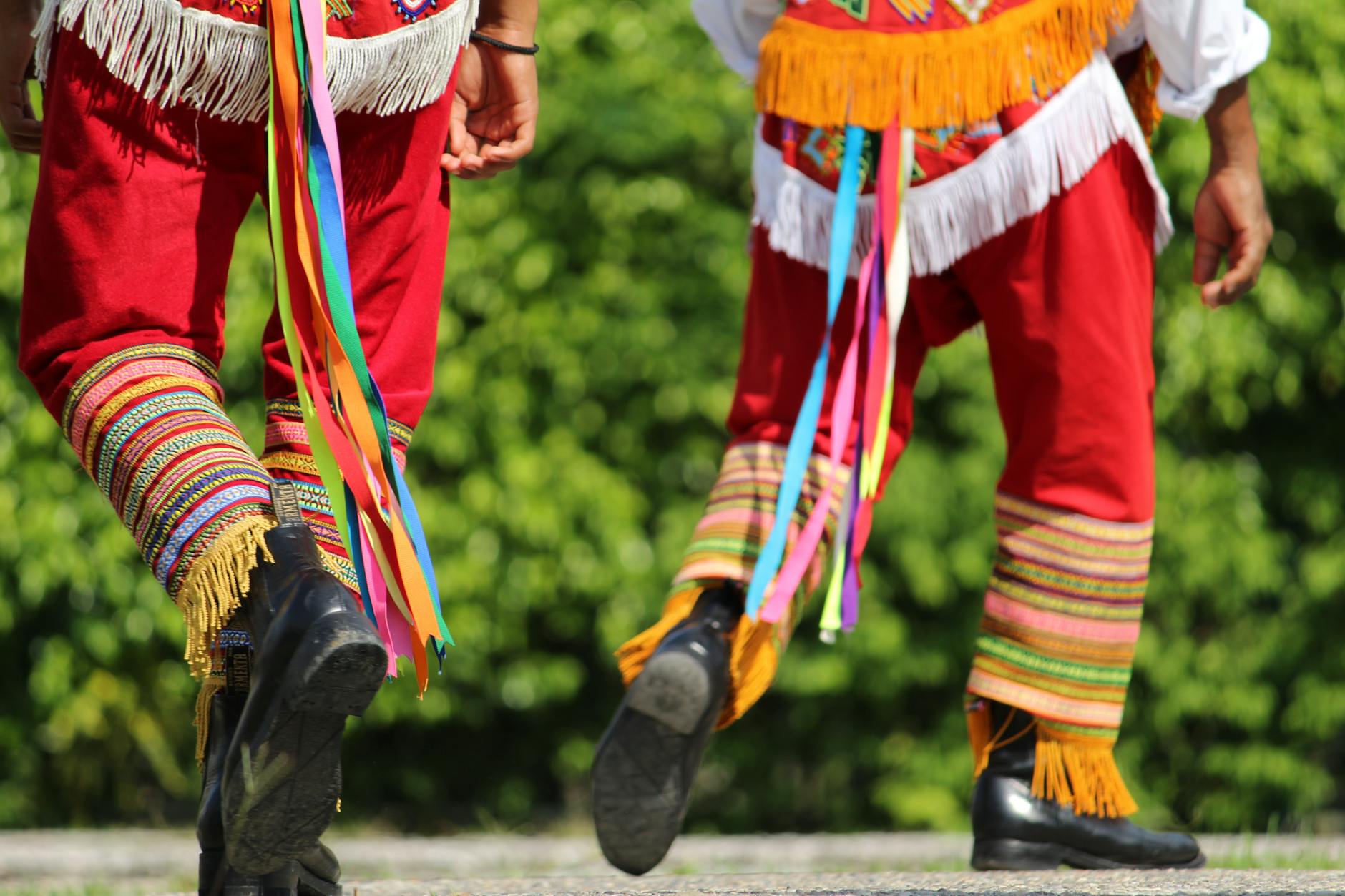
Xcaret Festival of Life and Death: Going? Here's What to Know
The four-day cultural festival that overlaps Día de Muertos at Xcaret. What's worth your time, what's filler, and how it differs from the regular park days.
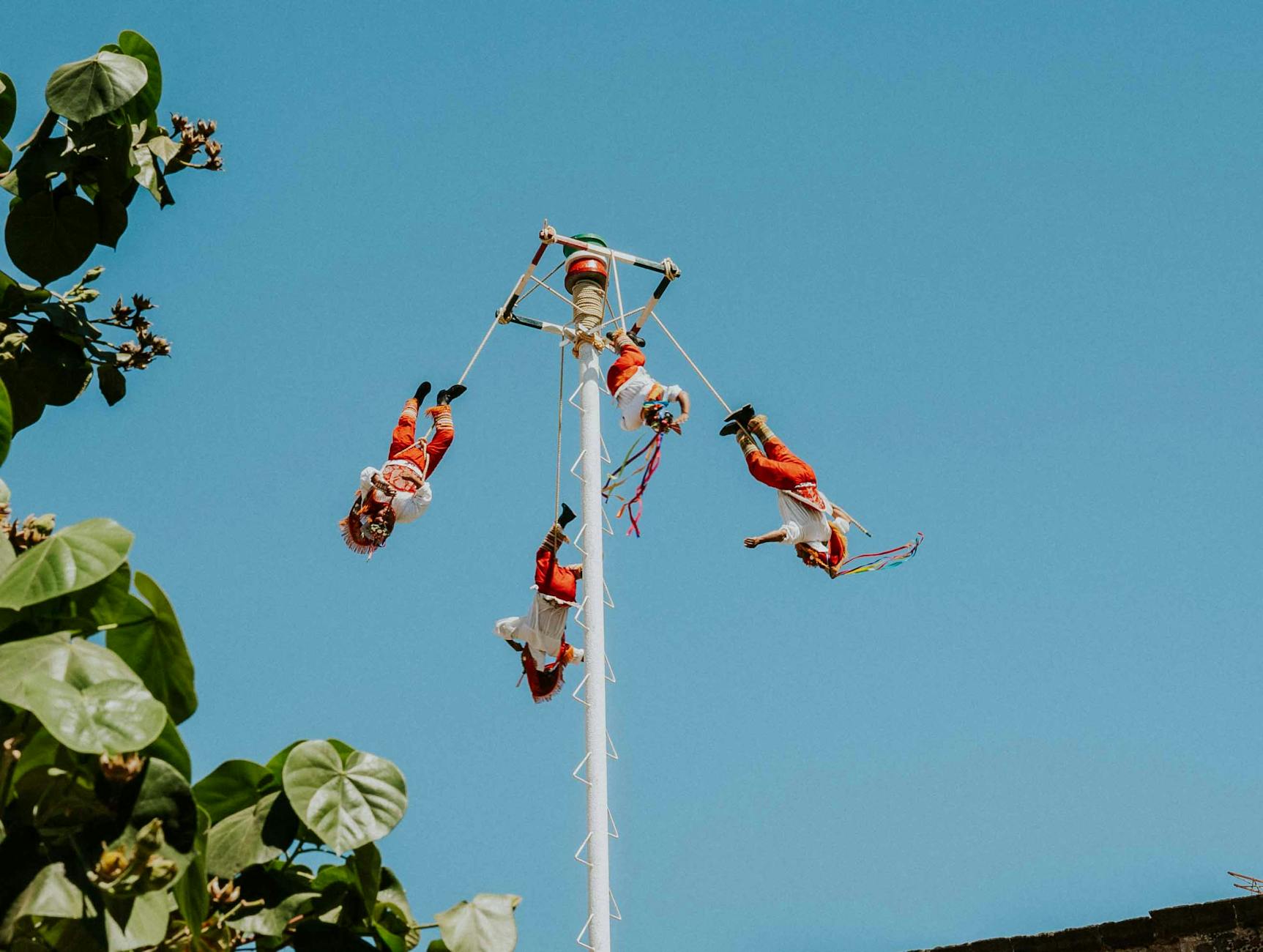
Xcaret's Mayan Village and Cultural Shows: Schedule and Tips
The Mayan Village, Voladores de Papantla, the Pok-Ta-Pok ball game, and the 90-minute night show. Here's the cultural side of Xcaret, with timing.
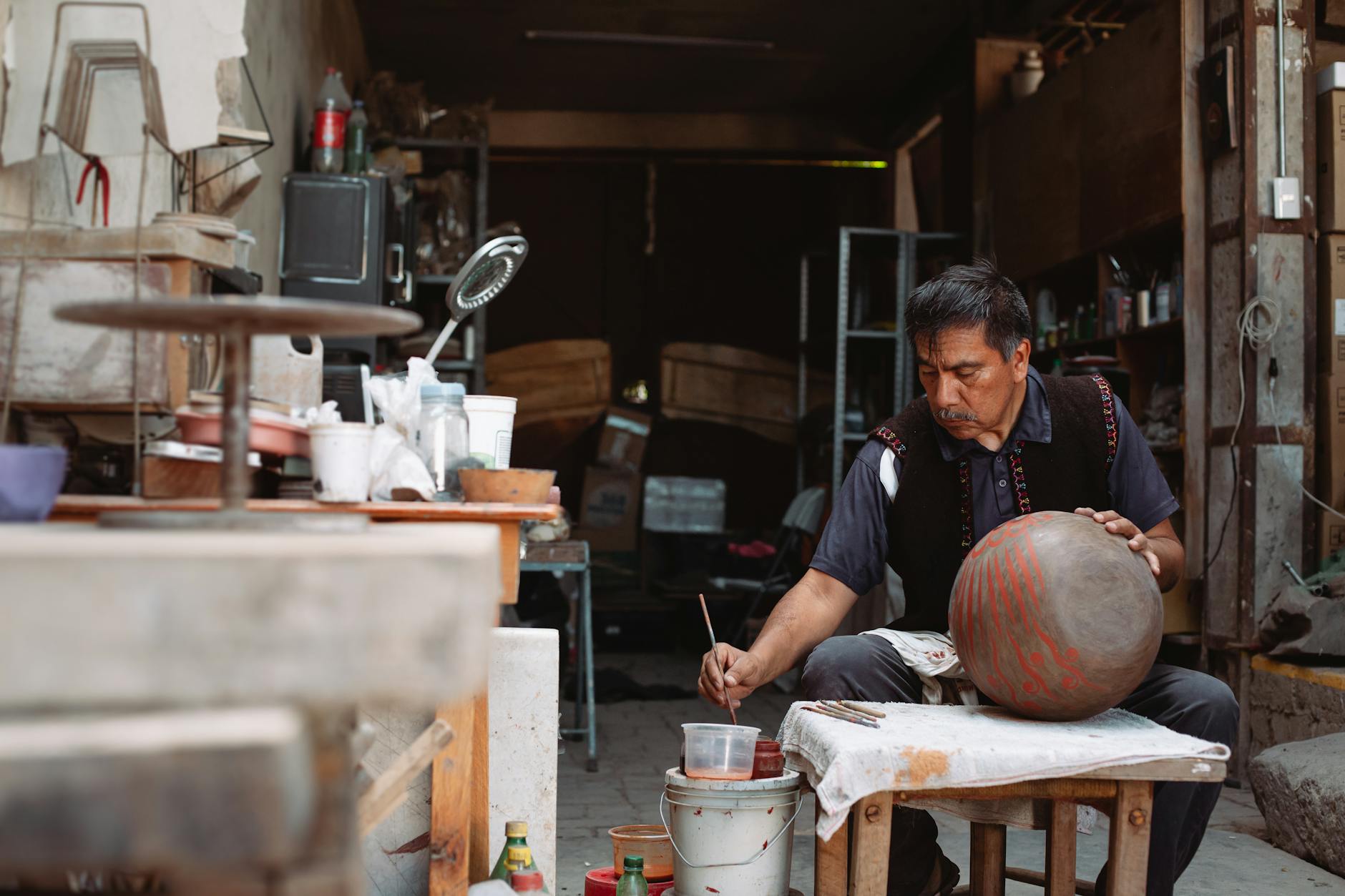
Hotel Xcaret Arte's 10 Houses Workshops: Worth Booking?
Arte's 10 Houses turn each wing into an arts workshop — pottery, mezcal, embroidery, dance. After stays in three of the Houses, here's which ones earn the visit.