Xcaret Festival of Life and Death: Going? Here's What to Know
Reviewed for accuracy on Feb 16, 2026
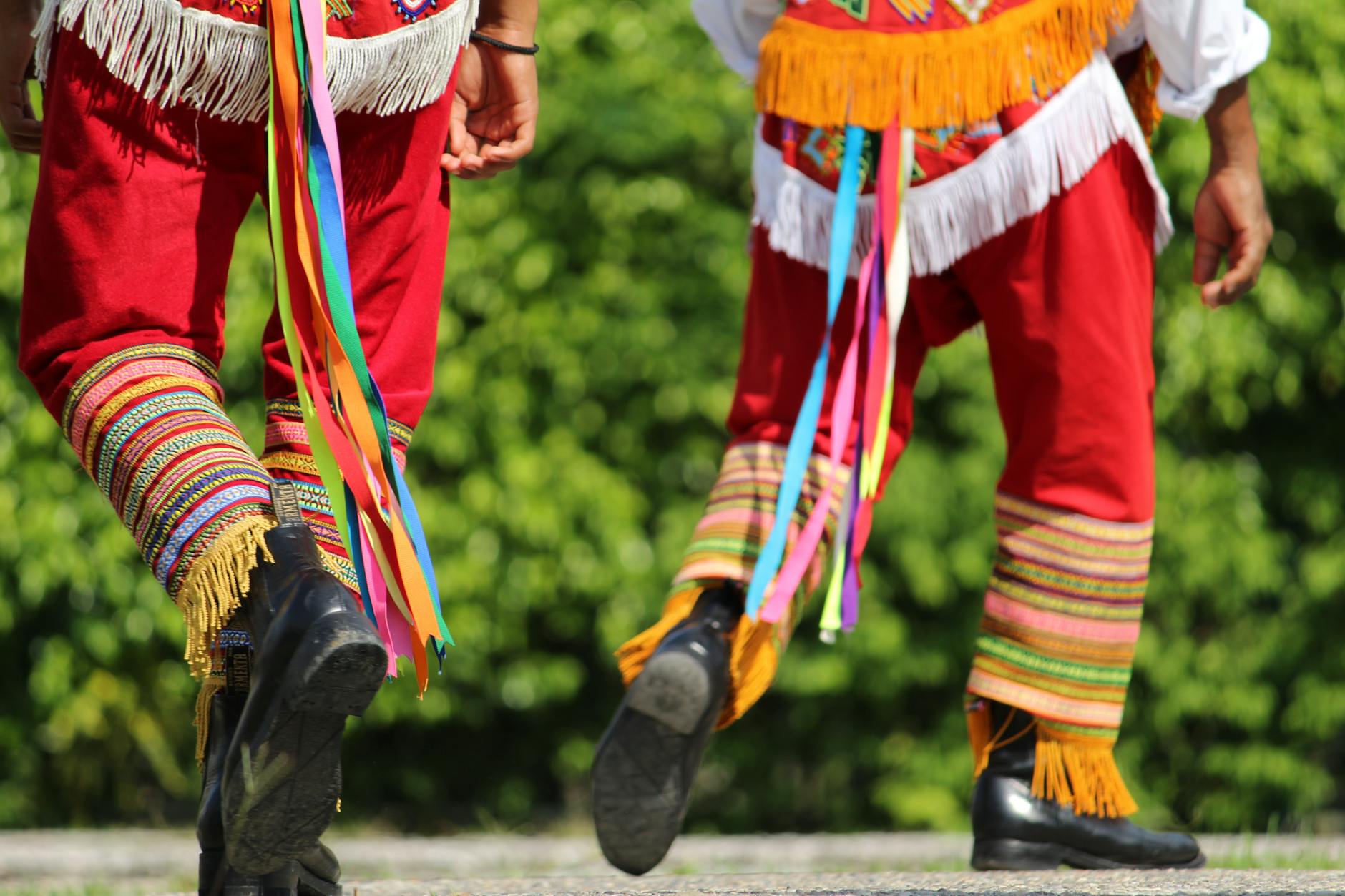
The Festival of Life and Death Traditions — Festival de Tradiciones de Vida y Muerte — is the one event at Xcaret I tell people to plan a trip around if they have any flexibility on dates. It runs for four days each year in late October and early November, overlapping with Día de Muertos, and it's the closest thing the Riviera Maya has to a real cultural festival of national significance.
I've been twice. Here's the honest breakdown.
What it actually is
The festival started in 2006 as a way to celebrate Mexican death traditions across the country's regions, with a special focus on Yucatec Maya practices. It's grown into a four-day program that, in a typical year, includes:
- Live music from Mexican folk, son jarocho, and indigenous traditions, on five or six stages around the park
- Workshops on traditional crafts: alebrijes, paper marigold making, sugar skull decoration, papel picado
- Food vendors from invited Mexican states (Oaxaca, Michoacán, Veracruz, Puebla)
- A guest country, usually invited each year for a cross-cultural exchange (Japan, Spain, Colombia have all been featured)
- Academic talks on death traditions, often in Spanish only
- Ritual performances including processions and indigenous dances
- Special editions of the Mexico Espectacular evening show with festival-specific segments
It overlaps with — but is distinct from — the Día de Muertos observances I cover in a separate post. The Día de Muertos altars and cemetery candle-lighting are part of the regular park experience that week. The Festival of Life and Death is a programmed cultural festival on top of that, with its own schedule and (importantly) its own ticketing.
The dates
The festival typically runs October 30 through November 2 every year. Specific dates shift slightly. Hotel Xcaret usually announces the exact dates in late spring for the upcoming festival.
This is the busiest week at Xcaret all year. The park itself sells out, the Hotel Xcaret sells out, and the surrounding hotels in the Riviera Maya raise rates 20–40%. If you want to attend, lock the dates six months ahead minimum. Twelve months is better.
How tickets work
This part trips up first-timers.
- Regular park admission during festival week gets you into all the cemetery and altar exhibits, the special restaurant menus, the modified evening show, and any open-stage music. This covers most of what makes the week special.
- The Festival of Life and Death Traditions is technically a separate event with its own daily ticket (around $30 per person on top of regular admission). This adds access to the workshops, the academic talks, and certain reserved-seat performances.
- Hotel Xcaret guests during the festival window typically get the festival ticket bundled into their stay. Verify this when booking.
If you're not staying at Hotel Xcaret and just have a regular park day pass, you can still see and hear most of the festival. The workshops and the indoor talks are the main thing you'd miss.
What's worth doing
Here's my opinionated ranking of what to actually prioritize.
Do not miss:
- The cemetery candle-lighting at dusk. Even if you only do one thing across the entire festival week, do this. Dusk is around 6:15 PM in early November.
- The altars exhibit. Twenty-plus full-scale ofrendas from different Mexican states. Allow two unhurried hours.
- Live son jarocho on the small stage at the back of the park. This is the music form from Veracruz that "La Bamba" is a watered-down version of. The musicians the festival books are typically actual masters.
- One workshop. Pick one. Sugar skulls, papel picado, or paper marigolds. They're hands-on, they take an hour, and you walk away with something you made.
- Food from the visiting state vendors. Especially anything from Oaxaca (mole, tlayudas) or Veracruz (tamales).
Worth doing if time:
- The guest-country exhibits, which vary year to year
- The processions, which are usually announced day-of
- The modified Mexico Espectacular evening show
- Hacienda Henequén's special Hanal Pixán menu (reserve in advance)
Skippable:
- Most of the academic lectures, especially if your Spanish isn't strong
- The face-painting station (lines are long, quality is mid)
- Branded "limited edition" merchandise
The music thing
I want to spend a paragraph on the music because it's the most under-discussed part of the festival.
Mexican folk music is one of the great regional music traditions in the Western Hemisphere and almost no one outside Mexico knows it. The festival books real artists — Sones de Mexico Ensemble, La Negra Graciana, Lila Downs in years she headlines — and they play on small outdoor stages with maybe 200 people in the audience. You can stand 15 feet from a 70-year-old harpist who has been playing the same arrangement since the 60s.
The first time I caught a son jarocho group playing under the palapa stage at the back of Xcaret, I sat down on the gravel and didn't move for an hour. I don't speak fluent Spanish. I didn't need to. The whole audience was clapping and stomping along on the second song. It was the single best live music I've heard at any travel destination, and I've been to Bali, New Orleans, and Seville.
Check the daily program when you arrive. The schedule is posted at the entrance and updated on the Xcaret app. Set alarms for the acts you want to see.
What it's like as a non-Spanish speaker
Most of the music, food, exhibits, and visual programming work fine without Spanish. The altars have placards in English. The food vendors will help you point at things. The workshops are mostly demonstration-led.
What you'll miss without Spanish:
- The academic talks (most are not interpreted)
- The introductions to the music acts
- Some of the storytelling at the indigenous performances
- The conversations with the artists if you want to ask about their work
I get by with intermediate Spanish and an iPhone. If you have zero Spanish and want to engage deeply, the festival has English-speaking docents stationed around the park, marked with badges. They are genuinely helpful.
A realistic festival-week schedule
If you have three full days at Hotel Xcaret during festival week, here's how I structure them:
Day 1: Park orientation + altars
- Morning: snorkel and underground rivers
- Lunch: regular park lunch
- Afternoon: altars exhibit (slow, two hours)
- Sunset: the cemetery candle procession
- Evening: dinner at Hacienda Henequén
Day 2: Festival deep-dive
- Morning: one workshop (sugar skulls or paper marigolds)
- Lunch: visiting-state food vendors
- Afternoon: live music rotation across the park's stages
- Evening: Mexico Espectacular show with festival programming
Day 3: Wide net
- Morning: a beach or river morning to recover
- Lunch: a second visiting-state food session
- Afternoon: guest-country exhibit + processions
- Sunset: revisit the cemetery (it's different at different points in the week)
- Evening: dinner off-property in Playa for a change of pace
Three days is the right amount. Two feels rushed. Four is plenty. Five is more than the festival has to offer if you're not Spanish-fluent.
How it compares to other Día de Muertos destinations
For context, here's how Xcaret stacks up against the other big Day of the Dead destinations in Mexico:
- Pátzcuaro / Janitzio (Michoacán): the most famous, the most local-feeling, the most intense. Boats with candles, indigenous communities, no tourist polish. Hard to do as a first-timer to Mexico.
- Mérida and Yucatán towns: the most accessible Hanal Pixán experience, with public altars, a city-wide vibe, and a Paseo de las Ánimas parade. My personal favorite for the holiday.
- Oaxaca City: the most photogenic, the most party-leaning, the most Instagram-saturated.
- Mexico City: the largest parade (the one Pixar essentially invented), big and chaotic.
- Xcaret: the most curated, the most resort-friendly, the easiest entry point.
Xcaret is the right pick if you want a high-quality cultural festival without the logistical lift of an inland Mexico trip. It's the wrong pick if you want a raw, local, off-the-beaten-path Día de Muertos experience. Both are valid. Know which one you want.
Logistics
- Book hotel and tickets six months ahead. Twelve months for the suite categories.
- Bring layers. Evenings can be cool by Caribbean standards (high 60s).
- Cash for tipping the workshop instructors and food vendors (a few hundred pesos in 20s and 50s).
- Wear comfortable shoes. The festival walking is heavier than a normal park day.
- Charge your phone. Or bring a battery. The photo ops are constant.
- Don't drone the cemetery. Park policy and good sense both say no.
For the broader Xcaret context, the ultimate guide to Xcaret park and planning Xcaret vacation tips cover the rest of what to expect at the resort, and the Día de Muertos at Xcaret post drills into the cemetery and altars specifically.
What I'd do differently
My first festival year, I tried to also do my normal Xcaret-week stuff: cenote day trip, Cobá trip, half-day in Tulum. I burned out by day three and missed the Saturday night closing ceremony. The festival deserves your full attention while you're there.
Second year, I treated the four festival days as their own thing — no off-park excursions, no big driving days, no cenote loops. I added two extra days to the trip on either end for the regular Riviera Maya stuff. That's the move. The festival is dense enough that it earns its own dedicated window in the itinerary.
For the rest of the picture, the Xcaret destination hub has the full set of trip notes I keep updating.
Bring the trip home
Every photo on York Adventures is shot on location and available as a fine-art print. Browse the gallery to find a frame for your wall, or ask about my Hotel Xcaret member rate before you book.
Free PDF
Get the free Hotel Xcaret Cheat Sheet (PDF)
12 pages of pre-trip booking order, tipping, what's included, and the restaurants to reserve before you fly.
One email — the PDF link, plus the occasional Xcaret tip. No spam, unsubscribe anytime.
Stay in the Loop
Get new photos, stories & exclusive deals straight to your inbox.
Related Posts
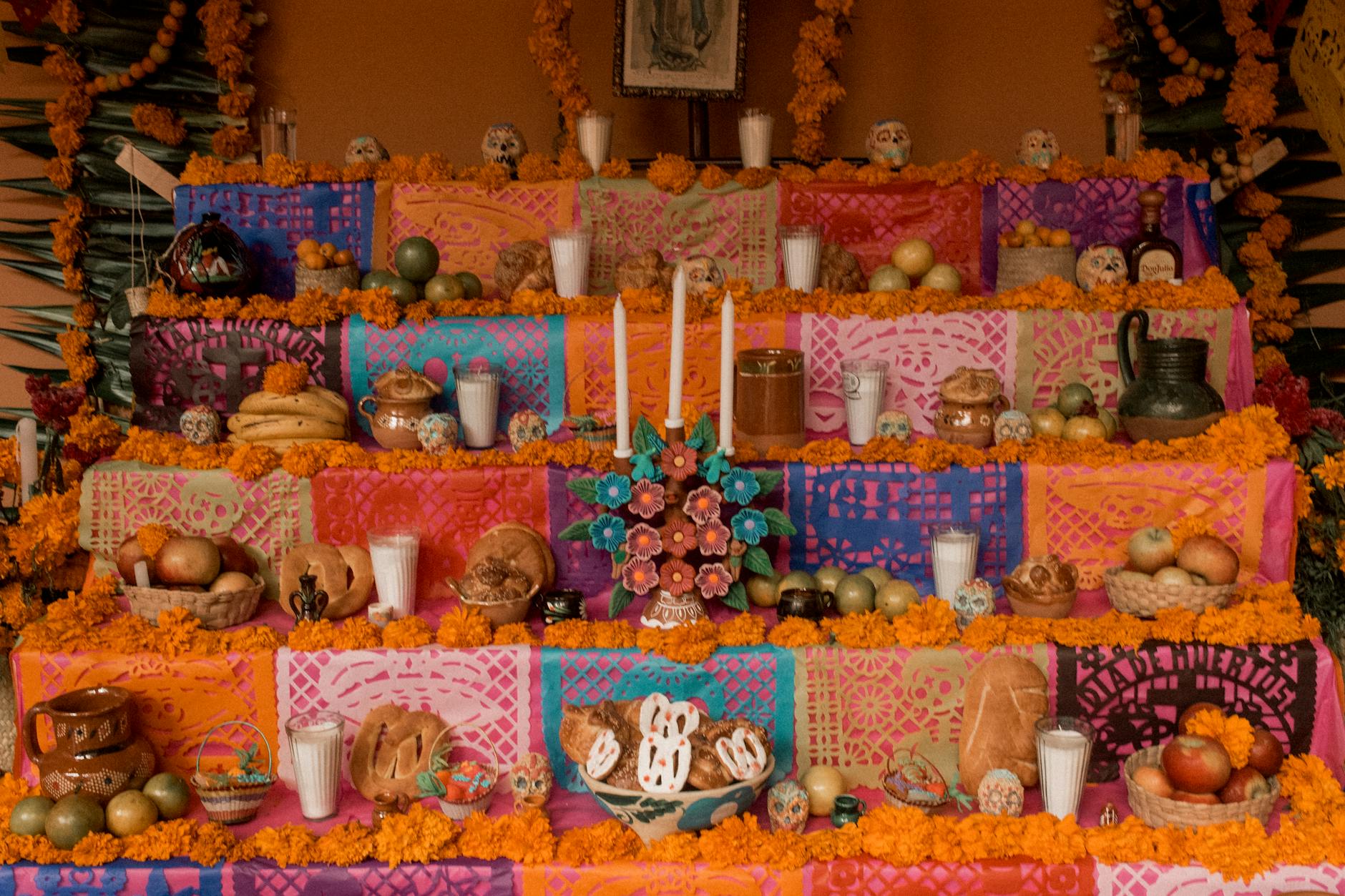
Xcaret's Día de Muertos Festival: Going? Here's What to Know
I went to the late-October Día de Muertos observances at Xcaret two years running. Honest notes on what's beautiful, what's marketing, and what to do.
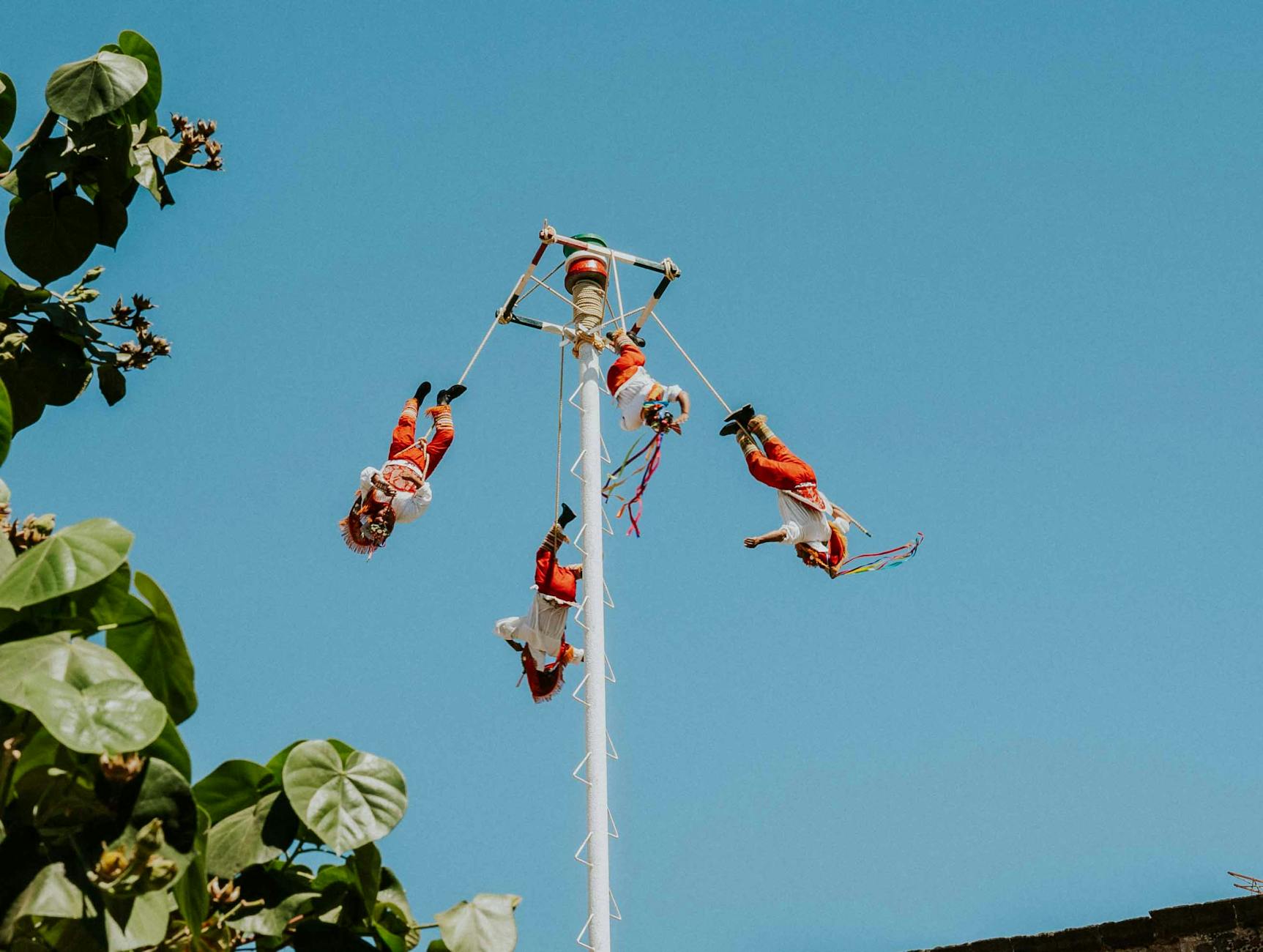
Xcaret's Mayan Village and Cultural Shows: Schedule and Tips
The Mayan Village, Voladores de Papantla, the Pok-Ta-Pok ball game, and the 90-minute night show. Here's the cultural side of Xcaret, with timing.
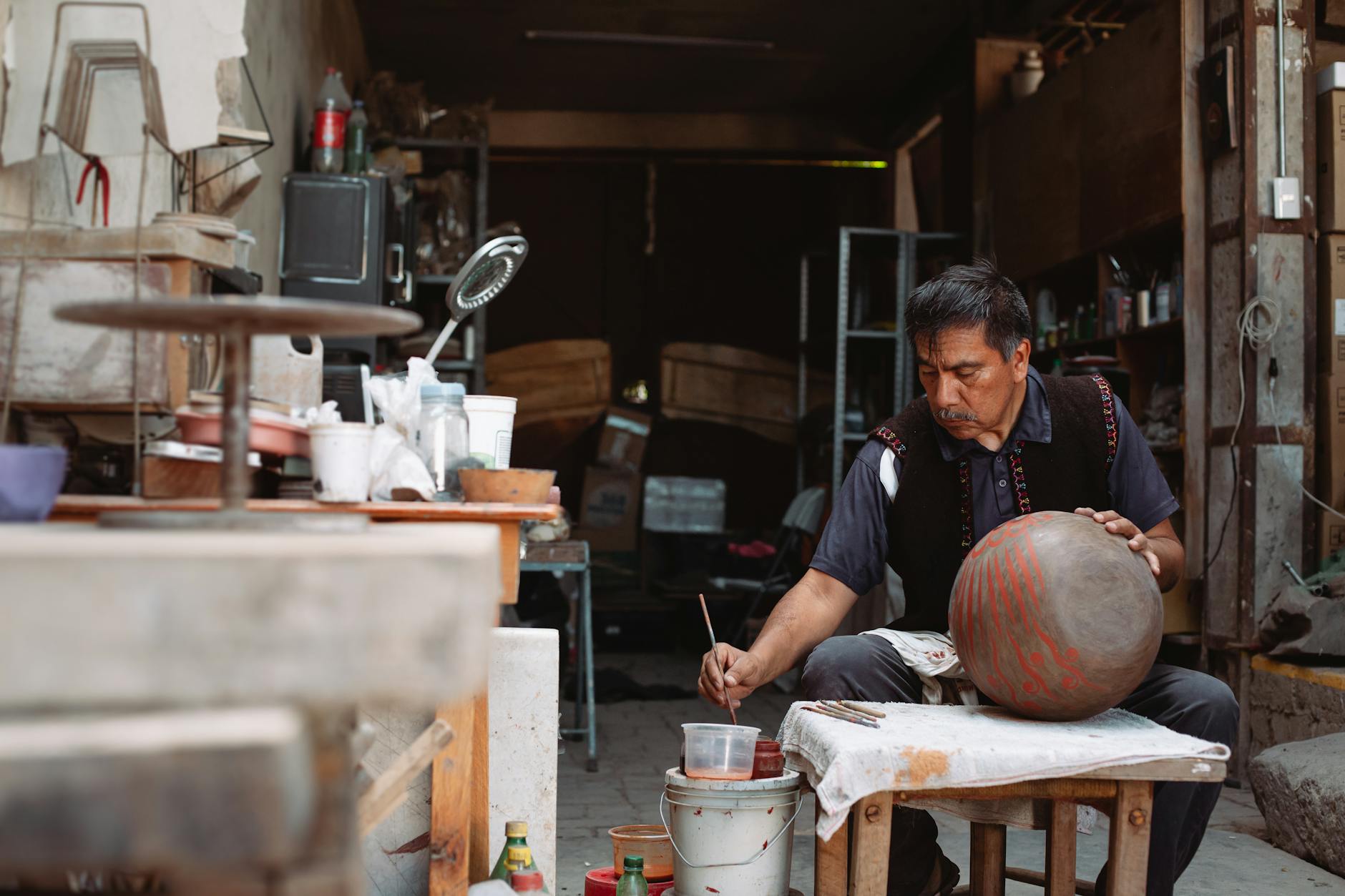
Hotel Xcaret Arte's 10 Houses Workshops: Worth Booking?
Arte's 10 Houses turn each wing into an arts workshop — pottery, mezcal, embroidery, dance. After stays in three of the Houses, here's which ones earn the visit.