Xcaret's Photo Packages: Are They Worth the Money?
Reviewed for accuracy on Apr 28, 2025

The Xcaret photo system is one of those resort-park add-ons that sits in the gray area between "obvious skip" and "actually useful." On a first visit, the pendant-and-photographers concept is unfamiliar enough that you either dismiss it immediately or buy in expecting too much. Both reactions are wrong.
I've bought the photo package twice and skipped it twice across multiple Xcaret visits. Here's an honest take on what you're actually getting, when it's worth the money, and the one specific case where buying is the only way to come home with the shot.
How the photo system actually works
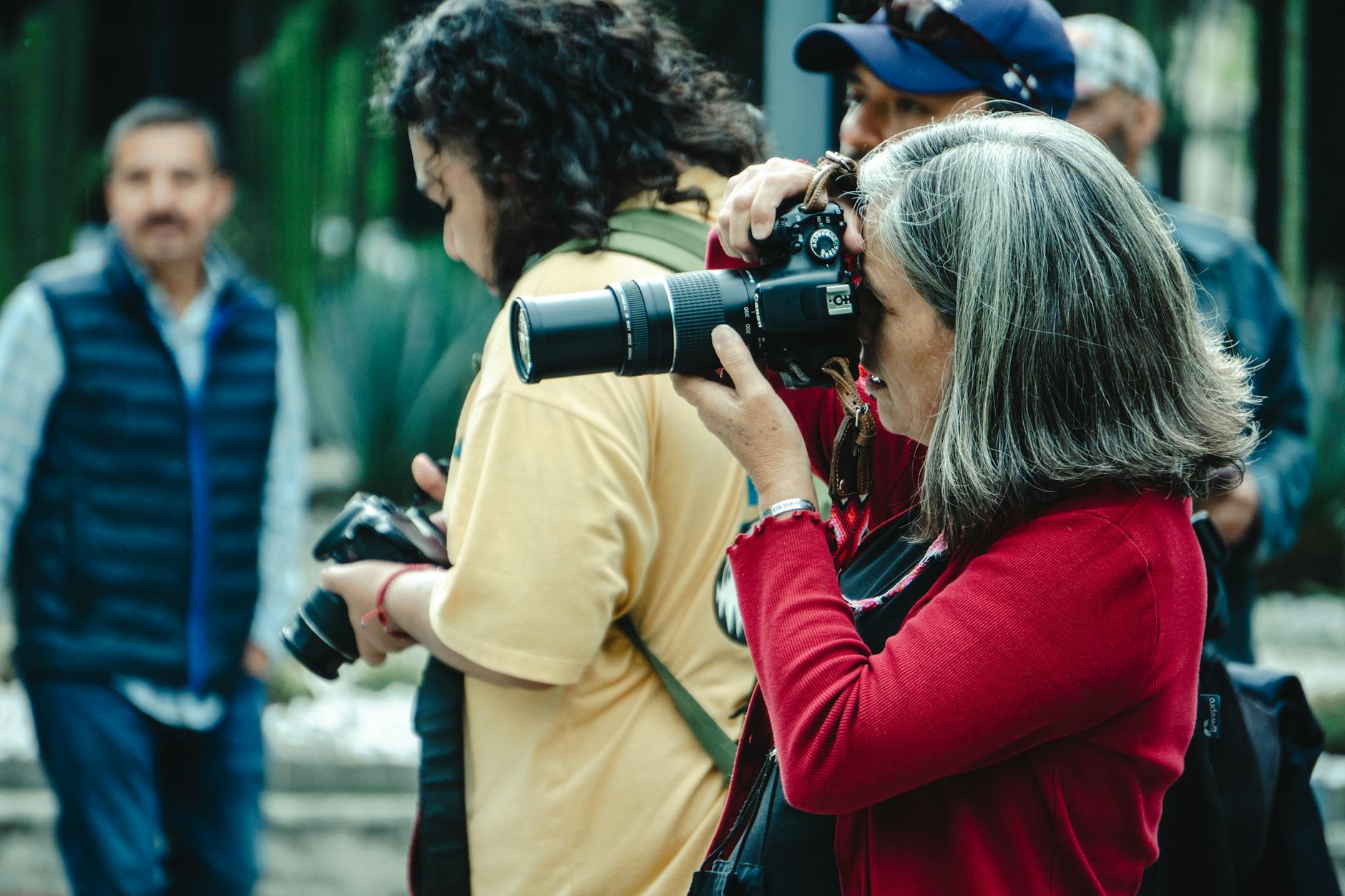
Walking into the park, you can buy a photo pendant — a small, branded plastic pendant on a lanyard with an embedded chip. You wear it for the day. Park photographers stationed at roughly a dozen high-traffic spots scan your pendant before they shoot you, and the resulting photos get uploaded to a cloud library tied to a QR code.
A few mechanical details:
- The pendant comes in a few tiers; broadly, individual photo, small package, and unlimited
- Photographers shoot you when you ask (they're stationed at marked spots — you walk up, you pose, they shoot)
- Some attractions also have automated photographers who shoot continuously and your pendant scan picks you up later
- After the day, you log in via QR code, browse your photos, and download what you bought
- High-resolution downloads, no watermark on the paid versions
The system is well-built. The photos load reliably. The QR code library stays accessible for a reasonable window after your visit. Mechanically, no complaints.
Where the photographers actually shoot
This is the part that decides whether the package is worth it. Photographers are not everywhere — they're at specific high-traffic, high-photo spots. The reliable locations across multiple visits:
- Main entrance with Xcaret signage — the standard "we're here" group shot
- Mayan village paths — the picturesque stone-and-vegetation backdrops
- Beach overlooks — wide ocean shots with you in the foreground
- The cenote pool entries — pre-river, dressed and dry
- Snorkel beach — both above and below water at the swim platforms
- The coral reef aquarium — backlit blue water shots
- Dolphin swim platforms — automated and handheld coverage during the dolphin programs
- Sea Trek staging area — pre- and post-dive, with the helmet
- The Mayan ball court — staged shots during certain demonstrations
- The evening show amphitheater — limited, mostly during the most photogenic acts
The big gaps: the underground rivers (no photographers in the water), most of the open beach, the park restaurants, and the bird sanctuary. If you wanted family shots in those spots, you're shooting them yourself.
Quality, honestly
The photos are decent. They are not professional-grade portraiture and they're not what a wedding photographer would deliver. They're well-lit, well-framed, technically sound vacation photos — better than the average phone shot, worse than what you'd commission.
What they do well:
- Consistent exposure even in challenging mixed light
- Clean composition with the iconic backgrounds properly framed
- Underwater shots at the dolphin and Sea Trek platforms with proper housings
- Group photos with everyone visible and reasonably in focus
What they don't do well:
- Candid moments — they shoot posed, not real
- Personality — the same composition applied to every guest creates an interchangeable look
- Difficult lighting — the late-afternoon backlit beach shots can come out flat
- Anything you didn't pose for at a designated spot
If you go in expecting elevated phone-quality vacation photos, you'll be happy. If you expect portrait-session quality, you'll be disappointed.
When it's worth buying
There's a clear case for the package and a clear case against. The honest matrix.
Worth buying:
- You're doing the Dolphin program — the in-water shots are nearly impossible to get yourself
- You're doing Sea Trek — the underwater helmet shots are part of why you booked
- You're a multi-generational group with grandparents who want family photos and nobody wants to be the camera person
- You don't carry a real camera and your phone has a mediocre rear camera in mixed light
- You're celebrating something specific (anniversary, milestone trip) and you want documentation beyond what you'd shoot
Not worth buying:
- You have a current iPhone or Pixel and you're traveling with someone willing to be the photographer
- You're shooting with any mirrorless or DSLR
- You're solo and don't particularly want posed photos of yourself
- You're at the hotel side of the property — the package is park-only and the Hotel Xcaret pool areas aren't covered
The one shot you have to pay for
If there's a single argument that wins for the package, it's the dolphin program. The dolphin platforms are designed so that handlers can position you with the dolphins, and the staff photographers shoot from angles you literally cannot reach yourself — underwater housings on poles, side-platform shots, overhead shots from a fixed mount.
You are not allowed to bring a phone or a camera into the dolphin water area. There's a real safety reason — phones drop, glass breaks, a dolphin could be injured. But the result is that the only photos you'll come home with from the actual swim are the ones the park photographers took.
If you booked a dolphin program and you skipped the photo package, you'll have a great memory and a few outside-the-water phone shots from your group. That might be enough for some people. For most travelers, that's the case where the package pays for itself.
The same logic applies in a softer form to Sea Trek. You can carry a waterproof phone case in some sections, but the underwater helmet portrait that everyone associates with Sea Trek is a staff shot.
What the cost actually looks like
I'd hedge specific prices because Xcaret adjusts its photo packages periodically and bundle pricing varies by season. The general structure across my visits:
- An individual photo or small bundle in the lower tier
- A medium package that covers a single attraction's worth of photos
- An unlimited package that covers the whole day
Buying on-site at the photo desk is more expensive than buying as part of an All-Inclusive bundle or as a pre-purchased add-on with your park admission. If you know you want the package, buy it ahead. If you're undecided, the on-site upgrade path exists but at a premium.
A practical move: buy the smallest tier when you arrive at the dolphin or Sea Trek staging area. The staff there can usually upgrade you on the spot if you decide later, and you've avoided paying for the unlimited package on a day where you might only want the underwater shots.
How the package compares to shooting yourself
Three rough scenarios from my own trips.
Scenario one — package only, no personal camera. Came home with a clean library of posed shots at the iconic spots, no candids, almost nothing of the meals or the hotel. Net: useful for sharing, low emotional resonance.
Scenario two — personal camera and phone, no package. Came home with everything I shot, which was 90 percent of the trip, but missed the dolphin underwater shots and the Sea Trek helmet shot. Net: better archive, two notable gaps.
Scenario three — both, light package use. Bought the small package on the dolphin morning, got the underwater shots, ignored most of the other photographer stations. Came home with my own archive plus the specific gap-filling shots. Net: best of both worlds, lowest regret.
That third pattern is what I'd recommend to most travelers now.
What works for kids
A few honest notes if you're traveling with children.
- The photographers are friendly and patient with kids, and they get good shots of small kids in motion at the snorkel beach and Mayan village
- Kids in the dolphin program get the same staff coverage as adults, often better — the handlers position kids deliberately for photo angles
- The pendant gets lost easily on a small kid; consider keeping it in a parent's pocket and walking up to photographer stations together
- The QR code library is family-shareable; one parent can buy and the whole family can download
If you're documenting a family trip and you want the dolphin and Sea Trek shots specifically, the package is more clearly worth it than for a solo or couples visit.
The photo package is not the trip-defining add-on the park's signage suggests. It's a useful, narrowly applicable tool. Use it for the shots you cannot take yourself, skip it for everything else, and don't let the unlimited tier convince you that you need photos of yourself standing in front of every backdrop in the park.
A sample buy decision
Here's how I'd approach the choice on a future trip:
- Are you doing the dolphin program? If yes, plan to buy the package on dolphin morning.
- Are you doing Sea Trek and you want the helmet shot? If yes, the package is worth it.
- Are you a multi-generational group with kids? Lean toward buying.
- Are you a couple with a phone or a camera? Probably skip.
- Are you a solo photographer? Definitely skip.
That's the entire framework. Most travelers fit into one of those rows cleanly.
What I'd do differently
My first Xcaret trip, I bought the unlimited package at the entrance because the upsell was effective and I assumed it'd be useful all day. The result: a few hundred photos of me standing in front of various backdrops, almost no shots of the meals, the hotel, the actual moments I cared about. I used maybe 20 of the photos.
My second trip, I skipped the package entirely. I shot the trip on a phone and a small mirrorless, which covered nearly everything. The gap was the dolphin program — I came home with secondhand phone shots from the deck and no in-water images at all.
My third trip, I bought the small package on dolphin morning and ignored every other photographer station. That's the version that worked. I got the shots I couldn't get myself, I didn't pay for shots I didn't need, and I shot the rest of the trip the way I always shoot.
For specific advice on shooting Xcaret yourself, the best Xcaret photo spots covers the locations where bringing your own camera matters most.
Final thoughts
The Xcaret photo system is well-executed but oversold. The default park messaging pushes the unlimited tier on every guest, and for most guests that's wrong. The right play is to know in advance what shots you can and can't take yourself, then buy the smallest package that fills the gap.
For most travelers, that's a small package on dolphin morning and nothing else. For some travelers, it's no package at all. For very few travelers — multi-gen families with no shared photographer — the unlimited tier makes sense.
For the broader question of which Xcaret experiences are worth the upgrade, the optional Xcaret experiences guide covers the add-ons that come with their own justification, photo package included.
Bring the trip home
Every photo on York Adventures is shot on location and available as a fine-art print. Browse the gallery to find a frame for your wall, or ask about my Hotel Xcaret member rate before you book.
Free PDF
Get the free Hotel Xcaret Cheat Sheet (PDF)
12 pages of pre-trip booking order, tipping, what's included, and the restaurants to reserve before you fly.
One email — the PDF link, plus the occasional Xcaret tip. No spam, unsubscribe anytime.
Stay in the Loop
Get new photos, stories & exclusive deals straight to your inbox.
Related Posts
15 Most Instagrammable Spots at Hotel Xcaret + Best Light
The 15 most photogenic spots at Hotel Xcaret, with the exact best light time and framing tips for each — from a photographer who's shot the property four times.
Xcaret in November: Sound of Xcaret, Weather, and Best Deals
November is the goldilocks month — peak weather, music festival, and prices below the December surge. The week-by-week breakdown.

Xcaret in October: Day of the Dead Build-Up and Storms
October is hurricane season tail with the Festival of Life and Death building. The cultural payoff and the weather hedge.